Student Log in
 1267 Cornwall Rd, Unit 300, Oakville, Ontario L6J 7T5


 (289) 271-5718
blog
Cannula vs Needle Fundamentals for Injectors
Nov 20 2026
Reading Time: 5 Minutes
New injectors often hear people compare cannulas and needles as if one tool always wins. In injector training, that view is too simple. A needle and a cannula are different tools. Each fits different tasks, areas, and stages of learning. Knowing the basic difference is the first step to using either tool with care.
This article gives general training terms only. It is not a how-to guide for treatment. It does not replace hands-on training, supervised practice, or program rules. Learners should follow their own program, their supervisor, and local rules.
This article is for training only. It is not medical advice for patients, and it does not replace program-specific training, supervised practice, or guidance from a regulator or a professional college. It does not replace program-specific details from a provider, a regulator, or a college. Learners should check scope, supervision, and local rules before they apply any concept in practice. Program-specific prices, schedules, prerequisites, scope, and approval details must be checked with the provider and the relevant regulator before any decision is made.

What a needle does, in basic terms
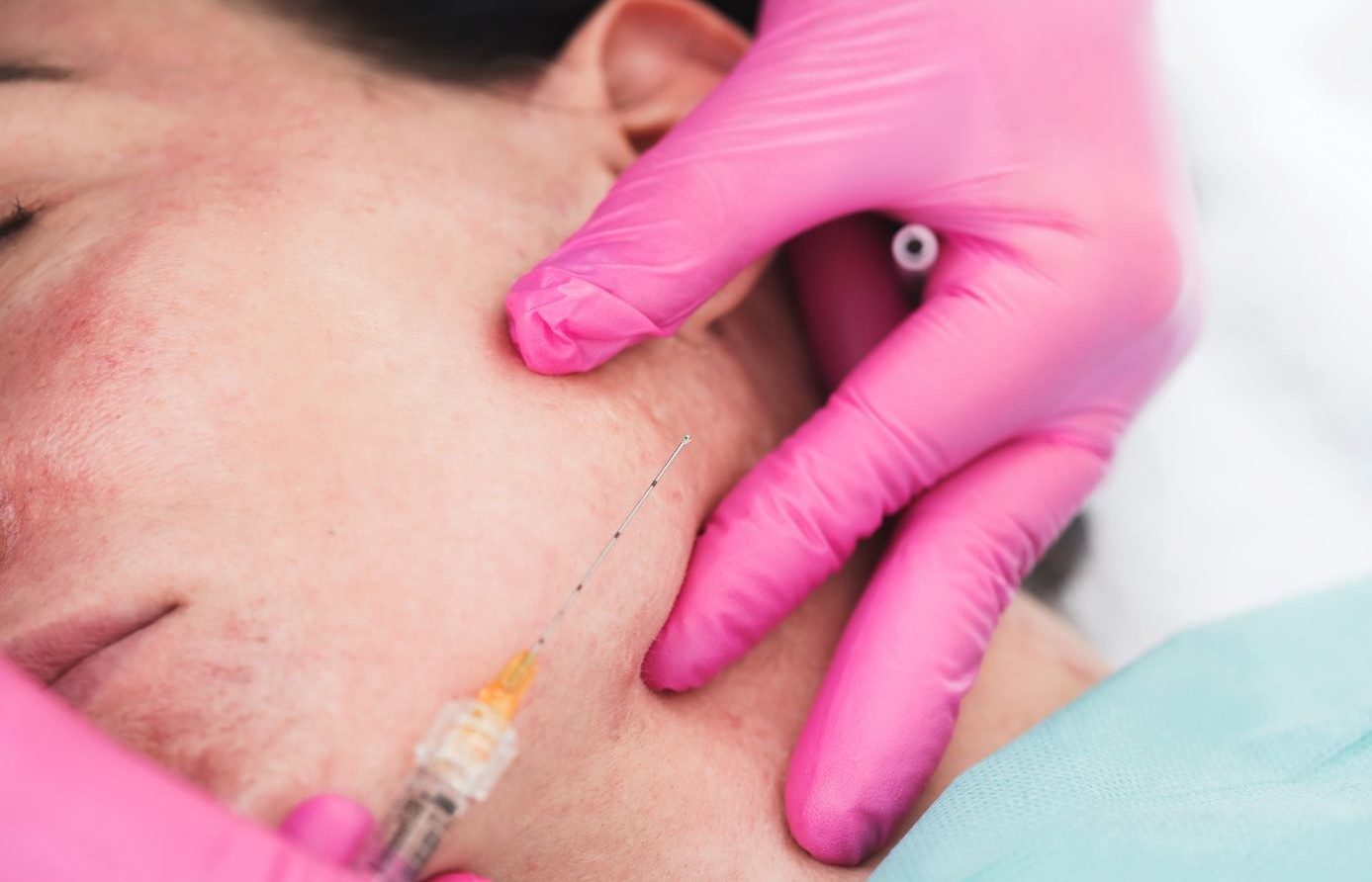
A needle is a sharp, hollow tool. It enters the skin at a point and places product in a small area. A needle gives a trainer and a learner direct control over depth and placement. That control is useful for small areas and for work that needs exact placement.
A needle is also the tool most learners meet first. Basic training often starts with needle work because the steps are easy to see and repeat. A learner can practise entry, angle, and depth with a needle before moving to a cannula.
A needle has limits. A sharp tip can enter a vessel or a nerve. A learner must know the anatomy of the area and must move slowly. A needle is not a tool to rush with.
What a cannula does, in basic terms
A cannula is a thin tube with a blunt tip. It enters through a small opening made by a needle, then moves through tissue. A cannula can place product over a wider area from one entry point. That spread can reduce the number of entry points a treatment needs.
A cannula is often used for larger areas, such as the cheek or the jawline. A learner may find that a cannula feels different from a needle. It moves more slowly and needs a steady hand. A cannula is not a shortcut. It is a different way to reach the same goal.
A cannula has limits too. A blunt tip does not remove risk. A cannula can still meet a vessel or a nerve. A learner must know the anatomy of the area and must move with care.
How the two tools differ in practice
A simple way to compare the two tools is to look at five points:
- Tip. A needle has a sharp tip that enters and places product at a point. A healthcare professional guides a cannula with a blunt tip through tissue after making an entry point.
- Path. A needle moves in a straight line from its entry point. A cannula can move along a path and place product in more than one spot from the same entry point.
- Precision. A needle gives direct control over a small area. A cannula gives a wider spread from one entry point.
- Tissue handling. A needle passes through tissue at a point. A cannula moves tissue aside as it passes. That difference affects how the tissue responds.
- Learning curve. A needle is often taught first because the steps are easy to see. A cannula needs more practice before a learner feels steady with it.
Choosing between cannula and needle in training
A trainee does not need to choose one tool for all time. A training program should teach both tools and should explain when each fits. A trainee should ask the program when each tool is introduced and how each is practised.
A trainee should also think about the area being treated. A small area may suit a needle. A larger area may suit a cannula. A trainee should not choose a tool because it is new or because others prefer it. A trainee should choose a tool because it fits the plan.
A supervisor can help with that choice. A trainee who is unsure should ask. A supervisor can explain the trade-offs and can watch the trainee practise. That guidance is part of training, not a sign of weakness.
A trainee should also consider their own stage. A learner who is still building basic needle skills should not rush into cannula work. A learner who is steady with a needle can add cannula work in stages.
Common beginner mistakes to avoid
- Treating a cannula as risk-free. A blunt tip does not remove risk. Complications can still occur.
- Using a cannula without planning the entry point. A cannula needs a clear entry point and a clear path. A learner should plan both before starting.
- Switching tools mid-treatment without a reason. A tool should be chosen for the plan, not changed because the first try felt awkward.
- Judging success by speed. A treatment that is done quickly is not a treatment done well. A learner should judge by the plan, the technique, and the outcome.
Building skill safely as a trainee
Skill grows with supervised practice. A trainee should practise each tool under supervision and should ask for feedback. A trainee should also record what worked and what did not. That record helps the trainee learn faster.
A trainee should also review anatomy before each session. A learner who knows the vessels and nerves in the area is less likely to meet a problem. A short review before a session is time well spent.
A trainee should know when to stop. If the plan doesn’t match the assessment, stop and rethink. If the tissue does not behave as expected, stop and seek advice. A trainee who stops early protects the patient and learns more than a trainee who pushes on.
A trainee should also know the limits of their role. A trainee should seek help from a supervisor or a qualified clinician. A trainee should not give advice beyond their training.
Questions and answers
When should a trainee first learn cannula technique?
A trainee should learn cannula technique after they are steady with basic needle work. A training program should introduce the cannula in stages, with supervised practice. A trainee should not rush into cannula work before they are ready.
Does a cannula remove the risk of complications?
No. A cannula can reduce some risks, but it does not remove them. Complications can still occur. A trainee must know the anatomy of the area, move with care, and know when to seek help.
Can an injector use a needle and a cannula in the same treatment plan?
In general training terms, yes, different tools can suit different parts of a plan. A training program should explain how tools can be combined and when that choice is right. A trainee should follow the program and should not mix tools without guidance.
Cannula and needle skills require the same good habits. These include clear assessment, knowledge of anatomy, a written plan, supervised practice, and honest documentation. A trainee who builds those habits will be better prepared to learn either tool well, and to know when to ask for help.
Tips to be a
Successful Injector!
Free E-Book download