Student Log in
 1267 Cornwall Rd, Unit 300, Oakville, Ontario L6J 7T5

 (289) 271-5718
blog
How to Transition from Healthcare to a Career in Aesthetics

Sep 05 2025
Reading Time: 5 Minutes
Author:
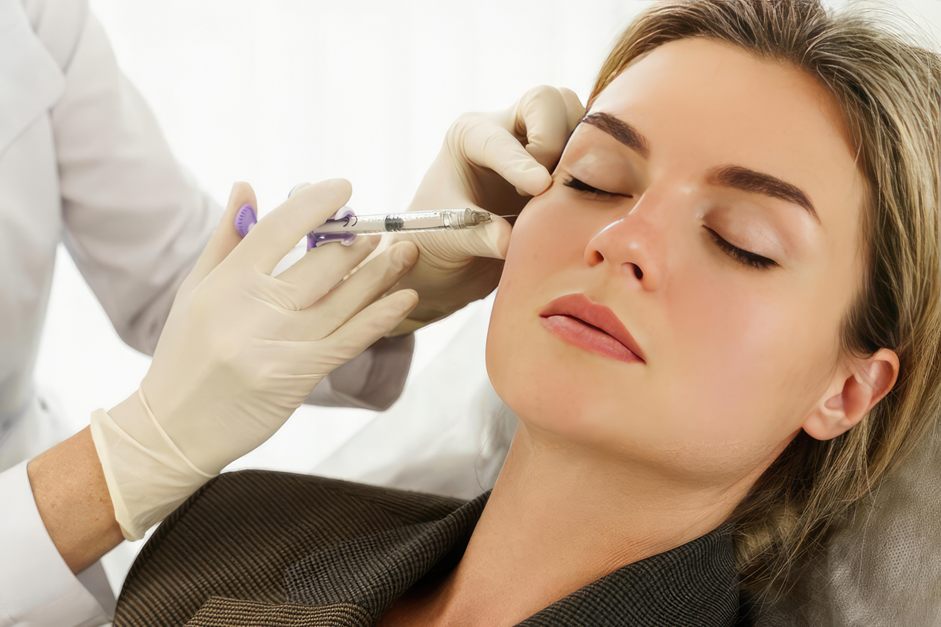
Many healthcare professionals find medical aesthetics appealing. This field blends science with artistry. It helps clients look and feel their best. The career can be flexible and rewarding. Demand for services like neuromodulator injections, dermal fillers, skin rejuvenation, and regenerative treatments has surged. This growth creates opportunities for regulated healthcare providers.
If you are a nurse, doctor, or dentist, a shift into aesthetics can be fulfilling. You can build long-term client relationships. You can work in a positive environment. You can explore new techniques. Success requires careful planning and training. You must understand legal and business considerations.

All images used under license from Canva. © APT Medical Aesthetics, 2025. All rights reserved.
From choosing the right training program to developing hands-on skills, there are key steps. You must understand provincial regulations and scope-of-practice rules. You may need to work with a medical director. This is vital if you plan to open your own clinic.
This guide walks you through each stage. It offers advice on education, certification, and business setup. Whether you join a med spa or launch your own business, preparation is key. It ensures a smooth transition into this exciting field.

All images used under license from Canva. © APT Medical Aesthetics, 2025. All rights reserved.
Understanding the Appeal of Aesthetics for Healthcare Professionals
Medical aesthetics offers unique benefits. Practitioners enjoy more control over their schedules. They build long-term patient relationships. They provide treatments that boost self-esteem instantly.
The work environment is less physically demanding than hospital roles. There are fewer emergencies. Appointments are planned in advance. This gives more predictability. For those with burnout, this is a welcome change.
Step One – Learn the Scope of Practice Rules in Your Region
Before training, understand scope of practice rules. In Ontario, neuromodulators and fillers are prescription medications. Only certain regulated professionals can administer them. Others need a patient-specific order or medical directive.
A medical director can provide these orders. They ensure treatments follow the law. Knowing these rules helps you choose the right training. It also helps you plan your career pathway.
Knowing these rules from the start will help you choose the right training and plan your career pathway effectively.

All images used under license from Canva. © APT Medical Aesthetics, 2025. All rights reserved.
Step Two – Choose the Right Training Program
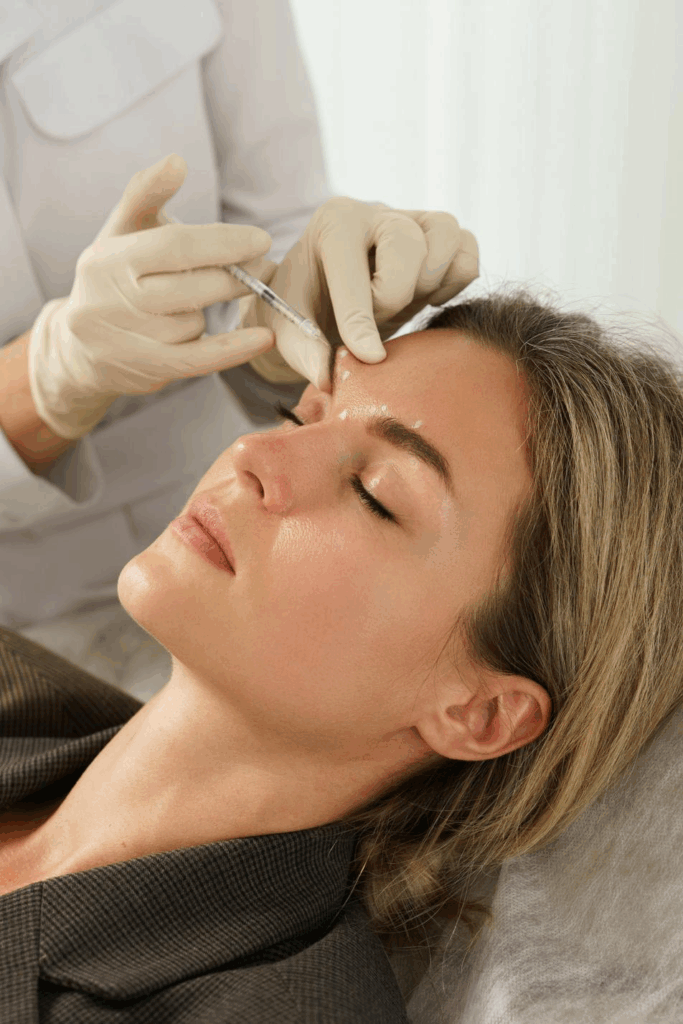
Quality education is the foundation of success. Short online modules are not enough. Look for comprehensive, hands-on training with experienced instructors. Choose programs designed for healthcare professionals.
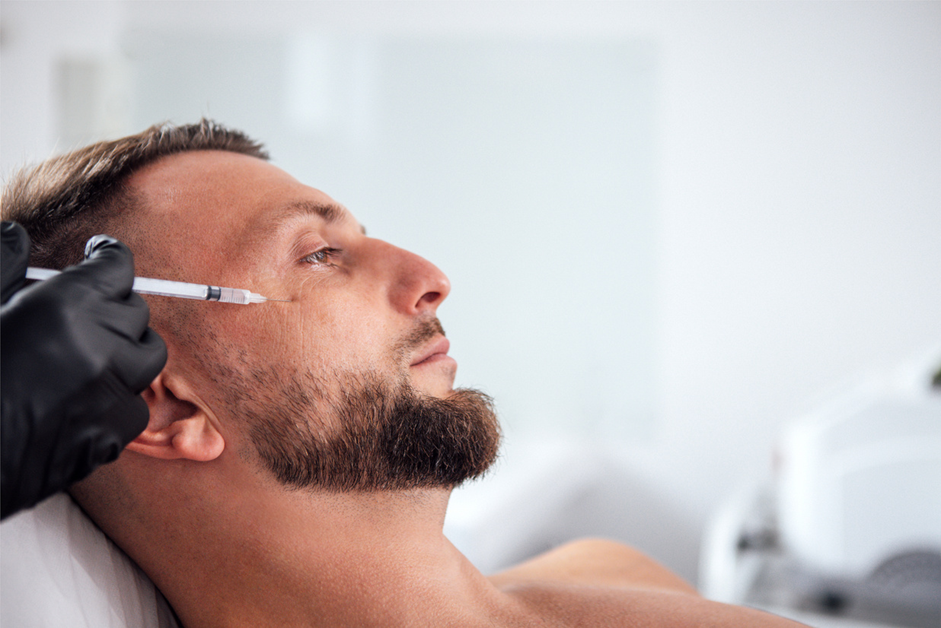
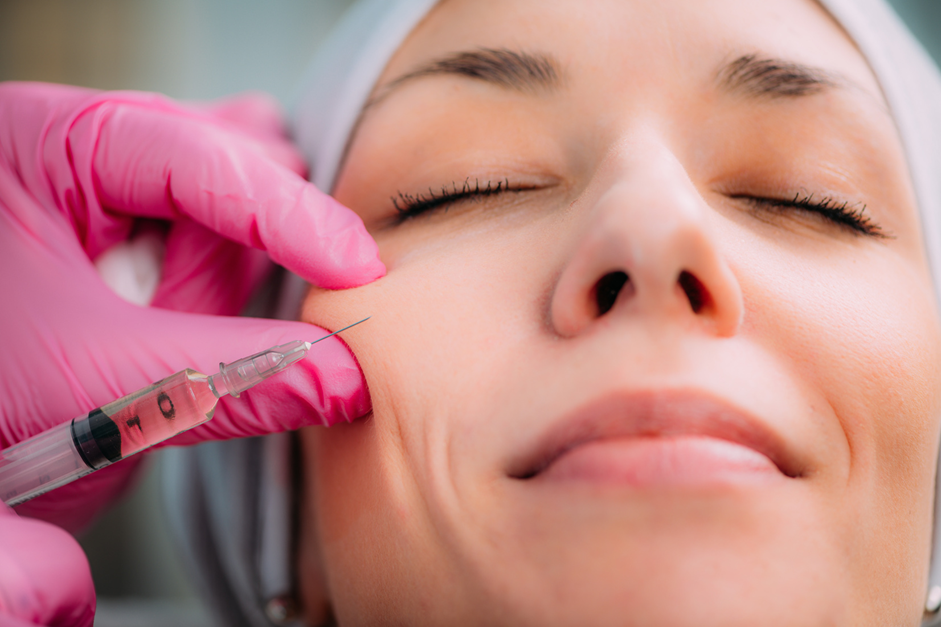
Training should cover facial anatomy and product knowledge. It should include injection techniques and patient assessment. Complication management and legal responsibilities are also key. Practice on live models under supervision builds confidence.
A strong program will also allow you to practice on live models under the supervision of experienced trainers. This real-world experience is essential for building confidence and skill.
All images used under license from Canva. © APT Medical Aesthetics, 2025. All rights reserved.
Step Three – Gain Experience Before Going Independent
After training, you may want to open your own med spa. But first, gain experience in an established clinic. This refines your skills and teaches clinic workflows. It helps you build a client base before business ownership.
Working with seasoned injectors and a medical director builds your clinical judgment. It also boosts your confidence.
Step Four – Find a Medical Director if You Plan to Open a Clinic
To own a med spa, you need a medical director. They oversee clinical operations and provide orders. Choosing the right medical director for med spa success is critical. They ensure compliance and patient safety.
Look for someone with aesthetic medicine experience. They should have strong communication skills. The relationship should be collaborative and respectful.
All images used under license from Canva. © APT Medical Aesthetics, 2025. All rights reserved.
Step Five – Learn the Business Side of Aesthetics
Transitioning into aesthetics involves more than injection techniques. You must understand the business side. This includes marketing and patient retention. It also covers pricing, inventory, and compliance.
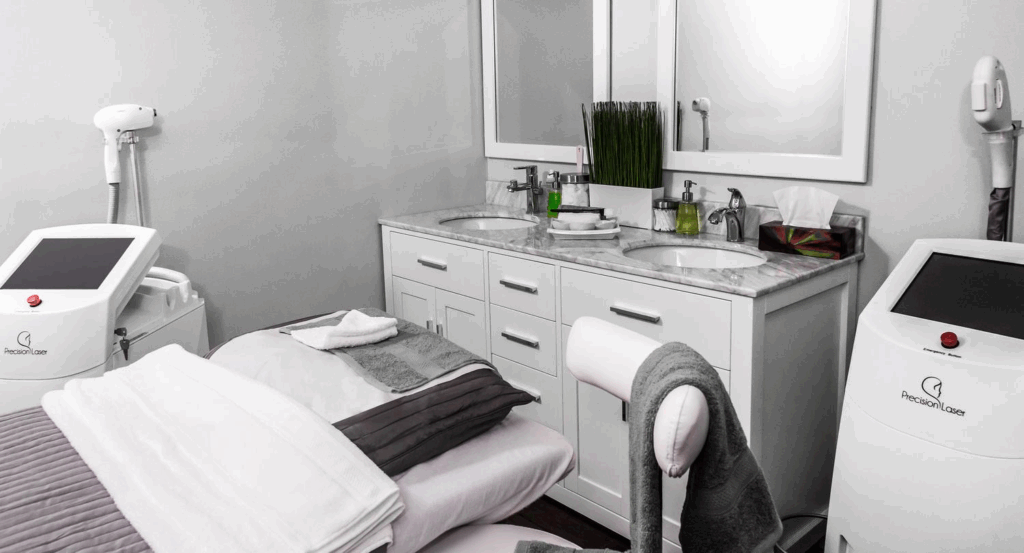
If you open your own med spa, manage finances and staff. Invest in equipment. Many injectors take business courses. Pairing clinical skills with business acumen builds a sustainable career.
Many successful injectors take business or practice management courses to develop these skills. Pairing clinical excellence with strong business acumen can help you build a sustainable career in aesthetics.
All images used under license from Canva. © APT Medical Aesthetics, 2025. All rights reserved.
Step Six – Build Your Professional Network
Networking is powerful in aesthetics. Attend conferences and workshops. Meet practitioners, suppliers, and mentors. Join professional organizations. Stay updated on trends and best practices.
Your network provides referrals and job opportunities. It offers clinical support. It connects you to potential collaborators, including medical directors and business partners.
Step Seven – Prioritize Ongoing Education
Medical aesthetics is always evolving. New products and techniques emerge yearly. Staying current is essential for the best patient results. Commit to ongoing education through advanced courses and workshops.
This keeps your skills sharp. It shows your commitment to excellence. Many injectors return for advanced training after gaining experience. This refines their skills and expands their offerings.
Many injectors find that returning for advanced training after gaining initial experience allows them to refine their skills and expand their treatment offerings.
Overcoming Common Challenges in the Transition
Shifting to aesthetics can be rewarding but challenging. Common concerns include building a client base and developing confidence. Navigating legal aspects is also a challenge. Patience and persistence are key.
Focus on patient safety and clear communication. Excellent results help you grow steadily. Supportive mentors and a strong medical director make the transition smoother.
The Rewards of a Career in Aesthetics
Once established, a career in aesthetics offers professional freedom. It provides creative fulfillment and meaningful patient relationships. Aesthetics often offers greater scheduling flexibility. This allows for a better work-life balance.
Many enjoy the autonomy of designing treatment plans. They select techniques for the best outcomes. They build a practice that reflects their style. Combining science with artistry is rewarding. Every patient is unique, so no two treatments are alike.
Practitioners find satisfaction in helping clients look refreshed. The visible results boost patient confidence. This creates professional pride. The field also offers strong earning potential. Skilled injectors with a loyal client base enjoy repeat business.
Opening your own clinic can increase income. You can diversify services and sell retail products. Ultimately, aesthetics lets you use clinical skills in a creative environment. You enjoy flexibility, autonomy, and patient satisfaction.
Final Thoughts
Transitioning to aesthetics is an exciting career move. You apply clinical expertise in a creative setting. Understand the legal framework and invest in quality training. Work under a skilled medical director. Commit to ongoing education.
Whether you work in a clinic or open your own med spa, the journey starts with learning. With the right preparation, your skills translate into exceptional results. This leads to long-term success in aesthetics.
At APT Injection Training, we provide the tools and hands-on experience you need. We offer beginner courses and advanced techniques. We guide you every step of the way.
Train with Ontario’s most trusted name in aesthetic education. Learn with confidence. Inject with purpose.
(289) 271-5718
✉️ info@aptinjectiontraining.com
aptinjectiontraining.com
Tips to be a
Successful Injector!
Free E-Book download