Student Log in
 1267 Cornwall Rd, Unit 300, Oakville, Ontario L6J 7T5

 (289) 271-5718
blog
The Botox Consent Form – What Every Injector Needs to Include Before Treatment

Sep 22 2025
Reading Time: 7 Minutes
Author:
In medical aesthetics, building trust and maintaining patient safety go hand in hand. While skillful injection technique and a strong understanding of facial anatomy are essential, so is a step that happens before the needle ever touches the skin—obtaining informed consent.
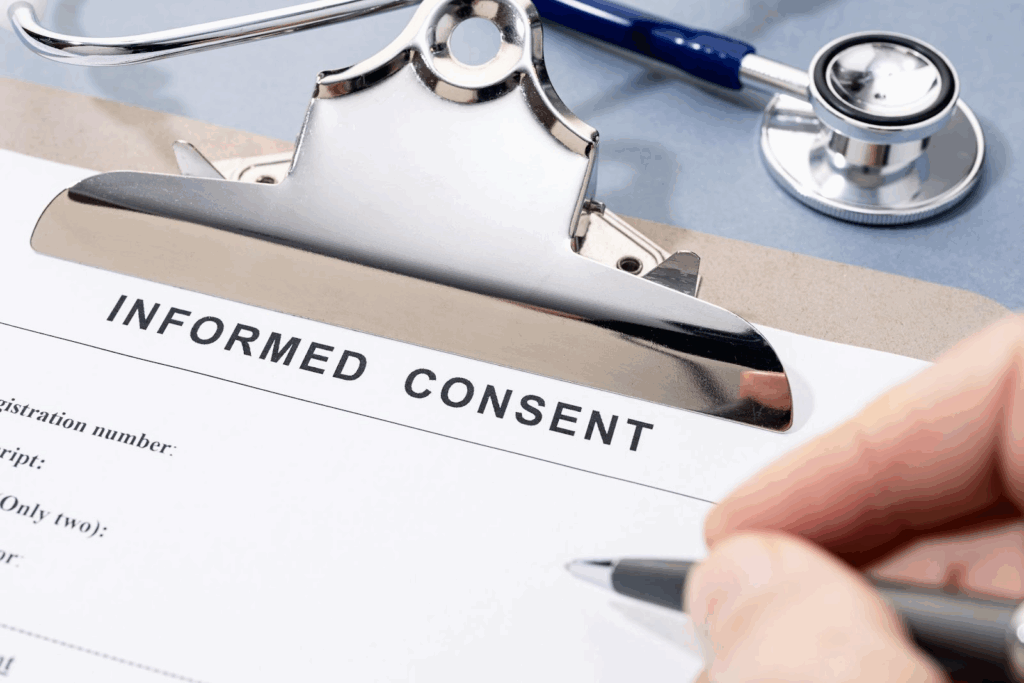
A comprehensive Botox consent form is one of the most important tools in your practice. It serves as both a legal safeguard and a communication tool, ensuring your patient understands the treatment, the potential benefits, and the possible risks. For those who work in aesthetics, mastering the consent process is just as important as mastering injection technique.
This guide will explain why a Botox consent form is critical, what it must include, and how to use it effectively to protect both your patients and your practice. Whether you are new to the field or an experienced injector refining your systems, these insights will help you approach consent with confidence and clarity.
All images used under license from Canva. © APT Medical Aesthetics, 2025. All rights reserved.
Why the Botox Consent Form Matters
When you work in aesthetics, you are performing a controlled medical act that carries risks. Botox is a prescription medication and its administration falls under the same professional and ethical standards as any other medical procedure. The Botox consent form documents that your patient understands what the treatment involves and has agreed to proceed willingly.
Consent is more than a piece of paper. It is a conversation that ensures the patient’s expectations align with what is realistically achievable. It allows you to identify any misunderstandings before the treatment begins and sets the tone for a transparent, trusting relationship.
A thorough Botox consent form also protects you legally. Should a patient later claim they were not informed of the risks or that their outcome was not as expected, your documentation can provide evidence that you followed the proper consent process.

All images used under license from Canva. © APT Medical Aesthetics, 2025. All rights reserved.
The Three Elements of True Informed Consent
Informed consent in medical aesthetics must include three essential components
1. Disclosure
You must provide the patient with complete, understandable information about the procedure, its purpose, the benefits, the potential risks, and alternative options.
2. Comprehension
The patient must demonstrate that they understand the information provided. This is why it is important to use clear, non-technical language and to check for understanding.
3. Voluntariness
The decision to proceed must be made by the patient freely, without coercion or undue pressure.
The Botox consent form is the written record of this process, but the actual discussion between you and the patient is what ensures it is meaningful.
All images used under license from Canva. © APT Medical Aesthetics, 2025. All rights reserved.
What Every Botox Consent Form Should Include
A strong Botox consent form is clear, detailed, and customized to your practice. While templates can be a helpful starting point, they should be adapted to reflect the products you use, the techniques you perform, and the legal requirements of your region.
Here are the essential elements to include
Patient Identification Information
Full legal name, date of birth, and contact details to ensure the form is tied to the correct patient file.
Description of the Procedure
A plain-language explanation of what Botox is and how it works. This section should make it clear that the treatment involves injecting a purified form of botulinum toxin into targeted muscles to temporarily reduce movement and soften wrinkles.
Intended Benefits
Outline the specific goals of the procedure, such as reducing frown lines, smoothing crow’s feet, or improving forehead wrinkles. Avoid making promises—use language that describes likely outcomes rather than guarantees.
Potential Risks and Side Effects
List both common and rare side effects. Common effects may include mild swelling, redness, or bruising at the injection site. Rare but serious complications could include drooping eyelids, asymmetry, headaches, or allergic reactions. Being transparent about all risks builds credibility and trust.
Limitations of Treatment
Explain that results are temporary and typically last three to four months, and that maintenance treatments are required to sustain the effect. Note that Botox cannot address issues like deep volume loss, skin laxity, or pigmentation.
Alternative Treatments
Briefly outline other available options, such as dermal fillers, skin resurfacing treatments, or simply choosing not to have the procedure.
Contraindications
List conditions under which Botox should not be administered, such as certain neuromuscular disorders, pregnancy, breastfeeding, or allergies to ingredients.
Post-Treatment Expectations
Include aftercare instructions and what patients can expect in the hours and days following the procedure. Mention that results take several days to appear.
Opportunity for Questions
State that the patient has had the opportunity to ask questions and that all their concerns have been addressed.
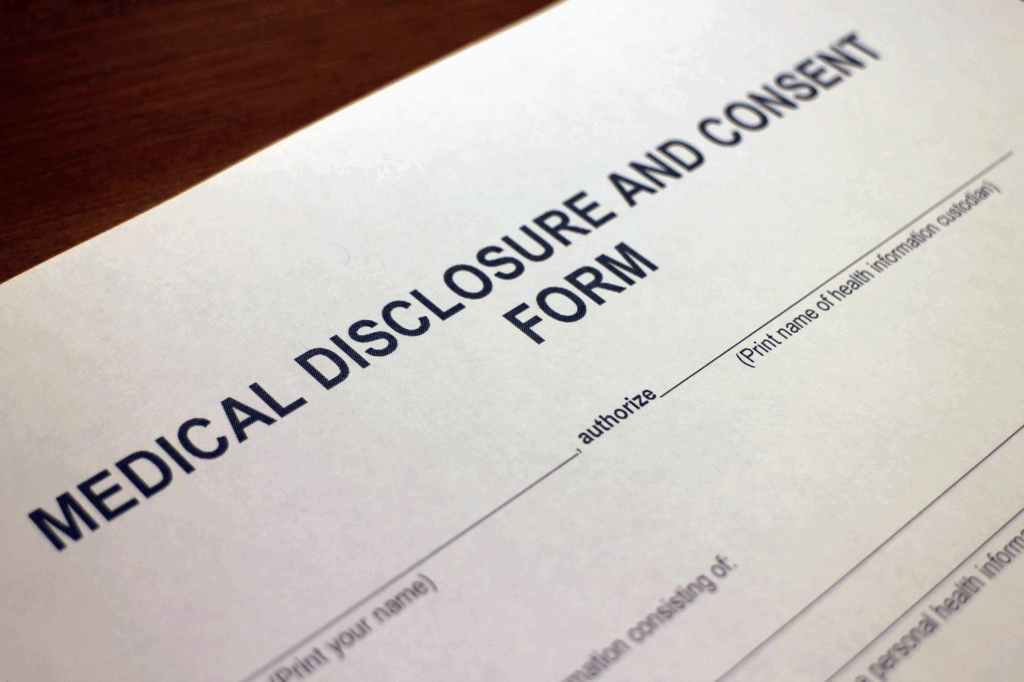
Consent Statement and Signature Lines
Include a clear statement that the patient has read and understood the information, has received satisfactory answers to their questions, and agrees to proceed. Provide space for the patient’s signature and date, as well as the injector’s signature.
All images used under license from Canva. © APT Medical Aesthetics, 2025. All rights reserved.
How to Present the Botox Consent Form Effectively
A consent form is only as effective as the way it is presented. Handing it to a patient to read and sign without discussion is not sufficient. Here are best practices for using the form as part of the consent process
Discuss First, Sign Second
Start by explaining the treatment in person before presenting the form. Use the form as a guide to ensure you cover every point, but make it a conversation.
Use Visual Aids
Photos, diagrams, or even a mirror can help patients visualize the areas to be treated and understand the expected effects.
Check for Understanding
Ask patients to explain back to you what they believe will happen during and after the procedure. This helps you gauge whether they have understood the information.
Avoid Rushing
Give the patient adequate time to read the form, consider the information, and ask questions.
Document Questions and Answers
Make brief notes on the consent form or in the patient’s record about the questions asked and the information provided.

All images used under license from Canva. © APT Medical Aesthetics, 2025. All rights reserved.
The Role of Consent in Building Patient Trust
In aesthetics, trust is one of the most valuable assets you can have. A patient who feels respected, informed, and involved in their care is more likely to be satisfied with their results and to return for future treatments.
The consent process shows patients that you are a professional who values transparency and prioritizes their safety. Even if the treatment is routine for you, it may be a significant decision for them. Taking the time to ensure they feel comfortable sets the tone for a long-term patient relationship.
Common Mistakes in Botox Consent Forms
When reviewing practices that work in aesthetics, several common mistakes in consent documentation stand out
- Using vague or overly technical language that patients may not understand
- Omitting rare complications because they seem unlikely
- Presenting the form only at the last minute, leaving no time for consideration
- Treating the form as a legal requirement only, rather than part of patient care
- Failing to update forms as regulations or treatment protocols change
Avoiding these mistakes will make your consent process stronger and more effective.
How Consent Fits into the Bigger Picture of Practice Compliance
The Botox consent form is just one piece of your overall compliance strategy. Comprehensive patient records should also include detailed medical history, treatment notes, product batch numbers, injection sites, and follow-up information.
Working in aesthetics means operating within a regulated healthcare framework. This includes following professional guidelines for patient assessment, documentation, and communication. The consent form works alongside these other records to create a complete picture of each patient’s care.

All images used under license from Canva. © APT Medical Aesthetics, 2025. All rights reserved.
Updating Your Botox Consent Form
Medical aesthetics is a rapidly evolving field. As new research emerges, products change, and regulations are updated, your consent forms should also be reviewed and revised.
Schedule regular reviews of your forms—at least annually—to ensure they reflect current best practices, legal requirements, and the specific treatments you offer. If you add new procedures or change your injection techniques, update your forms accordingly.
Final Thoughts
In the world of medical aesthetics, technical skill alone is not enough. Protecting your patients and your practice begins long before the first injection. A clear, thorough, and well-explained Botox consent form is a cornerstone of ethical and compliant care.
For patients, it offers transparency, reassurance, and an opportunity to make informed decisions. For practitioners, it provides legal protection and a framework for clear communication. By taking the consent process seriously and integrating it into every Botox appointment, you not only meet regulatory requirements—you build trust, confidence, and long-term patient loyalty.
At APT Injection Training, we teach our students that the consent process is an essential part of safe, professional practice. Our programs go beyond injection techniques to cover patient communication, documentation, and the legal responsibilities of working in aesthetics. Whether you are just starting out or refining your existing protocols, we can help you master every aspect of your practice.
Train with Ontario’s most trusted name in aesthetic education. Learn with confidence. Inject with purpose.
(289) 271-5718
✉️ info@aptinjectiontraining.com
aptinjectiontraining.com
Tips to be a
Successful Injector!
Free E-Book download