Student Log in
 1267 Cornwall Rd, Unit 300, Oakville, Ontario L6J 7T5

 (289) 271-5718
blog
Choosing Injectables Education In Canada – Red Flags To Avoid

Mar 30 2026
Reading Time: 5 Minutes
Author:
Introduction
The demand for aesthetic courses in Canada is at an all-time high. Across Ontario and beyond, healthcare professionals are exploring careers in cosmetic nursing. They want advanced injectables and regenerative treatments. Social media makes the industry look glamorous. Weekend courses promise fast certification. Ads promote six-figure incomes and instant confidence.
But here’s the reality.
Not all injectables training in Canada is created equal. Patient safety, legal scope, and long-term career growth all depend on the education you choose. The decision you make at the beginning will shape everything that follows.
If you are researching aesthetic courses, this guide will help. You will learn how to evaluate cosmetic nursing courses. You will also understand the red flags in injectables education in Canada.
Think before you enroll. Your future patients deserve competence. Your future self deserves a program that builds real clinical confidence..

All images used under license from Canva. © APT Medical Aesthetics, 2026. All rights reserved.
Why Choosing The Right Aesthetic Courses Matters
Becoming an injector is not just about placing product. It requires deep knowledge of:
- Anatomy.
- Physiology.
- Pharmacology.
- Complication management.
- Consultation strategy.
- Ethical decision-making.
When you enter injectables training in Canada, you enter a high-risk environment. Hyaluronic acid fillers, neuromodulators, and regenerative injectables are medical treatments. They demand precision and sound judgment.
Choosing training that focuses only on technique is risky. It must also teach complication management. If you have read about Understanding The Different Types Of Acne Scars, you know how nuanced facial anatomy is. Now imagine working beneath that skin with a needle.
Surface-level education is not enough.
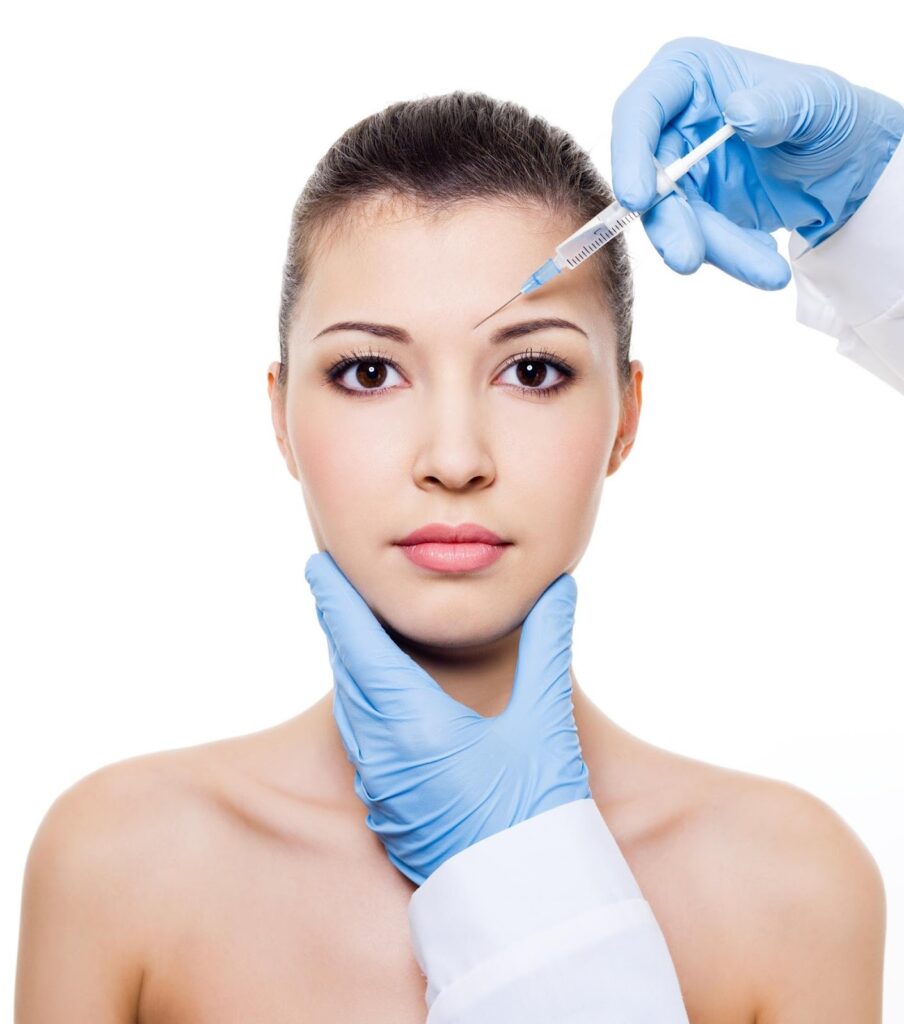
All images used under license from Canva. © APT Medical Aesthetics, 2026. All rights reserved.
Red Flag One – Minimal Anatomy Education
The warning: Limited anatomy instruction.
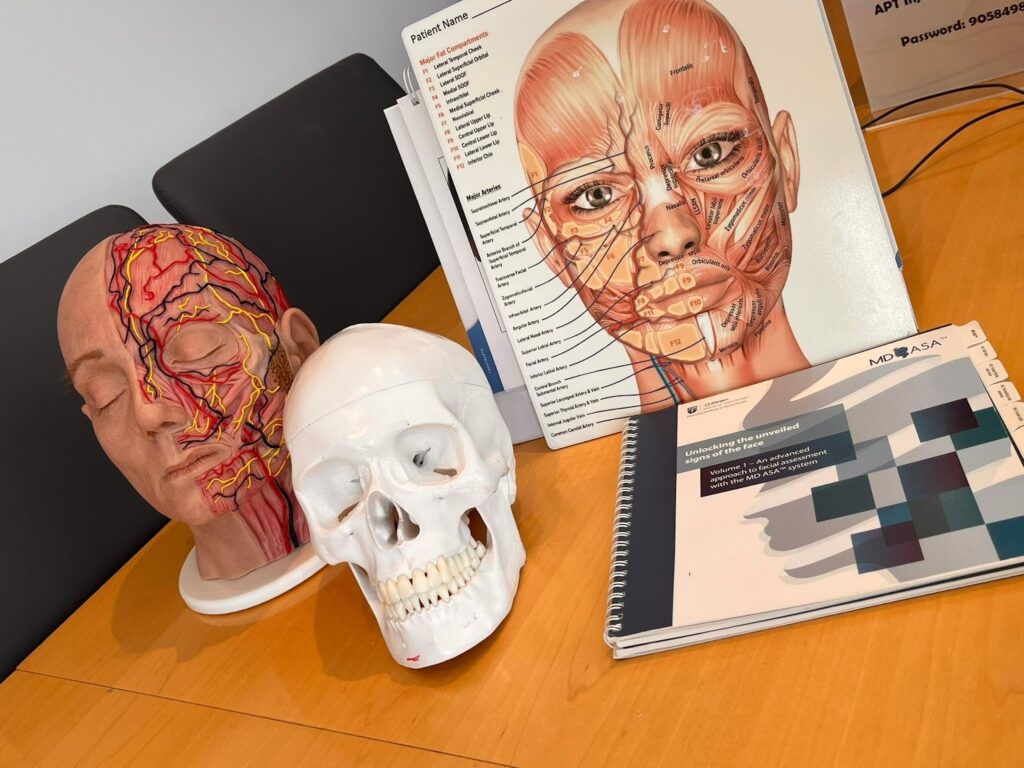
Any reputable injectables education program must dedicate significant time to facial anatomy. This includes:
- Vascular pathways.
- Danger zones.
- Fat compartments.
- Muscle dynamics.
- Depth considerations.
If a course offers hands-on injecting within hours of starting, pause. That is a warning sign.
Blindness, vascular occlusion, and tissue necrosis are real risks. They happen when injectors lack anatomical mastery. A strong program teaches both where to inject and where not to inject.
If complication management is only mentioned briefly, do not trust that program.

All images used under license from Canva. © APT Medical Aesthetics, 2026. All rights reserved.
Red Flag Two – No Clear Scope Of Practice Guidance
The warning: Unclear scope of practice.
In Canada, scope of practice matters. A good program must clearly outline:
- Who is eligible to train.
- How supervision works.
- Who can legally inject in your province.
- Medical directive requirements.
- Insurance expectations.
- Documentation standards.
If a course welcomes “anyone interested in beauty” without confirming regulated credentials, that is a concern.
You could complete training but still be unable to practice safely or legally. A strong program discusses regulatory frameworks openly.
Red Flag Three – Large Group Hands-On Sessions
The warning: Too many trainees, too few models.
Hands-on experience is critical. But not all environments are equal.
- 10 or 15 trainees sharing one model? ❌
- Watching others inject instead of practicing? ❌
- No individualized feedback? ❌
You need direct observation and real-time correction. Quality programs maintain low trainee-to-trainer ratios.
If marketing focuses on social media photos rather than educational structure, investigate further.
Red Flag Four – No Discussion Of Complications
The warning: Avoiding difficult topics.
Aesthetic medicine is not just about beautiful results. It is about managing risk.
A cosmetic nursing course must include detailed training on:
- Vascular occlusion recognition.
- Hyaluronidase protocols.
- Emergency preparedness.
- Adverse event management.
Responsible programs discuss complications openly. They teach prevention and early recognition. They provide step-by-step response strategies.
Ask directly:
- How many hours are dedicated to complication management?
- Are emergency kits reviewed in detail?
- Are real case studies discussed?
Silence around complications is not reassurance. It is avoidance.

All images used under license from Canva. © APT Medical Aesthetics, 2026. All rights reserved.
Red Flag Five – Unrealistic Income Promises
The warning: Aggressive income marketing.
Yes, cosmetic nursing can be financially rewarding. But it requires:
- Skill development.
- Patient trust.
- Ethical practice.
- Ongoing education.
If a program promises rapid six-figure income with minimal effort, be cautious.
Sustainable success comes from competence and reputation. If you have read about Why Jowls Form So Early, you understand how layered facial aging is. Patients want thoughtful assessment, not quick fixes.
Your education should reflect that complexity.
Red Flag Six – No Post-Course Support
The warning: No mentorship after graduation.
Choosing injector training should not end when the certificate is issued.
Ask yourself:
- Is mentorship offered after graduation?
- Are there alumni communities?
- Can you ask clinical questions as cases arise?
A reputable program understands that real learning happens in practice. Ongoing support shows educators are invested in your growth.
Without post-course support, new injectors often feel isolated and uncertain.
Red Flag Seven – Lack Of Clinical Experience From Trainers
The warning: Trainers with no real-world practice.
Who is teaching the course?
- Are they actively injecting patients?
- Do they manage complications?
- Are they involved in education beyond weekend seminars?
Strong aesthetic courses are taught by professionals with clinical experience. Trainers should be transparent about:
- Their background.
- Patient volume.
- Ongoing education.
If instructor credentials are vague, ask for specifics.

All images used under license from Canva. © APT Medical Aesthetics, 2026. All rights reserved.
How To Evaluate Injectables Training In Canada
Approach this like a clinical assessment.
What to Look For
- Structured curriculum outlines.
- Defined learning objectives.
- Clear eligibility criteria.
- Detailed complication protocols.
- Transparent trainee ratios.
- Evidence of ongoing mentorship.
Bonus Tip
Observe how the clinic educates patients. For example, if you see materials like Skin Purging Vs Breaking Out, you can tell how seriously they take skin science. That same philosophy should apply to injector training.
Choosing Injector Training With Long-Term Vision
The goal of cosmetic nursing courses should not be just to certify you.
It should be to prepare you for:
- Safe practice.
- Ethical practice.
- Sustainable practice.
Aesthetic medicine evolves rapidly. New products enter the market. Techniques change. Safety guidelines update.
Choosing injectables education should feel like selecting a long-term professional partner—not a one-day workshop.
If a program emphasizes:
- Assessment.
- Anatomy.
- Documentation.
- Complication management.
- Ethical patient selection.
…that is a strong sign of integrity.
Ready to Choose Wisely?
Don’t settle for red flags. Choose training that builds real confidence and protects your patients.
APT Injection Training offers comprehensive, hands-on injectables education in Canada. Our programs feature:
- Low trainee-to-trainer ratios.
- Expert instructors with over 20 years of experience.
- Live model practice.
- Ongoing mentorship and support.
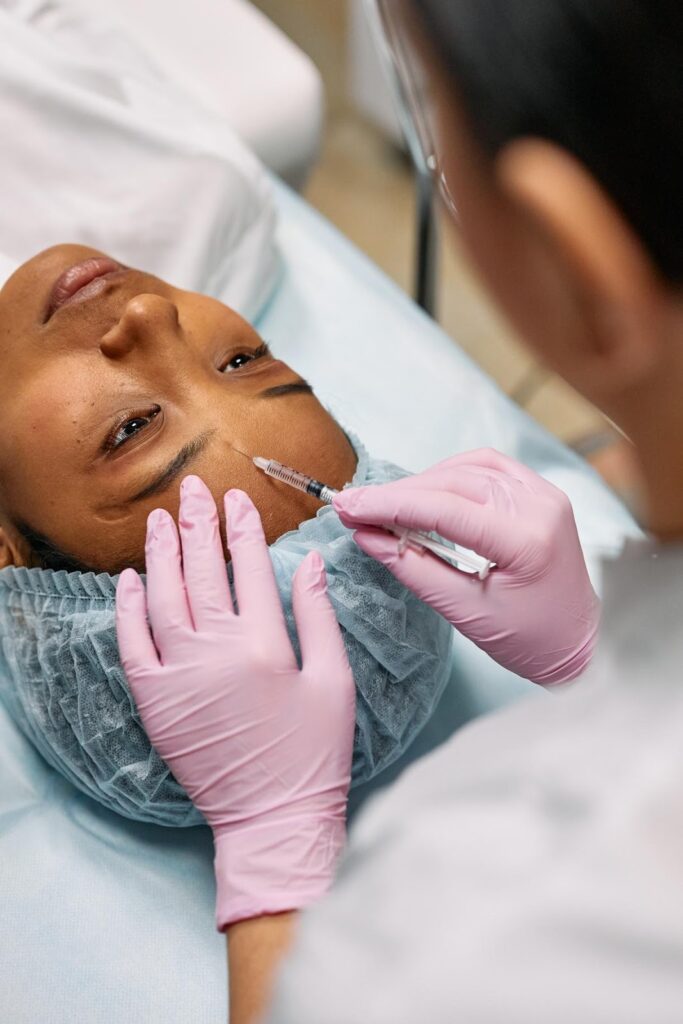
All images used under license from Canva. © APT Medical Aesthetics, 2026. All rights reserved.
Tips to be a
Successful Injector!
Free E-Book download