Student Log in
 1267 Cornwall Rd, Unit 300, Oakville, Ontario L6J 7T5

 (289) 271-5718
blog
Injection Training Vs Shadowing – What Actually Prepares You

Jun 06 2026
Reading Time: 7 Minutes
Author:
Introduction
More healthcare professionals are entering the field of aesthetic medicine. One of the most common questions they ask is how to gain experience. They want to feel confident treating patients. The injectables industry is growing rapidly. Patient demand is increasing. Many nurses are looking for the most effective way to transition into this area of practice.
They want to ensure they are properly trained and prepared.
Many practitioners explore different pathways. Some enroll in a nurse injection course. Others seek opportunities to shadow experienced injectors. Both options provide valuable exposure to the field. However, they serve very different purposes in the learning process.
While both approaches may seem valuable, they offer very different learning experiences.
- A structured course is designed to teach clinical skills. It provides guided education and hands-on practice.
- Shadowing is primarily observational. It focuses on watching experienced practitioners perform treatments.
Understanding this distinction is key. It helps anyone looking to build real confidence and competence.
For new injectors, it can be difficult to determine which path is best. Observing treatments offers insight into technique and patient interaction. But without active participation, it does not allow practitioners to develop technical ability. It also does not build decision-making skills required in practice.
Understanding the difference between structured injection training and informal shadowing is essential. It helps practitioners choose the right path and develop true clinical readiness.
Practitioners who invest in comprehensive training benefit greatly. Training includes both theory and hands-on experience. They are better equipped to build confidence. They refine their skills. They transition into aesthetic practice with a strong foundation.

All images used under license from Canva. © APT Medical Aesthetics, 2026. All rights reserved.
Why This Question Matters For New Injectors
Entering the world of injectables can feel overwhelming. New practitioners step into a field that combines:
- Clinical knowledge.
- Technical skill.
- Aesthetic judgment.
All of this happens while working with real patients. Patients expect safe and natural results. It is normal to want to gain experience quickly. But doing so without the right foundation can lead to uncertainty. It can also increase risk.
New injectors often try to balance two priorities at once:
- Building confidence.
- Ensuring patient safety.
This is where the question of training becomes especially important.
Shadowing may appear to be an easy and accessible way to learn. It offers the chance to observe real treatments. It provides exposure to clinic environments. It allows learning from experienced practitioners.
On the other hand, formal courses provide structured education. They are designed to guide practitioners step by step. They cover both theory and hands-on application.
However, the level of preparation each method offers is not the same.
Shadowing offers valuable insight into workflow and patient interaction. But it does not provide active learning. Active learning is required to develop technical skill.
Without the opportunity to practice injections under supervision, practitioners may struggle. They may find it difficult to translate what they observe into real clinical ability.
For practitioners who want to build confidence and competence, choosing the right type of training is critical. The early stages of learning set the tone for long-term success. Investing in proper education helps practitioners develop safe habits. It builds strong clinical judgment. It provides the confidence needed to treat patients independently.
Making the right choice at the beginning can significantly impact both the learning experience and future growth in aesthetic medicine.
All images used under license from Canva. © APT Medical Aesthetics, 2026. All rights reserved.
What Is A Nurse Injection Course
A nurse injection course is a structured educational program designed to teach both the theoretical and practical aspects of injectable treatments.
These courses typically include
• facial anatomy education
• product knowledge
• patient consultation skills
• injection techniques
• complication management
• hands-on training with live models
The goal of a formal course is to prepare practitioners to perform treatments independently and safely.
Many practitioners begin their journey by exploring programs such as Botox training for nurses to advanced pathways, which outline how structured education supports long-term growth.
What Is Shadowing In Aesthetic Medicine
Shadowing involves observing an experienced injector in a clinical setting.
This may include
• watching consultations
• observing injection techniques
• learning clinic workflow
• understanding patient interactions
While shadowing can provide insight into real-world practice, it is primarily observational. Practitioners are not actively performing treatments, which limits skill development.
The Key Limitations Of Shadowing
Although shadowing can be helpful for exposure, it has several limitations when it comes to building clinical skill.
These include
• lack of hands-on experience
• no opportunity to practice techniques
• limited feedback or correction
• inability to develop muscle memory
• inconsistent teaching structure
Without active participation, it is difficult for practitioners to build the confidence needed to treat patients independently.
Why Hands On Injector Training Is Essential
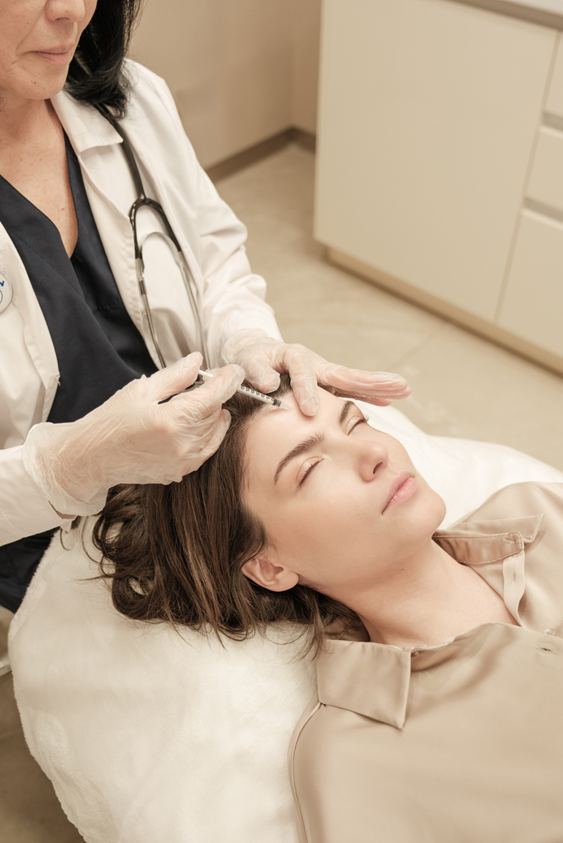
Hands on injector training is one of the most important components of learning injectables.
Practitioners need the opportunity to
• perform injections under supervision
• practice technique in real time
• receive immediate feedback
• develop confidence with patients
• refine their approach through repetition
Programs that include hands-on training allow practitioners to bridge the gap between theory and clinical practice.
This is why many injectors emphasize the importance of why live model training is essential for injector confidence, as real patient experience plays a key role in skill development.
All images used under license from Canva. © APT Medical Aesthetics, 2026. All rights reserved.
The Role Of Injector Mentorship
Injector mentorship can be a valuable addition to formal training.
Mentorship provides
• ongoing guidance
• support during early practice
• opportunities to ask questions
• feedback on treatment decisions
However, mentorship is most effective when combined with a strong educational foundation. Without proper training, mentorship alone may not provide the structure needed to build core skills.
Clinical Readiness – What It Actually Means
Clinical readiness goes beyond understanding theory.
It involves:
• confidence in performing treatments
• ability to assess patients independently
• understanding of anatomy and safety
• readiness to manage complications
• strong communication skills
A structured nurse injection course is designed to build these competencies through both education and hands-on practice.
A Real Practitioner Experience
A nurse initially chose to shadow an experienced injector in hopes of gaining hands-on experience.
While she learned about clinic workflow and patient interactions, she found herself lacking confidence when it came to performing injections.
After enrolling in a structured training program with hands-on experience, she was able to practice techniques under supervision and receive real-time feedback.
This allowed her to build the confidence needed to begin treating patients safely.
Her experience highlights the difference between observing and actively learning.
Frequently Asked Questions About Injection Training Vs Shadowing
Is Shadowing Enough To Learn Injectables?
Shadowing provides exposure to real clinical environments, including patient interactions and treatment flow, but it does not replace hands-on training. Without actively performing injections under supervision, practitioners are unable to develop the technical skills, muscle memory, and confidence required to treat patients safely.
What Is The Benefit Of A Nurse Injection Course?
It provides structured education, hands-on experience, and preparation for clinical practice. A nurse injection course is designed to guide practitioners through anatomy, consultation, technique, and complication management while allowing them to practice on live models with expert supervision.
What Is Injector Mentorship?
It is ongoing support and guidance from an experienced injector. Mentorship helps practitioners refine their skills, gain confidence, and navigate real-world clinical situations after completing their initial training.
What Does Clinical Readiness Mean?
It means having the knowledge, skill, and confidence to perform treatments safely and independently. Clinical readiness includes the ability to assess patients, execute proper techniques, recognize complications, and make informed decisions in a clinical setting.
Choosing The Right Path For Your Training
Shadowing can provide valuable insight into clinical practice. But it is not a substitute for structured education.
Observing an experienced injector can help you understand:
- Patient flow.
- Consultation style.
- Clinic dynamics.
However, it does not provide the hands-on experience required to safely perform treatments yourself. Without actively practicing techniques, it is difficult to build confidence and skill.
What You Need
A comprehensive nurse injection course with hands-on training is essential. It helps you develop the skills needed to perform treatments safely and confidently.
How These Programs Work
These programs are designed to guide practitioners through both theory and practice. They allow you to apply your knowledge in a supervised environment.
Hands-on experience with live models helps bridge the gap between learning and doing. Real-time feedback is critical for developing clinical competence.
Building a Strong Foundation
By combining formal education with mentorship and continued learning, practitioners can build a strong foundation for long-term success.
- Structured courses provide the initial framework.
- Mentorship offers ongoing support and guidance.
- Continued education ensures skills remain current.
This helps practitioners adapt to new techniques and evolving best practices within the industry.
What to Look For
Choosing the right path means investing in training that prioritizes:
- Safety.
- Anatomy.
- Patient outcomes.
Programs that emphasize these elements help practitioners develop not only technical ability but also clinical judgment and confidence. This combination prepares injectors to handle real-world scenarios with professionalism and precision.

All images used under license from Canva. © APT Medical Aesthetics, 2026. All rights reserved.
Take the Next Step with APT Injection Training
At APT Injection Training, we provide hands-on injector training programs. Our programs are designed to prepare practitioners for real-world clinical practice.
What We Offer
Our courses focus on building practical skills through supervised experience. Students leave with the confidence and knowledge needed to begin their careers in aesthetic medicine.
We Are Here to Help
If you are deciding between shadowing and formal training, our team would be happy to guide you. Whether you are just starting out or looking to strengthen your foundation, we are here to support your journey every step of the way
📞 (289) 271-5718
✉️ info@aptinjectiontraining.com
🌐 aptinjectiontraining.com
Tips to be a
Successful Injector!
Free E-Book download