Student Log in
 1267 Cornwall Rd, Unit 300, Oakville, Ontario L6J 7T5

 (289) 271-5718
blog
From Certification To Clinic Ready – What Real Injector Training Looks Like
Jun 15 2026
Reading Time: 7 Minutes
Author:
There is a moment many new injectors experience shortly after completing their first nurse injection course. The certificate has been printed. The excitement is high. Friends and family are congratulating them on starting a new journey in aesthetic medicine.
Then reality quietly sets in. A patient sits in front of them for the very first time.
Suddenly, the injector realizes that certification and true clinical readiness are not always the same thing.
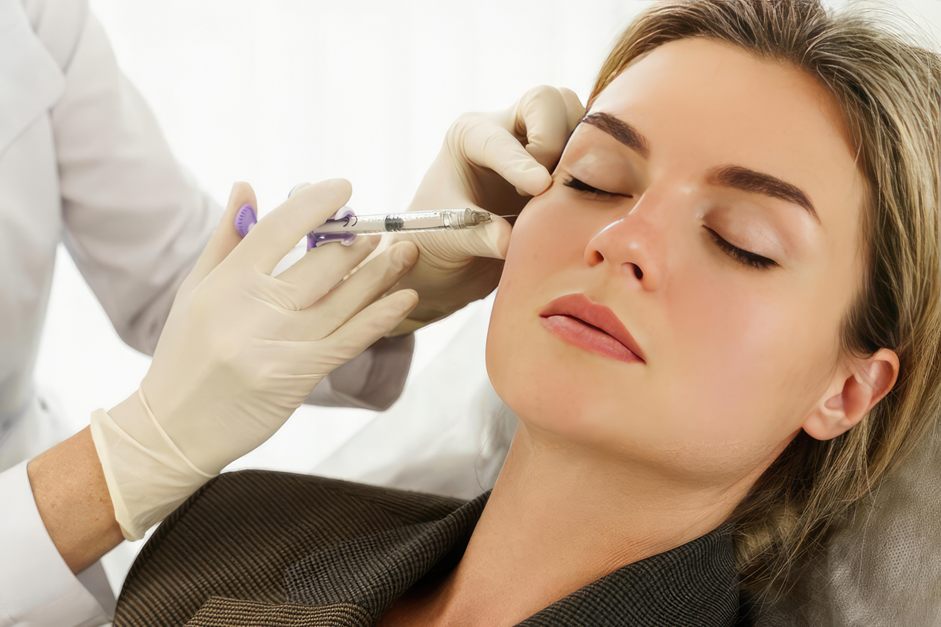
Knowing facial anatomy on paper feels very different when assessing a real patient with asymmetry, previous filler, complex movement patterns, and high expectations. Holding a syringe in a live clinical setting feels very different than watching a demonstration online.
This is one of the most important conversations happening in aesthetic medicine right now. What actually makes someone clinic-ready? Is injector certification enough on its own? Or does becoming a safe, confident injector require something much deeper?
At APT Injection Training, we believe real injector readiness comes from immersive hands-on injectables education, live patient experience, anatomy knowledge, and supervised clinical practice. Because aesthetic medicine is not simply about earning a certificate. It is about developing the competence and confidence to safely treat real patients.

All images used under license from Canva. © APT Medical Aesthetics, 2026. All rights reserved.
The Difference Between Being Certified And Being Prepared
Certification is an important milestone. But certification alone does not automatically prepare healthcare professionals for every challenge they may encounter in aesthetic medicine.
Injectors must learn how to:
- Assess facial anatomy
- Build treatment plans
- Manage patient expectations
- Recognize contraindications
- Prevent and handle complications calmly
- Communicate professionally
- Adapt to unpredictable anatomy
- Develop aesthetic judgment
- Understand product selection
A certificate may confirm course completion. True injector readiness develops through supervised experience and repetition.
This distinction is incredibly important for healthcare professionals exploring nurse injection course options in Canada.
A Story Many New Injectors Quietly Relate To
A nurse completes an injector certification course and feels excited to begin offering aesthetic treatments. The course covered theory well. There were demonstrations, anatomy lectures, and a few opportunities to observe injections.
But when she begins seeing patients independently, uncertainty appears quickly.
Consultations take much longer than expected. She second-guesses treatment plans. She worries constantly about symmetry and bruising. She struggles to confidently answer patient questions about filler longevity or complication risks.
Most importantly, she realizes how much she still needs real clinical exposure.
So she seeks additional hands-on injectables education with more supervised experience and live models. Gradually, her confidence changes — not because she suddenly became perfect, but because repetition helped her become more comfortable assessing anatomy, communicating with patients, and adapting in real time.
This transition is incredibly common. The reality is that most injectors require continued mentorship and hands-on practice before feeling fully clinic-ready.
All images used under license from Canva. © APT Medical Aesthetics, 2026. All rights reserved.
Why Hands-On Injectables Training Matters So Much
Injectables are procedural skills. Procedural skills require repetition. There is simply no substitute for physically performing injections under supervision while receiving real-time feedback from experienced educators.
Hands-on injectables education helps healthcare professionals develop:
- Needle control and injection precision
- Cannula technique
- Tissue assessment
- Consultation confidence
- Patient communication
- Product handling and facial balancing skills
- Clinical judgment and complication recognition
This is why live model exposure is such a critical part of real injector training. Every patient presents unique anatomy, facial movement, asymmetry, skin quality, and treatment goals. The more supervised exposure injectors receive, the more adaptable and confident they become over time.
What Real Injector Training Should Include
Not all nurse injection course programs are structured equally. Some focus heavily on theory while offering limited practical experience. Others prioritize large class sizes and quick certifications over individualized education.
Real clinic-ready injector training should ideally include several essential components.

All images used under license from Canva. © APT Medical Aesthetics, 2026. All rights reserved.
Extensive Hands-On Practice
Watching injections alone is not enough. Students need opportunities to physically inject under close supervision while receiving correction and guidance.
Live Model Experience
Working with real patients helps students understand the realities of anatomy variation, patient communication, and treatment planning.
Anatomy Focused Education
Strong anatomy understanding is one of the most important foundations of aesthetic medicine. Injectors should understand vascular pathways, facial musculature, fat compartments, ligament structures, high-risk danger zones, and tissue planes.
Complication Management Training
Any reputable injector certification program should discuss vascular occlusion, bruising, infection prevention, filler dissolution, emergency preparedness, contraindications, and adverse event recognition.
Why Real Patients Change Everything
One reason new injectors often feel overwhelmed after certification is because real patient care introduces unpredictability. Patients may present with previous filler, facial asymmetry, scar tissue, unrealistic expectations, anxiety, contraindications, complex anatomy, or social media influenced requests.
Textbooks cannot fully prepare injectors for these situations. This is why supervised clinical experience matters so much. The transition from certification to practice becomes smoother when injectors are exposed to real-world scenarios during training.
Have You Ever Asked Yourself This?
If a patient sat in your chair tomorrow asking for lip filler, would you feel fully confident assessing anatomy, building a treatment plan, managing complications, and educating them safely?
This question matters because confidence in aesthetic medicine should come from preparation, not guesswork.
Why Injector Readiness Is About More Than Technical Skill
Many healthcare professionals assume injector readiness is purely about injection technique. But successful injectors also need strong communication and clinical reasoning skills.
Patients expect injectors to educate them honestly about treatment suitability, risks and benefits, expected longevity, potential complications, realistic outcomes, and alternative treatment options.
This requires emotional intelligence, consultation confidence, and professionalism. Aesthetic medicine is both clinical and interpersonal. The strongest injectors know how to combine both skillsets effectively.
All images used under license from Canva. © APT Medical Aesthetics, 2026. All rights reserved.
Common Challenges During The Transition To Practice
The transition into aesthetic medicine can feel emotionally overwhelming for many healthcare professionals. Common struggles include:
- Fear of making mistakes
- Imposter syndrome
- Difficulty pricing treatments
- Anxiety during consultations
- Comparing themselves to experienced injectors online
- Fear of complications
- Difficulty gaining patient trust
- Feeling unprepared after certification
These feelings are extremely common. The injectors who succeed long term are usually the ones who continue practicing, learning, asking questions, and seeking mentorship instead of expecting immediate perfection.
Why Small Training Ratios Matter
One major factor affecting injector readiness is the amount of individualized supervision students receive during training. Smaller trainee-to-trainer ratios often provide more feedback, increased injecting opportunities, better correction during procedures, stronger mentorship, safer learning environments, and more confidence-building.
In large training groups, students may spend more time observing than actually injecting. This can limit practical skill development significantly.
At APT Injection Training, small 2-to-1 trainee-to-trainer ratios are prioritized specifically to maximize hands-on education and individualized support.
FAQ About Clinic-Ready Injector Training
What makes someone clinic-ready after a nurse injection course?
Clinic readiness typically develops through hands-on injectables education, live model experience, anatomy understanding, complication management training, mentorship, and supervised clinical practice.
Is injector certification enough to start practicing confidently?
Many healthcare professionals require additional practical experience and mentorship after certification before feeling fully confident treating patients independently.
Why is live model training important?
Live model training exposes students to real anatomy, patient movement, consultation dynamics, asymmetry, and clinical unpredictability in a supervised environment.
What should I look for in a hands-on injectables course?
Look for programs offering live models, anatomy education, complication management training, mentorship, supervised injecting opportunities, and small trainee-to-trainer ratios.
How long does it take to feel confident as an injector?
Confidence develops gradually through repetition, continued education, clinical exposure, and ongoing practice over time.
Why Ethical Injector Education Matters
The aesthetics industry is growing rapidly across Canada and throughout the GTA. Unfortunately, some educational programs market injectables as quick or easy pathways into aesthetics without fully preparing students for the realities of patient care.
Ethical injector education should prepare healthcare professionals honestly — including discussing complications, emotional pressure, patient dissatisfaction, anatomical limitations, long-term skill development, and continuing education expectations.
Real injector training should never prioritize speed over safety. Patients deserve providers who understand both the science and responsibility behind injectable treatments.
The Future Of Aesthetic Medicine Requires Better-Prepared Injectors
Patients today are more informed than ever before. They ask questions about injector qualifications, training background, complication management, experience levels, product knowledge, and safety protocols.
This means injectors entering the industry need stronger educational foundations than ever before. Healthcare professionals who invest in high quality clinic-ready injector training often feel more prepared long term because they develop real clinical exposure early in their education journey.
Why APT Injection Training Focuses On Real World Injector Readiness
At APT Injection Training, our goal is not simply to provide injector certification. Our goal is to help healthcare professionals become genuinely clinic-ready through immersive, hands-on education.
Our programs emphasize:
- Extensive hands-on injectables experience
- Live model training
- Small 2-to-1 trainee-to-trainer ratios
- Anatomy focused education
- Complication management training
- Real-time instructor guidance and ongoing support
- Beginner and advanced injectables education
- Clinical reasoning and patient assessment
- State-of-the-art training facilities in Oakville
We understand that becoming a confident injector takes more than watching demonstrations or completing online modules. It requires repetition, mentorship, supervised practice, and exposure to real patient care scenarios.
Whether you are beginning your aesthetic medicine journey or expanding your injector skillset further, choosing the right educational environment can dramatically influence your confidence, competence, and long-term success.
Because in aesthetic medicine, being certified is only the beginning. Becoming clinic-ready is where the real growth begins.
Ready to explore hands-on injectables education designed to help healthcare professionals transition confidently into aesthetic practice?
Connect with APT Injection Training today to learn more about our beginner and advanced injector certification courses in Oakville and the GTA.
📞 (289) 271-5718
✉️ info@aptinjectiontraining.com
🌐 aptinjectiontraining.com
Tips to be a
Successful Injector!
Free E-Book download