Student Log in
 1267 Cornwall Rd, Unit 300, Oakville, Ontario L6J 7T5

 (289) 271-5718
blog
Anatomy-Focused Training Reduces Injector Risk
Oct 09 2026
Reading Time: 7 Minutes
Author:
Anatomy-Focused Training Reduces Injector Risk
 May 25 2026 Reading Time: 7 Minutes
As aesthetic medicine grows, safety in injectable treatment matters more than ever. With more practitioners entering the field through Botox and filler courses, strong clinical education is essential. Patients now want results that are effective, natural, and safe. That means injectors must work with precision and understand facial anatomy well.
While injectables are widely performed and can deliver excellent results, they are still medical procedures. They require precision, anatomy knowledge, and good clinical judgment. Each injection passes through complex facial structures, and even small changes in technique can affect results and safety. That is why basic knowledge is not enough. Practitioners must always build on what they know to stay at a high level.
One of the most serious complications in injectable care is dermal filler vascular occlusion.
Although uncommon, it can have major consequences if it is not recognized and managed quickly. It happens when filler is accidentally injected into a blood vessel or compresses it, which cuts blood flow to nearby tissue. If it is not addressed fast, it can cause tissue damage and other serious harm.
For that reason, prevention should always come first. The best way to lower risk is anatomy-focused training.
That is a core part of advanced dermal filler training.

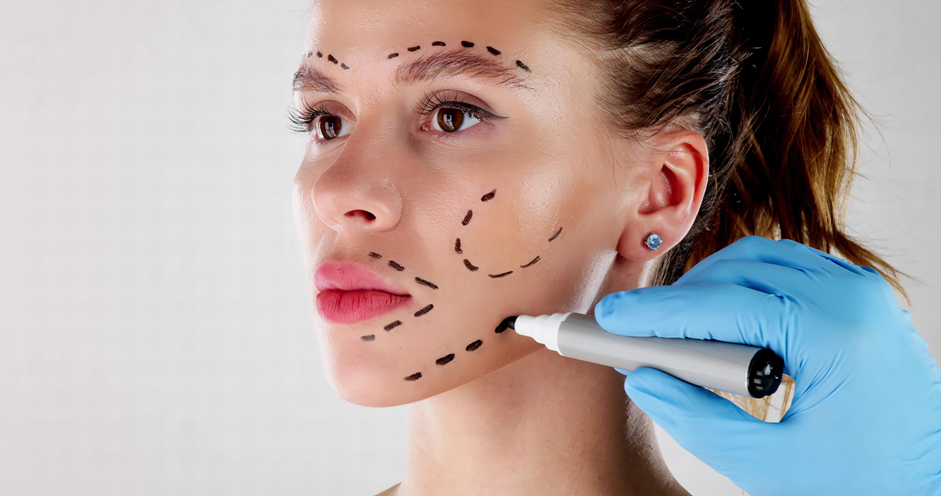
Anatomy-focused training gives practitioners a deeper view of facial structures, including blood vessels, tissue layers, and variation between patients. This knowledge helps injectors make better decisions, adjust technique properly, and treat each patient with more precision. Instead of using general injection patterns, they can tailor treatment to what lies under the skin.
For practitioners who want safe, consistent, high-quality results, strong facial anatomy knowledge is not optional. Essential. It lowers the risk of complications such as vascular occlusion and improves overall treatment outcomes.
What Is Vascular Occlusion And Why It Matters
Vascular occlusion happens when filler is accidentally injected into a blood vessel or compresses it from the outside, which restricts blood flow to surrounding tissue.
If it is not treated quickly, it can lead to:
• tissue ischemia
• skin necrosis
• scarring
• in rare cases, vision complications
These outcomes are rare, but they are serious. They show why proper training matters.
Injectors must know how to perform treatments and how to spot early warning signs and respond well.
Why Facial Anatomy Is Critical In Injectables
Facial anatomy is the base of safe injection practice.
Every injection involves a complex network of:
• arteries and veins
• nerves
• muscles
• fat pads
• connective tissue
Without a clear understanding of these structures, injectors rely on surface-level knowledge instead of real clinical insight.
This is why anatomy-based injection is so important.
Practitioners who invest in anatomy education learn:
• where major blood vessels are located
• which areas are high risk
• how depth of injection affects safety
• how to adjust technique based on patient variation
Many practitioners begin to value this deeper level of education after taking advanced dermal filler training beyond basic injection technique. These courses show how advanced knowledge improves both safety and results.
High Risk Areas Every Injector Should Understand
Certain areas of the face are more prone to complications because they contain critical blood vessels.
These include:
• glabella
• nose
• smile lines
• tear trough
• lips
In these areas, precision matters. Small mistakes in injection depth or placement can raise risk. Anatomy-focused training teaches practitioners how to approach these regions with care and adjust technique as needed.
How Anatomy Training Helps Prevent Vascular Occlusion
Preventing dermal filler vascular occlusion starts with knowing where and how to inject safely.
Anatomy-focused training helps practitioners:
• identify safe injection planes
• recognize changes in vascular anatomy
• control injection depth and angle
• select the right tools, such as a cannula or needle
• understand how product behaves in different tissue layers
This knowledge helps injectors make informed decisions rather than rely on memorized techniques.
The Importance Of Clinical Judgment
Along with technical skill, injectors need strong clinical judgment.
This includes:
• assessing patient anatomy before treatment
• identifying risk factors
• adapting technique to the individual
• knowing when to avoid certain areas
Clinical judgment develops through education, experience, and ongoing training.
Practitioners who keep learning often explore topics such as injection training and patient safety: what clinics should demand. These topics show how advanced dermal filler training supports better patient outcomes.
Recognizing the Signs of Vascular Occlusion
Even with proper training, injectors must be ready to spot complications early.
Signs of vascular occlusion may include:
• blanching of the skin
• sudden pain during injection
• changes in skin color
• delayed capillary refill
Early recognition allows immediate action and can improve outcomes. This is why filler complication management is a critical part of advanced dermal filler training.
Why Hands-On Anatomy Training Matters
Theory is important, but hands-on training is essential for using that knowledge in practice.
Advanced courses often include:
• detailed anatomy education
• live demos
• supervised injections
• complication management scenarios
These experiences help practitioners build confidence and turn knowledge into skill.
A Real Clinical Perspective
A practitioner who had only basic training once treated a patient in a higher-risk area.
Without a strong understanding of anatomy, they felt unsure about how to proceed.
After completing anatomy-focused training, they were better able to assess risk, adjust technique, and treat safely.
This example shows how education directly affects clinical decision-making.

Frequently Asked Questions About Anatomy-Based Injection
What Is Vascular Occlusion?
A blockage of blood flow is caused by filler entering or compressing a blood vessel. This can cut circulation to surrounding tissue and, if not recognized early, may lead to more serious complications. Fast identification and treatment are essential to reduce risk and protect patient outcomes.
How Can Injectors Prevent Vascular Occlusion?
Through anatomy-focused training, proper technique, and careful patient assessment. Understanding vascular pathways, choosing the right injection planes, and adjusting technique based on individual anatomy all help reduce risk. Ongoing education and hands-on training also help practitioners refine their skills.
Why Is Anatomy Important In Injectables?
It helps injectors avoid high-risk areas and perform treatments safely. A strong understanding of facial anatomy helps practitioners identify safe injection zones, control depth and placement, and deliver more precise and predictable results. It also supports better clinical judgment when treating different facial structures.
What Is Anatomy Based Injection?
It is an approach that uses detailed knowledge of anatomy to guide injection technique. Instead of relying on standard patterns, practitioners assess each patient’s unique anatomy and tailor treatment accordingly. This approach improves both safety and aesthetic outcomes while reducing the chance of complications.

Putting Safety First Through Education
Anatomy-focused training is one of the most important investments an injector can make. While many practitioners begin with foundational courses, long-term success and patient safety depend on a deeper level of understanding that goes beyond basic technique. Education helps injectors move from simply performing treatments to practicing with intention, precision, and confidence.
It gives them the knowledge and confidence they need to treat safely while lowering risk. When injectors understand the structures beneath the skin, they are better able to make informed choices at every stage of treatment. This includes selecting the right injection sites, controlling depth and technique, and recognizing when changes are needed based on individual patient anatomy.
By understanding facial anatomy at a deeper level, practitioners can deliver more precise, predictable, and natural-looking results while reducing the chance of complications such as vascular occlusion. Rather than relying on memorized patterns, anatomy-based training encourages critical thinking and a more flexible approach to each patient. That leads to more individual care and better clinical outcomes.
In addition to improving technique, anatomy-focused education strengthens a practitioner’s ability to prevent and manage complications. Knowing how to identify early warning signs and respond well is a critical part of safe practice. This level of preparation protects patients and builds confidence in the injector’s ability to handle complex cases.

All images used under license from Canva. © APT Medical Aesthetics, 2026. All rights reserved.
Ongoing education also plays a key role in maintaining a high standard of care. As aesthetic medicine continues to evolve, practitioners must stay up to date with new techniques, technology, and best practices. Continuous learning helps injectors stay competent, confident, and able to deliver high-quality treatments.
Q&A
Question: Why is anatomy-focused training especially important for practitioners who have already completed basic injector courses?
Short answer: Basic training gives a foundation, but injectables require ongoing clinical growth. Anatomy-focused training helps practitioners move beyond memorized patterns by showing how vascular pathways, tissue layers, depth, and patient variation affect safety. That deeper knowledge supports better decisions, especially in higher-risk areas.
Question: Which facial areas require the most caution when performing filler treatments?
Short answer: The article identifies the glabella, nose, smile lines, tear trough, and lips as higher-risk areas because they contain critical blood vessels. In these regions, even small errors in injection depth or placement can raise complication risk, so detailed anatomy and careful technique are essential.
Question: How does hands-on training improve injector safety compared with theory alone?
Short answer: Theory helps practitioners understand facial structures, but hands-on training teaches them how to apply that knowledge in real clinical settings. Live demos, supervised injections, and complication management scenarios help injectors build confidence, refine technique, and respond more effectively when patient anatomy or treatment conditions vary.
Question: What early signs may indicate a possible vascular occlusion?
Short answer: Possible warning signs include blanching of the skin, sudden pain during injection, changes in skin color, and delayed capillary refill. Recognizing these signs quickly matters because early action can improve outcomes and lower the risk of more serious tissue damage.
Question: How does ongoing education contribute to better patient outcomes in aesthetic medicine?
Short answer: Ongoing education helps injectors stay current with new techniques, safety practices, and clinical standards. As aesthetic medicine evolves, continuous learning strengthens clinical judgment, improves complication prevention and management, and supports more precise, predictable, and natural-looking results.
At APT Injection Training, we emphasize anatomy-based education, filler complication management, and hands-on experience to help ensure that practitioners are fully prepared for clinical practice. We design our programs to bridge the gap between theory and real-world application, giving practitioners the tools they need to practice safely and effectively.
If you want to strengthen your knowledge and improve your injection safety, our team would be happy to guide you toward the right training program. Whether you are building your foundation or advancing your expertise, we are here to support your growth every step of the way.
📞 (289) 271-5718
✉️ info@aptinjectiontraining.com
🌐 aptinjectiontraining.com
All images used under license from Canva. © APT Medical Aesthetics, 2026. All rights reserved.
Tips to be a
Successful Injector!
Free E-Book download