Student Log in
 1267 Cornwall Rd, Unit 300, Oakville, Ontario L6J 7T5


 (289) 271-5718
blog
Complication Prevention and Management Basics for Trainees

Nov 20 2026
Reading Time: 5 Minutes
This article is for training only. It is not medical advice for patients. It does not give a treatment plan. It does not replace program-based training, supervised practice, emergency planning, or advice from a regulator or professional college. Learners should check scope and local rules before they use any idea in practice.
Prevention starts before the needle
Most complications are easier to prevent than to fix. A trainee should treat prevention as part of the treatment, not as a separate topic. A careful history, a clear plan, and a calm pace protect the patient and the learner.
A thorough history should ask about previous treatments, known reactions, and any health issue that affects healing. It should also ask about medicines, supplements, and recent procedures. A trainee should ask about goals and expectations in plain language. A patient who understands what a treatment can and cannot do is less likely to ask for a result the treatment cannot give.
- Take a careful history.
- Ask about past treatments and reactions.
- Review relevant medicines and health issues.
- Discuss goals in plain language.
If any detail is unclear, pause and ask. Do not guess.
A plan should be simple. It should name the area, the product, the depth, and the reason for the choice. It should also name what will not be treated and why. A plan that is written down is easier to follow and easier to review.
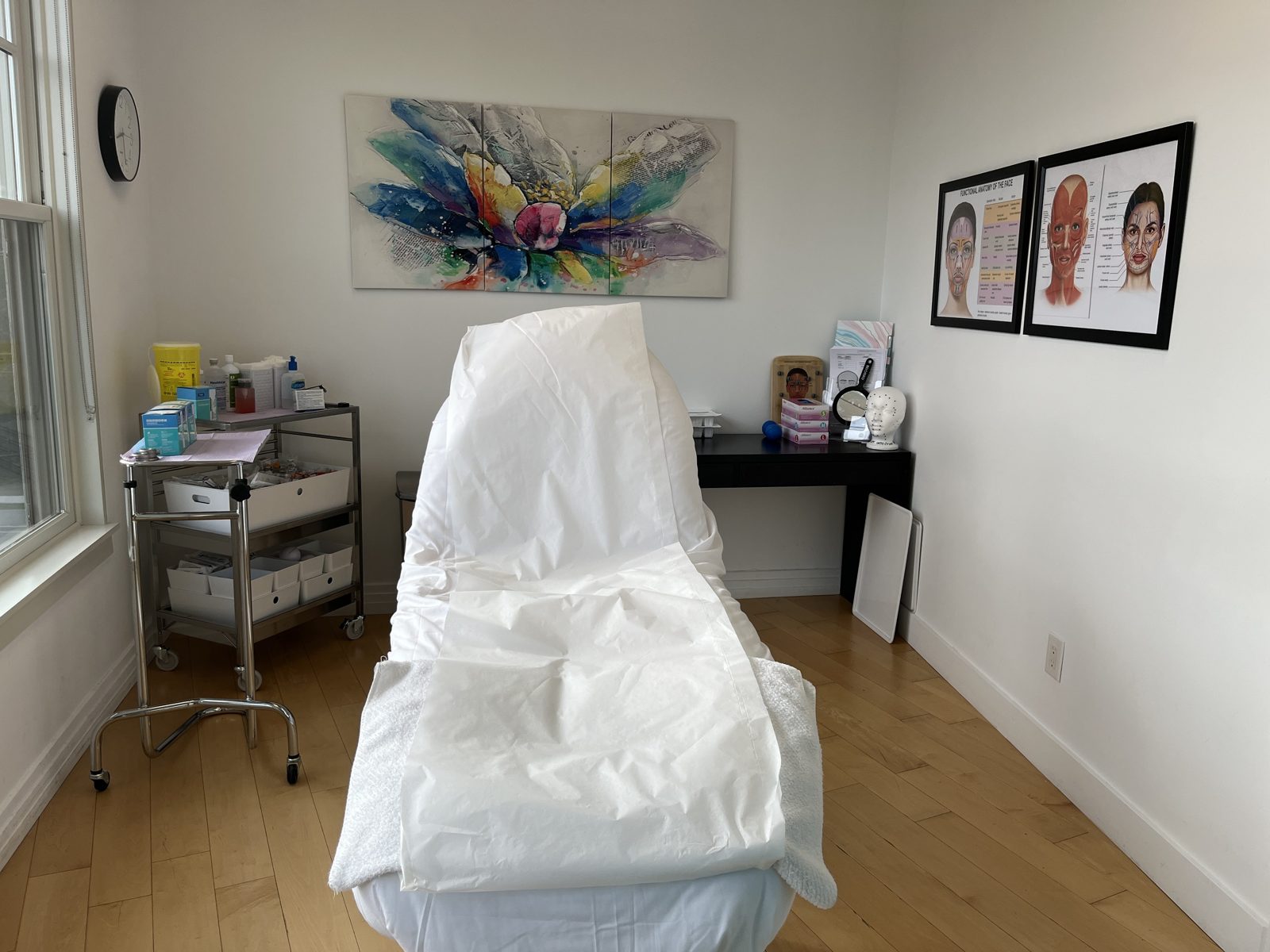
The room should be set before the patient arrives. The trainee should check that the supplies are ready, the space is clean, and the emergency plan is known. A trainee should also know who to call for help and where the relevant supplies are kept.
Know the warning signs trainees must not ignore
A trainee should learn the warning signs that need urgent attention. The signs below are general. They do not replace training or supervision.
Watch for:
- Pain that is out of proportion to the treatment.
- Sudden paleness or blotchy skin change.
- Swelling that grows quickly.
- Numbness.
- Weakness.
- Changes in vision or speech.
These signs do not prove a diagnosis. They show that the trainee must stop and seek help at once. A trainee should not wait to see whether the sign passes.
Other signs need the same care:
- Redness, warmth, and swelling that get worse over time.
- A lump, unevenness, or change in movement after treatment.
- Fever.
- Discharge.
- Breathing trouble.
- Widespread swelling.
- Feeling faint.
The habit is simple: notice, record, and escalate. A trainee who acts early protects the patient and learns faster than a trainee who waits.
Allergic reactions need the same urgency. A trainee should know the general signs of anaphylaxis, including breathing trouble, widespread swelling, and feeling faint, and should know that emergency help must be sought at once in that situation. A separate, detailed program module may cover that emergency, and this article does not replace it.
Vascular occlusion: a serious complication to understand in general terms
Vascular occlusion occurs when a product blocks a blood vessel and the tissue it supplies does not receive blood. It can cause skin change, pain, and tissue injury. A trainee must understand that it is a time-sensitive emergency, not a minor side effect.
The general signs include pain that is out of proportion, sudden paleness or blotchy skin change, and swelling that grows quickly. A trainee who sees those signs should stop and seek help at once. This article does not give a treatment protocol for vascular occlusion.
Prevention reduces the chance of vascular occlusion. A trainee should study the vessels in the area, use a careful technique, and move slowly. A trainee should also know when an area is high risk and when to seek supervision.
Other complications trainees should recognize in general terms
Other complications include infection, delayed nodules, asymmetry, and changes in movement. Each has its own signs. A trainee should learn the general signs for each and should know when to seek help.
Infection may show as redness, warmth, swelling, and pain that get worse over time. A trainee should also watch for fever and discharge. Any of those signs should be recorded and escalated.
Delayed nodules may appear weeks after treatment. They can feel like a lump or cause unevenness. A trainee should record the timing, the area, and the change, and should seek advice.
Asymmetry and changes in movement may appear after treatment. A trainee should note the change, compare it with the plan, and seek advice. A small change can be an early sign of a larger issue.
What to do when something looks wrong
When a trainee suspects a complication, the first steps are to stop, stay calm, and assess.
- Do not keep treating the same area.
- Observe the person carefully.
- Ask clear questions.
- Note the time and the signs seen.
- Keep the person informed in plain language.
Do not guess at a diagnosis.
A trainee should also know the limits of their role. A trainee should seek help from a supervisor or a qualified clinician. A trainee should not give advice beyond their training.
After the immediate steps, a trainee should record what happened and what was done. That record is part of the care, not an extra task.
Documentation and follow-up habits
Good records protect the patient and the learner. A record should note the history, the plan, the product, the area, and the outcome. It should also note any sign that was seen and any advice that was given.
A trainee should write the record soon after the treatment, while the details are fresh. A record written days later is less reliable. A record that is clear and honest is easier to review.
Follow-up matters too. A trainee should know when to check on the patient and what to ask. A patient who knows what to watch for is more likely to report a problem early.
Building a personal safety checklist
A safety checklist helps a trainee stay consistent. It can be short. The point is to use it every time, not only when something feels wrong.
Before treatment, the checklist should cover:
- A careful history.
- An anatomy review.
- The agreed plan.
- Consent.
- Emergency readiness.
During treatment, it should cover:
- Observation.
- Communication.
- A willingness to stop.
After treatment, it should cover:
- Records.
- Instructions.
- Follow-up.
A checklist does not replace judgement. It supports it. A trainee who uses a checklist is less likely to miss a step under pressure.
Questions and answers
Does hyaluronidase reverse every injectable complication?
No. Hyaluronidase is the generic name for an enzyme that can break down HA filler. It is one option for some situations, not a fix for every complication. A trainee must know when it does not apply and must seek help in those cases.
Can good technique remove all risk?
No. Good technique reduces risk, but it does not remove it. A trainee should combine careful technique with good assessment, clear records, and a plan for when to seek help.
What should a trainee do first if they suspect a complication?
Stop, stay calm, and assess. Observe the person carefully, note the time and the signs seen, and seek help at once. Do not keep treating the same area and do not guess at a diagnosis.
Complication prevention is a professional habit, not a single skill. A trainee who builds the habit early will assess better, plan more carefully, and act faster when something looks wrong. That habit protects the patient and the learner.
This article is for training only. It is not medical advice for patients, and it does not replace program-based details from a provider, a regulator, or a college. Program-specific prices, schedules, prerequisites, scope, and approval details must be checked with the provider and the relevant regulator before any decision is made.
Tips to be a
Successful Injector!
Free E-Book download