Student Log in
 1267 Cornwall Rd, Unit 300, Oakville, Ontario L6J 7T5


 (289) 271-5718
blog
Choosing Your First Injectables Course: What New Injectors Should Compare Before They Enroll

Nov 20 2026
Reading Time: 4 Minutes
Choosing a first injectables course is a training choice, not a shopping choice. A course decides what a learner practises, what a learner is supervised on, and what a learner is not yet ready to do. A glossy brochure cannot answer those points. A curriculum can. Before enrolling, a learner should compare what is taught, how it is taught, and how safety is handled. A lower price, a shorter day, or a nicer room does not make a weaker course a good first step.

Start with scope, not a sales page
A first injectables course should match the learner’s licence and scope. A registered nurse, a physician, and a dentist do not share the same scope, and a course that treats them as one group should be read with care. A learner should ask what the course is designed to prepare them for, and whether that answer matches the work they will actually do. A course that promises everything to everyone is promising too much.
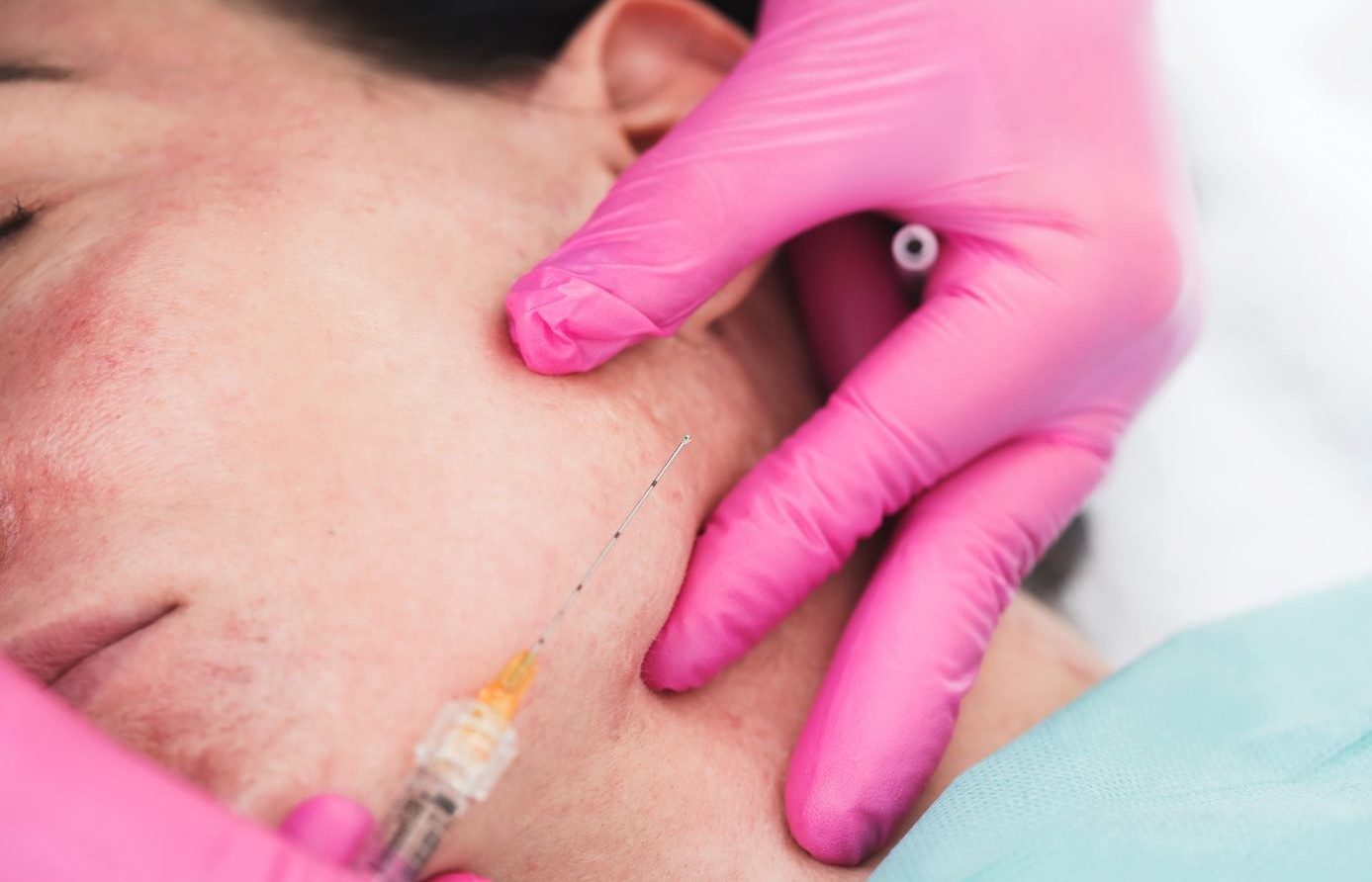
A learner should also check how much of the course is supervised practice. Watching a demonstration is not the same as injecting with guidance. A first course should name the number of supervised practice sessions, the ratio of learners to instructors, and how feedback is given. If those details are missing from the course description, a learner should ask for them before enrolling.
What a strong first curriculum should include
A first curriculum should cover facial anatomy, product knowledge, patient assessment, injection technique, and complication recognition. Anatomy is the base. A learner who cannot name the structures under the skin cannot judge where a product should go, or what to avoid. Product knowledge should cover how each product behaves, how it is stored, and how it is documented. Technique should be taught as a sequence, not as a single tip.
Patient assessment deserves the same weight as technique. A learner should be taught how to take a history, how to set expectations, and how to say no when a treatment is not suitable. A course that skips assessment is teaching the hands without teaching the judgement. That is a poor first step.
Complication recognition is not an extra. A first course should teach the signs of a problem, the first steps to take, and when to seek help. A learner should leave a first course able to recognise a complication, not only able to perform an injection. If a curriculum does not mention complications, that is a gap, not a detail.
Compare formats and support, not just the timetable
Format matters. A course with small groups gives more supervised practice than a large lecture. A course that spreads learning across days gives more time to absorb it than a single rushed session. A learner should compare the number of supervised hours, the number of models, and the size of each group. A timetable alone does not show what a learner will actually do.
Support after the course also matters. A learner should ask whether questions are answered after the course ends, whether further practice is available, and whether there is a way to review material. A first course is a starting point, not a finish line. A provider that stays reachable after the course is worth more than a provider that disappears once payment is taken.
This article is for training only. It is not medical advice for patients, and it does not replace professional guidance. A learner should follow the rules that apply to their own licence and scope, and should seek advice from a qualified professional when unsure.
A short checklist to use before you enroll
Before enrolling, a learner should check the curriculum, the supervised practice, the instructor ratio, and the complication content. A learner should ask who teaches the course, how many learners are in each group, and what support follows the course. A learner should also check whether the course matches their licence and scope, and whether the provider is clear about what the course does not cover.
A learner who checks these points will not need to rely on a sales page. A learner who skips them is choosing on price and pictures alone. A first course should be chosen on what it teaches, how it is supervised, and how it handles safety. Those are the points that matter most.
Questions and answers
What should I check first when choosing a first injectables course?
A learner should check the curriculum first, then the supervised practice, then the instructor ratio, then the complication content. A course that is clear on those points is easier to compare than a course that only lists a price and a date.
Does one first course make a learner ready for every injectable?
No. A first course builds a foundation. A learner should expect to keep learning, to practise under supervision, and to add skills in stages. A course that claims to make a learner ready for everything is not a realistic first step.
How should I compare injectables courses in Canada?
A learner should compare the curriculum, the supervised practice, the instructor ratio, the complication content, and the support after the course. A learner should also check that the course matches their licence and scope. A comparison on those points is more useful than a comparison on price alone.
Choosing well takes time, but it is time well spent. A first injectables course sets the habits a learner will carry into practice. A learner who compares carefully will choose a course that teaches the base, supervises the practice, and takes safety seriously.
Tips to be a
Successful Injector!
Free E-Book download