Student Log in
 1267 Cornwall Rd, Unit 300, Oakville, Ontario L6J 7T5

 (289) 271-5718
blog
From Bad Botox to Better Outcomes – How Advanced Training Can Save Your Reputation

Jul 18 2025
Reading Time: 7 Minutes
Author:
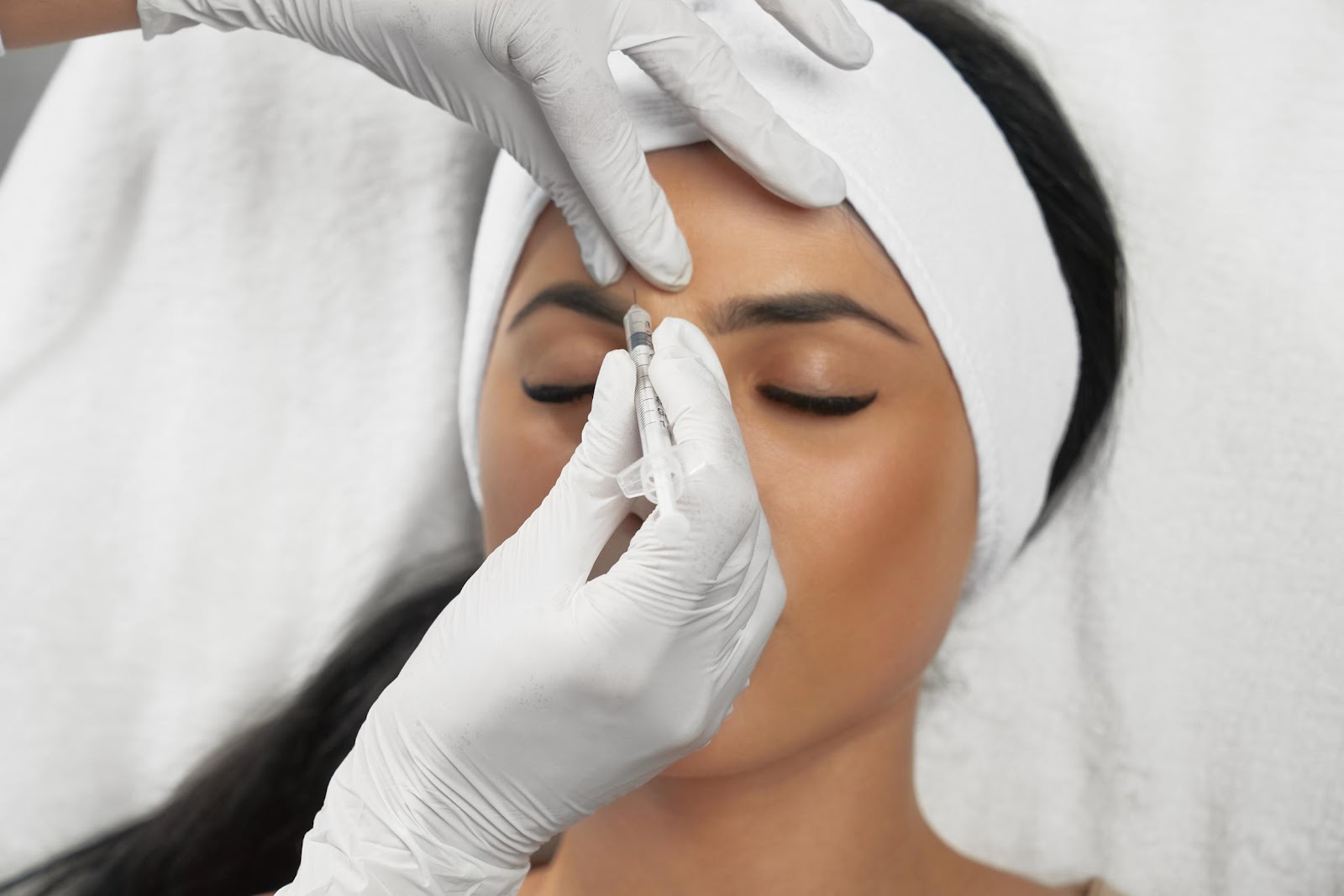
It often begins with a quiet concern—“My forehead feels too tight,” or “My brows don’t look right.” Then the questions start. “Is this normal?” “Can it be fixed?” What seemed like a routine appointment has now become a potential turning point in your patient relationship. And in today’s hyper-connected world, that concern can quickly escalate into a negative online review, a disappointed patient sharing their story on social media, or a reputation that begins to unravel.
The truth is, even a single experience with bad Botox can have lasting effects—not just for your patient, but for your career. Whether it’s forehead Botox gone wrong, noticeable asymmetry, or an unexpected Botox eyelid droop, aesthetic complications can undermine trust and shake the confidence of both the injector and the client. And for healthcare professionals new to medical aesthetics—or working without comprehensive mentorship—these scenarios are more common than you might think.
But here’s the good news – you’re not stuck. One imperfect outcome doesn’t have to define your practice. In fact, it can become the catalyst that transforms it.
All images used under license from Canva. © APT Medical Aesthetics, 2025. All rights reserved.
When you invest in advanced training, you don’t just learn new injection techniques—you gain a deeper understanding of facial anatomy, patient communication, complication prevention, and correction strategies. You also build clinical judgment, which allows you to recognize subtle red flags before they become major setbacks.
Whether you’re a regulated healthcare professional in Ontario looking to refine your existing skills, or someone who completed a basic course that left you with more questions than answers, this blog is for you. We’ll guide you through how proper mentorship and evidence-informed education at APT Injection Training can help you shift from reaction mode to proactive excellence—elevating your outcomes, strengthening your confidence, and restoring your professional credibility.
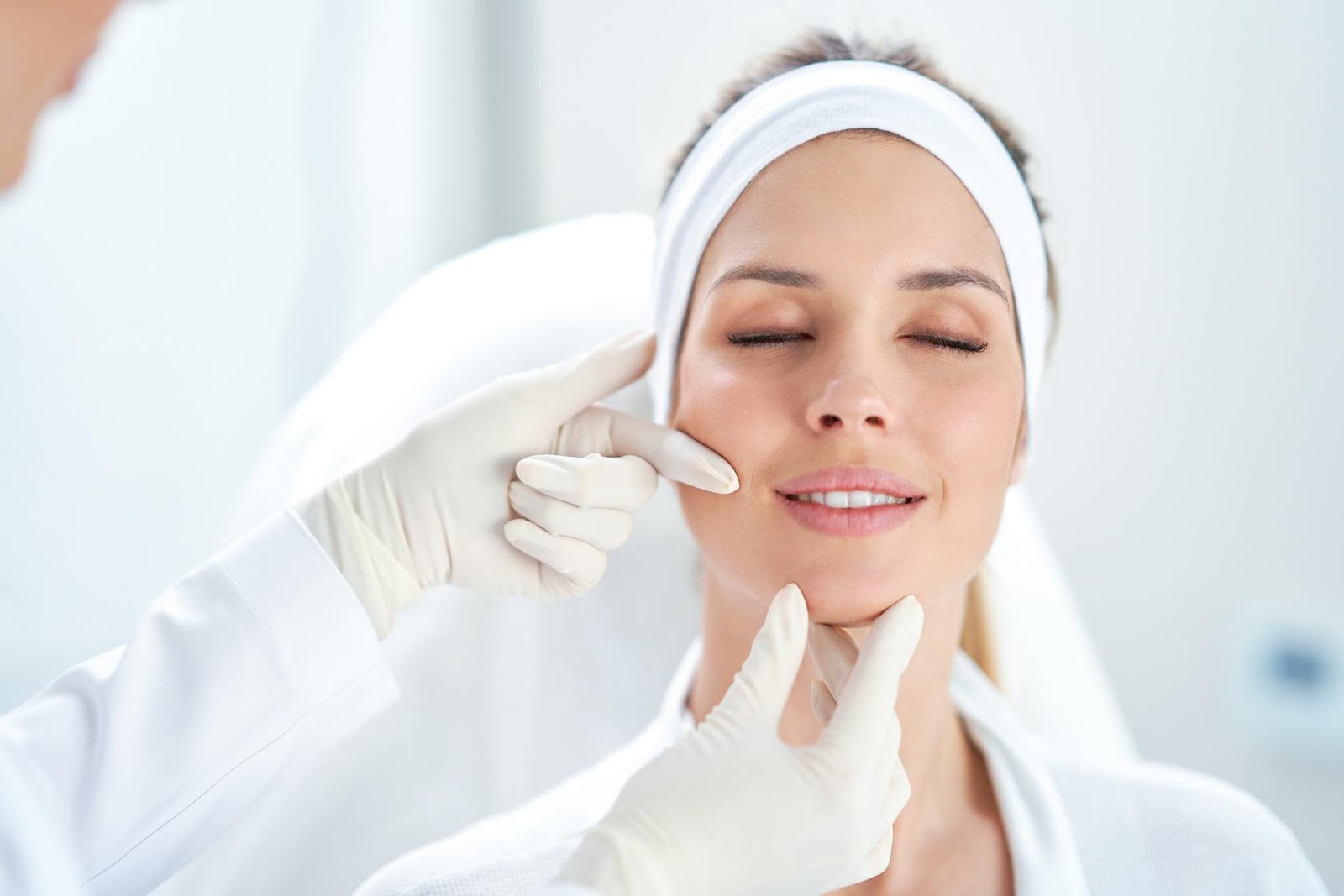
All images used under license from Canva. © APT Medical Aesthetics, 2025. All rights reserved.
When Things Go Wrong – A Real Story From the Treatment Chair
A few months ago, one of our advanced trainees at APT Injection Training, a nurse named Sarah, came to us with a common concern—she had treated a patient’s forehead using a standard injection pattern learned in a different course. Two weeks later, the patient returned complaining of a heavy brow and tired eyes. Sarah recognized the signs of brow ptosis immediately.
“I followed the map exactly,” she told us. “But I didn’t realize the patient had a short forehead and weak frontalis activity. The standard approach just didn’t work for her anatomy.”
While participating in APT’s neuromodulator training, Sarah learned how to assess forehead length, evaluate muscle compensation, and adjust her injection depth and placement accordingly. She revisited the patient, explained what had happened, and used a conservative lateral correction to improve the balance.
That one experience changed how Sarah approached every patient. More importantly, it rebuilt her reputation—and her confidence.
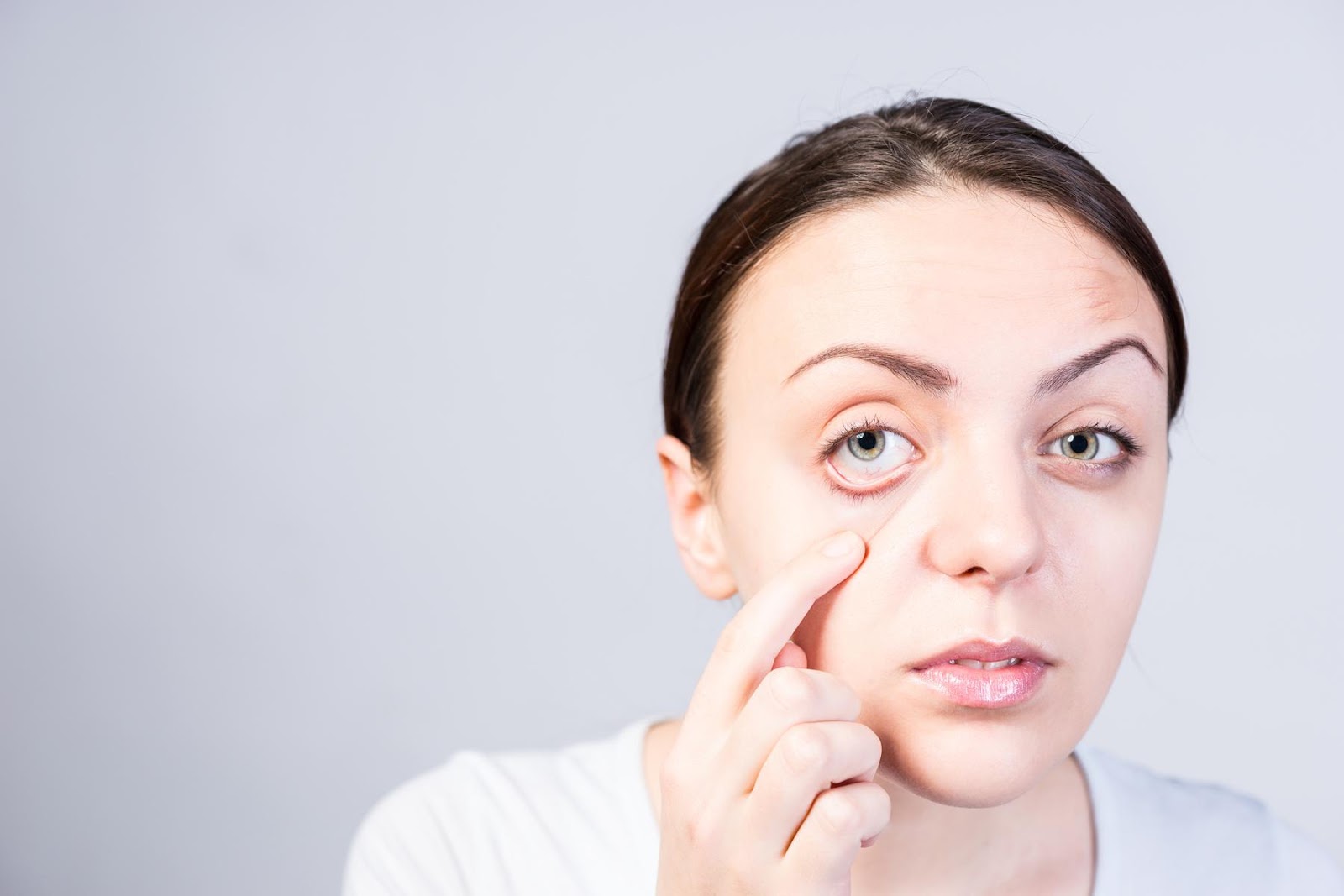
All images used under license from Canva. © APT Medical Aesthetics, 2025. All rights reserved.
Understanding the Causes of Bad Botox – What Every Injector Must Know
When something goes wrong with a Botox treatment—whether it’s asymmetry, a frozen forehead, or Botox eyelid droop—the issue is rarely about the product itself. Most adverse outcomes can be traced back to something far more preventable – an incomplete patient assessment, poor technique, or a gap in clinical judgment. These are not isolated errors—they’re warning signs of inadequate training or rushed protocols.
To deliver consistent, high-quality outcomes and build a reputation as a trusted injector, it’s essential to understand the most common pitfalls that lead to bad Botox. Below are the core contributors we see time and again among injectors seeking to improve or recover from previous mistakes.
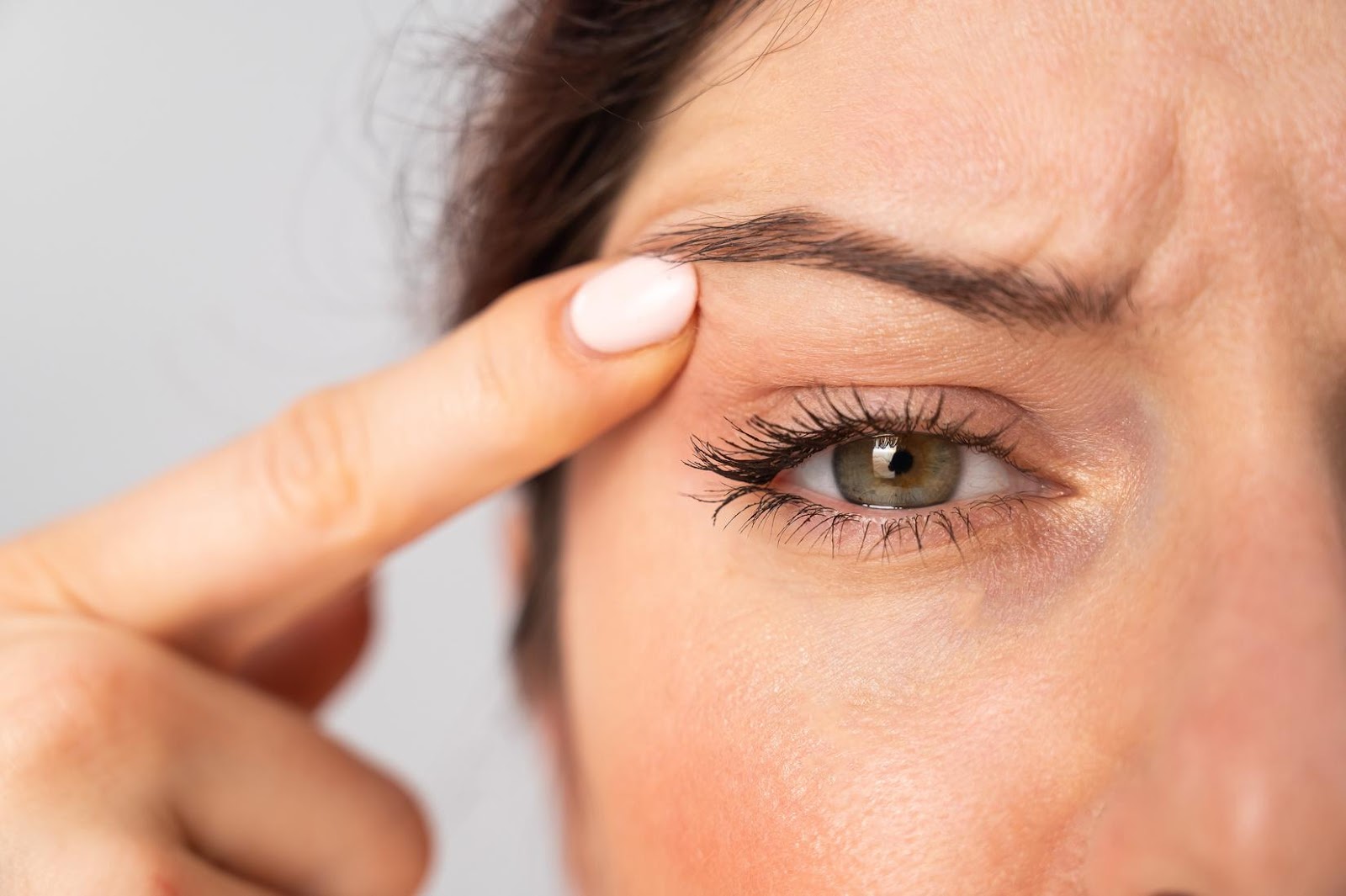
All images used under license from Canva. © APT Medical Aesthetics, 2025. All rights reserved.
1. Relying on cookie-cutter injection patterns
Every face is unique—different muscle strength, bone structure, forehead length, and skin elasticity. Yet many injectors apply the same injection pattern to every patient, assuming a universal formula will yield consistent results. This is one of the fastest ways to create visible issues like brow heaviness, asymmetry, or underwhelming effects. Personalized treatment planning based on detailed anatomical assessment is critical. Without it, even well-intentioned injections can lead to disappointing outcomes.
2. Lack of understanding of facial dynamics
Anatomy is not static—it moves, compensates, and interacts. Injectors who only memorize where the muscles are miss the bigger picture – how those muscles behave in motion and how one area of relaxation can affect another. For example, over-treating the frontalis without addressing the depressor muscles can shift the balance of muscle movement, resulting in a heavy or unnatural expression. A true understanding of facial dynamics allows injectors to plan treatments that preserve function and aesthetics.
3. Poor depth and dosage control
Precision matters. Injecting too superficially can create lumps or poor uptake; injecting too deep can lead to unintended muscle paralysis or diffusion into adjacent areas. Incorrect dosing—whether too much or too little—also affects outcomes, particularly in sensitive areas like the glabella and periorbital region. Mistakes in depth and dosage are major contributors to forehead Botox gone wrong and can easily result in Botox eyelid droop if the product migrates into the levator palpebrae superioris.
4. Inadequate patient communication
A technically sound treatment can still feel like a failure if the patient wasn’t educated on what to expect. Many injectors don’t take the time to explain the treatment process, realistic timelines, or possible side effects. This leaves patients vulnerable to confusion or disappointment, especially if they experience temporary side effects like asymmetry, swelling, or delayed onset of results. Clear, confident communication is essential to setting expectations and preventing complaints.
5. Limited mentorship or training support
One of the most overlooked contributors to poor outcomes is the lack of advanced training and mentorship. Many injectors complete basic certification programs that teach the how, but not the why. Without clinical context, real-world case discussions, and opportunities to observe or practice under supervision, new injectors are left to figure things out on their own. This trial-and-error approach can not only harm patient outcomes but also jeopardize an injector’s professional reputation.
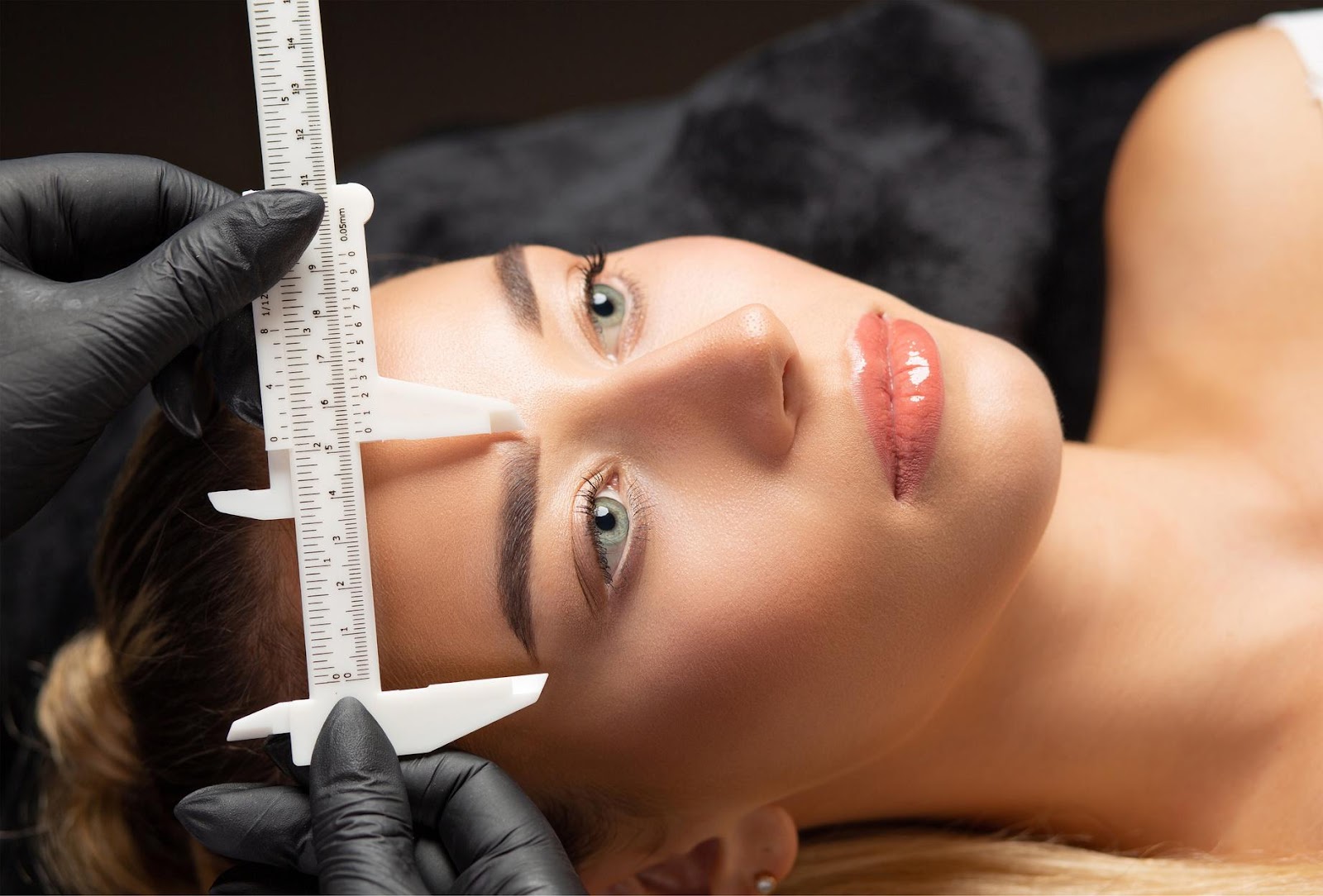
All images used under license from Canva. © APT Medical Aesthetics, 2025. All rights reserved.
Avoiding these pitfalls doesn’t require perfection—it requires preparation. With the right education, hands-on mentorship, and evidence-informed training, injectors can dramatically reduce the risk of complications and consistently deliver results that satisfy both patient and practitioner.
APT Training for Botox and Fillers – Why It’s Worth the Investment
Investing in advanced training isn’t just about mastering new techniques—it’s about refining your judgment, building patient trust, and protecting your license. At APT Injection Training, our courses offer the following.
- Comprehensive facial anatomy review – Go beyond surface-level diagrams and into real, functional anatomy
- Patient-specific planning – Learn how to assess facial structure, muscle strength, and skin dynamics
- Complication management – Gain the skills to identify, prevent, and correct issues like brow ptosis or asymmetry
- Live model training with expert feedback – Apply your knowledge in a safe, supported environment
- Mentorship from top Canadian injectors – Learn from industry leaders with over 20 years of experience in aesthetic medicine
When you upskill through APT, you gain more than technical know-how—you gain a clinical mindset rooted in safety, ethics, and aesthetic artistry.
All images used under license from Canva. © APT Medical Aesthetics, 2025. All rights reserved.
FAQs – Correcting Botox Mistakes and Improving Clinical Outcomes
Q – Can forehead Botox gone wrong be corrected?
A – In many cases, yes. Minor issues like brow asymmetry or Spock brows can often be improved with small touch-ups or additional lateral units. In more serious cases, time and conservative re-treatment are your best tools.
Q – How do I explain a bad Botox result to a patient?
A – Be honest and transparent. Explain the muscle dynamics involved, validate their concerns, and present a plan for correction or monitoring. Most patients appreciate a professional, knowledgeable response—even if things didn’t go perfectly.
Q – How do I avoid eyelid droop with Botox?
A – Avoid injecting too low on the forehead or too close to the orbital rim. Always evaluate forehead height and frontalis dominance before planning injections. These techniques are covered in-depth in APT’s training courses.
Q – Can taking more training really fix my technique?
A – Absolutely. Many injectors complete beginner courses without fully grasping assessment skills or complication protocols. Advanced training fills those gaps and helps you elevate both results and confidence.
Ask Yourself This – Are You Guessing or Injecting With Purpose?
When you treat a new patient, do you base your technique on their unique facial structure, or are you following a pattern you memorized in a basic course?
Do you feel confident answering questions about side effects, or do you find yourself avoiding complications because you’re unsure how to manage them?
If you’ve ever second-guessed your injection plan, worried about a patient complaint, or wondered if your technique could be better—it’s time to make the leap toward advanced injector training.
All images used under license from Canva. © APT Medical Aesthetics, 2025. All rights reserved.
Advanced Botox Training in the GTA – Why APT Is the Top Choice for Injectors
APT Injection Training isn’t just a training facility—we’re a trusted partner for hundreds of regulated healthcare professionals across the GTA and beyond who are building lasting, ethical, and successful careers in aesthetic medicine.
What makes us different?
- 2:1 trainee-to-trainer ratio – Get personalized feedback and direct guidance in every session
- Live model treatments – Practice real techniques on real people with expert supervision
- Expert faculty – Learn from nurse injectors, physicians, and clinical leaders who have trained thousands
- Ongoing mentorship – Stay supported even after training ends
- State-of-the-art training facility in Oakville – Train in a modern, professional setting designed for aesthetic education
Whether you’re correcting past mistakes or striving to become the go-to injector in your clinic, we’re here to help you reach your goals.
Ready to Leave Bad Botox Behind?
If you’ve ever faced a complication, felt unsure about your technique, or wanted to become the kind of injector patients refer to their friends, now is the time to invest in your future.
Join APT Injection Training and become the injector known not just for beautiful results—but for safe, ethical, and confident practice.
(289) 271-5718
✉️ info@aptinjectiontraining.com
aptinjectiontraining.com
Tips to be a
Successful Injector!
Free E-Book download