Student Log in
 1267 Cornwall Rd, Unit 300, Oakville, Ontario L6J 7T5

 (289) 271-5718
blog
Injectables Training Canada: Red Flags to Avoid
Oct 08 2026
Reading Time: 7 Minutes
Author:
Injectables Training Canada: Red Flags to Avoid
blog
Jun 23 2026 · Reading Time: 7 Minutes
The aesthetics industry in Canada is growing fast.
You will see ads that promise quick certificates, luxury injector lifestyles, six-figure incomes, and weekend makeovers.
If you are an aesthetic nurse or another regulated health professional, choosing the right cosmetic nursing courses in Canada can feel hard. Some programs are strong. Others sell speed over skill. Knowing the warning signs can protect your time, money, and patients.
At APT Injection Training, we believe healthcare professionals deserve honest guidance when they compare injectables training Canada options.
The fast-track problem
One of the biggest problems in injectables education across Canada is simple marketing. Some ads make aesthetic medicine look easy. They offer a few online modules, a quick certificate, a polished Instagram page, and a promise that you are ready.
But real injectable work is much more complex.
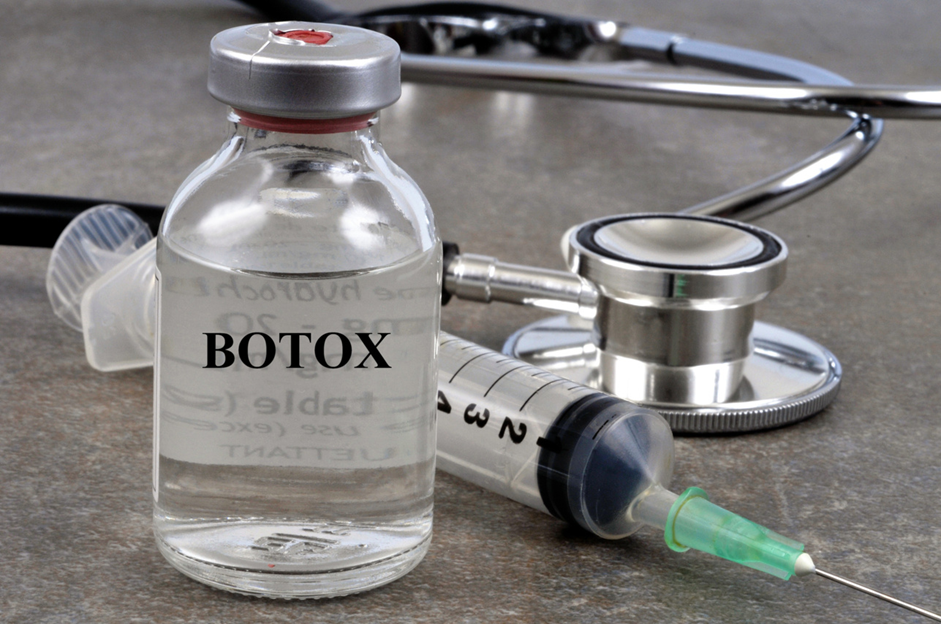
Injectables involve facial anatomy, blood vessels, complication care, patient checks, treatment planning, product flow, consultation skills, infection control, and emergency readiness.
When healthcare professionals misjudge injectable treatments, patient safety can suffer. Aesthetic medicine is not only about placing filler or neurotoxin. It takes clear thinking, precision, and strong clinical judgment. That is why high-quality aesthetic courses matter so much.
All images used under license from Canva. © APT Medical Aesthetics, 2026. All rights reserved.
A story that happens often
A nurse enrolls in injectables training in Canada after seeing an ad on social media. The ad guarantees quick certification and business success. The class is full. Live practice is limited. Most of the course is watching demos from far away. The instructors are trying to manage too many students, so they rush the questions.
The nurse leaves with a certificate, but feels nervous when treating real patients alone.
Then the gaps become clear.
How should we check for asymmetry? What if a patient bruises badly? How do you spot vascular compromise? How much product is right? How should we record complications?
The injector soon sees that they need more supervised education. Sadly, this is common. Healthcare professionals should never choose cosmetic nursing courses based only on price, ease, or social media style.
All images used under license from Canva. © APT Medical Aesthetics, 2026. All rights reserved.
Red flags to watch for
Not every training program offers the same quality or clinical exposure. When comparing Botox and filler training Canada options, watch for these red flags:
- Large class sizes with little feedback
- Too few live model cases
- Little focus on complication management
- Weak mentorship after class
- Marketing that looks better than the curriculum
- No real safety culture
Hands-on injector education needs personal feedback. If an instructor has many students, you might receive less supervision, fewer opportunities to participate, and less correction.
Smaller trainee-to-trainer ratios often give better coaching, more hands-on experience, better anatomy guidance, more discussion, and safer learning.
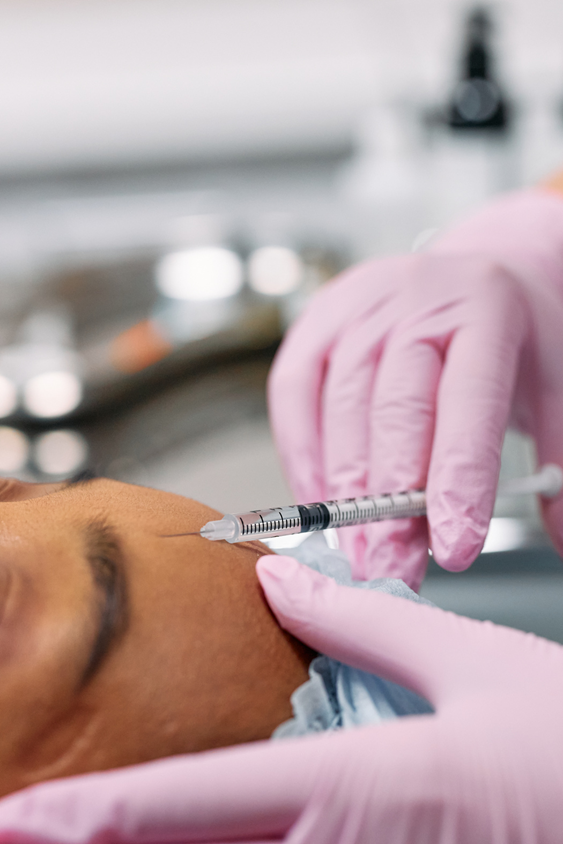
Watching injections is not the same as doing them. Live model work helps students build technique, communication, anatomy checks, and confidence.
No focus on complication management
This is one of the biggest red flags in injectables education across Canada. Any good program should cover vascular occlusion, or blood vessel blockage, emergency readiness, filler dissolution, infection prevention, warnings, bruising, and adverse event recognition.
If a course only teaches good results and skips complications, that is a concern.
Be careful with programs that focus more on luxury lifestyle marketing than on education quality. Aesthetic medicine can be a rewarding career, but long-term success takes skill, clinical experience, ongoing mentorship, patient trust, and continuing education. No weekend course can promise instant success.
All images used under license from Canva. © APT Medical Aesthetics, 2026. All rights reserved.
Lack of ongoing mentorship
Many injectors need support after beginner training. A strong program should offer guidance after certification whenever possible.
New injectors often have questions about treatment planning, product choice, difficult consultations, complication concerns, business growth, and patient retention. Mentorship can improve confidence and decision-making early in practice.
Why hands-on experience matters
One of the biggest mistakes healthcare professionals make when choosing injector training is overlooking practical experience. Theory matters. But injectables are hands-on procedures that need repetition, accuracy, and muscle memory.
Live model exposure is valuable because every patient is different. Anatomy, tissue quality, asymmetry, movement, and goals all vary. The more supervised practice injectors get, the more comfortable and flexible they often become later.
At APT Injection Training, hands-on education is a priority because confidence grows through supervised experience, not passive watching alone.

All images used under license from Canva. © APT Medical Aesthetics, 2026. All rights reserved.
More than certification
Many healthcare professionals start by looking for aesthetic courses just to get certified. But there is no official certification in Canada for injectors. Since certification is often a marketing word and not a true standard, it is important to think beyond the pitch. The real goal is to become a safe, ethical, competent injector who can give thoughtful patient care.
A good injectables education program in Canada should teach students clinical reasoning, anatomy, consultation, complications, ethics, and assessment.
If a complication happened tomorrow, would your current training help you respond calmly and safely? That is one of the most important questions to ask before signing up for any cosmetic nursing courses.
Learn from experienced educators
One often missed factor when choosing injectables training Canada programs is educator experience. Strong educators usually bring years of clinical injecting, real complication management, anatomy knowledge, patient communication skill, practical troubleshooting, and long-term industry insight.
Experienced educators teach more than textbook facts. They teach clinical judgment. That can make a huge difference in how an aesthetic nurse approaches patient care over time.

All images used under license from Canva. © APT Medical Aesthetics, 2026. All rights reserved.
Social media is not enough
Social media can help when you explore aesthetic courses, but it should never be the only factor. Beautiful before-and-after photos do not always mean strong education.
Research the curriculum, hands-on hours, instructor credentials, student support, model access, complication management training, clinical mentorship, and trainee-to-trainer ratios.
A program that looks polished online may not offer a strong base behind the scenes.
Why continuing education matters
One beginner course will never cover everything in aesthetics. The field changes all the time. New products appear. Injection techniques change. Anatomy research grows. Patient expectations shift.
Strong injectors keep investing in education throughout their careers. That may include advanced filler courses, cannula training, restorative aesthetics education, anatomy workshops, complication management training, cadaver labs, business education, and laser certifications.
The injectors who keep growing are usually the ones who stay curious and keep learning.
Why ethical education matters more than ever
The aesthetics industry has become highly competitive across the GTA and across Canada. Sadly, this can lead some programs to put speed and profit ahead of proper injector development.
Ethical education means preparing students honestly for real practice. That includes discussing complications, difficult consultations, patient upset, emotional pressure, anatomy risks, and long-term skill development.
We should never treat aesthetic medicine casually. Patients place a great deal of trust in injectors every day. Training quality directly affects patient safety and results.
Why APT Injection Training focuses on real readiness
At APT Injection Training, our programs are built to help regulated healthcare professionals develop real confidence through immersive, hands-on education. We believe injectors deserve more than rushed certifications.
Our courses emphasize:
- Hands-on live model training
- Small 2-to-1 trainee-to-trainer ratios
- Extensive anatomy education
- Complication management training
- Real-time instructor feedback
- Clinical reasoning and patient assessment
- Modern training facilities in Oakville
Whether you are exploring aesthetic medicine for the first time or building your injectable skill set, the right educational environment can shape your confidence, competence, and patient outcomes.
Because in aesthetic medicine, your training base matters more than any social media trend.
FAQ about choosing injector training in Canada
What should I look for in injectables training Canada programs?
Look for live model training, anatomy education, complication management, supervised injecting, mentorship, and small trainee-to-trainer ratios.
Why is hands-on experience important in aesthetic courses?
Hands-on experience helps students build injection technique, patient communication, anatomy assessment, and confidence through supervised repetition.
Are online-only cosmetic nursing courses enough?
Studying online teaches theory, but injectors also need supervised practical training with live models for safe skill-building.
What are some major red flags?
Oversized classes, minimal practical experience, inadequate complication management education, exaggerated marketing claims, and limited mentorship support.
How do I know if an injectables education Canada program is reputable?
Research instructor experience, curriculum structure, student reviews, hands-on opportunities, complication management training, and whether the program puts patient safety and mentorship first.
Ready to explore injectables training Canada healthcare professionals trust for hands-on education and clinical mentorship?
Connect with APT Injection Training today to learn more about our beginner and advanced aesthetic courses for regulated healthcare professionals across Oakville and the GTA.
📞 (289) 271-5718
✉️ info@aptinjectiontraining.com
Q&A
Question: Why should regulated healthcare professionals be cautious about fast-track injector courses?
Short answer: Fast-track courses can make aesthetic medicine seem simple, but injectables require strong anatomy knowledge, clinical judgment, complication readiness, patient assessment skills, and supervised practice. A quick certificate without enough hands-on training may leave new injectors unprepared to treat patients safely.
Question: What makes small trainee-to-trainer ratios valuable in injectables education?
Short answer: Smaller ratios allow instructors to give more direct feedback, supervise technique more closely, answer questions in detail, and correct mistakes during live practice. This can help students build safer habits and greater confidence before treating patients alone.
Question: Why is complication management such an important part of injector training?
Short answer: Complications such as bruising, infection concerns, blood vessel blockage, and adverse reactions can happen in real practice. A strong program should prepare students to spot warning signs, respond well, document concerns, and put patient safety first instead of only focusing on ideal outcomes.
Question: How should someone evaluate a program beyond its social media presence?
Short answer: Look past polished photos and marketing claims by reviewing the curriculum, instructor experience, hands-on model access, mentorship options, anatomy education, complication management content, and student support. A reputable program should show a strong safety culture, not just attractive branding.
Tips to be a
Successful Injector!
Free E-Book download