Student Log in
 1267 Cornwall Rd, Unit 300, Oakville, Ontario L6J 7T5

 (289) 271-5718
blog
Laser Hair Removal Course Vs Aesthetician Training – Key Differences
Apr 17 2026
Reading Time: 5 Minutes
Author:
Laser hair removal is now a top aesthetic procedure in Canada. Demand for energy-based treatments is growing fast. Many healthcare professionals explore laser hair removal training. They want to expand their skills in medical aesthetics.
Prospective students often face confusion when researching options. Some programs offer courses for healthcare professionals. Others provide aesthetician laser courses for esthetics training.
Understanding these pathways is essential for anyone entering the field. Curriculum, scope of practice, and regulations vary greatly. They depend on the program type and student background.
Knowing which path fits your career goals is key. It helps you choose the most effective education.
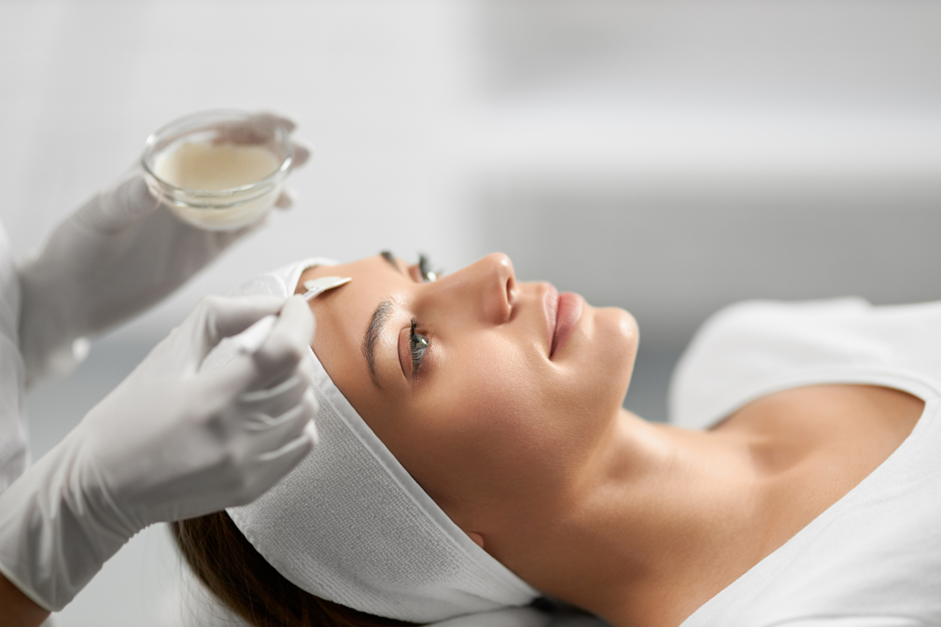
All images used under license from Canva. © APT Medical Aesthetics, 2026. All rights reserved.
Understanding Laser Hair Removal Training
Laser hair removal training teaches safe use of laser devices. These devices reduce unwanted hair growth. They deliver controlled light energy into the hair follicle. The pigment absorbs the energy and damages the follicle.
Performing laser hair removal safely requires strong scientific knowledge. The concept seems simple, but it is not.
Students in laser hair removal courses learn about
• laser physics and wavelength selection
• skin anatomy and hair follicle structure
• Fitzpatrick skin typing and treatment planning
• patient consultation and contraindications
• device safety and parameter adjustment
• complication prevention and management
Many patients also have pigmentation or sun exposure concerns. Practitioners benefit from understanding broader skin conditions.
Training that combines hair removal science with skin assessment is valuable. It prepares practitioners for medical aesthetic environments.
What Aesthetician Laser Courses Typically Focus On
Aesthetician programs are for skincare professionals in esthetics. They focus on facials, waxing, and non-medical services.
Laser education in these programs is often basic. It may cover device operation or treatment protocols.
These courses place less emphasis on medical topics. They skip tissue interaction and complication management.
This is because esthetics focuses on cosmetic skincare. It is not about medical aesthetic procedures.
Practitioners wanting advanced technology skills may need more training. This includes treating complex skin concerns.
Patients often seek treatment for uneven texture or pigmentation. Understanding these conditions helps evaluate patient suitability.
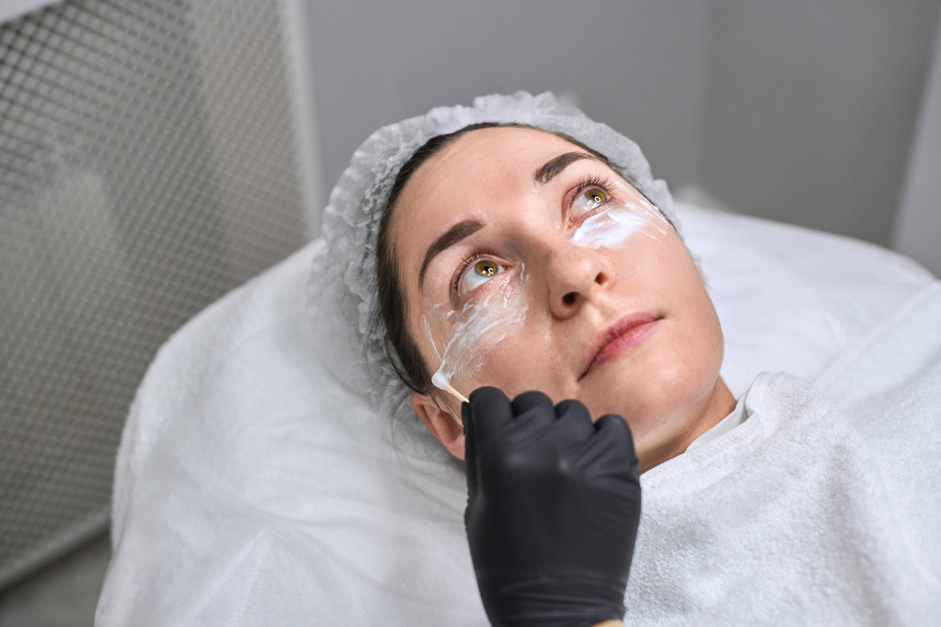
All images used under license from Canva. © APT Medical Aesthetics, 2026. All rights reserved.
Differences In Scope Of Practice
Scope of practice is a key difference between training types. It defines what treatments a professional can perform.
In Ontario, laser procedures often need medical oversight. They may require physician directives in clinics.
Nurses and physicians take laser courses to expand their skills. They perform energy-based treatments in clinical settings.
Aesthetic practitioners may perform certain treatments within esthetics. This depends on their training and clinic rules.
Understanding laser regulations is vital before enrolling. Courses with safety and compliance discussions help practitioners stay professional.
Curriculum Differences Between Training Programs
Laser hair removal courses differ from aesthetician laser courses. Comprehensive programs include detailed scientific education.
Students may study
• laser tissue interaction
• treatment planning based on skin type
• energy parameter selection
• contraindications and medical considerations
• patient consultation and documentation
• device maintenance and safety protocols
Aesthetician programs focus more on device operation. They provide less emphasis on medical theory.
Both paths offer valuable knowledge. But medical aesthetic clinics often prefer deeper clinical education.
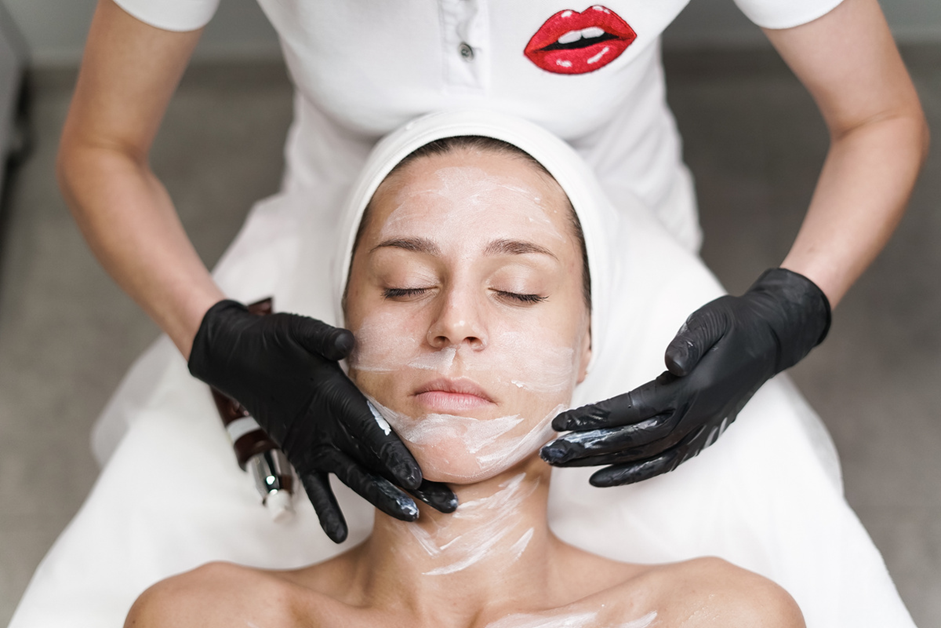
All images used under license from Canva. © APT Medical Aesthetics, 2026. All rights reserved.
Many clinics use advanced technologies for scarring or texture. Practitioners who understand them can adapt across platforms.
Hands On Experience And Clinical Exposure
Hands on experience is critical when comparing programs. Students need supervised practice to build confidence.
High quality training includes clinical sessions. Students can
• perform consultations
• evaluate skin types
• operate laser devices
• observe treatment outcomes
Practical exposure teaches how skin types respond to laser energy. It shows how to adjust parameters.
Without practice, applying theory in real clinics is hard. Patients often seek energy-based treatments for pigmentation.
Understanding device function requires more than theory. It needs real clinical experience.
Career Opportunities After Laser Training
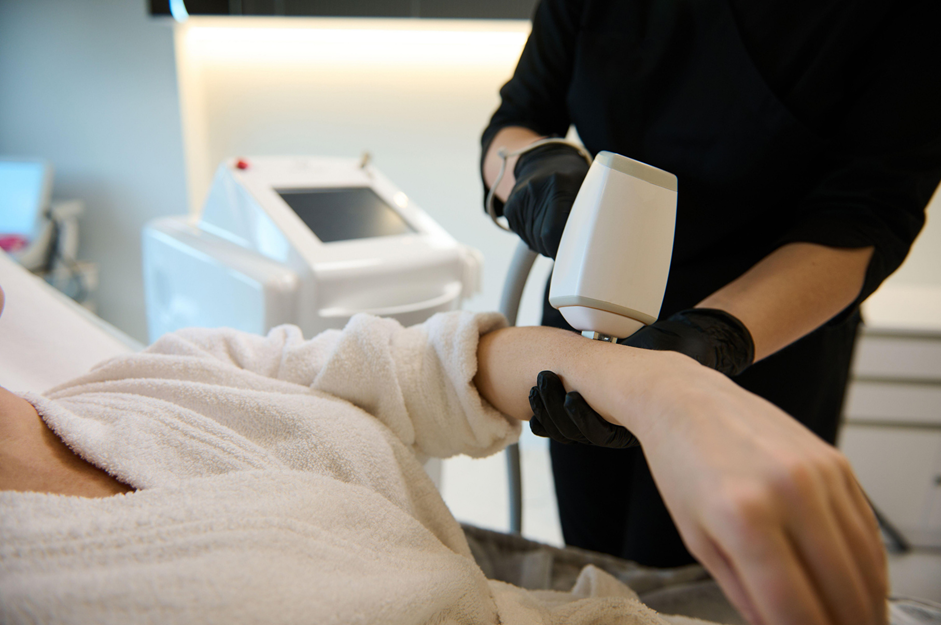
A laser hair removal course opens many career paths. Practitioners can work in
• medical aesthetic clinics
• dermatology practices
• cosmetic surgery clinics
• specialized laser treatment centers
• multidisciplinary aesthetic clinics
Combining laser training with other education builds broader skills. It offers greater career flexibility.
Many practitioners learn multiple technologies. The field continues to evolve quickly.
All images used under license from Canva. © APT Medical Aesthetics, 2026. All rights reserved.
A Real World Scenario When Choosing Training
A skincare professional considered an aesthetician laser course. She wanted to learn laser hair removal.
After research, she found the program had little laser physics. It offered minimal hands-on training.
Instead, she chose a comprehensive laser treatment course. It was designed for medical aesthetic practitioners.
The program included laser safety and patient assessment. It also had supervised clinical practice.
She gained confidence to perform treatments safely. Her career opportunities in medical aesthetics expanded.
Questions To Ask Before Choosing A Laser Course
Prospective students should evaluate programs carefully. Ask important questions before enrolling.
Important questions include
• What is the educational background of the instructors
• How much hands-on training is provided
• What devices are used during training
• How many students are assigned to each instructor
• Does the program address regulatory considerations and patient safety
Programs with clear curriculum details are often better. They deliver meaningful education.
Frequently Asked Questions About Laser Hair Removal Training
Who Can Perform Laser Treatments In Ontario
Trained practitioners within medical aesthetic regulations can. Scope depends on credentials and clinic oversight.
What Are Laser Regulations In Ontario
Laser treatments follow healthcare regulations. They emphasize safety, consent, and accountability.
What Is The Difference Between Laser Hair Removal Training And Aesthetician Courses
Laser training includes deeper science and clinical practice. Aesthetician programs focus on cosmetic skincare.
Is Laser Hair Removal Training Worth It
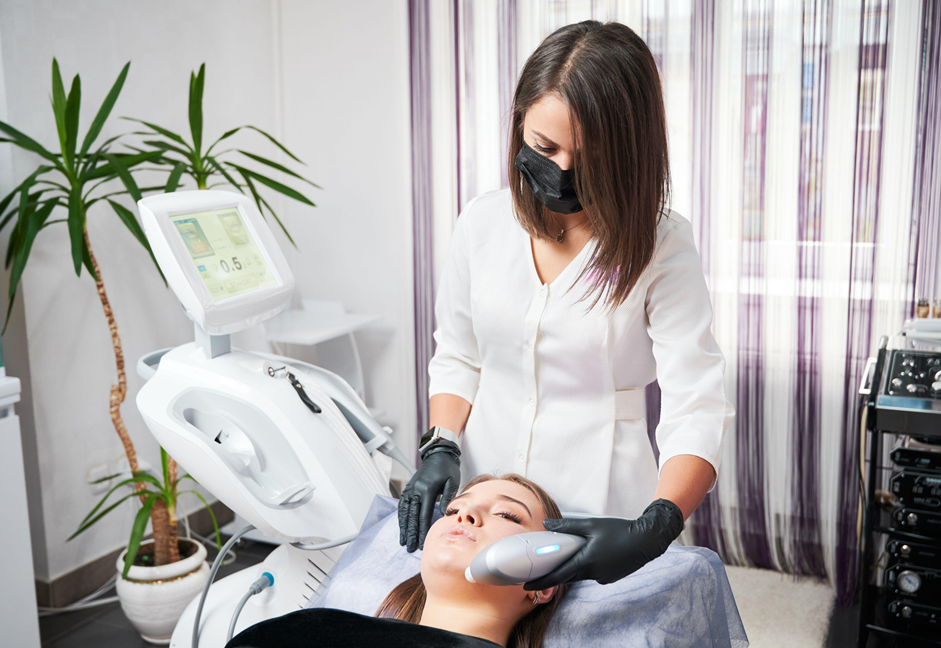
Yes, for practitioners in aesthetic medicine. Comprehensive laser training expands career options. It allows safe performance of a top treatment.
All images used under license from Canva. © APT Medical Aesthetics, 2026. All rights reserved.
Choosing The Right Education Path
Laser hair removal is a top procedure worldwide. Technology keeps evolving. Practitioners who use devices safely are key in aesthetic medicine.
Choosing between courses depends on your background. It also depends on your career goals and scope.
Programs that emphasize clinical education offer the best preparation. They focus on safety and hands-on training.
Healthcare professionals with quality laser education deliver safe treatments. They build sustainable careers in medical aesthetics.
APT Injection Training offers advanced education for regulated professionals. It helps them develop practical aesthetic skills.
If you want to learn about laser training, contact us. Our team can guide you through available programs.
(289) 271-5718
✉️ info@aptinjectiontraining.com
aptinjectiontraining.com
Tips to be a
Successful Injector!
Free E-Book download