Student Log in
 1267 Cornwall Rd, Unit 300, Oakville, Ontario L6J 7T5

 (289) 271-5718
blog
Laser Treatment Courses – How To Choose The Right Program
Apr 03 2026
Reading Time: 6 Minutes
Author:
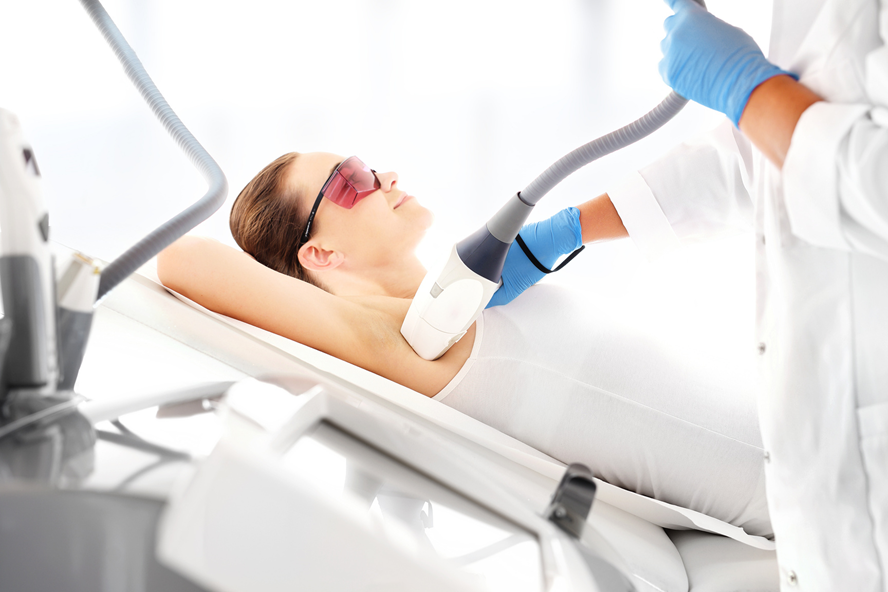
The demand for energy based treatments has grown dramatically. This is true in medical aesthetics over the past decade. Patients seek non surgical solutions for many concerns. These include pigmentation, uneven skin tone, and acne scarring. Redness and early signs of aging are also common. As a result, clinics across Ontario invest heavily in laser technology.
For healthcare professionals entering the aesthetic field, education is key. They may also want to expand their scope of practice. Enrolling in a laser treatment course is an important step. It helps build clinical competence and career opportunities.
Not all laser courses offer the same education. Some provide only theoretical introductions to devices. Others offer comprehensive medical laser education. These prepare practitioners for real patient care.
Choosing the right program requires careful evaluation. Look at curriculum structure and hands on training. Instructor experience and regulatory considerations matter too. Practitioners who select a strong foundation develop better skills. They can safely perform laser treatments in clinical settings.
Understanding what makes a high quality program helps. It guides healthcare professionals to choose wisely. This supports both patient safety and long term career success.
All images used under license from Canva. © APT Medical Aesthetics, 2026. All rights reserved.
Why Laser Education Is Becoming Essential In Medical Aesthetics
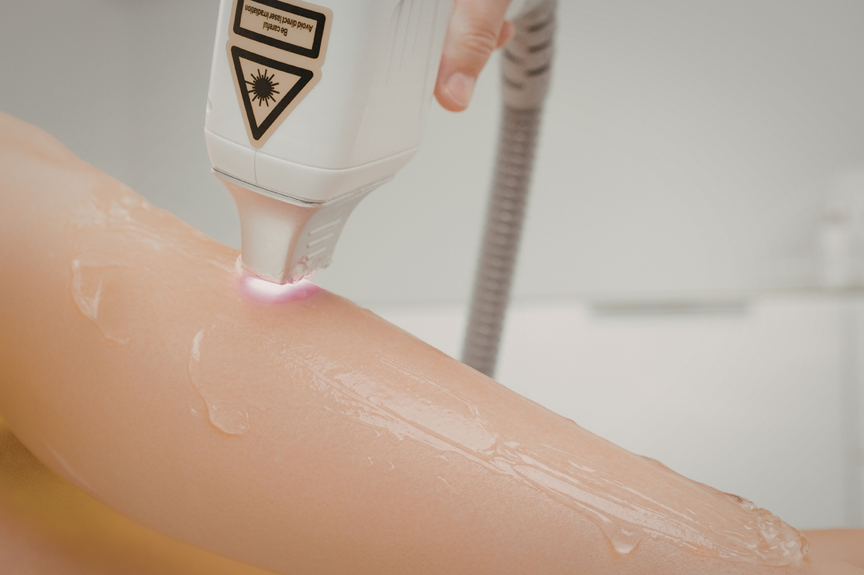
Modern aesthetic medicine relies on energy based devices. Lasers treat a wide range of skin concerns. These include pigmentation disorders and vascular lesions. Acne scars and uneven texture are also treated.
Public awareness of these treatments continues to grow. Clinics need practitioners who understand laser technology. They must also evaluate patient suitability safely.
Laser education helps practitioners understand light energy. It interacts with different skin structures called chromophores. These include melanin, hemoglobin, and water. By targeting specific chromophores, lasers treat concerns selectively. This minimizes damage to surrounding tissue.
Without proper education, risks increase. Incorrect device settings or patient selection cause complications. Comprehensive training is essential for anyone using these devices.
What A Comprehensive Laser Treatment Course Should Teach
A strong laser course goes beyond machine operation. High quality programs focus on theory and clinical application. Students develop a deep understanding of laser science. They also learn clinical decision making for real patients.
Key topics often include
• laser physics and wavelength selection
• skin anatomy and tissue interaction
• Fitzpatrick skin typing
• patient consultation and assessment
• treatment planning for different skin concerns
• device safety protocols
• complication prevention and management
Many patients seek laser treatments for uneven tone. Textural changes develop over time too. A comprehensive curriculum ensures practitioners understand treatments. They know why those treatments are appropriate for specific conditions.
All images used under license from Canva. © APT Medical Aesthetics, 2026. All rights reserved.
Why Hands On Training Is Critical For Laser Certification
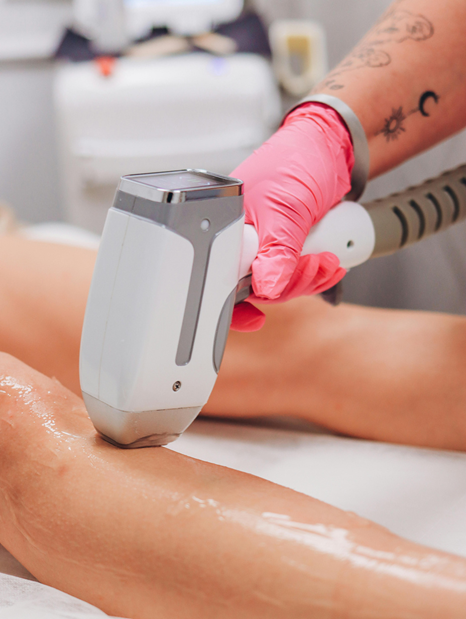
Hands on clinical experience is a key element. It is essential for a high quality laser certification program. Watching demonstrations or reviewing theory is not enough. Practitioners need practical experience with devices and patients.
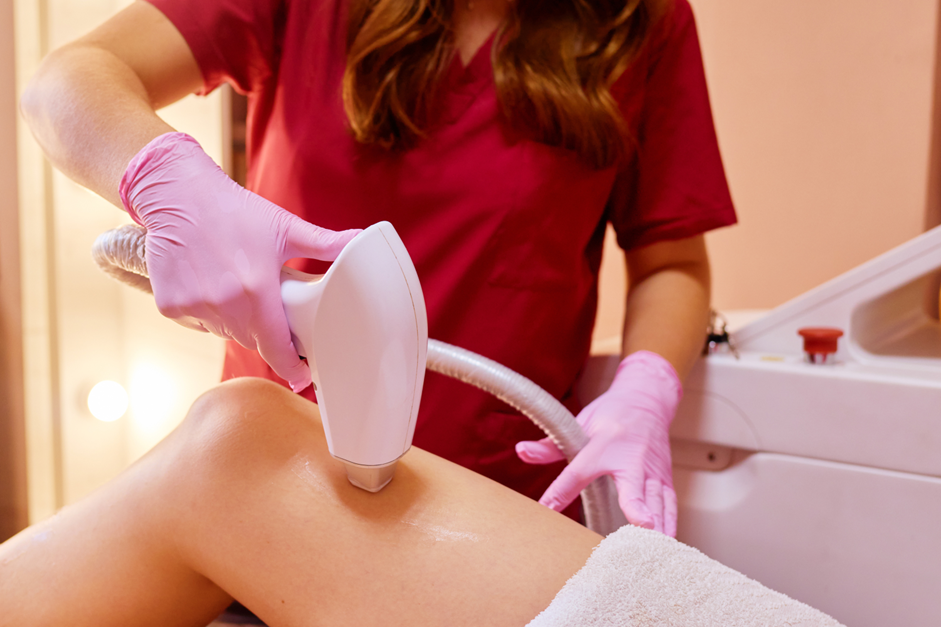
Hands on training lets students observe skin responses. They see how parameters adjust for skin type and goals. Students also manage patient comfort during treatments. They learn to evaluate treatment outcomes effectively.
Many patients seek laser procedures for photoaging. Collagen decline is another common concern. Supervised clinical practice helps students develop judgment. They gain confidence to safely apply these technologies.
All images used under license from Canva. © APT Medical Aesthetics, 2026. All rights reserved.
Understanding Laser Training Regulations In Ontario
Healthcare professionals often ask about regulatory requirements. They are interested in laser training Ontario programs. There is no single standardized licensing framework for lasers. However, these procedures fall under broader healthcare regulations.
Laser procedures are performed under physician oversight. They also fall within regulated healthcare practice. Training programs should emphasize key topics. These include patient safety and informed consent. Clinical documentation and complication management are also vital.
Courses addressing these topics help practitioners understand responsibilities. Training that includes medical directives is valuable. It is especially useful for those working in clinical settings.
Evaluating The Reputation Of A Laser Training Program
Prospective students should evaluate the training provider’s reputation. Not all programs offer the same expertise or depth. Several factors help determine credibility and value.
These include
• instructor experience in aesthetic medicine
• clinical background of educators
• student to instructor ratio during hands on training
• availability of mentorship after graduation
• integration with broader aesthetic education programs
Programs taught by experienced practitioners offer real insights. They share clinical experiences beyond textbook knowledge. Students learn to manage complications and optimize outcomes. Evaluating reputation ensures meaningful education, not just certification.
A Real Student Experience When Choosing Laser Training
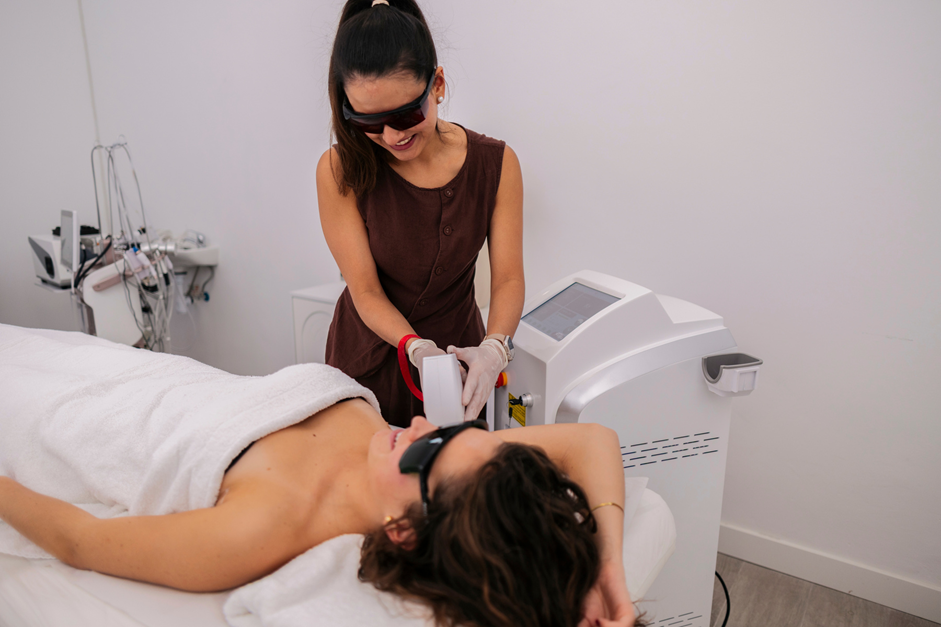
A nurse wanted to transition into medical aesthetics. She enrolled in a short introductory laser course. It promised certification after only a few hours. The program provided basic theory but little hands on practice.
When she returned to her clinic, she felt uncertain. She struggled with treatment settings and patient suitability. Later, she enrolled in a more comprehensive program. It included supervised clinical practice and mentorship.
Through hands on experience, she gained deeper understanding. She learned laser physics, treatment planning, and assessment. This experience shows why choosing the right program matters. It significantly influences a practitioner’s confidence and competence.
All images used under license from Canva. © APT Medical Aesthetics, 2026. All rights reserved.
Questions To Ask Before Enrolling In A Laser Course
Healthcare professionals should ask important questions before enrolling. These help determine if the program offers meaningful education.
Important considerations include
• Who teaches the course and what is their clinical experience
• How many hours of hands on training are included
• What devices are used during training
• What is the student to instructor ratio
• Is mentorship available after course completion
Programs with transparent answers are often more committed. They focus on delivering high quality education.
Frequently Asked Questions About Laser Treatment Courses
What Is The Best Laser Training Program
The best program combines theory with hands on experience. It emphasizes patient assessment and safety protocols. This provides the strongest clinical foundation.
Are Laser Courses Necessary For Practitioners
Yes. Laser devices are powerful medical technologies. They require specialized education for safe and effective use.
What Is Included In Medical Laser Education
It includes laser physics and skin anatomy. Treatment planning and patient consultation are covered. Device safety and supervised clinical experience are also included.
What Should I Look For In Laser Training Ontario Programs
Look for hands on training and experienced instructors. Ensure education aligns with clinical safety standards.
All images used under license from Canva. © APT Medical Aesthetics, 2026. All rights reserved.
Building A Strong Foundation In Laser Education
Laser treatments are integral to modern aesthetic medicine. Patient demand for non surgical treatments continues to grow. Practitioners who understand laser technology are increasingly important. Patients seek treatments for pigmentation and uneven skin tone. Acne scarring and early aging are also common concerns. Clinics need practitioners who know the science and safety principles.
Choosing the right laser course ensures proper education. Practitioners learn to safely deliver treatments. They achieve optimal patient outcomes with confidence. A well structured program teaches laser energy interaction. Students learn to select appropriate treatment parameters. They also learn to assess patients before procedures. This knowledge minimizes risks and ensures responsible care.
Programs combining theory with hands on experience are best. Theoretical learning covers laser physics and skin anatomy. Hands on experience applies this knowledge in real situations. Students gain confidence operating devices under guidance. They learn to evaluate skin responses and adjust settings. This leads to safe and effective results.
For healthcare professionals, comprehensive training is valuable. It helps build a successful career in medical aesthetics. The industry evolves with new technologies and approaches. Practitioners with high quality education adapt better. A strong foundation improves technical skills and clinical judgment. This is essential for tailored treatment plans.
APT Injection Training provides advanced education for regulated professionals. Our programs emphasize science and clinical application. Students gain knowledge and confidence for safe procedures. We offer structured curriculum and experienced instructors. Hands on training prepares practitioners for real world practice.
If you are considering a laser course, we can help. Learn more about available training opportunities. Whether new to aesthetics or expanding skills, we guide you. Explore options that align with your professional goals. We support your development in medical aesthetics.
(289) 271-5718
✉️ info@aptinjectiontraining.com
aptinjectiontraining.com
Tips to be a
Successful Injector!
Free E-Book download