Student Log in
 1267 Cornwall Rd, Unit 300, Oakville, Ontario L6J 7T5

 (289) 271-5718
blog
Men’s Botox – Why Injector Training Must Adapt To Male Anatomy
Apr 17 2026
Reading Time: 6 Minutes
Author:
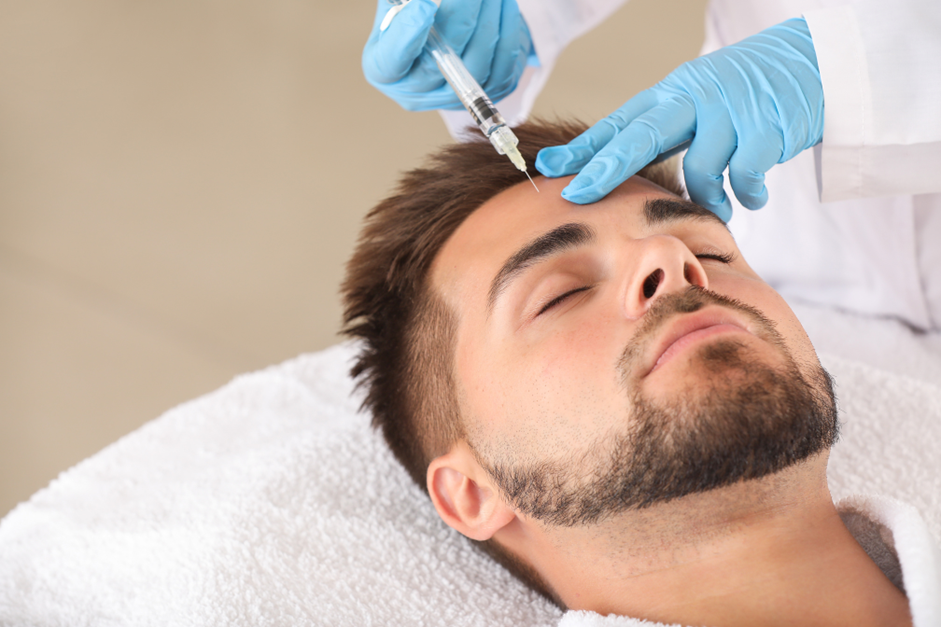
Interest in men’s Botox treatments has increased significantly. Aesthetic medicine was once for women. Now, more male patients seek non-surgical treatments. They want a refreshed and youthful look. Treatments like neuromodulators, dermal fillers, and skin rejuvenation are common. Men use them to soften aging signs. They keep a natural, masculine look.
As male patients increase, injectors must understand male anatomy. It needs a different clinical approach. Facial structure, muscle strength, and aesthetic goals differ. Treatment planning also varies between genders. Practitioners with comprehensive injector training adapt better. They achieve natural results for male patients.
Understanding these differences is essential. It helps practitioners provide safe, effective, and individualized plans.
Why More Men Are Seeking Botox Treatments
The rise of men’s Botox reflects a broader shift. Many male patients want a professional appearance. They aim to reduce signs of fatigue. They also want to prevent deeper wrinkles.
Unlike patients seeking dramatic changes, male patients want subtle results. They want to maintain natural expression and masculine features.
Common reasons men seek Botox treatments include:
• softening forehead lines
• reducing glabellar frown lines
• improving crow’s feet around the eyes
• maintaining a refreshed and less fatigued look
Male patients are also more educated about skin health. Many research treatments after learning about aging changes. Understanding facial changes helps patients explore options earlier.
All images used under license from Canva. © APT Medical Aesthetics, 2026. All rights reserved.
Key Differences In Male Facial Anatomy
One important reason injector training must adapt is male facial anatomy. It differs significantly from female anatomy.
Male faces typically have:
• thicker skin
• stronger facial muscles
• heavier brow structures
• broader jawlines
• different fat distribution patterns
These differences influence how Botox behaves in male patients.
Male facial muscles are generally stronger. So male Botox often requires higher dosing.
However, dosing adjustments must be careful. This preserves natural facial movement. It also avoids over-softening masculine features.
Practitioners must understand that male brow positioning differs. It is very different from female brow anatomy.
The male brow tends to sit lower and flatter. Over-treating the frontalis muscle can create a feminized brow shape.
Comprehensive injector anatomy training helps practitioners recognize these differences. They can then adjust treatment strategies.
All images used under license from Canva. © APT Medical Aesthetics, 2026. All rights reserved.
Understanding Male Aesthetic Goals
Another important difference involves aesthetic expectations. Treating male patients requires understanding these goals.
Female patients may request brow elevation or softer contours. Male patients often prefer treatments that preserve a strong, natural look.
Common male treatment goals include:
• reducing wrinkles while maintaining natural movement
• avoiding an overly smooth or frozen appearance
• preserving masculine brow shape
• maintaining natural facial expression
These goals require a conservative and precise approach. Injectors must use this when performing Botox treatments.
Understanding patient expectations is just as important as understanding anatomy.
Injection Technique Considerations For Male Botox
Treating male Botox patients requires careful adjustments in injection technique.
Several factors must be considered during treatment planning.
Muscle strength is typically greater in male patients. This may require higher Botox dosing for effective neuromodulation.
However, increasing dosage without adjusting injection pattern may lead to unnatural results.
Injection points may need to be spaced differently. This accounts for larger muscle mass.
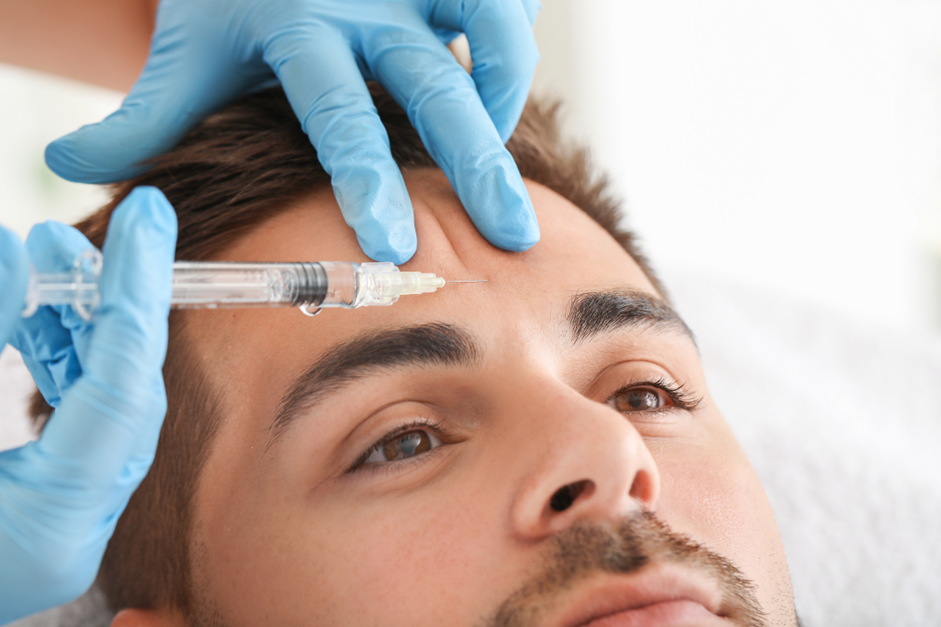
For example, treating the glabellar complex in male patients often requires wider injection placement. This addresses stronger muscle contraction patterns.
Similarly, forehead treatments must maintain natural brow positioning. This avoids altering masculine facial structure.
Injector training programs that emphasize facial anatomy help practitioners develop these skills. Gender-specific treatment planning is also key.
All images used under license from Canva. © APT Medical Aesthetics, 2026. All rights reserved.
Why Injector Anatomy Training Is Essential
Understanding facial anatomy is critical for aesthetic injector education.
Botox works by temporarily relaxing targeted muscles. So injectors must understand which muscles influence facial expression.
In male patients, these muscles may be larger and stronger. This requires a nuanced understanding of neuromodulator effects.
Anatomy training allows practitioners to:
• identify safe injection zones
• understand muscle interaction patterns
• predict treatment outcomes
• avoid unwanted brow or eyelid changes
Strong anatomical knowledge helps practitioners differentiate between wrinkles. It distinguishes muscle contraction wrinkles from aging or environmental damage. Understanding the difference between dynamic wrinkles and skin quality concerns helps practitioners recommend appropriate treatments.
All images used under license from Canva. © APT Medical Aesthetics, 2026. All rights reserved.
The Importance Of Individualized Treatment Planning
No two patients have identical facial anatomy or goals. This is especially true for male patients.
Individualized treatment planning allows practitioners to tailor Botox injections. Factors include:
• muscle strength
• wrinkle pattern
• brow position
• facial symmetry
• patient expectations
A treatment plan for one patient may not work for another.
Practitioners must evaluate facial movement during expression and rest. This helps determine the best injection strategy.
Individualized treatment planning is a core component of advanced injector education.
A Clinical Scenario Treating Male Botox Patients
A male patient once presented to a clinic. He was concerned about deep frown lines between his brows. They made him appear tired during professional meetings.
The patient wanted to soften the lines. But he was concerned about looking unnatural.
During the consultation, the practitioner evaluated the patient’s glabellar muscle strength and brow position.
The patient had strong corrugator and procerus muscles. So a slightly higher Botox dose was used compared to typical female treatments.
However, injection points were carefully selected. This maintained natural brow position.
After treatment, the frown lines were softened. The patient’s natural expression and masculine brow structure were preserved.
This example shows how anatomical understanding influences successful outcomes. Thoughtful treatment planning is key.
Frequently Asked Questions About Men’s Botox
Is Men’s Botox Different From Regular Botox?
The product is the same. But injection techniques and dosing often differ. This accounts for male anatomy and aesthetic goals.
Does Male Botox Require More Units?
Male patients often require slightly higher doses. Their facial muscles are typically stronger than female patients.
What Is Male Facial Anatomy Botox Training?
Injector anatomy training teaches how male facial muscles differ. It shows how those differences influence injection technique.
How Do Practitioners Treat Male Patients Botox Safely?
Proper anatomy education and individualized planning help. Conservative injection techniques achieve natural results for male patients.
All images used under license from Canva. © APT Medical Aesthetics, 2026. All rights reserved.
Why Advanced Injector Education Improves Patient Outcomes
Aesthetic medicine continues to evolve. Practitioners must adapt their training to meet diverse patient needs. The industry constantly advances with new products and techniques. Patients today are more informed than ever. They often research procedures before visiting a clinic. Practitioners must be prepared to perform treatments safely. They must also evaluate patient concerns and explain options clearly. They need to develop individualized plans that align with each patient’s anatomy and goals.
Men’s Botox treatments require understanding facial anatomy. They also require knowing subtle aesthetic differences that influence masculine structure. Male patients often have stronger facial muscles and thicker skin. They have different aesthetic preferences compared to female patients. These differences influence injection technique and treatment planning. Injectors must understand how neuromodulators interact with male muscles. This reduces wrinkles while maintaining natural expression and masculine balance.
Training programs that emphasize anatomy education and patient assessment prepare practitioners. Gender-specific treatment planning helps them treat male patients safely. Anatomy education helps identify muscles responsible for dynamic wrinkles. It also shows how muscle groups interact during expression. Patient assessment training teaches how to evaluate muscle strength and wrinkle patterns. Gender-specific planning helps injectors tailor their approach. Results then appear natural and aligned with patient goals.
When injectors adapt techniques for different facial structures, they deliver natural results. A well-trained practitioner knows treatments are not one-size-fits-all. Each patient needs a thoughtful, individualized approach. This considers anatomy, lifestyle, and long-term goals. By applying this knowledge, practitioners avoid common complications. They maintain facial harmony and produce outcomes that enhance natural features.
Advanced injector education encourages a conservative and strategic approach. Skilled injectors learn to preserve natural facial movement. They soften expression lines without focusing solely on eliminating wrinkles. This balance is important when treating male patients. They often prefer subtle improvements that do not change their appearance dramatically.
All images used under license from Canva. © APT Medical Aesthetics, 2026. All rights reserved.
APT Injection Training provides advanced aesthetic education. It is designed for regulated healthcare professionals. They want to develop practical clinical skills in injectable treatments. Our programs focus on anatomy-driven techniques and patient safety. We combine theoretical education with hands-on experience. This helps practitioners build confidence and develop clinical judgment. They can
Tips to be a
Successful Injector!
Free E-Book download