Student Log in
 1267 Cornwall Rd, Unit 300, Oakville, Ontario L6J 7T5

 (289) 271-5718
blog
The Ultimate Guide to Becoming an Aesthetic Nurse – Your Path to a Rewarding Career in Cosmetic Injectables

Mar 11 2025
Reading Time: 5 Minutes
Author:
Imagine a career where you help people look and feel their best.
It combines artistry with science. It offers flexibility, high earning potential, and professional growth. This is the world of aesthetic nursing.
Demand for non-surgical cosmetic procedures is growing fast. More people choose neurotoxin injections or dermal fillers to look younger without surgery. If you are a healthcare professional seeking an exciting career, aesthetic nursing may be perfect for you.
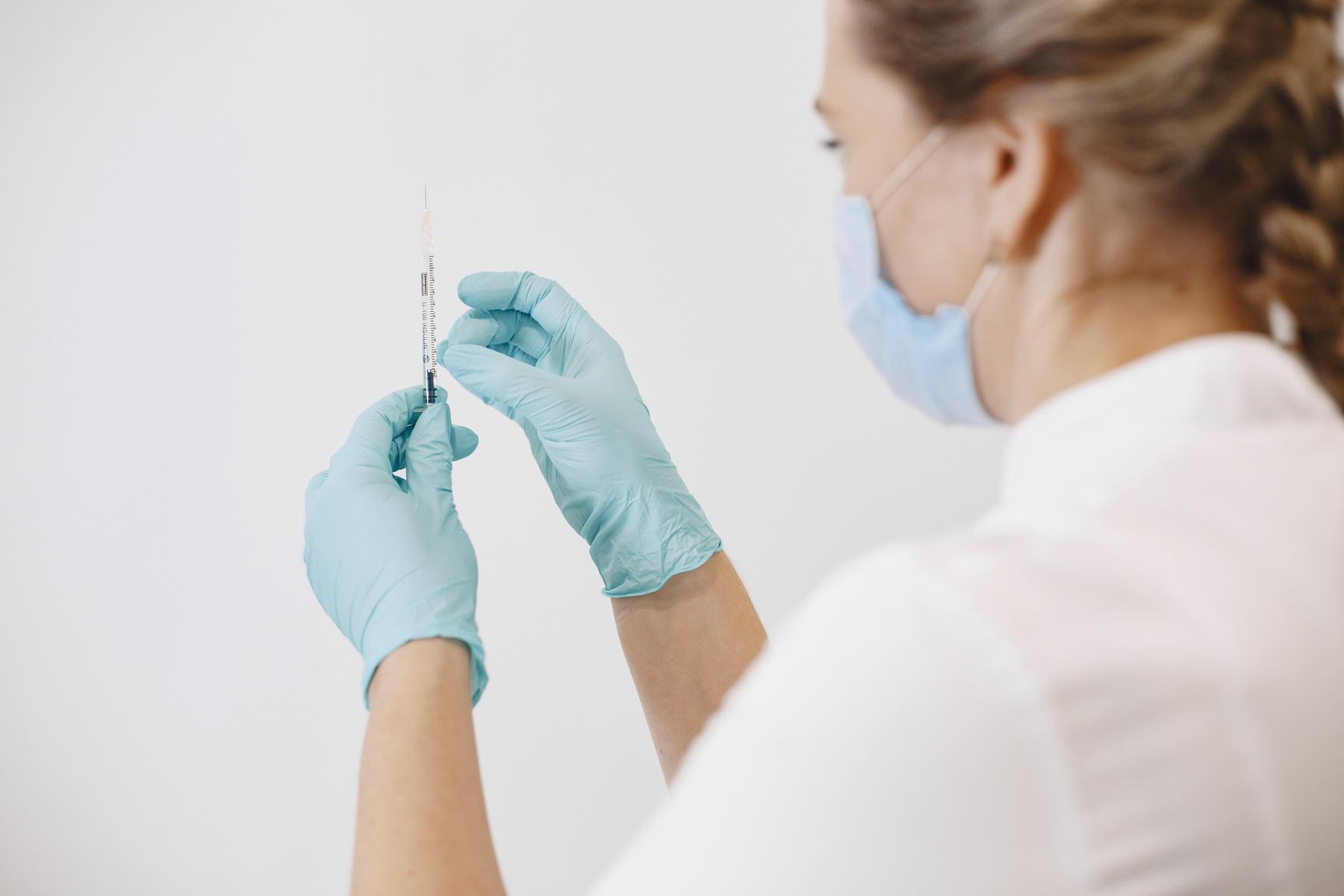
Have you wondered how to become an aesthetic nurse? Or what an aesthetic nurse does? Maybe you ask if a nurse practitioner can be a medical director in aesthetics. You are in the right place.
This guide covers everything you need to know. It includes required qualifications and career opportunities in this thriving field.
What Is an Aesthetic Nurse and What Do They Do
An aesthetic nurse is a licensed healthcare professional. They specialize in non-surgical cosmetic procedures. They help patients enhance appearance and confidence through injectable treatments.
- Neurotoxins (Botox, Dysport, Xeomin) – Smooth fine lines and wrinkles by relaxing facial muscles.
- Dermal Fillers (Juvéderm, Restylane, Belotero, Radiesse, Sculptra) – Made with hyaluronic acid to restore volume and contour features.
- Platelet-Rich Plasma (PRP) Therapy – Uses the patient’s own blood plasma to stimulate collagen.
- Microneedling with PRP – Enhances skin texture and elasticity through natural healing.
Aesthetic nurses also perform consultations and assess facial anatomy. They discuss treatment plans and ensure safety and satisfaction. Unlike traditional nursing, they build long-term patient relationships.
This career blends technical skill with artistic precision. Knowing where and how to inject is key. Thorough, hands-on training is essential before offering aesthetic services.
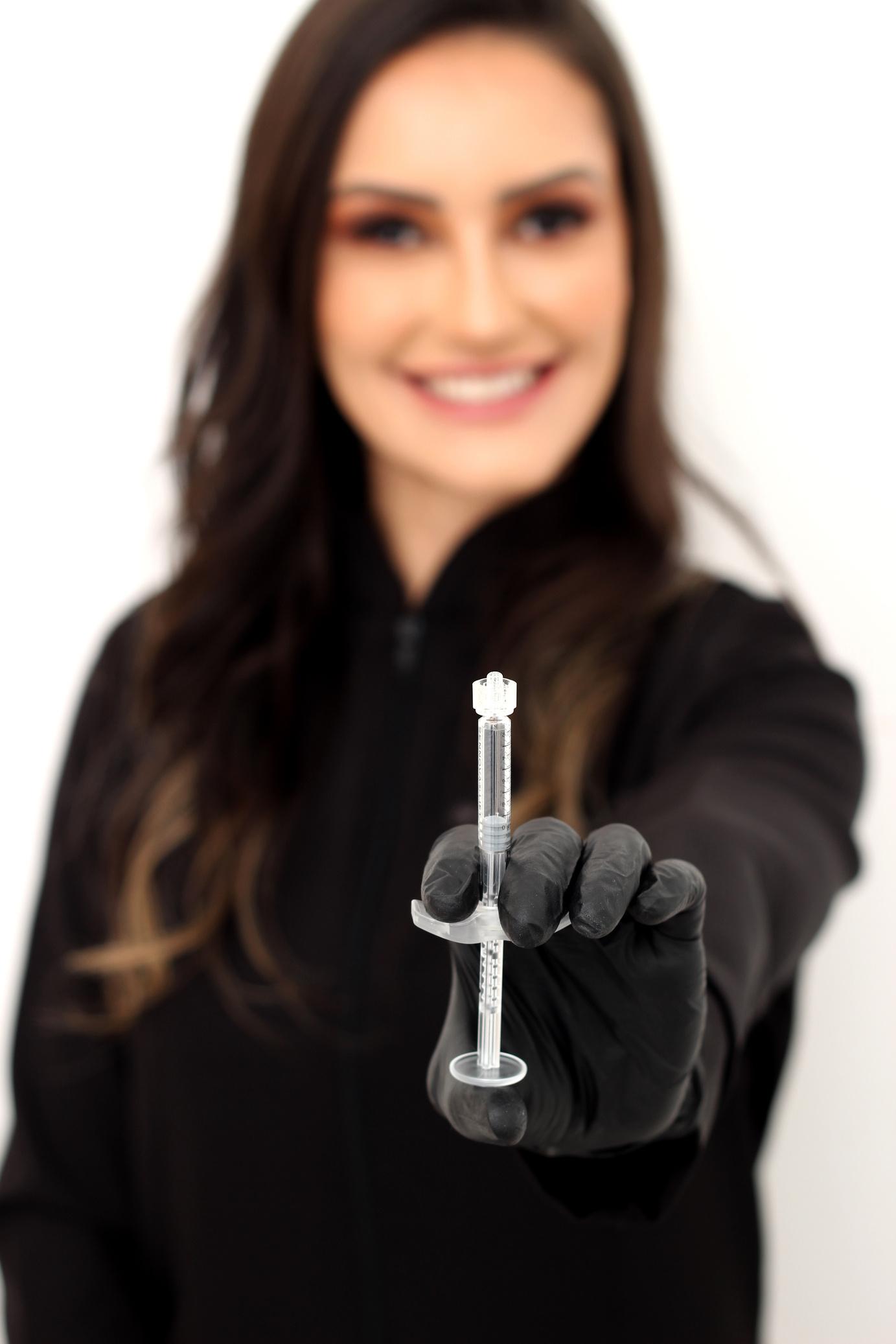
How to Become an Aesthetic Nurse
Many healthcare professionals choose aesthetic nursing for better work-life balance. It offers career flexibility and a lucrative income. Here are the steps to enter this growing field.
Obtain a Nursing License
You must first have a nursing license to become an aesthetic nurse. Requirements vary by country and province. Generally, these credentials are accepted.
- Registered Practical Nurse (RPN) or Licensed Practical Nurse (LPN) – Some regions allow LPNs to inject under supervision.
- Registered Nurse (RN) – Many aesthetic nurses start as RNs and transition.
- Nurse Practitioner (NP) – NPs have the highest autonomy and can be medical directors.
Gain Clinical Experience
Aesthetic nursing differs from bedside nursing. But a strong foundation in patient care and anatomy is valuable. Experience in dermatology or plastic surgery helps.
Many nurses transition after years in acute care. Others seek aesthetic training right after nursing school.
Complete an Aesthetic Injection Training Program
Aesthetic nursing is not covered in nursing school. Specialized training is essential for safe injections.
At APT Injection Training, we offer hands-on programs. They cover neurotoxins, dermal fillers, and regenerative treatments like PRP and Sculptra.
Comprehensive training builds technical skill and an artistic eye. No official certification is required. But safe care demands a quality training program.
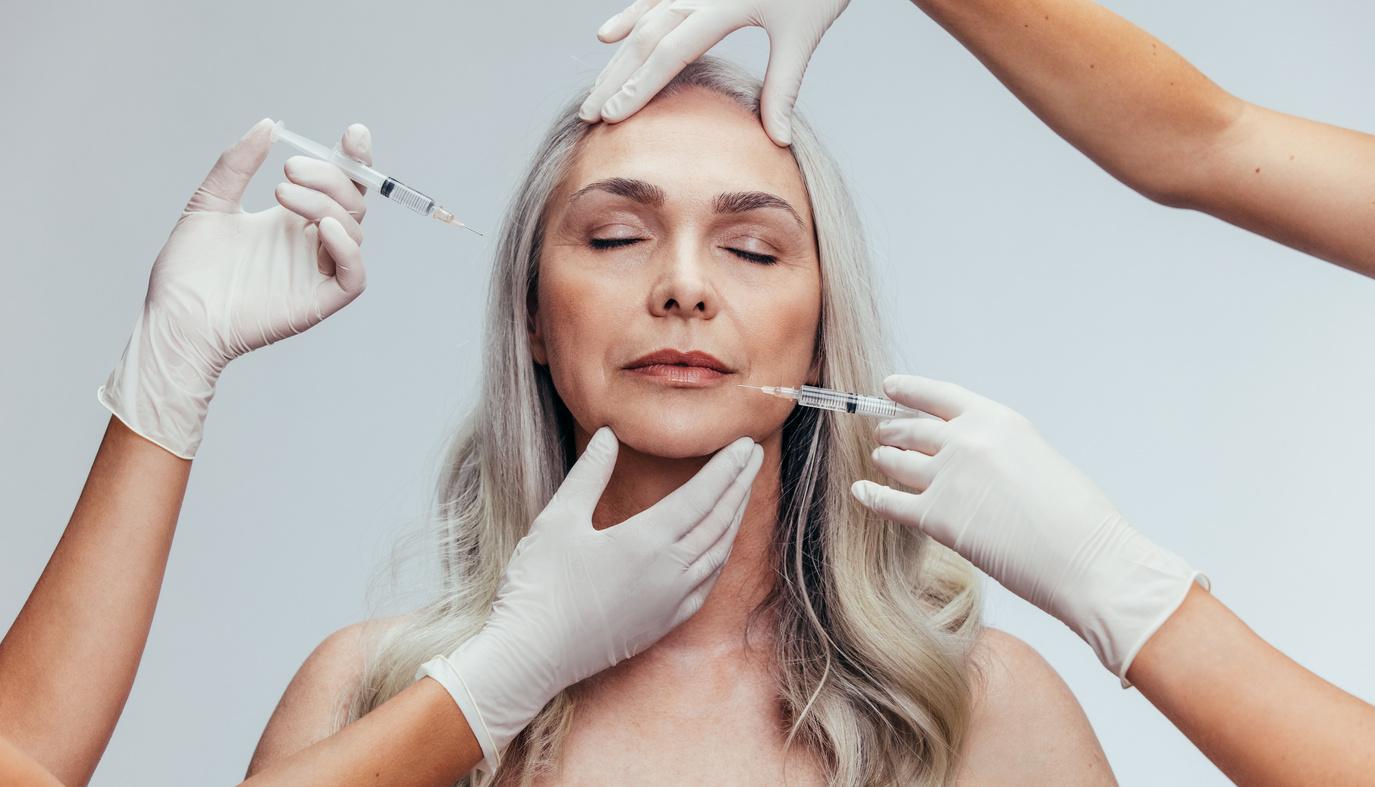
Seek Mentorship and Continuing Education
Aesthetic medicine evolves constantly. New products and techniques emerge regularly. Ongoing education is crucial.
Shadow experienced injectors and attend industry conferences. Take advanced courses to refine your skills. Learning never stops in this rewarding field.

Obtain Employment or Open Your Own Practice
Many aesthetic nurses work in medical spas or clinics. Some RNs and NPs open their own practices. Regulations vary by region.
If you are not an NP, you need a Medical Director. This can be a physician or NP specializing in aesthetics.
Where Do Aesthetic Nurses Work
Aesthetic nursing offers diverse career opportunities. Depending on your experience, you can work in:
- Medical Spas (Medspas) – Popular for non-surgical treatments like injectables and lasers.
- Dermatology and Plastic Surgery Clinics – Work alongside specialists in medical and cosmetic services.
- Aesthetic Training Centers – Experienced injectors teach the next generation.
- Independent Aesthetic Practices – Some nurses open their own clinics.
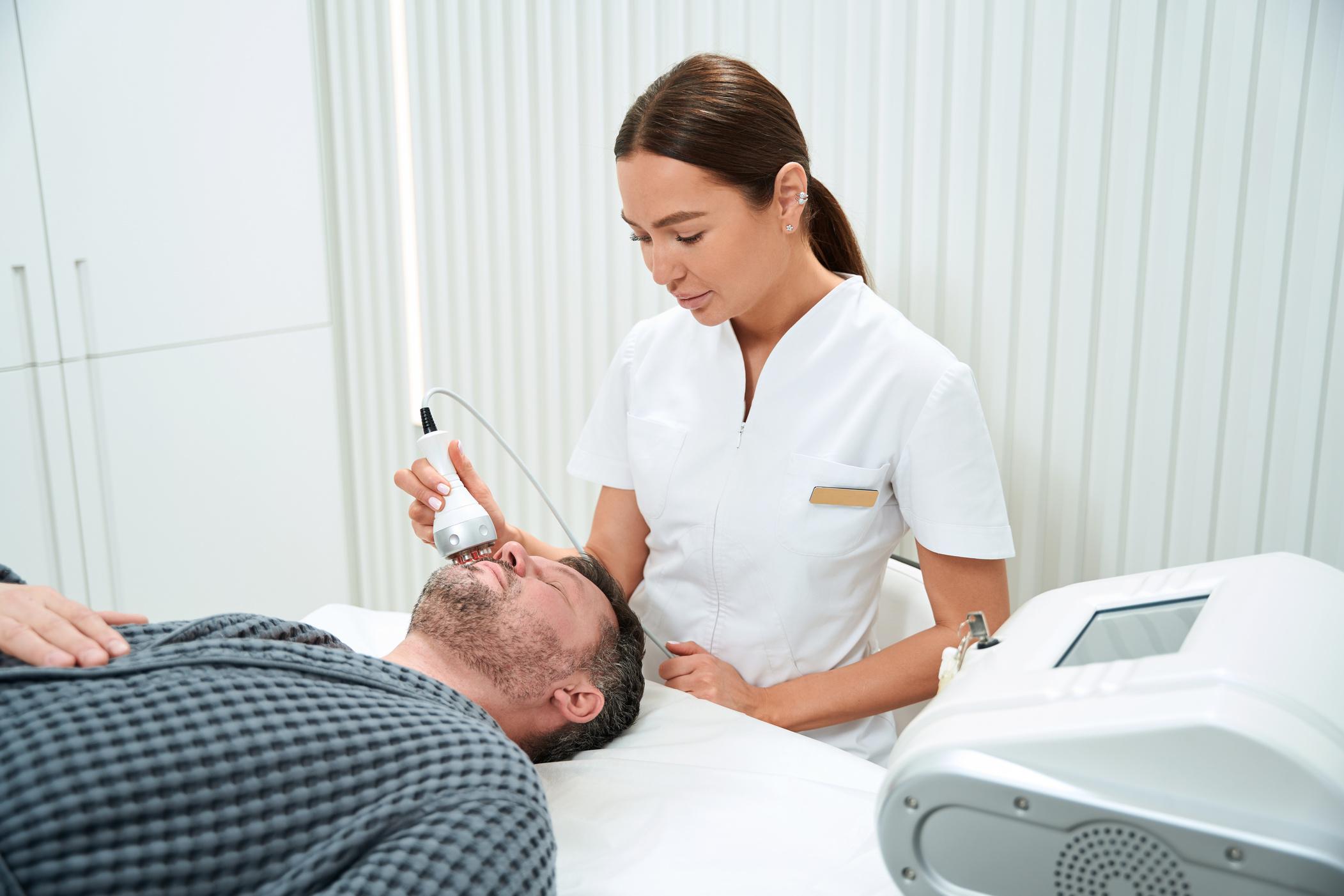
A Success Story of a Nurse Who Transitioned to Aesthetics
Jessica was an RN with a surgical nursing background. She loved aesthetics but hesitated to leave her hospital job. After research, she enrolled at APT Injection Training.
She completed a course on injecting neurotoxins and dermal fillers at APT Injection Training. Then she secured a job at a medical spa. She built a loyal client base and returned for advanced training.
Jessica now earns more and enjoys better work-life balance. Her story shows how aesthetic nursing can transform your career.
Frequently Asked Questions About Aesthetic Nursing
Can an LPN Do Botox and Dermal Fillers?
It depends on provincial or state regulations. Some areas allow LPNs to inject under supervision. Others only permit RNs and NPs.
Can a Nurse Practitioner Be a Medical Director in Aesthetics?
Yes, in Ontario, NPs trained in aesthetics can act as medical directors. They can operate independently. Check your local regulations.
Do I Need Special Certification to Work as an Aesthetic Nurse?
No national certification is required. But specialized training is necessary. Courses with hands-on experience, like those at APT Injection Training, provide the skills you need.
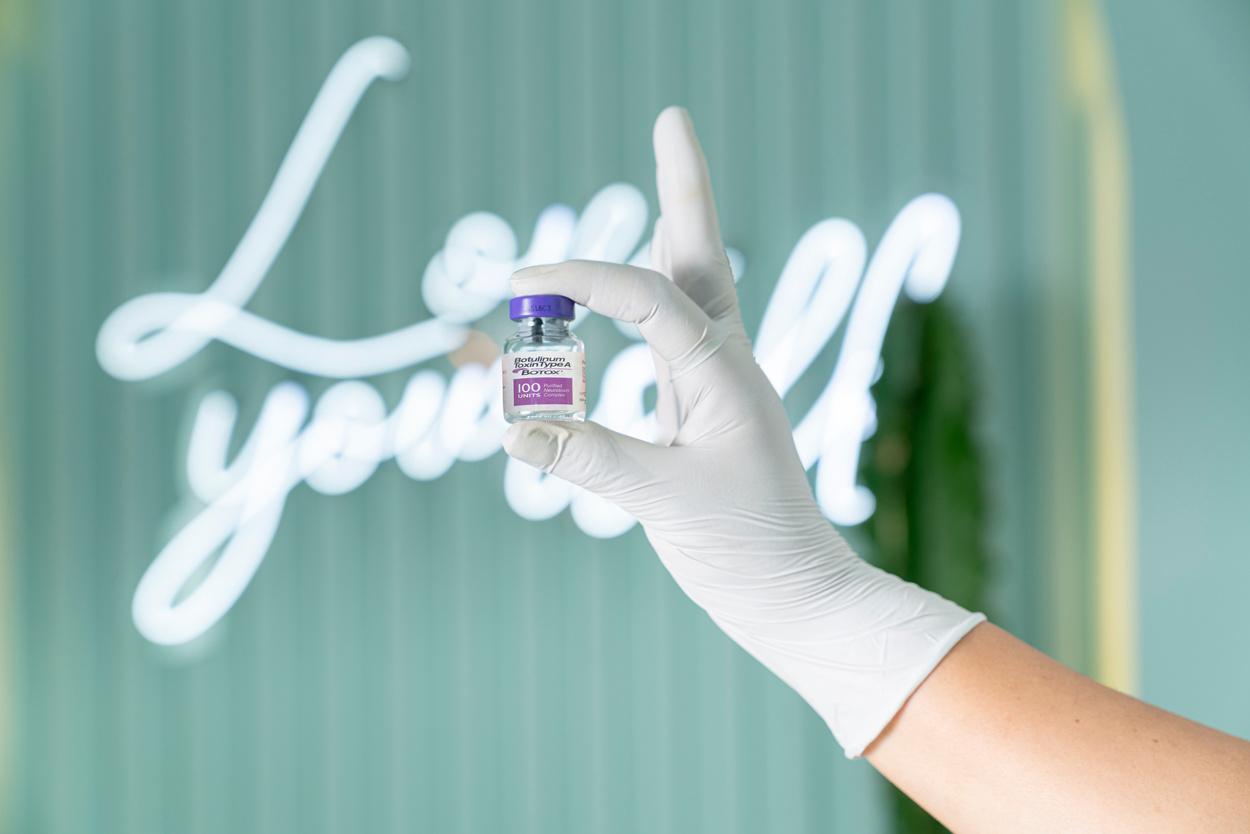
The Future of Aesthetic Nursing and Why You Should Join the Industry
The medical aesthetics industry is booming. More patients seek non-invasive anti-aging solutions. Demand for skilled injectors continues to grow.
New advancements in neurotoxins and fillers mean constant learning. Aesthetic nursing offers career flexibility and earning potential. It is a creative and rewarding profession.
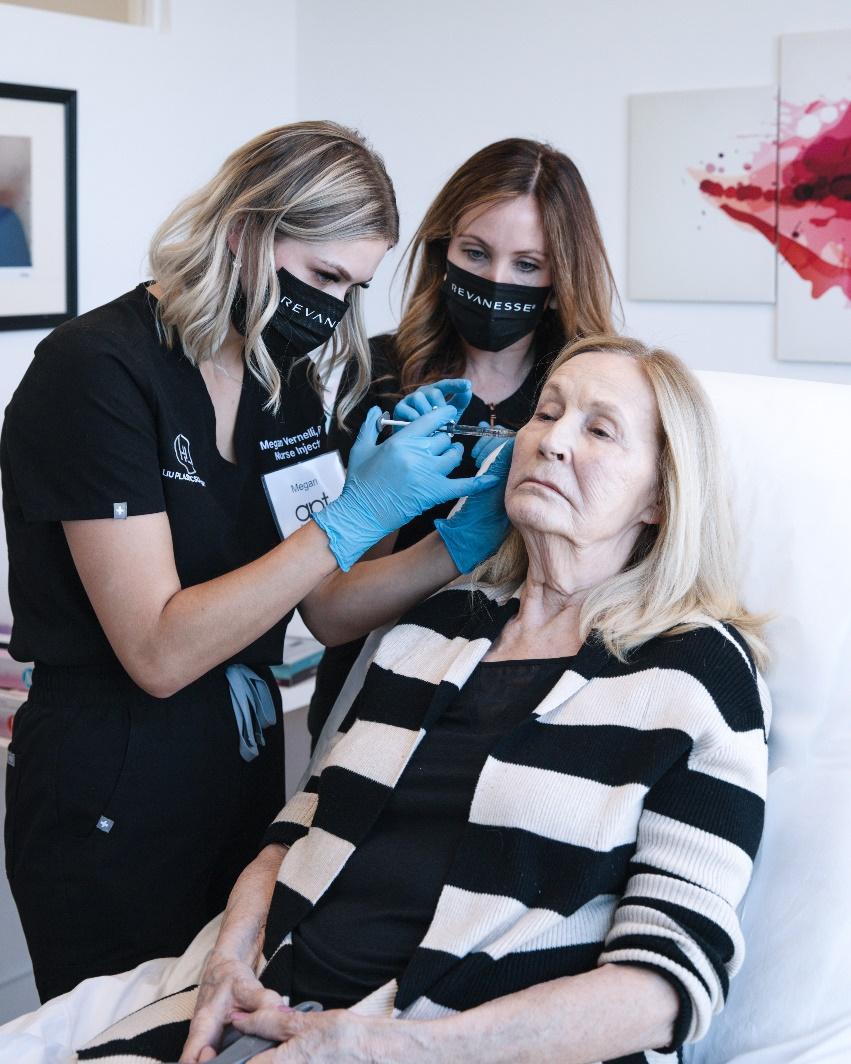
The medical aesthetics industry is booming. More patients seek non-invasive anti-aging solutions. Demand for skilled injectors continues to grow. Staying ahead requires high-quality training.

Tips to be a
Successful Injector!
Free E-Book download