Student Log in
 1267 Cornwall Rd, Unit 300, Oakville, Ontario L6J 7T5

 (289) 271-5718
blog
Why Complication Management Should Be Mandatory In Injector Training

Mar 23 2026
Reading Time: 4 Minutes
Author:
The aesthetics industry loves to showcase beautiful before-and-afters.
Perfect lips. Sculpted jawlines. Smooth tear troughs. Balanced profiles.
But behind every aesthetic transformation lies a responsibility.
It is far less glamorous — and far more important.
Complications happen.
Not because injectors are careless. Not because training failed.
Injectable medicine involves anatomy, vascular networks, and real biological variability.
When something goes wrong, the outcome depends on one factor.
Preparedness.
Vascular occlusion is one of the most serious risks with dermal fillers.
While uncommon, it is not rare.
When it occurs, time-sensitive intervention determines the outcome.
Tissue may recover, or permanent damage may develop.
Complication management injectables training should not be optional.
It should not be supplemental or an “advanced” add-on.
It should be mandatory.
In this article, we explore why vascular occlusion education matters.
Filler emergencies training and true injector preparedness must form the foundation.
Not just an afterthought.
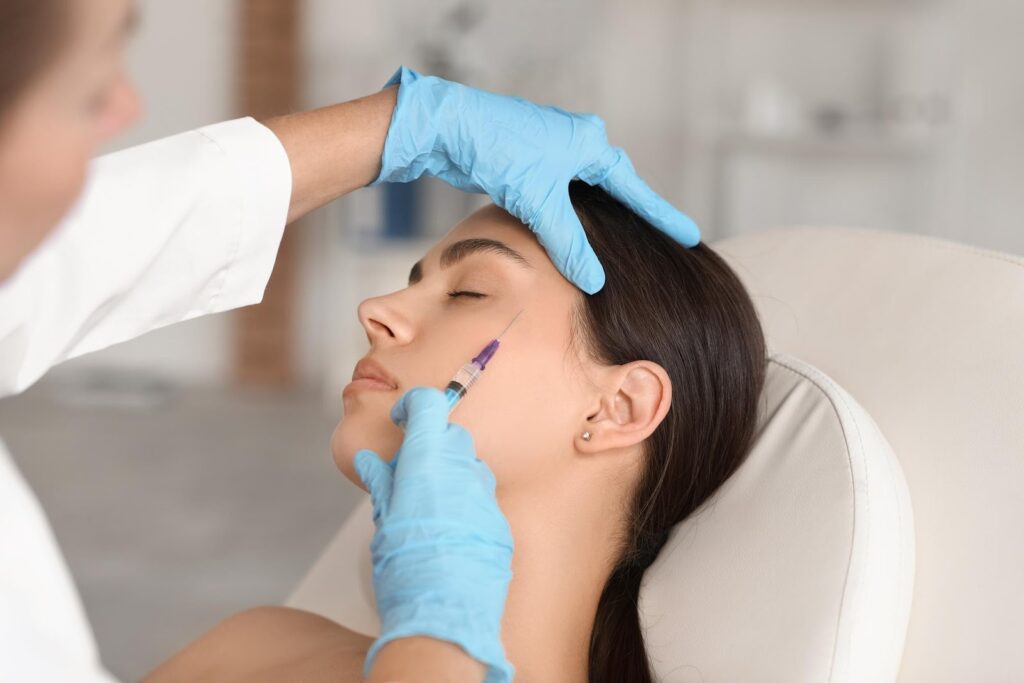
All images used under license from Canva. © APT Medical Aesthetics, 2026. All rights reserved.
What Is A Vascular Occlusion And Why It Matters
A vascular occlusion occurs when filler enters an artery.
It can also compress a vessel, blocking blood flow.
Without oxygenated blood, tissue ischemia can develop.
If untreated, this may progress to necrosis.
In rare cases, retrograde embolization can lead to vision loss.
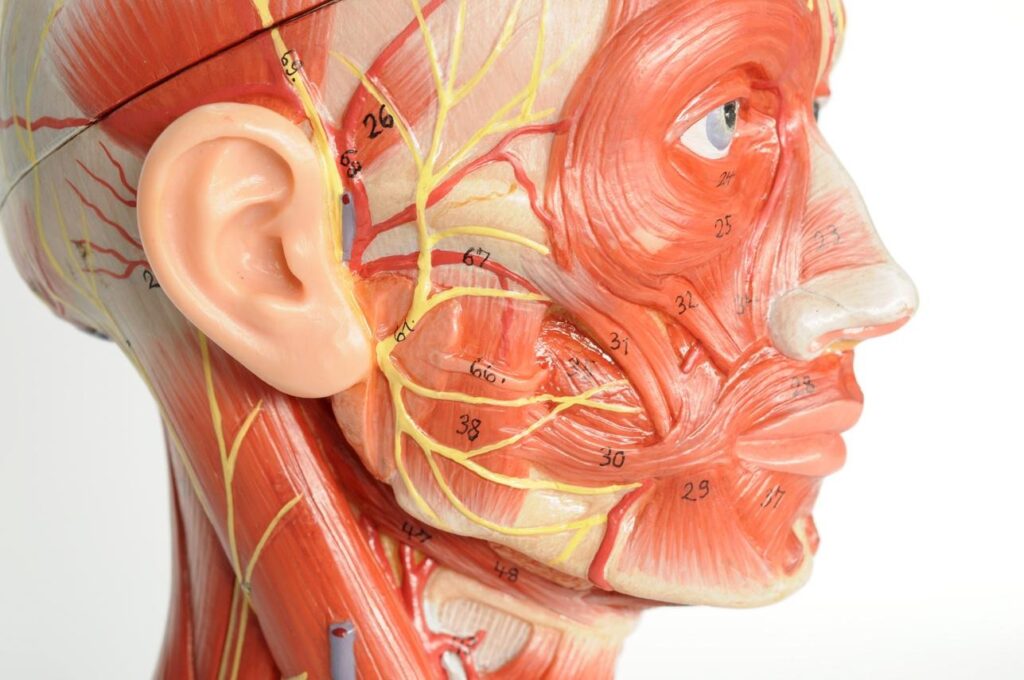
The face has complex vascular anastomoses.
High-risk areas include the following.
- Glabella
- Nose
- Nasolabial folds
- Forehead
We emphasize anatomical precision when treating acne scarring.
See Why Morpheus8 Is One of Oakville’s Best Options for Treating Acne Scars and Uneven Skin.
The same anatomical respect must exist for filler injections.
Even more so in high-risk vascular territories.
Without anatomy mastery, complication management becomes reactionary.
Not preventative.
Injectable Complications Are Part Of Clinical Practice
There is a persistent myth in aesthetics.
It says complications only happen to inexperienced injectors.
The reality is different.
Injectable complications can occur at any level.
This includes the following complications.
- Vascular occlusion
- Delayed inflammatory reactions
- Nodules
- Granulomas
- Hypersensitivity reactions
- Infection
- Filler migration
Complications do not always mean poor technique.
But poor management always worsens outcomes.
We discuss barrier dysfunction and skin reactivity.
See Uneven Skin Texture In Winter – Why It Happens And The Best Treatments To Fix It.
Similarly, vascular networks have predictable vulnerabilities.
High-risk zones require modified depth and product choice.
Cannula consideration and pressure control also matter.
Complication management injectables education ensures understanding.
Not just how to inject, but when, where, and why risk increases.
All images used under license from Canva. © APT Medical Aesthetics, 2026. All rights reserved.
Why Complication Management Must Be Mandatory
Aesthetic medicine is procedural healthcare.
If complication training is optional, inconsistency follows.
Some injectors get in-depth emergency training.
Others get minimal exposure.
Mandatory education ensures every injector has key competencies.
These include the following.
- Comprehensive facial vascular anatomy knowledge
- Immediate recognition skills
- Clear emergency protocols fillers training
- Hands-on hyaluronidase reconstitution experience
- Confidence under pressure
This is not fear-based training.
It is responsible training.
We assess structural aging before recommending treatments.
See Why Jowls Form So Early And What You Can Do About Them Before It’s Too Late.
Injectors must assess anatomical risk before placing product.
Technique without emergency readiness is incomplete education.
All images used under license from Canva. © APT Medical Aesthetics, 2026. All rights reserved.
Early Recognition Of Vascular Compromise
The most critical factor is early recognition.
Below are signs of early vascular compromise.
- Immediate blanching
- Severe, disproportionate pain
- Livedo reticularis pattern
- Coolness of the skin
- Delayed capillary refill
- Dusky or gray discoloration
Injector preparedness means recognizing these signs instinctively.
Not pausing to search lecture notes.
Differentiating normal erythema from vascular compromise is crucial.
This clinical discernment requires repetition.
Scenario-based learning. Case study analysis. Real-world discussion.
Not a single slide at the end of a filler lecture.

All images used under license from Canva. © APT Medical Aesthetics, 2026. All rights reserved.
Emergency Protocols Fillers – What Every Injector Must Be Able To Do
Owning hyaluronidase is different from knowing how to use it.
True emergency protocols training should include the below.
- Immediate cessation of injection
- Assessment of capillary refill time
- Aggressive, high-dose hyaluronidase reconstitution
- Warm compress application
- Gentle massage
- Aspirin administration where clinically appropriate
- Clear documentation protocols
- Urgent ophthalmology referral pathways if visual changes occur
Injector preparedness requires hands-on dosing practice.
Knowing how many units to reconstitute.
Knowing how to layer injections.
Knowing how to reassess tissue every 30–60 minutes.
We discuss evidence-based treatment decisions.
See Is Medical Grade Skincare Actually Better Than Over-The-Counter Products.
Emergency filler management requires even more structure.
There is no room for improvisation during vascular compromise.

All images used under license from Canva. © APT Medical Aesthetics, 2026. All rights reserved.
Blindness Risk And High-Risk Zones
One of the most devastating filler emergencies is vision loss.
Although rare, cases have been reported.
Tips to be a
Successful Injector!
Free E-Book download