Student Log in
 1267 Cornwall Rd, Unit 300, Oakville, Ontario L6J 7T5

 (289) 271-5718
blog
Why Live Model Training Is Essential For Injector Confidence
Apr 27 2026
Reading Time: 5 Minutes
Author:
Aesthetic medicine needs both scientific knowledge and technical precision. Theoretical education is important for injector training. But it rarely prepares practitioners for real clinical practice. Safe injectable treatments require strong anatomy knowledge, patient assessment, injection technique, and treatment planning. Most importantly, practitioners must build confidence with real patients.
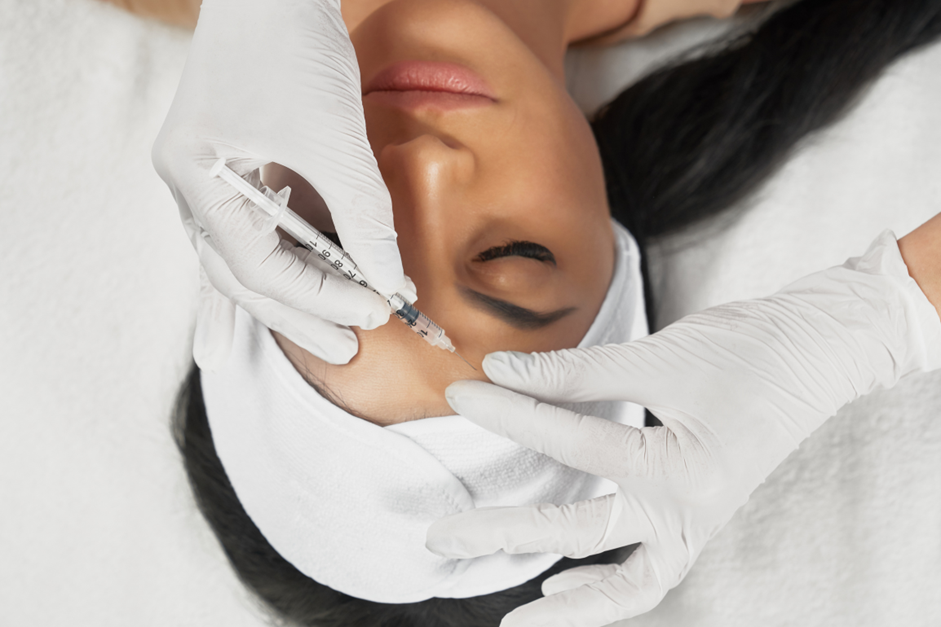
This is where hands-on injector training becomes essential. Courses with live model training let students apply theory in a supervised setting. Instead of watching demonstrations or using synthetic models, students gain direct experience. They treat patients under the guidance of experienced instructors.
Live model training bridges classroom learning and real world practice. For healthcare professionals building confidence, this education is a valuable part of a practical injectables course.
The Limitations Of Lecture Based Training
Many introductory aesthetic courses rely heavily on lectures and demonstrations. These methods provide useful background knowledge. But they cannot fully replicate real patient injections.
Watching an instructor helps students understand technique. But it does not teach how tissue feels during injection. It does not show how patients respond. It does not teach how to adjust for individual anatomy.
Without hands-on experience, students may leave with theory but limited confidence.
Hands-on injector training addresses this gap. Practitioners perform procedures under direct supervision. This helps translate theory into real clinical skill.
Patients often seek treatments after researching facial aging. Practitioners must understand these structural changes. They also need practical skills to address them safely.
All images used under license from Canva. © APT Medical Aesthetics, 2026. All rights reserved.
Why Live Model Training Builds Clinical Confidence
Confidence is a key factor for practitioners entering aesthetic medicine.
New injectors often feel uncertain about needle placement and dosing. These concerns are normal. They can only be addressed through supervised clinical practice.
Live model training allows students to
• practice injections under instructor supervision
• observe how tissue responds to filler placement
• learn how to communicate with patients during procedures
• develop proper injection technique and hand control
• receive immediate feedback from experienced instructors
This experience helps practitioners build confidence for independent procedures.
Clinical confidence also improves patient experience. Comfortable practitioners communicate clearly. They maintain a calm clinical environment.
Understanding Facial Anatomy Through Practical Experience
Anatomy education is a key part of injector training.
Students must learn facial muscles, vessels, and fat compartments. This knowledge is essential for safe injections. But theory is different from real procedures.
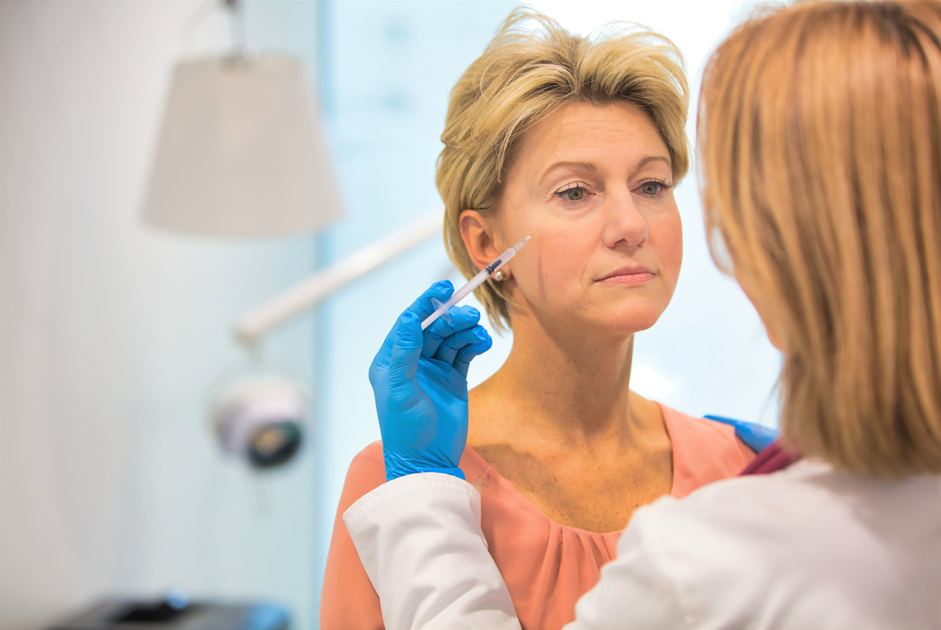
Hands-on filler training lets students experience anatomy in three dimensions.
During live model training, practitioners feel tissue resistance. They observe how product behaves during injection. They learn to adjust technique for individual anatomy.
This experience reinforces anatomy knowledge in a unique way. Textbooks and diagrams cannot replicate it.
Students also learn when alternative treatments may be better. Understanding when skin treatments are more appropriate than injectables is important clinical judgment.
All images used under license from Canva. © APT Medical Aesthetics, 2026. All rights reserved.
The Importance Of Real Patient Interaction
Live model training also offers real patient interaction.
Patient communication is critical in aesthetic practice. Practitioners must explain treatment options. They must set realistic expectations. They must obtain informed consent.
During live model training, students learn how to
• conduct patient consultations
• explain treatment goals and risks
• answer patient questions
• manage patient comfort during procedures
• provide aftercare instructions
These skills build patient trust and maintain professional standards.
Students who practice communication during training handle real consultations better.
Why Clinical Injector Experience Matters
Clinical injector experience separates theory from professional competence.
Practitioners who performed injections during training feel more prepared. They are ready for their first patients in practice.
A practical injectables course with supervised injections helps students develop
• precise hand control
• understanding of injection depth
• ability to adjust techniques based on anatomy
• awareness of patient comfort and response
This training reduces the learning curve for new injectors.
Clinics prefer candidates with hands on training. It shows foundational clinical skills.
A Real Student Experience With Live Model Training
A nurse once took a course with only lectures and demonstrations. She understood the theory. But she felt unprepared to inject independently.
She then enrolled in a hands-on program with live model training.
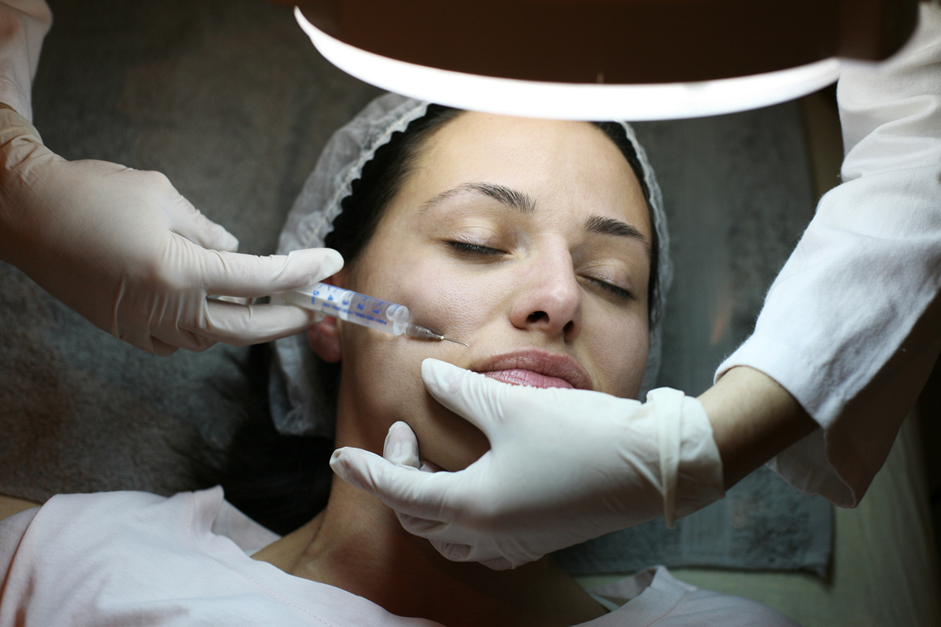
During the program, she performed supervised injections. She received feedback from experienced instructors. She learned to adjust her technique. She communicated with patients during procedures. She managed small challenges in real treatments.
By the end, her confidence improved significantly. She transitioned into practice with strong competence.
This shows how hands-on training improves practitioner readiness.
All images used under license from Canva. © APT Medical Aesthetics, 2026. All rights reserved.
What To Look For In A Hands On Injector Training Program
Healthcare professionals should consider several factors before enrolling.
Key features of effective hands-on programs include
• supervised injections on live models
• small student to instructor ratios
• experienced instructors with clinical expertise
• structured curriculum covering anatomy and safety
• education on complication management protocols
Programs with these elements prepare students for real practice.
Live model Botox training and hands on filler training are valuable. They let students practice under expert supervision.
Frequently Asked Questions About Hands On Injector Training
What Is Hands On Injector Training
Hands on injector training lets students perform injections on live models. Instructors supervise the process.
Why Is Live Model Training Important
Live model training provides real clinical experience. It helps students develop technique, communication, and confidence.
What Is A Practical Injectables Course
A practical injectables course combines theory with supervised training. Students perform treatments on patients.
How Does Clinical Injector Experience Improve Patient Safety
Supervised hands on training prepares practitioners for safe injections. They learn to recognize potential complications.
Why Hands On Education Strengthens Injector Skills
Aesthetic medicine needs both knowledge and experience. Theory provides the scientific foundation. Clinical confidence develops through supervised practice. Understanding anatomy, product behavior, and planning is essential. But practitioners must apply this knowledge during real procedures. Translating theory into practice prepares injectors for safe work.
Hands on injector training refines techniques and deepens understanding. Students learn how tissue layers respond to injections. They learn to control needle or cannula placement. They adjust technique for individual anatomy. These insights cannot come from lectures alone.
Hands on training also builds muscle memory and precision. Injecting facial structures requires steady hand control. It requires accurate depth placement. It requires awareness of product behavior. Practicing under experienced instructors provides immediate feedback. Students correct mistakes early and build confidence.
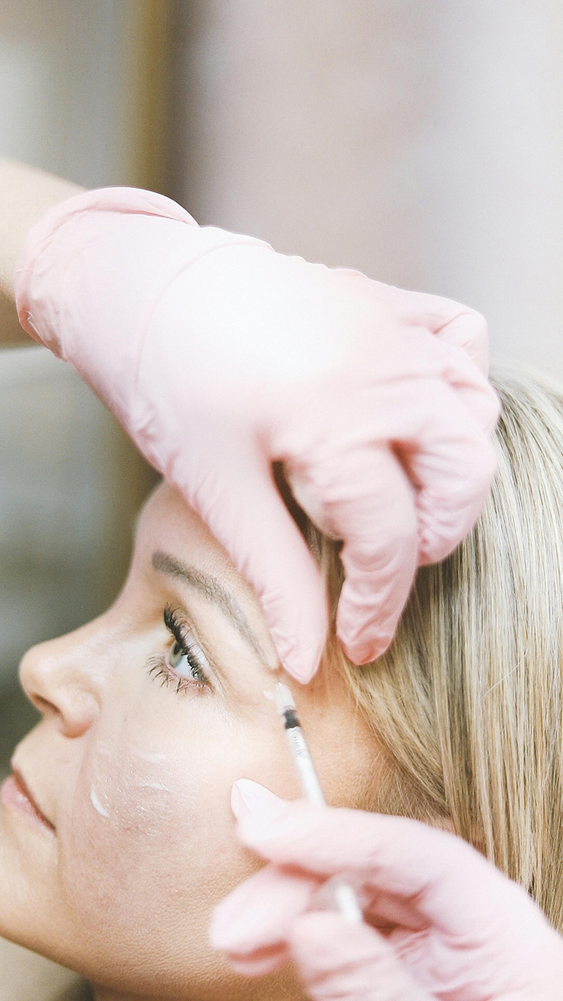
Programs with live model training bridge classroom and practice. Real patients expose students to natural variations in anatomy. They learn to manage patient comfort. They communicate effectively throughout treatment. They adjust their approach based on feedback. These experiences teach the full clinical context.
Another benefit is observing experienced practitioners. Instructors share clinical insights from years of experience. Students learn injection mechanics and decision making. This mentorship accelerates the learning process.
All images used under license from Canva. © APT Medical Aesthetics, 2026. All rights reserved.
APT Injection Training offers comprehensive aesthetic education. Our programs are for regulated healthcare professionals. They combine theory with hands on training. Students apply knowledge in real clinical settings. Through supervised practice, they gain confidence and technical skill. They learn to perform injectable treatments responsibly.
If you want hands on injector training and supervised experience, we can help. Whether you are starting or expanding your skills, our courses support safe, natural looking results. We maintain the highest standards of patient care.
(289) 271-5718
✉️ info@aptinjectiontraining.com
aptinjectiontraining.com
Tips to be a
Successful Injector!
Free E-Book download