Student Log in
 1267 Cornwall Rd, Unit 300, Oakville, Ontario L6J 7T5

 (289) 271-5718
blog
Managing Complications in the Lip Flip – What Injectors Must Watch For

Nov 28 2025
Reading Time: 7 Minutes
Author:
The lip flip has earned a reputation as one of the most popular cosmetic treatments in recent years. Patients love it because it creates a subtle yet noticeable improvement in the upper lip without the need for dermal filler. For injectors, it is a valuable treatment to offer because it appeals to patients who want a conservative enhancement, it requires only a small amount of product, and it introduces new patients to the world of aesthetics.
However, like all cosmetic treatments, the lip flip is not without risk. Even though it uses botulinum toxin in very small doses, complications can occur if the procedure is not performed with precision. Because the perioral area is such a dynamic and complex region of the face, every injection requires careful planning. Misplaced product or excessive dosing can interfere with function, distort the smile, or lead to patient dissatisfaction.
In this guide, we will explore the most common complications associated with the lip flip, explain why they occur, and provide practical guidance for preventing and managing them. For injectors, understanding potential risks is just as important as knowing what a lip flip does, because patient safety and satisfaction must always come first.
What Does a Lip Flip Do
A lip flip is a non-surgical procedure that uses small doses of botulinum toxin injected into targeted areas of the orbicularis oris muscle. This muscle encircles the mouth and plays a vital role in controlling movements such as speaking, smiling, and drinking. By carefully relaxing specific fibers of the muscle, the upper lip gently rolls outward, creating the appearance of fullness without adding volume.
Patients often ask what does a lip flip do compared to filler. While filler physically adds volume and structure, the lip flip enhances shape by altering muscle activity. The result is subtle but effective – reduced gummy smiles, improved lip balance, and in some cases a softening of vertical lip lines. The effect typically lasts between eight and twelve weeks, making it a temporary and low-commitment option.
Although the benefits are clear, the reliance on muscle relaxation also explains why complications are possible. The orbicularis oris is responsible for critical functions, and altering its activity, even slightly, can create challenges if not done properly.
All images used under license from Canva. © APT Medical Aesthetics, 2025. All rights reserved.
Why Complications Occur
Understanding why complications occur starts with recognizing the complexity of the perioral area. Unlike other areas treated with botulinum toxin, the lips are in near-constant motion. The muscles are active every time we speak, smile, eat, or drink. This makes the area particularly sensitive to changes in strength or tone.
Complications usually arise from one of three issues
- Incorrect placement of injections that affects unintended parts of the muscle
- Overdosing, which leads to excessive muscle relaxation
- Patient factors, such as unique anatomy or failure to follow aftercare instructions
With proper training and careful technique, most complications can be minimized or avoided altogether.
All images used under license from Canva. © APT Medical Aesthetics, 2025. All rights reserved.
Common Complications of the Lip Flip
Difficulty using a straw
One of the most common side effects patients experience after a lip flip is difficulty sipping through a straw. This happens because the orbicularis oris muscle is responsible for creating the seal needed to generate suction. When part of the muscle is relaxed, the seal may not be as strong. Patients may notice this change immediately after the procedure, but in most cases it is mild and temporary.
Difficulty pronouncing certain words
Another potential complication is temporary difficulty with speech, particularly pronouncing sounds that require precise lip movement, such as “p” or “b.” This is usually a result of over-relaxation of the muscle and tends to resolve as the patient adapts.
Asymmetry of the smile
If injections are not placed evenly, one side of the lip may relax more than the other. This can create asymmetry when the patient smiles or speaks. While this is not dangerous, it can cause dissatisfaction with the aesthetic result.
Difficulty closing the lips completely
In rare cases, excessive dosing can make it difficult for the patient to fully close their lips. This can interfere with eating, drinking, and speaking, and it can cause significant frustration.
Unnatural appearance
Patients may sometimes feel that their smile looks unnatural if too much of the orbicularis oris has been relaxed. The goal of the lip flip is always subtlety, so over-treatment can undermine the intended effect.
Bruising and swelling
Like all injectable procedures, the lip flip can cause minor bruising or swelling at the injection sites. These side effects are usually temporary and resolve within a few days.
How to Prevent Complications
The best way to manage complications is to prevent them in the first place. Preventive strategies include
Conservative dosing
- The lip flip requires only small amounts of botulinum toxin. Using too much increases the risk of functional impairment. It is always better to start conservatively and adjust in a follow-up appointment.
Precise placement
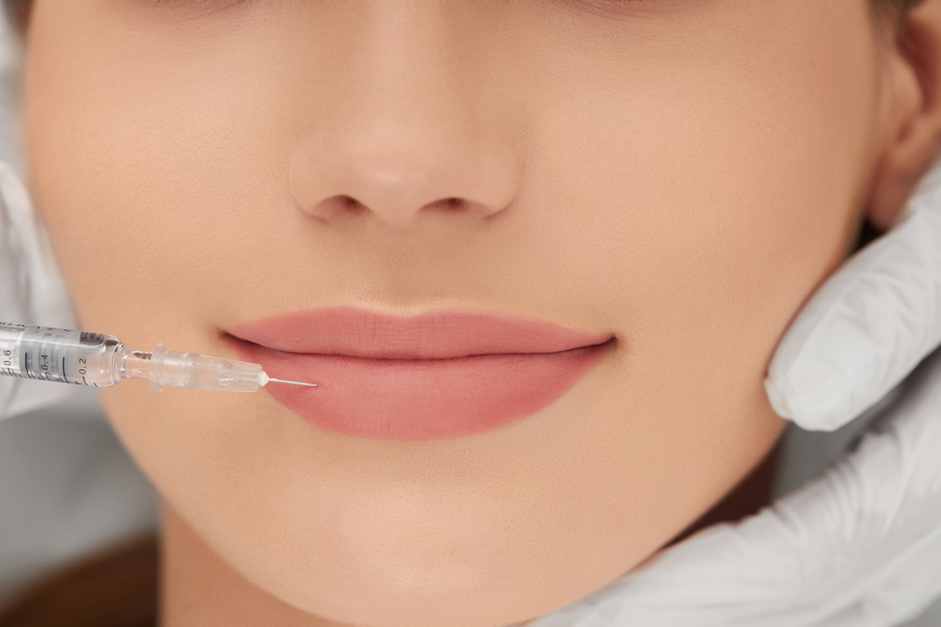
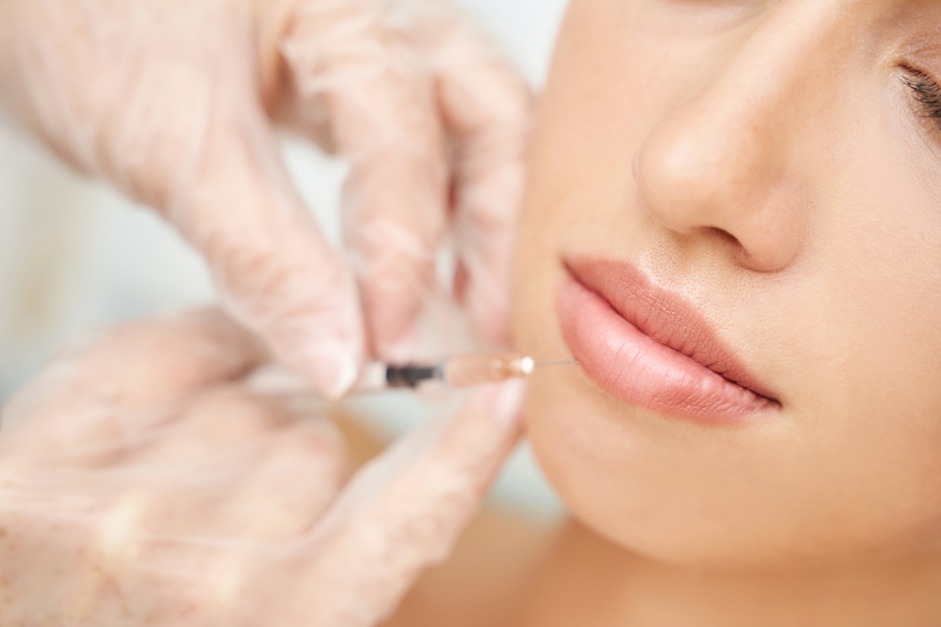
- Knowing exactly where to inject Botox for a lip flip is essential. Injections should be placed near the vermilion border of the upper lip, avoiding areas that control essential functions.
- The perioral area varies from patient to patient. Understanding anatomy ensures that injectors respect natural landmarks and avoid over-relaxing areas that could disrupt the smile.
Patient selection
- Not every patient is an ideal candidate for a lip flip. Patients with very weak orbicularis oris muscles may not respond well, while those with unrealistic expectations may not be satisfied with the subtle results.
Clear patient education
- Patients should know what a lip flip does and what it does not do. Managing expectations prevents disappointment and ensures patients understand that temporary functional changes are normal.
All images used under license from Canva. © APT Medical Aesthetics, 2025. All rights reserved.
Managing Complications When They Occur
Even with preventive measures, complications may still happen. Here is how injectors can manage them effectively
Difficulty using a straw
- Reassure the patient that this is a normal effect of muscle relaxation. Advise them to use cups instead of straws until the adjustment period passes.
Speech difficulties
- Explain that mild changes in speech are temporary and will improve as the patient adapts. Encourage patience, as botulinum toxin naturally wears off within weeks.
Asymmetry
- If asymmetry is noticeable, a touch-up treatment may help balance the results. In other cases, waiting for the product to wear off is the best solution.
Difficulty closing the lips
- If the patient cannot fully close their lips, reassure them that the effect will diminish as the toxin wears off. Encourage them to be cautious with activities such as drinking or eating to avoid frustration.
Unnatural smile
- If the patient feels their smile looks strange, explain that this is due to temporary muscle relaxation and will improve as the effects wear off. Follow-up support and reassurance are key.
Bruising or swelling
- Provide standard guidance such as applying a cold compress, avoiding alcohol, and refraining from strenuous activity until the bruising resolves.

All images used under license from Canva. © APT Medical Aesthetics, 2025. All rights reserved.
The Role of Patient Communication
When it comes to managing complications, communication is just as important as technical skill. Patients need to know that temporary side effects such as difficulty using a straw or mild speech changes are normal and expected. By preparing them in advance, injectors can reduce anxiety and increase satisfaction.
During follow-up, checking in with patients not only helps identify complications early but also shows that the injector cares about their well-being. This builds trust and encourages long-term loyalty.
Why Training Matters
The lip flip may look like a simple procedure, but it requires a detailed understanding of anatomy, precision in technique, and strong communication skills. Without training, injectors may misplace injections, overdose the muscle, or fail to prepare patients for normal side effects.
Professional training equips injectors to
- Identify the right patients for a lip flip
- Use conservative doses tailored to each case
- Place injections precisely for natural results
- Educate patients effectively about aftercare and expectations
- Manage complications with confidence and professionalism
Hands-on courses that emphasize both anatomy and real-world practice are essential for developing these skills.

All images used under license from Canva. © APT Medical Aesthetics, 2025. All rights reserved.
Final Thoughts
The lip flip is a subtle but powerful treatment that can enhance the smile, soften vertical lines, and give the lips a more balanced appearance. For patients, it is an accessible and temporary option that introduces them to aesthetic injectables. For injectors, it is an important skill that expands treatment offerings and meets patient demand.
But success with the lip flip depends on more than just knowing where to inject. It requires anticipating and managing potential complications, from mild difficulties with using a straw to asymmetry or over-relaxation. By approaching the procedure with respect for the anatomy of the perioral area, conservative dosing, and clear patient communication, injectors can minimize risks and maximize satisfaction.
At APT Injection Training, we provide healthcare professionals with comprehensive education in the art and science of injectables. Our courses focus on anatomy, safety, hands-on practice, and patient communication, ensuring that every graduate is prepared to deliver safe and natural results while managing complications with confidence.
Train with Ontario’s most trusted name in aesthetic education – Learn with confidence – Inject with purpose.
(289) 271-5718
✉️ info@aptinjectiontraining.com
aptinjectiontraining.com
Tips to be a
Successful Injector!
Free E-Book download