Student Log in
 1267 Cornwall Rd, Unit 300, Oakville, Ontario L6J 7T5

 (289) 271-5718
blog
Medical Aesthetics Education In Canada – What Programs Actually Prepare You

Apr 27 2026
Reading Time: 6 Minutes
Author:
Interest in medical aesthetics has grown rapidly across Canada. Patients are increasingly seeking non surgical treatments to address concerns such as wrinkles, volume loss, pigmentation, and skin texture changes. As a result, many healthcare professionals and skincare practitioners are exploring aesthetic courses. They want to enter the field or expand their clinical skill set.
However, with the growing popularity of aesthetic medicine has come an increase in training programs. These vary widely in quality, curriculum depth, and hands on experience. Some programs provide comprehensive education for clinical practice. Others offer only brief introductions to aesthetic treatments.
For professionals considering medical aesthetics training Canada programs, it is important to understand which pathways truly prepare practitioners for real world practice.
A strong aesthetic education program should combine anatomy, safety protocols, complication management, and hands on experience with experienced instructors. Understanding what separates high quality training from basic introductory courses can help practitioners make informed decisions. This helps when investing in their professional development.

All images used under license from Canva. © APT Medical Aesthetics, 2026. All rights reserved.
Why Medical Aesthetics Education Has Expanded In Canada
Over the past decade, the demand for aesthetic treatments has expanded significantly across Canada. Non surgical procedures such as neuromodulators, dermal fillers, and laser treatments have become increasingly common in medical aesthetic clinics.
Patients often begin researching these treatments when learning about skin concerns. These include pigmentation, uneven texture, and early signs of aging. As patient awareness grows, clinics require trained professionals. They need people who understand how to safely perform these procedures.
This increased demand has led to a surge in aesthetic courses across the country. This expansion has created more opportunities for education. However, it has also made it harder for prospective students to identify which programs provide meaningful clinical preparation.
Understanding Different Types Of Aesthetic Courses
Not all aesthetic courses are designed for the same audience.
Some programs are intended for regulated healthcare professionals. These include nurses, physicians, and dentists. They are legally permitted to perform medical procedures like injectable treatments.
Other programs focus on skincare services provided by aestheticians. These include facials, chemical peels, and skin analysis.
Esthetician courses often emphasize skincare techniques and cosmetic treatments. These focus on improving the appearance and health of the skin surface.
Cosmetic nursing education programs typically include advanced medical procedures. These include neuromodulator injections, dermal fillers, and regenerative aesthetic treatments.
Understanding the difference between these pathways is essential. Practitioners must decide which program aligns with their background and career goals.
What Comprehensive Injectables Education Should Include
High quality injectables education Canada programs go beyond basic product demonstrations.
Strong programs include a combination of theoretical learning and supervised clinical practice.
Core educational topics should include
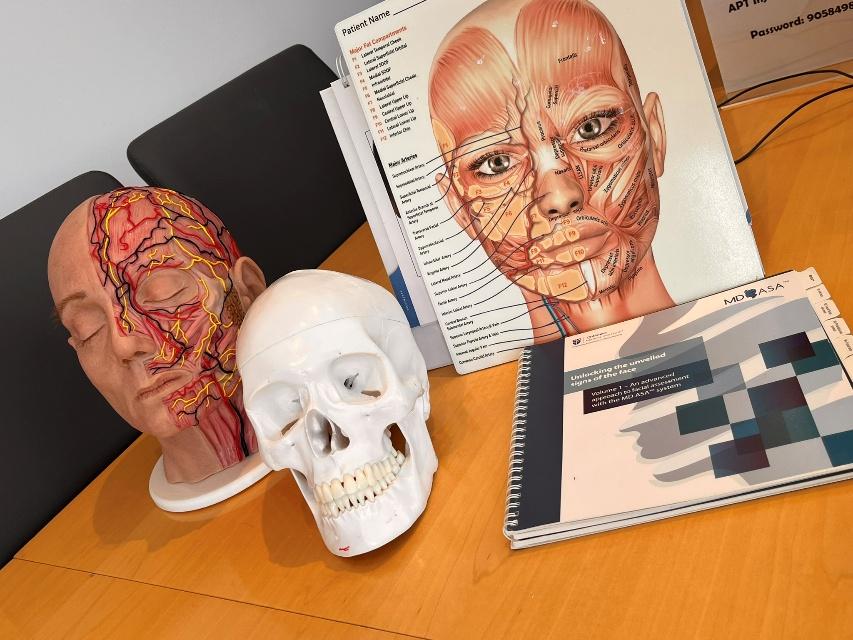
• facial anatomy and vascular structures
• aging patterns and facial assessment
• product rheology and selection
• injection techniques for different treatment areas
• complication prevention and management
• patient consultation and treatment planning
Understanding how facial anatomy changes over time is especially important. This knowledge helps when developing aesthetic treatment plans.

All images used under license from Canva. © APT Medical Aesthetics, 2026. All rights reserved.
Education that addresses these anatomical changes helps practitioners understand how fillers and other treatments should be used. The goal is to restore facial balance rather than simply adding volume.
Why Hands On Training Matters
Hands on clinical experience is one of the most important components of effective aesthetic education.
Watching demonstrations or reviewing lecture material alone is rarely enough. It is not sufficient to develop clinical confidence.
Students benefit greatly from practicing procedures under supervision. Instructors can provide guidance and feedback during these sessions.
Hands-on training allows practitioners to
• understand how facial anatomy feels during injections
• refine needle or cannula control
• observe tissue response to filler placement
• learn how to adjust treatment strategies in real time
Programs with small student to instructor ratios often provide more effective learning environments. Instructors can focus on each student’s technique.
Without hands-on experience, practitioners may struggle. They might find it hard to translate theoretical knowledge into safe clinical practice.

All images used under license from Canva. © APT Medical Aesthetics, 2026. All rights reserved.
The Importance Of Complication Management Education
Another essential component of medical aesthetics training is complication management.
Aesthetic treatments are generally safe when performed by trained professionals. However, complications can occur. Practitioners must be prepared to recognize and manage these situations.
Complication training often includes education on
• vascular occlusion recognition and management
• filler migration prevention
• infection prevention protocols
• patient follow up care
• emergency treatment procedures
Understanding how complications occur and how to address them allows practitioners to maintain patient safety and confidence.
Training programs that emphasize complication prevention and management prepare practitioners to respond appropriately when challenges arise.

All images used under license from Canva. © APT Medical Aesthetics, 2026. All rights reserved.
Evaluating The Quality Of Aesthetic Courses
Prospective students should carefully evaluate aesthetic courses before enrolling.
Several factors can help determine whether a program provides meaningful education.
Important considerations include
• instructor experience and clinical background
• curriculum structure and training hours
• hands on practice opportunities
• student to instructor ratios
• mentorship availability after graduation
Programs taught by experienced injectors often provide valuable insights. These go beyond textbook knowledge. Instructors can share clinical experience and discuss treatment planning strategies. They help students understand how to approach complex aesthetic cases.
Students should also look for programs that emphasize ethical practice and patient safety. Avoid programs that focus solely on quick certification.
A Real World Example Of Education Impact
A registered nurse once enrolled in a short introductory aesthetic course. She expected to begin performing injectable treatments immediately afterward.
The course provided basic theoretical knowledge. However, it offered limited hands on training and minimal discussion of complication management.
The nurse later pursued additional education through a comprehensive cosmetic nursing program. This included supervised injections and mentorship.
Through this training, she gained confidence in facial assessment, product selection, and treatment planning.
Her experience demonstrates how the depth of education can significantly influence a practitioner’s readiness for clinical practice.
All images used under license from Canva. © APT Medical Aesthetics, 2026. All rights reserved.
Questions To Ask Before Enrolling In Aesthetic Courses
Healthcare professionals considering aesthetic courses should ask several important questions before committing to a program.
Key questions include
• What professional background is required for enrollment
• How much hands on clinical training is included
• What is the student to instructor ratio
• Who teaches the program and what is their clinical experience
• Are mentorship opportunities available after training
Programs that provide transparent answers to these questions often offer stronger educational foundations.
Frequently Asked Questions About Medical Aesthetics Education
What Is Medical Aesthetics Training Canada
Medical aesthetics training Canada refers to educational programs. They teach healthcare professionals how to safely perform aesthetic treatments. These include neuromodulators, dermal fillers, and energy based skin treatments.
Is Injector Training Required For Nurses
Nurses who want to perform injectable treatments must complete specialized training programs. They must also work within the regulatory framework governing their professional practice.
What Is Included In Cosmetic Nursing Education
Cosmetic nursing education typically includes anatomy education, injection techniques, patient consultation training, complication management, and supervised clinical practice.
Are All Aesthetic Courses Equal
No. Programs vary widely in curriculum depth, hands on experience, and instructor expertise.
Choosing Education That Prepares You For Real Clinical Practice
The field of medical aesthetics offers exciting career opportunities for healthcare professionals. These professionals are interested in combining clinical knowledge with aesthetic treatment planning. Treatments such as neuromodulators, dermal fillers, regenerative injectables, and energy based skin technologies continue to evolve. This creates new possibilities for practitioners who want to expand their scope of practice. They can help patients address concerns related to aging, skin quality, and facial balance. For many healthcare professionals, entering medical aesthetics provides an opportunity to apply their medical training in a dynamic environment. Patient care, scientific knowledge, and aesthetic judgment all intersect here.
However, success in aesthetic medicine requires more than simply completing an introductory course. An initial course may introduce practitioners to the fundamentals of injectable treatments or skin therapies. However, true clinical competence develops through deeper education and practical experience. Practitioners must learn how to evaluate facial anatomy. They must assess patient suitability for treatment. They must design individualized treatment plans that support natural results. These skills take time to develop. They are best learned through structured training programs that provide both theoretical instruction and real clinical exposure.
Practitioners who pursue high quality education are better prepared to deliver safe and effective treatments. This education emphasizes anatomy, patient assessment, complication management, and hands on training. A strong understanding of anatomy allows practitioners to identify safe injection zones. It helps them avoid important vascular structures. Patient assessment skills help practitioners determine whether a treatment is appropriate
Tips to be a
Successful Injector!
Free E-Book download