Student Log in
 1267 Cornwall Rd, Unit 300, Oakville, Ontario L6J 7T5

 (289) 271-5718
blog
Correcting Poorly-Done Injectables – Why Advanced Training Matters
May 18 2026
Reading Time: 7 Minutes
Author:
Introduction
The popularity of aesthetic treatments continues to grow. So does the number of patients seeking corrective procedures. More injectors are entering the field. A wider range of treatments is being performed. Patients are becoming increasingly aware of both good and poor outcomes.
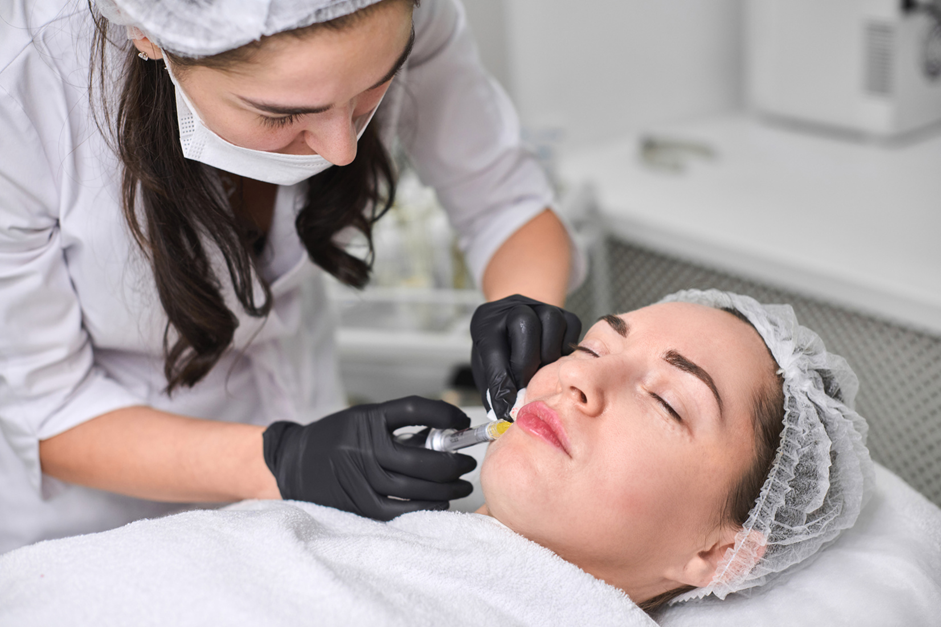
Many injectable treatments deliver excellent results. However, there is also an increasing demand for correction. Patients seek help with asymmetry, overfilling, irregular texture, and migrated lip filler.
In many cases, patients are not just looking for improvement. They are looking for restoration. They want to return to a more natural appearance. Previous results may feel overdone or imbalanced.
This places a unique responsibility on the injector. Correction requires technical skill. It also requires careful assessment and a strategic approach to treatment.
For injectors, this highlights an important reality: Performing treatments is one skill. Correcting them is another.
Why Correction Is Different from Initial Treatments
Initial treatments are often performed on relatively predictable anatomy. The aesthetic goals are usually clear.
Correction cases are different. They involve working with altered structures, previously placed product, and sometimes compromised tissue. This makes the process more complex. It requires a higher level of clinical judgment.
Managing complications and suboptimal results requires a higher level of clinical knowledge, precision, and experience. Practitioners must identify the underlying cause of the issue. They must determine the safest and most effective method of correction. They must execute the treatment with a conservative and controlled approach.
They must also manage patient expectations. Correction often requires multiple steps rather than a single treatment.
This is where advanced training becomes essential. Through continued education, injectors develop the skills needed to approach complex cases with confidence. They reduce the risk of further complications. They deliver results that restore balance and natural appearance.

All images used under license from Canva. © APT Medical Aesthetics, 2026. All rights reserved.
Why Patients Seek Filler Correction
Not all injectable results meet patient expectations. In some cases, the issue may be subtle. In others, it can significantly affect facial balance and appearance.
Common Reasons Patients Seek Correction
- Migrated lip filler.
- Uneven or asymmetrical results.
- Overfilled or unnatural appearance.
- Persistent swelling or irregular texture.
- Dissatisfaction with previous treatments.
Patients are becoming more informed. They are actively seeking providers who can safely correct these concerns.
What Is Migrated Lip Filler?
Migrated lip filler occurs when filler moves beyond the intended treatment area.
Signs of Migration
- Blurred lip borders.
- Fullness above the lip line.
- Uneven distribution of product.
- Loss of natural lip shape.
Lip filler migration is often the result of improper technique, incorrect placement, or overfilling. Understanding how and why migration occurs is key to both prevention and correction.
Practitioners often deepen their understanding of this topic through resources such as filler migration training. These resources highlight the importance of proper technique and education.
Why Correcting Filler Is More Complex Than Injecting
Correcting poor injectables requires a different skill set than performing initial treatments.
Challenges in Correction
- Identifying the cause of the issue.
- Determining the appropriate correction method.
- Managing patient expectations.
- Minimizing further complications.
Unlike primary treatments, correction often involves working with altered anatomy and previously placed product. This requires careful planning and a conservative approach.
The Role Of Filler Dissolution Training
One of the most important tools in correction is hyaluronidase. This enzyme is used to dissolve hyaluronic acid-based fillers.
What Filler Dissolution Training Teaches
Filler dissolution training teaches practitioners:
- When dissolution is appropriate.
- How to dose hyaluronidase safely.
- How to target specific areas.
- How to avoid overcorrection.
- How to manage patient outcomes.
This training is essential for practitioners who want to safely correct filler complications.
Understanding Filler Complications
In addition to migration, injectors must be prepared to manage other filler-related complications.
Common Complications
- Vascular occlusion.
- Nodules or lumps.
- Inflammation or infection.
- Asymmetry.
Advanced training focuses on both prevention and management of these issues. Practitioners who invest in continued education often explore topics such as anatomy-focused training. These topics emphasize how deeper knowledge improves safety.
Why Advanced Training Is Essential For Correction
Correcting filler mistakes requires more than basic knowledge.
What Advanced Training Provides
- In-depth anatomical understanding.
- Experience with complex cases.
- Knowledge of multiple correction techniques.
- Confidence in clinical decision making.
Practitioners who complete advanced courses are better equipped to approach correction cases safely and effectively.

All images used under license from Canva. © APT Medical Aesthetics, 2026. All rights reserved.
The Importance Of Patient Communication
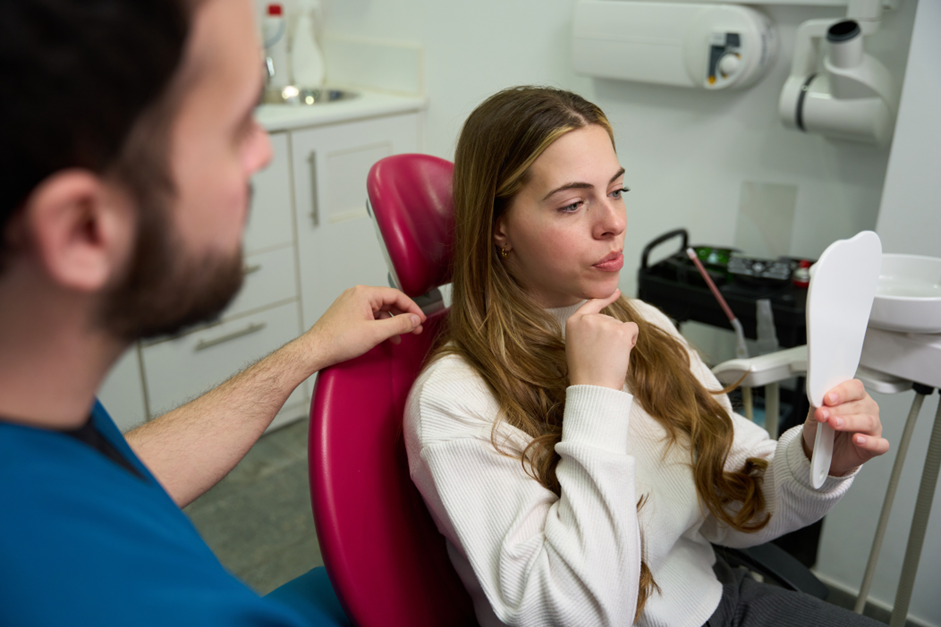
Corrective treatments often involve patients who are already dissatisfied or anxious. Many have had a previous experience that did not meet their expectations. This can make them more cautious, emotional, or uncertain about undergoing further treatment. The consultation process becomes just as important as the technical procedure itself.
Why Communication Matters
Strong communication skills are essential for:
- Setting realistic expectations.
- Explaining treatment options.
- Discussing risks and outcomes.
- Building trust.
Practitioners must take the time to listen carefully to patient concerns. They must understand their goals. They must provide clear, honest guidance. In correction cases, it is especially important to explain that results may take time. They may also require multiple steps, rather than offering immediate solutions.
Clear communication helps patients understand the reasoning behind each treatment decision. Whether recommending dissolution, delaying treatment, or taking a conservative approach, patients are more likely to feel confident when they understand the process and expected outcomes.
Managing expectations is just as important as managing the treatment itself. When patients have a realistic understanding of what can be achieved, they are more likely to feel satisfied with the results. They are also more likely to trust the practitioner’s expertise.
All images used under license from Canva. © APT Medical Aesthetics, 2026. All rights reserved.
A Real Clinical Perspective
A patient presented with migrated lip filler and an uneven lip border after previous treatments performed elsewhere.
The practitioner assessed the distribution of the filler. He recommended partial dissolution before re-treating the area.
After carefully dissolving and rebalancing the lips, the patient achieved a more natural and symmetrical result.
This case highlights the importance of both technical skill and clinical judgment in correction.
Frequently Asked Questions About Filler Correction
What Causes Lip Filler Migration?
Migration is often caused by improper technique, overfilling, or incorrect placement. Factors such as injecting too superficially, placing product outside of the natural lip borders, or layering too much filler over time can contribute to migration. In some cases, natural muscle movement and repeated treatments without proper assessment can also influence how filler shifts over time.
Can Migrated Lip Filler Be Fixed?
Yes. Correction may involve dissolving and re-treating the area. In many cases, practitioners will use a staged approach. They first dissolve the misplaced filler to restore the natural anatomy. They then reassess before performing any additional treatment. This helps ensure that results are more balanced and natural-looking.
What Is Filler Dissolution Training?
Filler dissolution training teaches practitioners how to safely use hyaluronidase to correct filler issues. This includes understanding appropriate dosing, injection technique, and how to target specific areas without affecting surrounding tissue. Practitioners also learn how to assess when dissolution is necessary. They learn how to manage patient expectations throughout the correction process.
Why Is Advanced Training Important For Correction?
Advanced training provides the knowledge and skills needed to manage complex cases safely. Correction cases often involve altered anatomy and previous treatments. These require a more advanced level of clinical judgment. Practitioners with advanced training are better equipped to identify underlying issues, choose the appropriate treatment approach, and deliver safe and effective results..
Elevating Your Skills To Manage Complex Cases
Correcting poor injectable results is one of the most challenging aspects of aesthetic practice. Unlike standard treatments, correction cases often involve patients who are already dissatisfied, concerned, or anxious about their appearance. This adds an additional layer of responsibility for the injector. Both the clinical and emotional aspects of care must be carefully managed.
It requires a higher level of skill, deeper anatomical understanding, and the ability to make careful clinical decisions. Practitioners must assess what has been done previously. They must identify the cause of the issue. They must determine the safest and most effective approach to correction. This often involves working with altered anatomy, residual product, and varying tissue responses. All of these require precision and experience.
In many cases, correction is not a one-step process. It may involve dissolving filler, allowing the tissue to settle, and then reassessing before performing additional treatments. This staged approach requires patience, planning, and strong clinical judgment. It ensures optimal outcomes while minimizing further risk.
All images used under license from Canva. © APT Medical Aesthetics, 2026. All rights reserved.
Invest in Advanced Training
By investing in advanced training, practitioners can develop the confidence needed to manage complex cases and improve patient outcomes. Advanced education provides exposure to a wider range of clinical scenarios. It teaches refined techniques. It strengthens the ability to make informed decisions in real time. It also reinforces the importance of safety. Practitioners approach each case with a cautious and thoughtful mindset.
Beyond technical skill, advanced training also helps practitioners build confidence in communication. Being able to explain treatment plans, set realistic expectations, and guide patients through the correction process is essential for building trust and achieving satisfactory results.
Take the Next Step with APT Injection Training
At APT Injection Training, we provide advanced education that focuses on complication management, anatomy, and hands-on experience to prepare practitioners for real-world clinical scenarios. Our programs are designed to support practitioners as they transition from foundational techniques to more advanced, complex treatments.
If you are looking to expand your skills and confidently manage filler correction cases, our team would be happy to guide you. Whether you are refining your technique or taking on more advanced cases, we are here to support your growth in aesthetic medicine.
(289) 271-5718
✉️ info@aptinjectiontraining.com
aptinjectiontraining.com
Tips to be a
Successful Injector!
Free E-Book download