Student Log in
 1267 Cornwall Rd, Unit 300, Oakville, Ontario L6J 7T5

 (289) 271-5718
blog
Injector Certification Myths – What Certifications Really Mean

May 06 2026
Reading Time: 5 Minutes
Author:
The medical aesthetics industry has grown significantly. Patient demand for non-surgical treatments keeps rising. More healthcare professionals explore aesthetic courses. They want to expand their scope of practice. They also want to join this evolving field.
However, the rise in training programs has caused confusion. Many believe a single course qualifies them. They think it makes them a fully trained injector. Others assume a universal certification exists. They believe it allows anyone to perform injectable treatments.
In reality, injector certification is more nuanced than many realize.
Medical aesthetics certification programs vary widely. They differ in curriculum, hands-on training, mentorship, and depth. Understanding what certifications represent is essential. Knowing how they fit within regulations is also key. Healthcare professionals need this clarity.
By separating myths from reality, practitioners can make informed choices. They can choose courses that support long-term growth.
Understanding What Injector Certification Actually Represents
One common myth is that certification works like a professional license.
In many healthcare fields, certification means standardized education. It also means passing a formal exam. In aesthetic medicine, certification usually means completing a training program. It is not a regulatory credential.
Completing an aesthetic course shows a practitioner has received education. Topics include
Topics Typically Covered
• facial anatomy
• product selection
• injection techniques
• complication prevention
• patient consultation
However, certification alone does not replace clinical experience or mentorship.
In most cases, aesthetic courses are a foundation. They are not the final step.
Many practitioners refine skills through advanced workshops. They also use mentorship and clinical practice.
Practitioners who understand skin health can better integrate injectables. They can combine them with other aesthetic solutions.
All images used under license from Canva. © APT Medical Aesthetics, 2026. All rights reserved.
Myth One: Certification Alone Makes Someone An Experienced Injector
A common myth is that completing a certification makes someone an expert.
Training programs provide important foundational knowledge. But true expertise requires continued practice. It also needs mentorship and real patient experience.
Learning injection techniques in a classroom is only the first step.
What Practitioners Must Also Develop
• patient assessment skills
• treatment planning abilities
• complication management strategies
• aesthetic judgment
These skills evolve over time through clinical exposure and ongoing education.
Practitioners who pursue additional learning gain deeper insight. They understand facial aging and treatment planning. Conditions like uneven texture can influence decisions.
Myth Two: All Aesthetic Courses Are The Same
Another widespread myth is that all courses offer the same training.
In reality, aesthetic courses vary significantly. They differ in curriculum and clinical training.
Some focus heavily on theory with limited hands-on experience. Others emphasize supervised injections and real patients.
A high quality course should include
• detailed facial anatomy education
• product pharmacology and indications
• injection technique demonstrations
• supervised hands on practice
• complication prevention and management
Programs with hands on experience build confidence. They also improve technical proficiency more effectively.
Healthcare professionals should review curriculum carefully. They should check instructor experience and student ratios.

All images used under license from Canva. © APT Medical Aesthetics, 2026. All rights reserved.
Myth Three: There Is A Universal Injector License
Many students search for a universal injector license. They want one that works anywhere.
However, medical aesthetics is governed by broader healthcare rules. There is no single licensing body.
In Ontario, injectables fall under regulated professionals. They must work with appropriate medical oversight.
This means eligibility often depends on existing credentials.
Courses for regulated providers ensure participants have the clinical background. This background is needed for safe procedures.
Understanding the regulatory framework helps practitioners choose programs. These should align with professional standards.
The Role Of Continuing Education In Aesthetic Medicine
Aesthetic medicine is an evolving field. It requires continuous learning.
New products, techniques, and technologies appear regularly. Practitioners committed to education provide safer treatments.
Continuing education may include
• advanced injection workshops
• complication management training
• anatomy focused courses
• laser and energy based device training
Many practitioners learn additional technologies. These address skin concerns discussed in resources like Laser Skin Resurfacing – Is It Worth It For Texture Lines And Tone.
Understanding how treatments work together helps develop comprehensive plans.
Why Hands On Training Matters
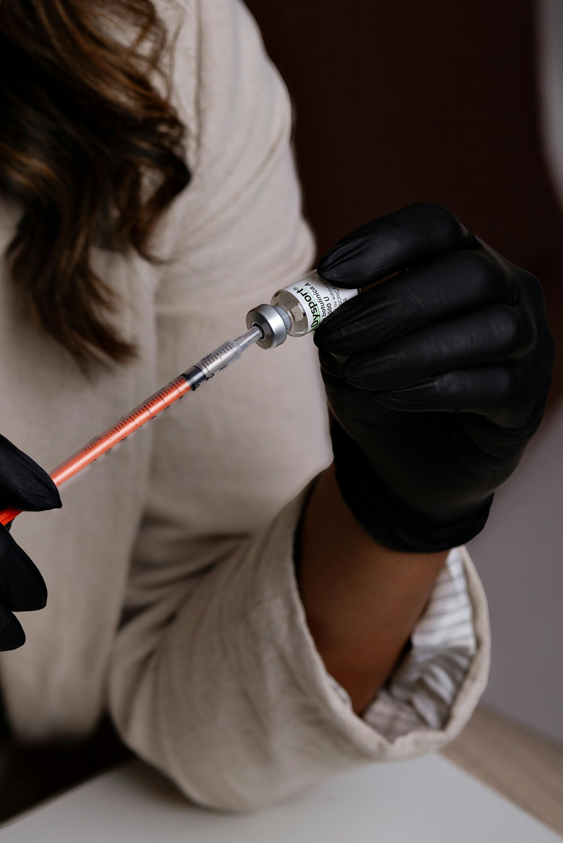
Hands on experience is one of the most important parts of any course.
Watching demonstrations or reviewing theory is helpful. But real skill development happens under supervision.
Supervised training allows students to
• understand facial anatomy in 3D
• refine needle and cannula control
• observe patient responses
• adjust techniques in real time
Programs with small student ratios create better learning. Instructors provide individualized guidance.
Hands on training also builds confidence. Students feel ready before treating patients alone.
All images used under license from Canva. © APT Medical Aesthetics, 2026. All rights reserved.
A Real Student Perspective On Injector Certification
A nurse once enrolled in an aesthetic course. She expected certification to prepare her for practice.
The program provided valuable theoretical knowledge. But she realized confidence required more mentorship.
She later joined advanced training and mentorship. There she refined techniques with experienced instructors.
This deepened her understanding of assessment and patient communication.
er experience shows certification is the beginning. It is not the conclusion.

All images used under license from Canva. © APT Medical Aesthetics, 2026. All rights reserved.
Questions To Ask Before Enrolling In An Aesthetic Course
Healthcare professionals should review program details before enrolling.
Important questions include
• What professional background is required
• How much hands on training is included
• What is the student to instructor ratio
• Who teaches and what is their experience
• Are mentorship opportunities available
Programs that emphasize education and support often provide stronger foundations.
Frequently Asked Questions About Injector Certification
Is Injector Certification Required To Perform Injectables
Practitioners must meet regulatory requirements. Certification shows training completion. It does not replace professional credentials.
What Is Medical Aesthetics Certification
It refers to educational programs. They teach safe aesthetic procedures. This includes neuromodulator and filler injections.
Do Injector Credentials Matter
Yes. Patients seek practitioners with structured training and ongoing education.
Are All Aesthetic Courses Equal
No. Programs vary in curriculum, hands on training, and mentorship.
Choosing Education That Supports Long Term Growth
Aesthetic medicine offers exciting opportunities. It combines clinical knowledge with artistic planning.
Treatments like neuromodulators and fillers continue to evolve. This creates new possibilities. Practitioners can expand their scope. They help patients address many concerns.
For many, this field blends science, care, and judgment.
What Success Requires
Success requires more than one certification. An introductory course provides foundational knowledge. But true confidence develops over time.
It comes through:
- Continued education.
- Practice.
- Mentorship.
The best practitioners view education as ongoing. As techniques evolve, staying informed is essential.
Benefits of Quality Education
Practitioners who pursue quality education are better equipped. They develop safe and effective practices.
- Hands-on experience builds precision.
- It deepens understanding of anatomy and assessment.
- Mentorship provides valuable guidance.
- Experienced injectors help navigate real scenarios.
- They refine planning and build confidence.
These experiences help transition from theory to practice.
Take the Next Step with APT Injection Training
At APT Injection Training, we provide comprehensive aesthetic education. Our programs emphasize hands-on experience, anatomy, and patient safety.
We are committed to supporting practitioners at every stage of their journey. Whether you are just starting or looking to advance your skills, we are here to help.

All images used under license from Canva. © APT Medical Aesthetics, 2026. All rights reserved.
Tips to be a
Successful Injector!
Free E-Book download