Student Log in
 1267 Cornwall Rd, Unit 300, Oakville, Ontario L6J 7T5

 (289) 271-5718
blog
Injector Confidence And Competence – Why Practice Volume Matters
Jul 04 2026
Reading Time: 7 Minutes
Author:
Every injector remembers their first patient.
The sweaty gloves. The racing heart. The fear of making a mistake. The constant second-guessing while holding a syringe for the very first time.
You can memorize anatomy textbooks. You can watch endless online videos. You can complete theory modules and ace written exams. But the moment you sit in front of a real patient with real facial anatomy, everything changes.
Because aesthetic medicine is not learned through observation alone. It is learned through repetition, experience, supervision, correction, and hands-on training.
One of the biggest misconceptions in the medical aesthetics industry is the belief that a certification alone automatically creates a confident injector. In reality, confidence and competence are built through clinical injector hours, live patient interactions, supervised injectables training, and continuous hands-on training over time.
This is exactly why practice volume matters so much.
At APT Injection Training, we believe injectors develop true clinical skill through immersive, hands-on education that prioritizes patient safety, anatomy, mentorship, and repetition. Because when it comes to injectable treatments, confidence should never come from ego. It should come from experience.
Why Confidence In Aesthetic Medicine Cannot Be Faked
Patients can immediately sense uncertainty. Even if an injector says all the right things, hesitation often shows through body language, consultation flow, treatment planning, and injection technique.
Confident injectors tend to:
- Assess facial anatomy more efficiently
- Communicate more clearly
- Handle complications more calmly
- Create better patient trust
- Adapt treatment plans more effectively
- Inject with more precision and control
- Maintain stronger patient retention
However, here is the important distinction many people overlook: confidence without competence is dangerous, and competence without enough repetition often leads to hesitation. The goal is developing both simultaneously through high-quality hands-on training.
This is why live model training and supervised injectables training play such a critical role in aesthetic education.
All images used under license from Canva. © APT Medical Aesthetics, 2026. All rights reserved.
The Difference Between Watching And Actually Injecting
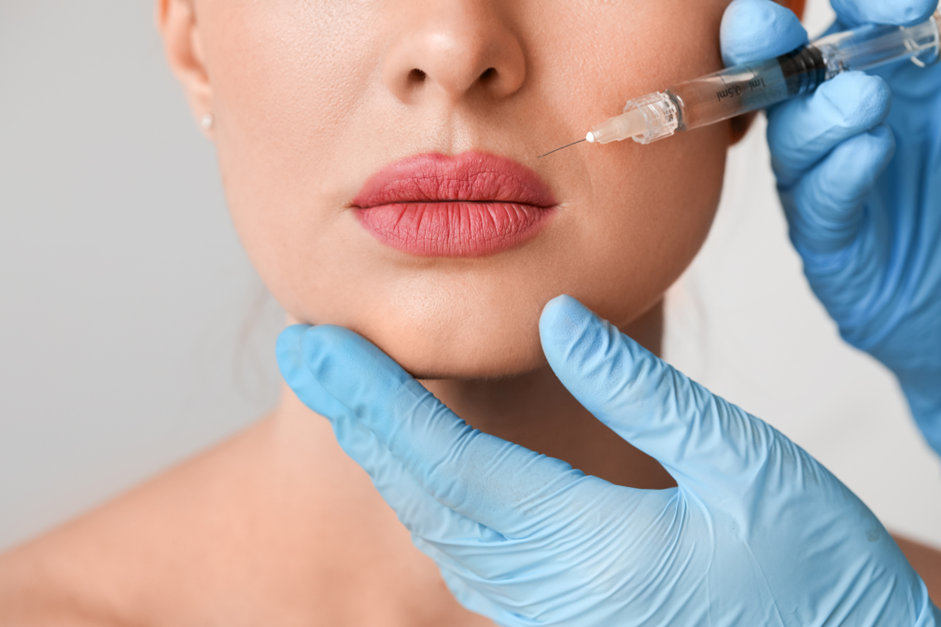
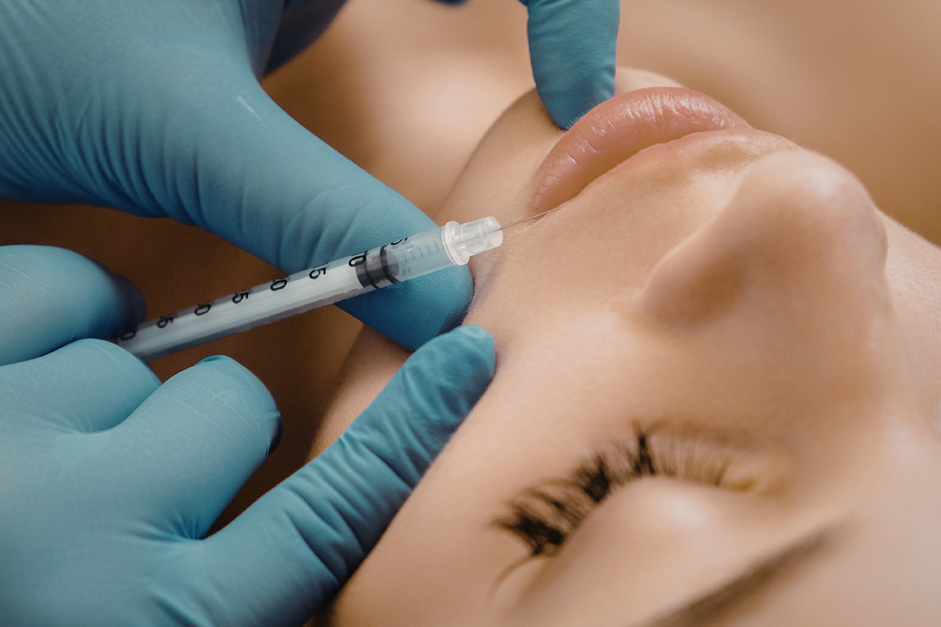
There is a massive difference between observing a treatment and physically performing one. Watching an experienced injector complete a lip augmentation may appear straightforward.
However, once a trainee begins treating a real patient themselves, they quickly realize how many variables exist in real time. Questions begin flooding their mind:
- How much pressure should I apply
- Am I in the correct tissue plane
- Is this patient bruising easily
- How do I stabilize the tissue properly
- Should I adjust my treatment plan
- Is this asymmetry pre-existing
- How much product is truly needed
These clinical decisions cannot fully develop through passive learning alone. Hands-on injector training helps bridge the gap between theory and execution. This is where injectors begin developing muscle memory, clinical reasoning, and patient communication skills simultaneously.
Why Practice Volume Matters So Much
Repetition creates familiarity. Familiarity reduces hesitation. And reduced hesitation improves injector flow, safety, and patient confidence.
When injectors gain enough supervised clinical injector hours, they begin recognizing patterns faster. Facial anatomy becomes easier to assess. Product selection becomes more strategic. Complication recognition improves. Consultation skills become smoother.
The injector is no longer focused solely on “how to inject.” Instead, they begin thinking critically about the entire patient journey.
High practice volume helps injectors improve:
- Needle control
- Cannula handling
- Product placement
- Facial assessment
- Symmetry analysis
- Consultation skills
- Patient education
- Complication management
- Treatment planning
- Speed and efficiency
- Clinical adaptability
This is why experienced injectors continue practicing and refining their techniques for years. Aesthetic medicine is not a skillset you master after one weekend course. It evolves continuously.
A Story Almost Every New Injector Can Relate To
A nurse completes an injectables certification course and feels excited to begin her aesthetic career. She understands facial anatomy academically and performed a few injections during training.
But once she starts seeing patients independently, self-doubt creeps in quickly. Her consultations take much longer than expected. She overthinks every injection point. She worries constantly about asymmetry. She struggles to feel fully confident recommending treatment plans.
Instead of feeling empowered, she feels overwhelmed.
So she seeks additional hands-on injector training with more live model training opportunities. Over time, something changes.
The repetition begins building familiarity. She learns how different lips behave. She gains experience managing bruising and swelling. She becomes faster at assessing facial balance. Her consultations become more natural and confident.
Months later, she realizes the biggest difference was not simply knowledge. It was practice volume.
This journey is incredibly common in aesthetic medicine. Confidence is not magically obtained after certification. It is built gradually through supervised experience and repetition.
All images used under license from Canva. © APT Medical Aesthetics, 2026. All rights reserved.
Why Live Model Training Is Essential
One of the most valuable components of aesthetic education is working with live models. Why? Because real patients are unpredictable.
Every face is different. Every tissue type behaves differently. Every patient has unique anatomy, movement patterns, asymmetries, and goals.
Live model training exposes injectors to:
- Different facial structures
- Different skin qualities
- Various aging patterns
- Patient communication challenges
- Unexpected treatment adjustments
- Real-time injector decision making
Training exclusively on mannequins or theoretical simulations cannot fully prepare injectors for the realities of clinical practice. This is why supervised injectables training with real patients is such a critical part of becoming a competent injector.
At APT Injection Training, live model education is heavily prioritized because clinical confidence develops through real world repetition and mentorship.
What Building Injector Confidence Actually Looks Like
Building injector confidence does not mean becoming reckless or overly aggressive. In fact, experienced injectors often become more conservative and thoughtful over time.
Real confidence looks like:
- Knowing when to say no to treatment
- Recognizing complications early
- Adjusting treatment plans safely
- Remaining calm under pressure
- Educating patients honestly
- Understanding facial limitations
- Knowing when to refer out
- Prioritizing natural outcomes over trends
One of the most important things new injectors must understand is that confidence should never come from pretending to know everything. The best injectors continue learning throughout their entire career.
The Emotional Side Of Becoming An Injector
Many healthcare professionals entering aesthetics underestimate how emotionally challenging the learning curve can feel.
It is common for new injectors to experience:
- Performance anxiety
- Fear of complications
- Comparison to experienced injectors
- Imposter syndrome
- Fear of disappointing patients
- Pressure from social media
- Difficulty charging appropriately
- Hesitation during consultations
This is normal. Aesthetic medicine combines technical precision with artistry, communication, business skills, and patient psychology all at once.
That is why supportive mentorship and supervised injectables training matter so much during the early stages of injector development.
The injectors who succeed long term are usually not the ones who became perfect immediately. They are the ones who stayed consistent, practiced safely, asked questions, and continued improving.
All images used under license from Canva. © APT Medical Aesthetics, 2026. All rights reserved.
Have You Ever Asked Yourself This
Would you feel comfortable managing a real patient independently after only minimal clinical injector hours? This question is important because patient safety should always come before speed or convenience.
Choosing the right training environment can dramatically influence an injector’s long-term success and confidence level.
Signs Of A Strong Hands-On Injector Training Program
Not all training programs are structured equally. Some courses focus heavily on theory while offering limited practical experience. Others prioritize speed over true competency development.
When researching hands-on injector training in Ontario or the GTA, healthcare professionals should look for programs that include:
- Extensive live model training
- Small trainee to trainer ratios
- Ongoing mentorship opportunities
- Anatomy focused education
- Complication management training
- Supervised injectables training
- Clinical injector hours
- Real time instructor feedback
- Beginner and advanced progression pathways
- Exposure to different treatment areas
A strong educational foundation helps reduce fear and improve clinical readiness significantly.
Why Repetition Improves Safety
One of the biggest benefits of practice volume is improved safety awareness. Injectors with more supervised experience become better at recognizing:
- Vascular warning signs
- Patient contraindications
- Poor candidacy
- Anatomical variations
- Product limitations
- Injection depth errors
- Early complication symptoms
Repetition improves not only technical skill but also clinical judgment. This is one reason why experienced injectors often appear calm during stressful situations. Their past exposure helps them recognize patterns and respond more efficiently.
FAQ About Hands-On Injector Training
How long does it take to feel confident as an injector?
Confidence develops differently for every injector. Most practitioners become more comfortable gradually through consistent hands-on injector training, mentorship, repetition, and patient exposure over time.
Why is live model training important?
Live model training allows injectors to work with real facial anatomy, patient movement, tissue behavior, and consultation dynamics in a supervised environment.
What are clinical injector hours?
Clinical injector hours refer to the amount of real patient treatment experience an injector gains during supervised training or practice.
Is supervised injectables training necessary after certification?
For many injectors, yes. Ongoing supervised experience can significantly improve confidence, patient safety, consultation flow, and treatment planning skills.
Can injector confidence improve without practice volume?
Practice volume plays a major role in developing injector competence. Without enough repetition, many injectors struggle with hesitation and clinical uncertainty.
All images used under license from Canva. © APT Medical Aesthetics, 2026. All rights reserved.
Why Patients Care About Injector Experience
Patients today are becoming increasingly educated about aesthetic medicine. They are asking more questions about:
- Injector qualifications
- Clinical experience
- Complication management
- Training background
- Before and after consistency
- Safety protocols
Patients are no longer choosing providers based solely on price or social media popularity. They want injectors who demonstrate competence, professionalism, and confidence.
This is why investing in hands-on injector training benefits not only clinical skill development but also long-term career growth.
The Reality About Becoming Skilled In Aesthetic Medicine
There is no shortcut to becoming an experienced injector. No single certification instantly creates mastery.
Aesthetic medicine requires:
- Practice
- Repetition
- Mentorship
- Self reflection
- Continuing education
- Patience
- Adaptability
The injectors who continue improving year after year are usually the ones who stay humble enough to keep learning. Because every patient teaches something new.
Why APT Injection Training Prioritizes Clinical Experience
At APT Injection Training, our goal is not simply to hand students a certificate. Our goal is to help regulated healthcare professionals develop real clinical confidence through immersive, hands on education.
Our programs emphasize:
- Extensive hands on injector training
- Live model training
- Small 2 to 1 trainee to trainer ratios
- Real time instructor guidance
- Advanced anatomy education
- Complication management
- Ongoing mentorship and support
- Clinical reasoning and assessment
- Beginner and advanced injectables education
- State of the art training facility in Oakville
We understand that becoming a confident injector requires more than theory alone. It requires supervised experience, repetition, and exposure to real patient scenarios in a supportive learning environment.
Whether you are just beginning your aesthetic medicine journey or looking to expand your injector experience further, investing in high quality training can dramatically influence your confidence, patient outcomes, and long term success in this industry.
Because in aesthetic medicine, confidence is not built through shortcuts. It is built through experience.
Ready to strengthen your injector skills through immersive hands on training in Oakville and the GTA?
Connect with APT Injection Training to learn more about our beginner and advanced injectables courses for regulated healthcare professionals.
📞 (289) 271-5718
✉️ info@aptinjectiontraining.com
🌐 aptinjectiontraining.com
Tips to be a
Successful Injector!
Free E-Book download