Student Log in
 1267 Cornwall Rd, Unit 300, Oakville, Ontario L6J 7T5

 (289) 271-5718
blog
Laser Safety And Liability – What Training Programs Should Cover
May 11 2026
Reading Time: 5 Minutes
Author:
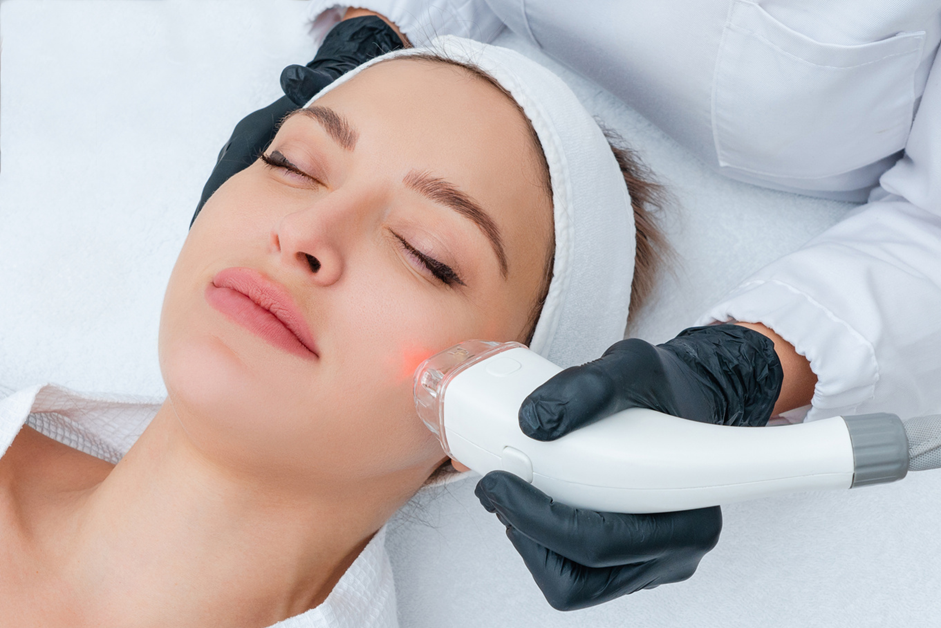
Laser treatments are becoming more common in medical aesthetics. Proper education is now more important than ever. From laser hair removal to advanced skin resurfacing, these technologies offer powerful results. Patients want treatments that improve skin tone, texture, and overall appearance. They also want minimal downtime. This has led to rapid growth in laser device use.
These treatments can be highly effective. But they also carry risks. A strong foundation in safety and clinical responsibility is essential. Unlike topical treatments, lasers deliver controlled energy into the skin. Incorrect use can cause burns, pigmentation changes, or scarring. Proper training is critical for any practitioner.
For healthcare professionals, a laser course goes beyond device operation. Understanding mechanics is important. But true competency involves much more. Practitioners must assess patients thoroughly. They must choose appropriate treatment parameters. They must adjust for different skin types and conditions. They must also recognize contraindications and know when to avoid treatment.
All images used under license from Canva. © APT Medical Aesthetics, 2026. All rights reserved.
Practitioners must also know their legal responsibilities. This includes informed consent, proper documentation, and safety protocols. Without this knowledge, even correct treatments can increase liability risk.
True competency means using technology safely. It means how to assess patients appropriately. It means minimizing clinical and legal risks. This approach ensures effective treatments with a high standard of care.
Laser safety and liability are key parts of any good training program. Programs that focus on these elements prepare practitioners to work confidently and responsibly. This protects patient outcomes and professional integrity.
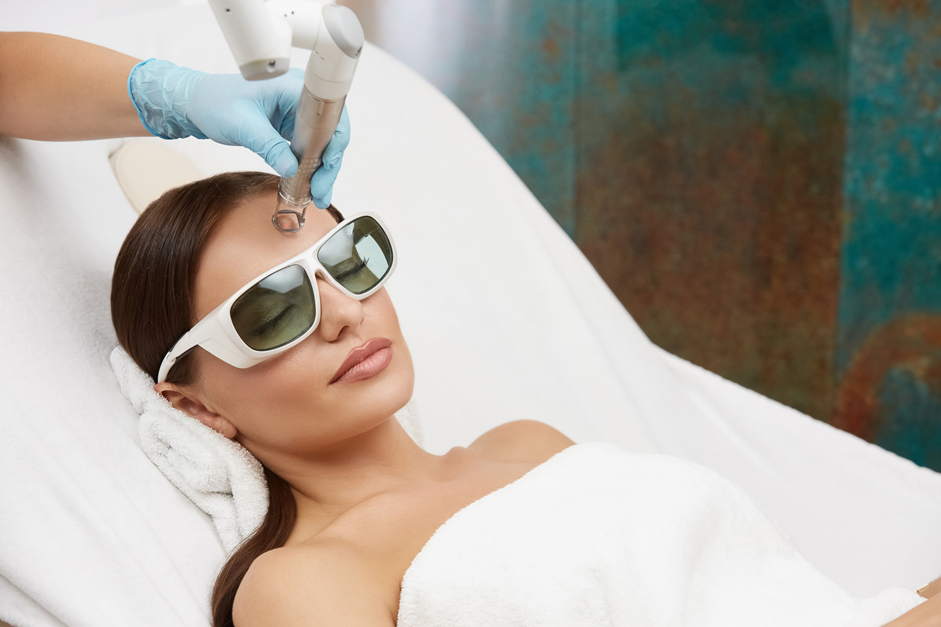
All images used under license from Canva. © APT Medical Aesthetics, 2026. All rights reserved.
Why Laser Safety Training Is Essential
Laser devices deliver energy into the skin. Improper use can lead to complications.
These may include:
• burns or blistering
• pigmentation changes
• scarring
• eye injury if proper protection is not used
These risks are preventable. They highlight the need for proper training.
Laser safety training ensures practitioners understand
• how different wavelengths interact with the skin
• how to select appropriate settings
• how to adjust treatments based on skin type
• how to prevent and manage adverse reactions
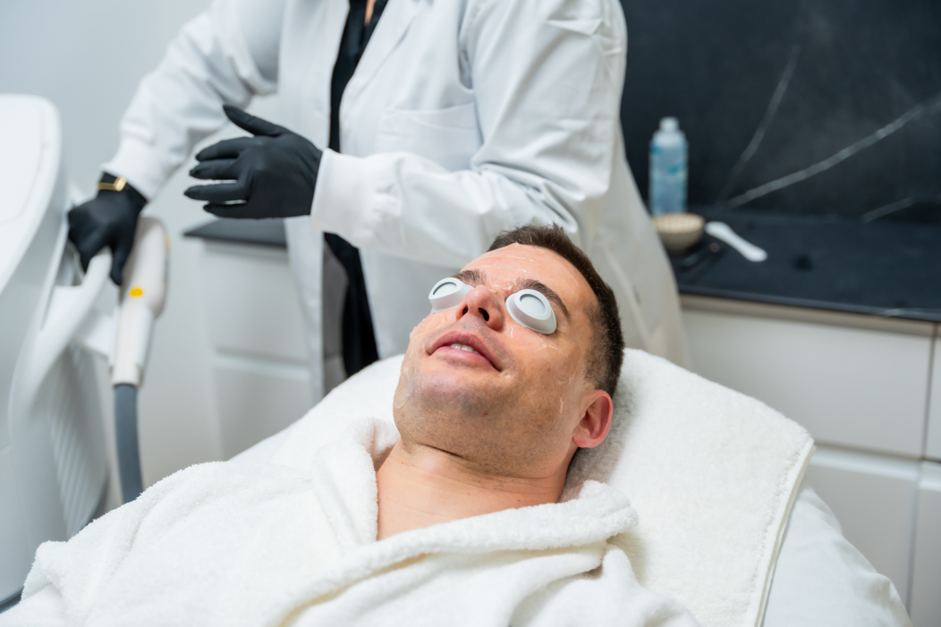
All images used under license from Canva. © APT Medical Aesthetics, 2026. All rights reserved.
Understanding Laser Liability In Clinical Practice
Laser treatments also carry legal and professional liability.
Practitioners must ensure treatments are safe and within their scope of practice.
Laser liability education should cover:
• informed consent
• patient selection and contraindications
• documentation and record keeping
• managing complications
• understanding regulatory requirements
Failing to follow protocols increases patient risk and professional liability.
What A Comprehensive Laser Course Should Include
A good laser course provides both theory and practical experience.
Core components should include
• laser physics and tissue interaction
• skin typing and patient assessment
• treatment planning
• device settings and parameters
• safety protocols
• complication prevention and management
Programs focused only on device operation are not enough for clinical practice.
All images used under license from Canva. © APT Medical Aesthetics, 2026. All rights reserved.
Laser Safety Protocols Every Practitioner Should Know
Laser safety protocols protect both patient and practitioner.
These include:
• proper use of protective eyewear
• ensuring appropriate treatment settings
• maintaining device calibration
• following infection control procedures
• monitoring skin response during treatment
Applying these protocols helps reduce complication risks.
The Importance Of Skin Typing In Laser Treatments
Skin typing is key for safe treatment parameters.
Different skin types respond differently to laser energy. Settings must be adjusted accordingly.
Incorrect settings can increase the risk of:
• burns
• hyperpigmentation
• hypopigmentation
Hands-On Training And Real World Application
Hands-on experience builds confidence in laser treatments.
A strong training program should include:
• supervised practice on live models
• real-time feedback from experienced instructors
• exposure to different skin types and conditions
• guidance on adjusting treatment parameters
This training helps practitioners apply theory in a clinical setting.
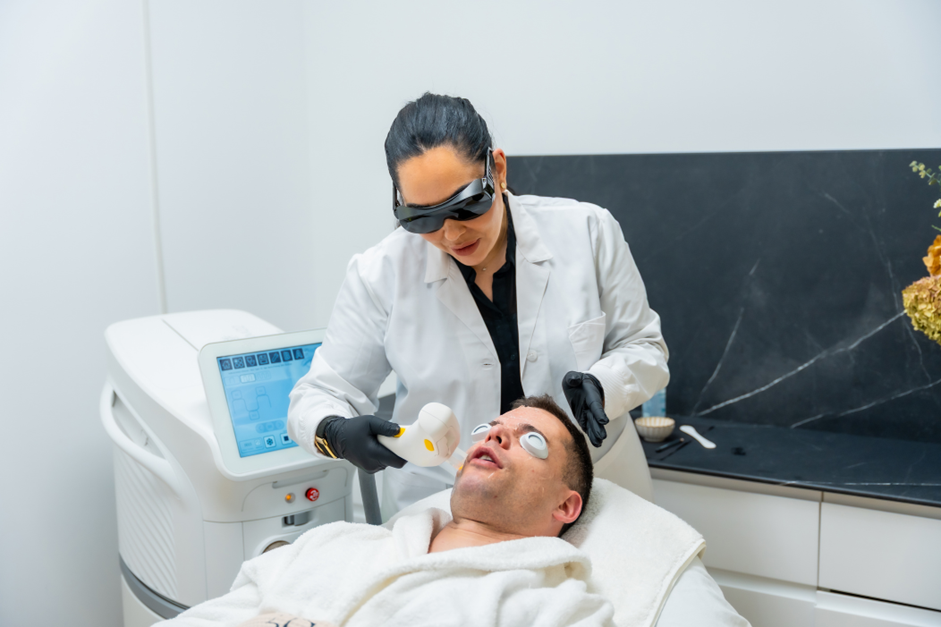
All images used under license from Canva. © APT Medical Aesthetics, 2026. All rights reserved.
A Real Clinical Scenario
A practitioner completed a basic laser certification. It focused on device operation.
When treating a patient with darker skin, they felt unsure about safe settings.
After a comprehensive safety training program, they understood skin typing and parameter selection better.
This gave them greater confidence and reduced complication risks.
Frequently Asked Questions About Laser Safety And Liability
What Is Laser Safety Training?
It is education on using laser devices safely. It minimizes patient risk. This includes understanding laser energy interaction with skin. It covers selecting appropriate settings and following safety protocols. It also teaches how to prevent and respond to complications.
What Does Laser Liability Education Include?
It covers informed consent, documentation, and managing clinical risk. Practitioners learn to assess patients and explain risks. They learn to maintain accurate records. It also covers professional responsibilities and scope of practice.
Why Are Laser Safety Protocols Important?
They prevent complications and ensure safe treatment. Proper protocols protect patients and practitioners. They reduce risks like burns and pigmentation changes. They support a higher standard of care.
Who Can Perform Laser Treatments?
This depends on local regulations and scope of practice. Requirements vary by location and training. Practitioners must understand their area’s rules. They need appropriate education and supervision.
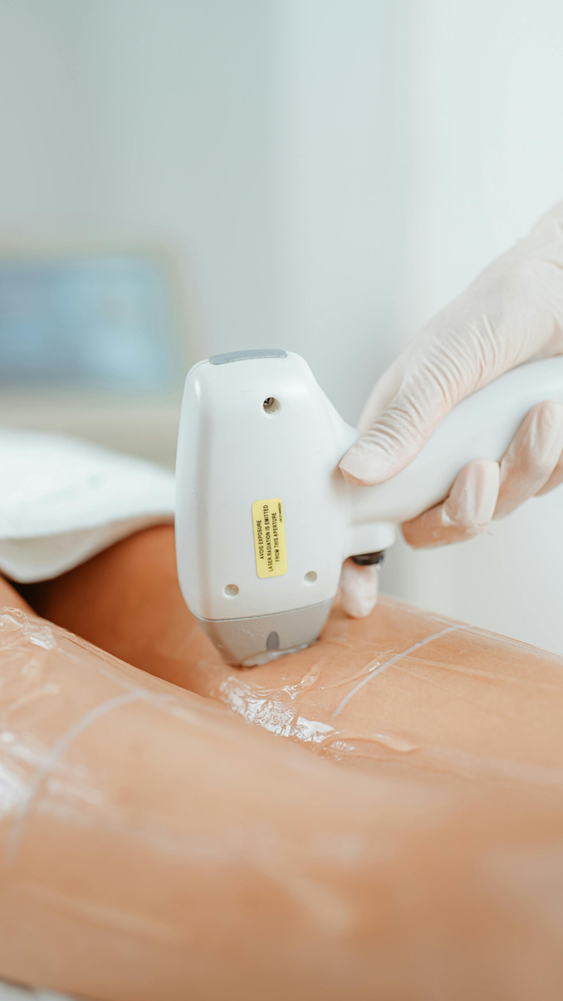
All images used under license from Canva. © APT Medical Aesthetics, 2026. All rights reserved.
Building Confidence Through Safe Laser Practice?
Laser treatments can be highly effective. But they need proper training and safety focus. These technologies offer powerful results. They also require understanding how energy interacts with skin. Without education, practitioners may feel uncertain. They may struggle with settings, skin types, or reactions.
Understanding clinical and legal aspects builds confidence. It protects patients and practices. Clinical knowledge ensures safe treatments. Liability knowledge helps with consent, documentation, and scope of practice. Together, they create a strong foundation for professional care.
Confidence comes from more than device operation. It develops through education, hands-on experience, and varied scenarios. Properly trained practitioners assess patients better. They select appropriate parameters. They adapt to individual skin characteristics.
Investing in comprehensive education reduces risk. It improves outcomes and builds long-term success. Ongoing training keeps practitioners current with new technologies and best practices.
At APT Injection Training, we provide laser courses. We emphasize safety, liability, and hands-on experience. Our programs bridge theory and real-world application. They give practitioners confidence for safe, effective treatments.
If you want a laser course with the highest standards, we can help. Whether you are starting or refining skills, we support your growth. Build confidence in safe laser practice.
(289) 271-5718
✉️ info@aptinjectiontraining.com
aptinjectiontraining.com
Tips to be a
Successful Injector!
Free E-Book download