Student Log in
 1267 Cornwall Rd, Unit 300, Oakville, Ontario L6J 7T5

 (289) 271-5718
blog
Too Much Botox – Understanding Dosing, Diffusion, and the Art of Natural Results
Jul 07 2025
Reading Time: 7 Minutes
Author:
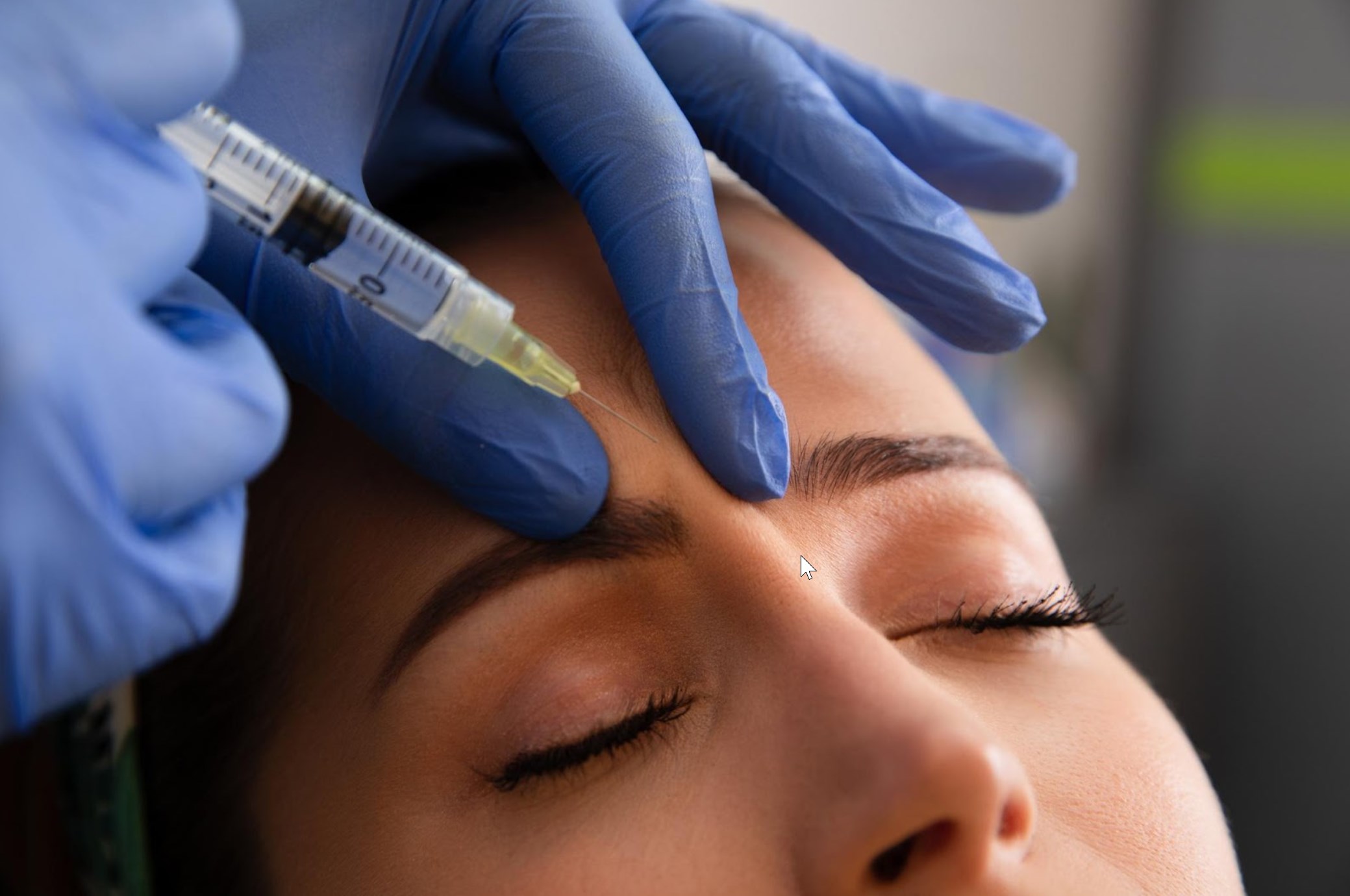
Frozen. Expressionless. Heavy-lidded. We’ve all seen the telltale signs of too much Botox—whether it’s a celebrity on the red carpet with a stiff forehead, an influencer with Botox brows that seem unnaturally arched, or an everyday patient who simply wanted to look more refreshed but walked away feeling unrecognizable.
What often begins as a minor tweak to soften lines or rejuvenate tired features can result in bad Botox outcomes when dosage, diffusion, and muscle dynamics are misunderstood. Overcorrection, improper dilution, and imbalanced technique are all factors that can rob the face of its natural expression—leading to patient dissatisfaction, reputational damage, and loss of clinical confidence for the injector.
And the most common misconception? That the product is to blame. But in truth, Botox is a remarkably safe and effective treatment when used properly. The real issue usually lies in the planning—how the face was assessed, how the units were calculated, and whether the injector took time to understand how those decisions would impact facial movement and balance.
Whether you’re just beginning your journey in medical aesthetics or advancing your skills to treat more complex cases, mastering the art of Botox dosing is critical. It’s not just about knowing how many units to inject—it’s about understanding why, where, and for whom.
In this blog, we’ll break down why too much Botox happens, explore the role of diffusion and dosing strategy, and highlight how APT Injection Training equips healthcare professionals with the clinical insight and mentorship they need to create results that are smooth, subtle, and true to each patient’s natural beauty.
Because ultimately, great injectors don’t chase perfection—they create balance. Let’s explore how to make that your standard.

All images used under license from Canva. © APT Medical Aesthetics, 2025. All rights reserved.
A Familiar Story – When Standard Doses Miss the Mark
One of our trainees at APT, a nurse named Natalie, came to us after completing an introductory course elsewhere. She had treated a family friend with 25 units in the forehead and glabella—what she thought was a safe, conservative plan. But two weeks later, the patient complained of a tight, heavy feeling in the upper face. Her brows had flattened. Her eyes looked smaller. Her once-lively expressions were muted.
Natalie was discouraged. “I followed the guidelines exactly,” she said. But in doing so, she hadn’t assessed that her patient had a low-set brow and relied heavily on her frontalis to keep her eyelids open. The dosage wasn’t wrong—but it wasn’t right for that face.
Through APT’s hands-on mentorship and real-case training, Natalie learned how to adapt her dosing, injection depth, and technique to match the patient’s anatomy and expression goals—and that experience became a turning point in her injector journey.
What Happens When There’s Too Much Botox – Clinical and Aesthetic Consequences
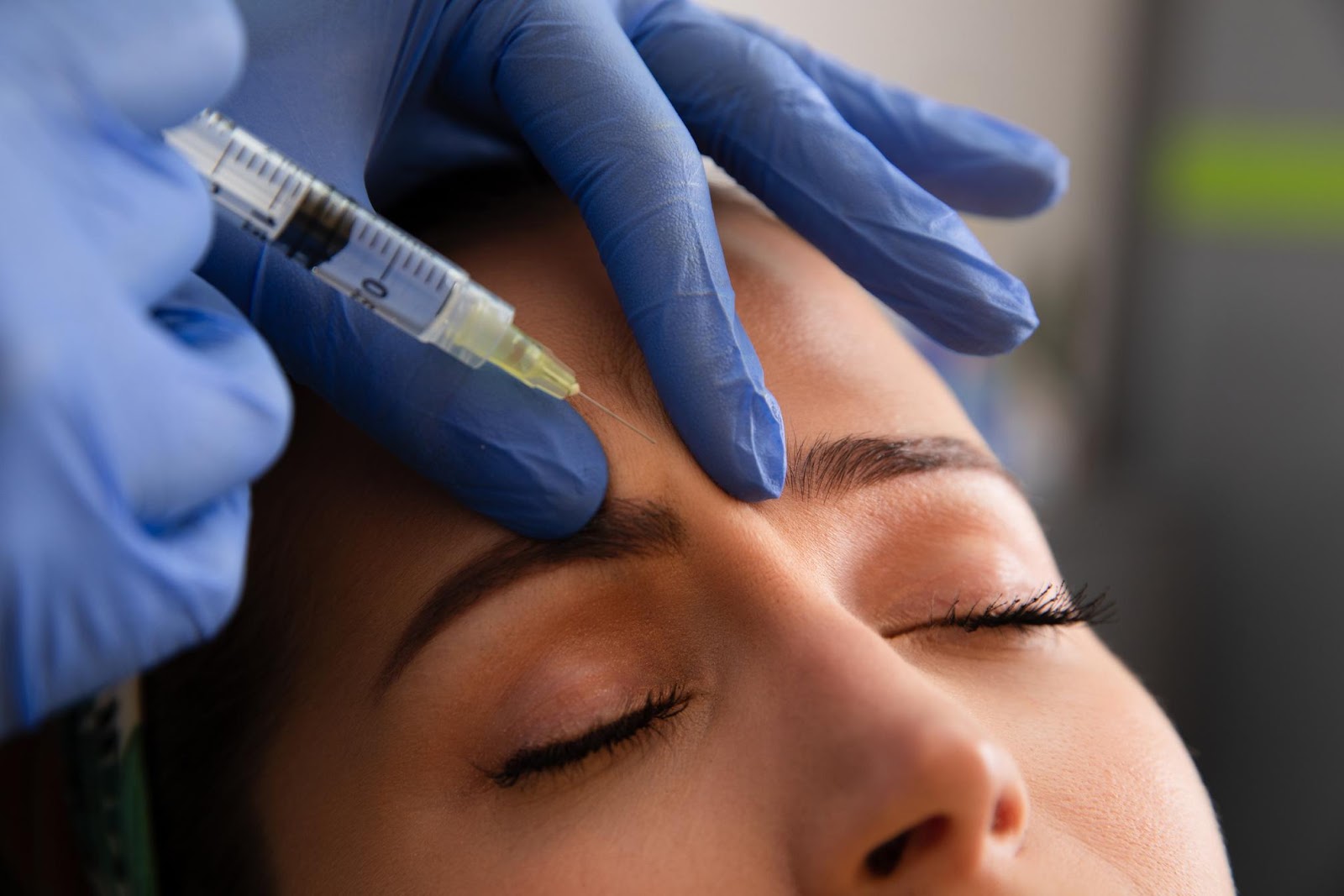
Over-treatment with botulinum toxin doesn’t always mean the injector used a high number of units. In fact, some of the most problematic outcomes of too much Botox stem from something far more subtle – imprecise placement, incorrect depth, poor timing between treatments, or an imbalance between the facial muscles responsible for dynamic expression. In many cases, even an appropriate dose can produce bad Botox if not personalized to the patient’s anatomy, muscle strength, and aesthetic goals.
All images used under license from Canva. © APT Medical Aesthetics, 2025. All rights reserved.
Here are some of the most common clinical and cosmetic signs that suggest a patient has received too much Botox.
• Flat, heavy brows – This is often the result of over-relaxing the frontalis muscle, particularly in patients who already have a low or flat brow position. When the muscle that lifts the brows is neutralized too strongly—without addressing or balancing the brow depressors like the corrugator and procerus—the result is a tired, heavy look that patients often describe as “droopy” or “closed off.”
• Overly smooth or “plastic” forehead – While many patients come in seeking a wrinkle-free upper face, an overly smooth forehead with zero movement can appear unnatural and mask-like. This look may be acceptable for some, but most modern patients are looking for a more subtle, refreshed appearance—not a frozen one.
• Limited facial expression – In highly expressive areas like the glabella or crow’s feet, complete immobilization of the muscles can strip the face of character and emotion. This is especially frustrating for patients who use facial expression as part of their communication, such as teachers, speakers, or performers.
• Spock brows or uneven lift – This common aesthetic issue occurs when the central frontalis is treated, but the lateral frontalis is left active. Without proper balance, the lateral brow can overcompensate and lift too high, creating a dramatic and unnatural arch. This complication is often caused by under-dosing or neglecting proper diffusion control.
• Speech or smile distortion – Though less common, unintended diffusion into the perioral or zygomatic muscles can affect the patient’s ability to smile or articulate certain words. Even a few misplaced units can temporarily alter the symmetry of a smile, particularly in patients receiving off-label Botox treatments in the lower face.
• Extended duration of unwanted results – While Botox is temporary, many patients are surprised to learn just how long unwanted effects can last. If they’ve been over-treated or improperly dosed, they may feel “stuck” with results for up to 3–4 months. This can be especially distressing for first-time patients, affecting their trust in both the provider and the treatment.
The underlying thread in all these outcomes? A lack of personalization. Botox is not a one-size-fits-all solution—and using standard injection templates without evaluating facial dynamics and structure can quickly lead to overcorrection. This is where expert training makes all the difference.
At APT Injection Training, we emphasize customized treatment planning, anatomical precision, and the use of live model practice so our trainees develop the confidence to adapt their techniques—not just replicate them. With the right education and mentorship, injectors can avoid these common complications and deliver balanced, beautiful results every time.

All images used under license from Canva. © APT Medical Aesthetics, 2025. All rights reserved.
Avoiding Bad Botox – Key Dosing Tips Every Injector Should Know
Learning to avoid bad Botox starts with understanding dosing fundamentals. Here are our top insights for maintaining natural results.
1. Assess each face individually
No two faces are the same. Forehead length, brow position, muscle strength, and habitual expressions all impact where and how much you inject.
2. Start low, go slow
Especially for first-time patients. A conservative dose with a two-week follow-up gives you the opportunity to refine results without the risk of overtreatment.
3. Maintain muscle balance
If you’re treating the glabella, consider addressing the lateral orbicularis to avoid downward pull. If you’re relaxing the frontalis, preserve lateral lift to avoid Botox brows or drooping.
4. Understand how diffusion works
Dilution, depth, and proximity to muscle origin matter. Unintended diffusion into nearby muscles can result in complications like eyelid ptosis or asymmetry.
5. Educate your patients
Explain that Botox doesn’t have to mean zero movement. Most modern aesthetic patients want to look refreshed—not frozen.
Common FAQs – Understanding Dosing and Managing Expectations
Q – How many units of Botox is too much?
A – There’s no one-size-fits-all number. “Too much” is relative to muscle strength, anatomy, and desired outcomes. What’s appropriate for one patient may be excessive for another.
Q – Can too much Botox be reversed?
A – Not directly, but the effects will fade over time. In some cases, small corrective injections in opposing muscles may help balance the appearance. Patient reassurance and monitoring are key.
Q – How do I know how many units to use?
A – This is where training matters. Learning to assess facial anatomy, palpate muscles, and evaluate movement patterns is crucial. APT’s training curriculum focuses on these skills from day one.
Q – What’s the best way to avoid bad Botox reviews?
A – Set clear expectations, document your plan, follow up regularly, and educate your patient on what to expect during the two-week settling period. When patients feel informed, they’re more likely to trust the process—even if minor touch-ups are needed.
All images used under license from Canva. © APT Medical Aesthetics, 2025. All rights reserved.
Ask Yourself This – Are You Injecting Based on Anatomy or Habit?
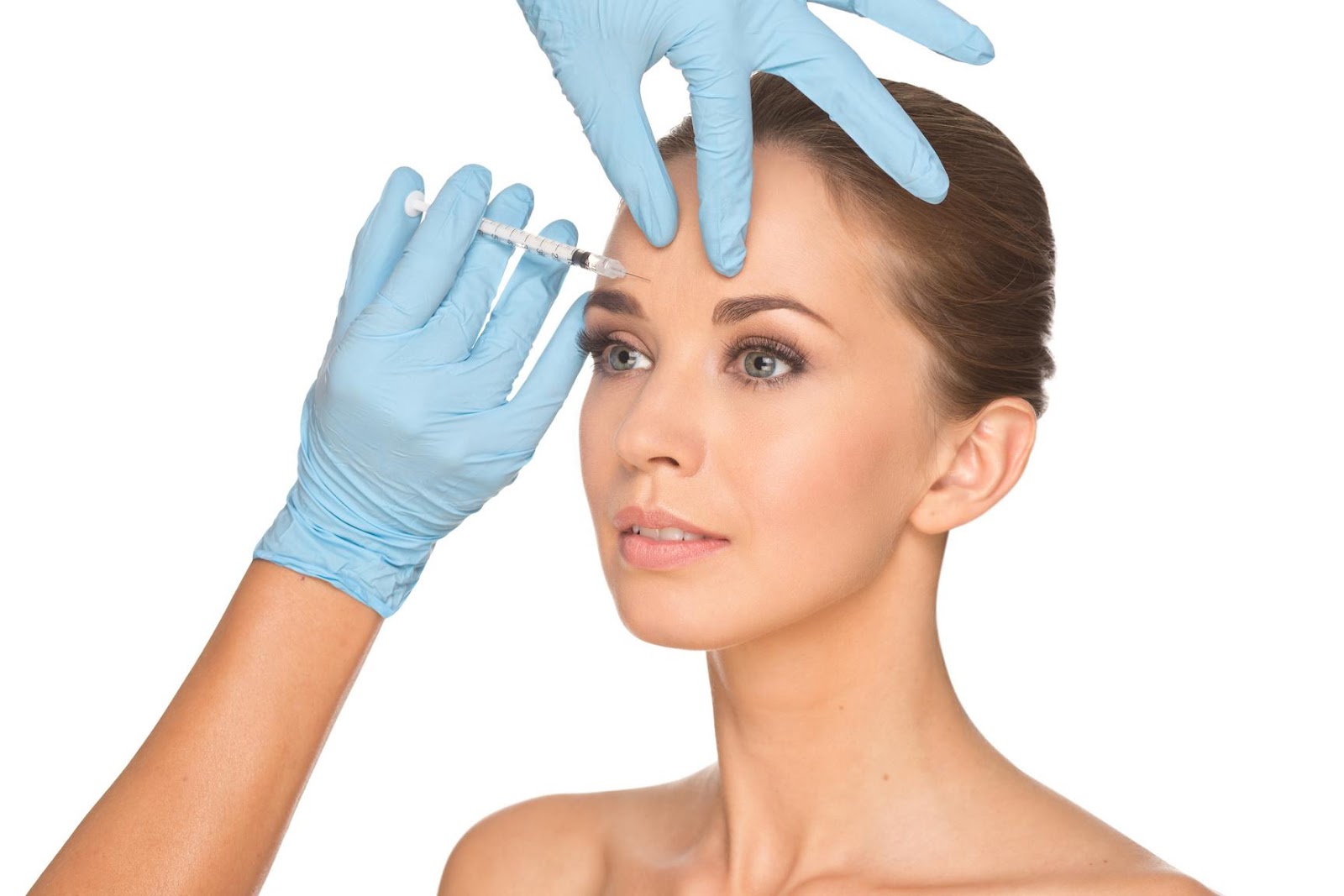
When planning a Botox treatment, are you selecting injection points from a chart—or from a clinical assessment?
Do you palpate the frontalis to feel for dominance and symmetry, or do you rely on visual landmarks?
Are you injecting the same number of units across all patients—or are you adjusting for age, gender, and brow position?
These are the questions that matter. Injecting isn’t just about product placement—it’s about reading the face, listening to the patient, and treating with intention.
How APT Injection Training Teaches the Art of Dosing for Natural Results
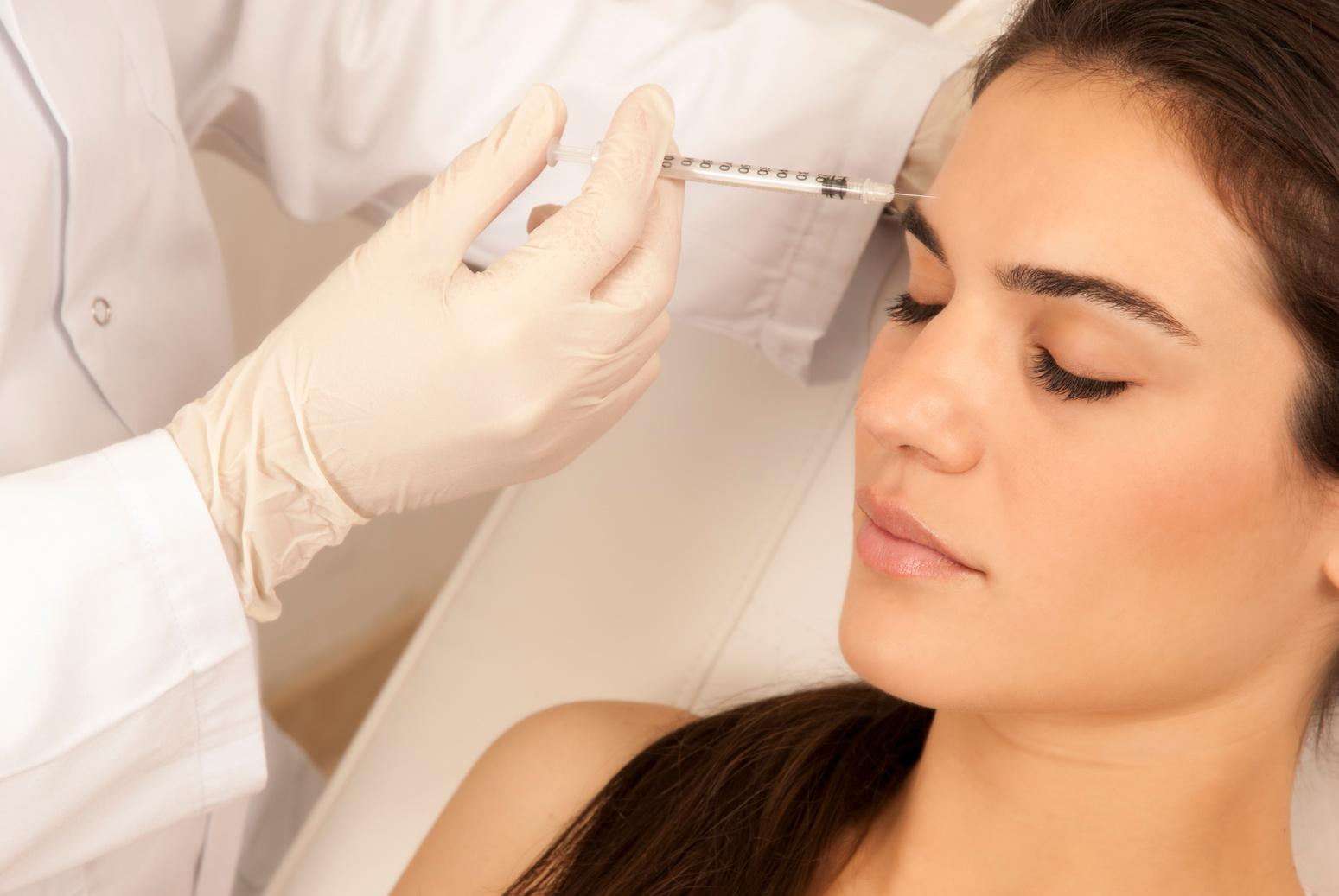
At APT Injection Training, we prepare healthcare professionals to inject with precision, confidence, and clinical judgment. Our courses go beyond the basics, teaching you how to master the following.
- Evaluate facial anatomy and muscle movement in real time
- Customize dosage and technique based on patient goals
- Avoid overcorrection through evidence-informed protocols
- Recognize and manage complications, such as Spock brows or asymmetry
- Practice with live models under expert mentorship
Our hands-on training environment in Oakville, Ontario offers a 2:1 trainee-to-trainer ratio, so you receive real-time feedback and support in every session. Whether you’re pursuing beginner Botox training or refining your skills at an intermediate level, our programs are designed to help you deliver results that are safe, ethical, and naturally beautiful.
All images used under license from Canva. © APT Medical Aesthetics, 2025. All rights reserved.
Ready to Move Beyond the Basics?
There’s more to being a great injector than just knowing where the muscles are. It’s about understanding movement, expression, patient psychology, and the art of dosing with intention.
If you’re ready to stop relying on guesswork or outdated maps—and start injecting with clarity, precision, and purpose—APT Injection Training is here to guide you.
Train with Ontario’s most trusted name in aesthetic education and master the science of subtle, confident outcomes.
(289) 271-5718
✉️ info@aptinjectiontraining.com
aptinjectiontraining.com
Tips to be a
Successful Injector!
Free E-Book download