Student Log in
 1267 Cornwall Rd, Unit 300, Oakville, Ontario L6J 7T5

 (289) 271-5718
blog
Understanding Brow Ptosis – Causes, Prevention, and How to Handle It as an Injector

Jul 25 2025
Reading Time: 7 Minutes
Author:
You’ve studied the anatomy, practiced your injection patterns, and carefully mapped your treatment zones. Your patient leaves the clinic looking subtly refreshed and excited for results. Fast forward two weeks—and instead of praise, you’re met with confusion. Their brows feel heavy, their eyes look more tired than before, and they’re not happy.
They ask, “Did something go wrong?”
Welcome to one of the most common—and most misunderstood—side effects in aesthetic medicine – brow ptosis.
Often mistakenly lumped in with the term Botox brows or casually described by patients as heavy eyebrows after Botox, brow ptosis is more than just a cosmetic concern. It’s a functional imbalance caused by over-relaxation of the frontalis muscle or insufficient treatment of key depressor muscles. It can leave patients feeling self-conscious, disappointed, and uncertain about their injector’s skill.
The good news? With the right knowledge and training, brow ptosis is almost always preventable. And when it does occur, it can often be corrected or improved—if the injector knows what to look for and how to respond.
Whether you’re brand new to neuromodulator injections or an experienced aesthetic provider looking to refine your forehead technique, understanding brow ptosis is essential to delivering safe, effective, and natural-looking results. In this blog, we’ll walk you through everything you need to know—from the anatomical mechanics that contribute to brow droop, to hands-on prevention tips, correction strategies, and communication techniques that build trust with patients.
Let’s break down the what, how, where, and why of brow ptosis—so you can avoid complications, elevate your practice, and inject with confidence.
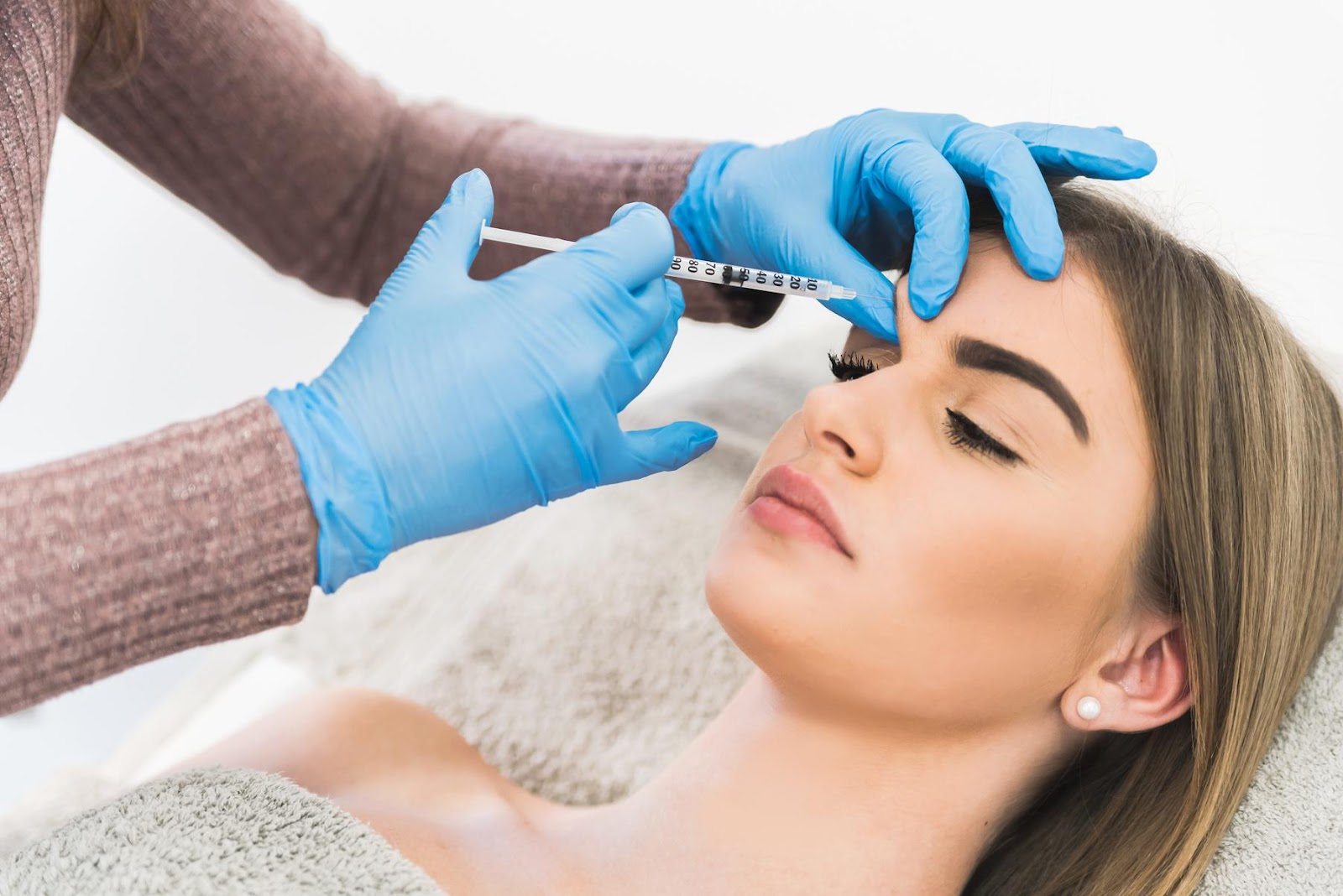
All images used under license from Canva. © APT Medical Aesthetics, 2025. All rights reserved.
The Anatomy Behind Brow Ptosis – Why It Happens and What’s at Stake
To prevent brow ptosis effectively, you first need to understand the intricate anatomy of the upper face and the dynamic interplay between the muscles responsible for facial expression. What happens beneath the skin directly influences what patients see in the mirror—and how they feel about their results.
Brow ptosis is the unintended descent or drooping of the eyebrows following neuromodulator injections, most commonly associated with treatments using Botox. While this condition is temporary, typically lasting a few weeks to a few months, the aesthetic and emotional effects can be substantial. Patients who expected a lifted, refreshed appearance may instead report looking tired, sad, or older—despite having invested in a rejuvenating treatment.
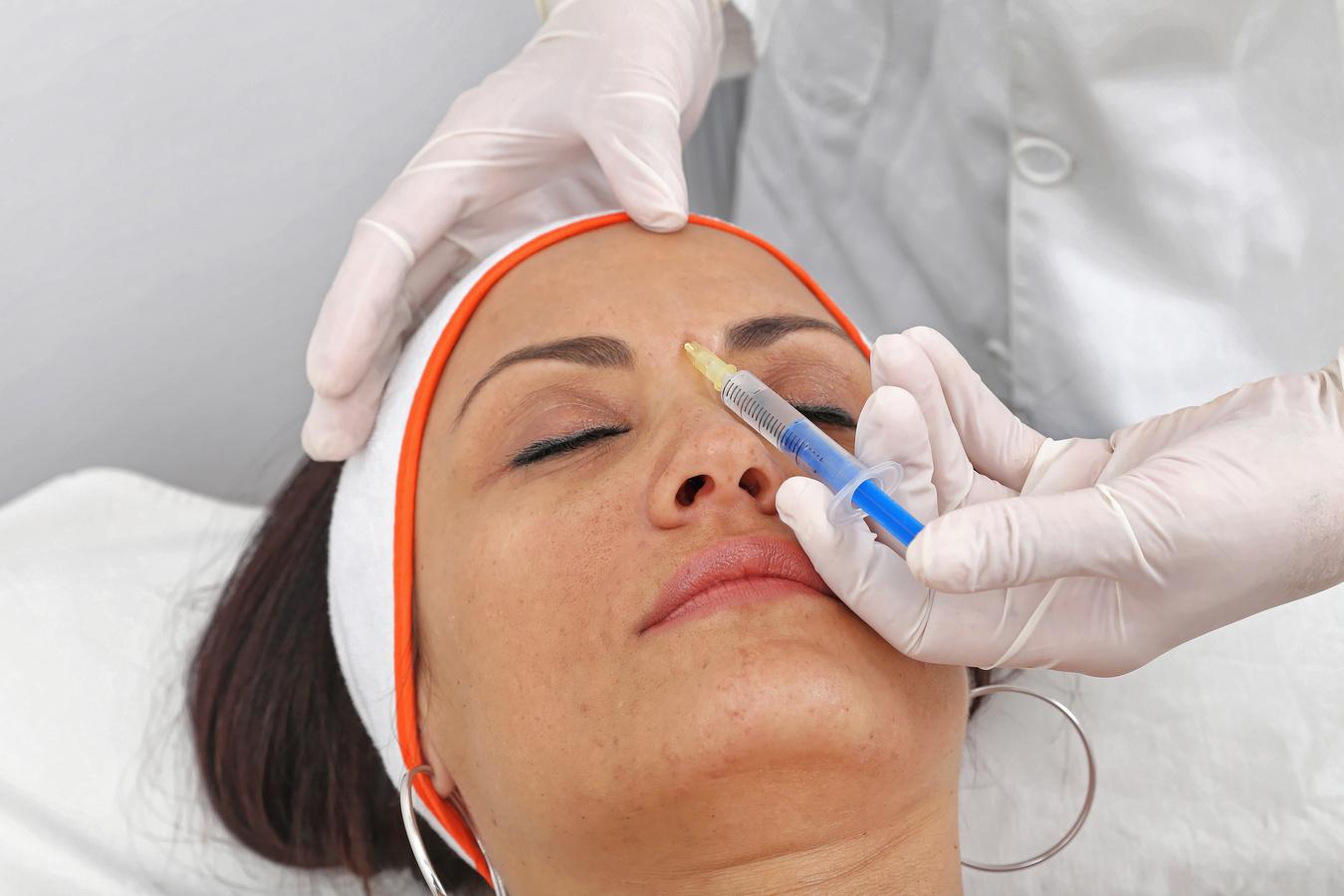
All images used under license from Canva. © APT Medical Aesthetics, 2025. All rights reserved.
So why does it happen?
The primary culprit is overtreatment of the frontalis muscle—the only muscle in the upper face that actively lifts the eyebrows. When this muscle is weakened too much or too broadly, it loses the strength to oppose the depressor muscles, such as the corrugator supercilii, procerus, and orbicularis oculi. These muscles pull the brows downward and medially, creating frown lines and contributing to heaviness in the upper eyelid area.
When injectors relax the frontalis without addressing or balancing the action of the opposing depressors, the downward pull becomes dominant. The result? A flattened brow, a narrower eye aperture, and often, a sensation of heaviness or visual obstruction. Patients may feel less alert or even emotionally low—simply due to a subtle change in their appearance.
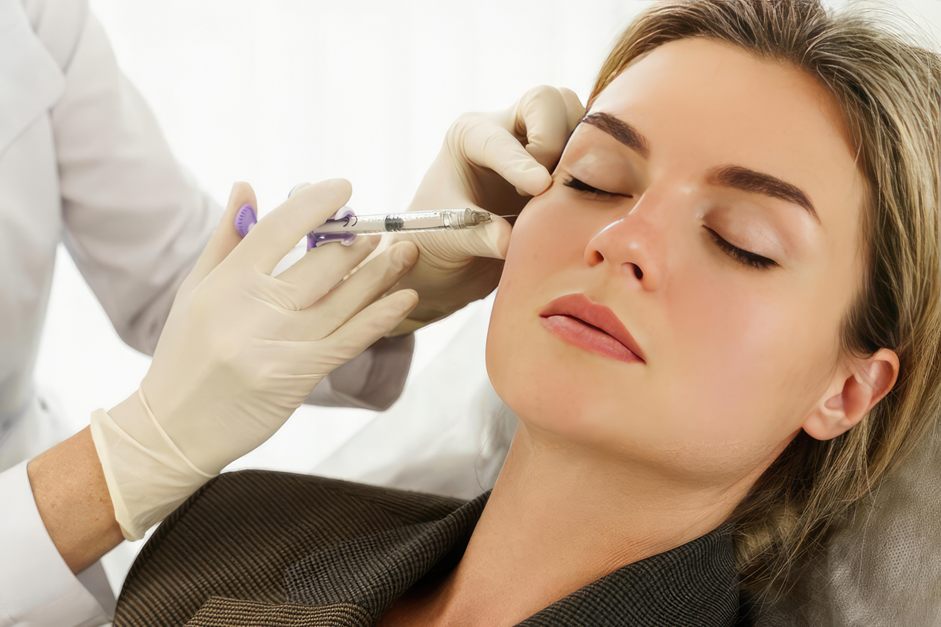
In cases where the frontalis is not only overtreated but injected too low or too close to the brow line, the risk of product diffusion into unintended areas further increases the likelihood of brow ptosis or even eyelid ptosis.
Understanding this muscular relationship—and how it differs from patient to patient—is critical to creating balanced, aesthetically pleasing outcomes. As injectors, we’re not just treating lines. We’re treating function, proportion, and perception.

All images used under license from Canva. © APT Medical Aesthetics, 2025. All rights reserved.
And when that balance is disrupted, even by a few millimetres, it can impact a patient’s confidence, comfort, and satisfaction with your care. That’s why learning to assess anatomy properly and plan your injection strategy accordingly isn’t just helpful—it’s essential.
A Real-World Lesson – When Overcorrection Leads to Undesired Results
One of our intermediate students, a nurse named Laura, was treating a client in her 40s with strong frontalis activity. The patient requested a smooth forehead but wanted to “keep her brows lifted.” Laura followed a standard pattern she’d seen used on patients with weaker muscle movement.
Two weeks later, the patient returned feeling unhappy—her brows felt heavy, her eyes looked smaller, and her normally expressive forehead was now flat. Laura learned that muscle strength and forehead length dramatically affect how the frontalis responds to treatment. She documented the case, adjusted her technique in follow-ups, and became a better injector because of it.
That moment changed how she approached every forehead from then on.

All images used under license from Canva. © APT Medical Aesthetics, 2025. All rights reserved.
The Top Mistakes That Cause Heavy Eyebrows After Botox
Let’s break down the most common errors that lead to brow ptosis—especially in beginner injectors.
1. Over-treating the frontalis
Injecting too many units, too low, or across the entire forehead can weaken the only muscle responsible for lifting the brows. This is the most common cause of brow heaviness.
2. Injecting below the mid-forehead line
Any injection placed too close to the orbital rim risks affecting the levator palpebrae superioris, contributing to both brow and eyelid droop.
3. Failing to assess natural brow position and movement
Every face is different. A patient with low-set brows or heavy lids is more susceptible to looking tired if the frontalis is over-relaxed.
4. Ignoring the balance between elevators and depressors
Neuromodulator treatments should reduce negative expression (frown, squint) while preserving positive ones (lift, openness). Focusing only on frown lines without treating the crow’s feet or lateral depressors can tip the scale in the wrong direction.
5. Not educating patients about expected results
When patients expect lifted brows but instead experience flattening, the outcome feels like a failure—even if it’s anatomically accurate. Misaligned expectations often lead to dissatisfaction.
Prevention Tips That Keep Botox Brows Looking Natural
Brow ptosis is preventable when you apply a personalized, anatomy-based approach. Here are our best prevention strategies below.
- Assess frontalis strength before injecting – Have the patient raise their brows and frown. Observe for asymmetries or compensatory movement.
- Start with conservative units – Especially in patients new to Botox or with strong upper face muscles.
- Avoid injections below the mid-forehead – This keeps the lifting function of the frontalis intact.
- Balance treatment across the face – Consider pairing glabellar treatment with lateral orbicularis injections for better muscle harmony.
- Tailor treatment to individual anatomy – Factors like forehead length, brow position, and lid laxity all affect how Botox will perform.
- Set expectations with visuals and dialogue – Show photos or diagrams and explain how lift is preserved through careful planning.
Proper injector training doesn’t just teach where to inject—it teaches why.
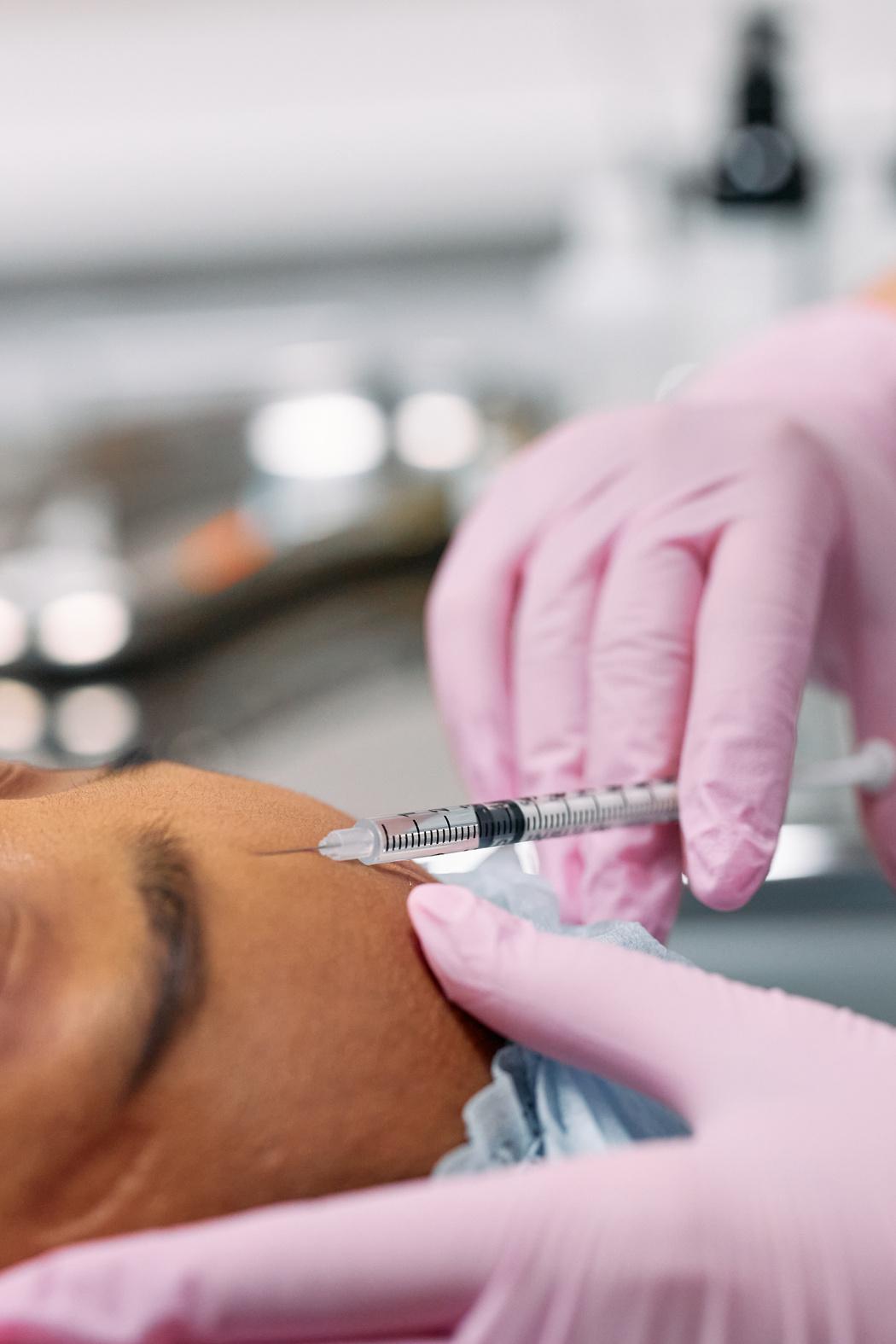
All images used under license from Canva. © APT Medical Aesthetics, 2025. All rights reserved.
FAQs – Managing and Preventing Brow Ptosis With Botox
Q – How long does brow ptosis last after Botox?
A – In most cases, brow ptosis resolves on its own within 4 to 8 weeks. Since Botox is temporary, the effect will gradually wear off as muscle function returns.
Q – Can you fix brow ptosis once it occurs?
A – In some cases, strategic injections into the lateral orbicularis or depressor muscles can rebalance the brows and create a modest lift. This should be done conservatively by an experienced injector.
Q – Is brow heaviness the same as eyelid ptosis?
A – No. Brow ptosis involves the eyebrows descending due to frontalis weakening. Eyelid ptosis affects the eyelid itself, typically from diffusion into the levator palpebrae superioris. Both can occur but are treated differently.
Q – Can all injectors avoid brow ptosis 100 percent of the time?
A – While no treatment is without risk, skilled injectors trained in facial anatomy and assessment techniques can dramatically reduce the chances of brow ptosis.
Ask Yourself This – Are You Injecting for Aesthetic Impact or Just Following a Pattern?
Every patient has a unique facial blueprint. Are you evaluating muscle dynamics, brow position, and facial proportions—or are you relying on fixed injection templates?
Injectors who approach every forehead the same way are more likely to run into issues like Botox brows or brow ptosis. Those who understand the intricacies of facial anatomy—and how each muscle interacts—are better equipped to deliver consistently beautiful results.
So ask yourself, are you ready to learn the why behind every injection point?
How APT Injection Training Prepares You to Prevent and Manage Brow Ptosis
At APT Injection Training, our programs go beyond textbook technique. We prepare healthcare professionals to think critically, assess patients holistically, and inject with intention.
Our training emphasizes the following.
- The anatomy and function of the upper face
- Injection depth, angle, and product diffusion science
- Hands-on practice with live models
- Clinical case discussions around brow ptosis and Botox complications
- Patient communication strategies for setting expectations and handling corrections
- Mentorship from industry leaders with over 20 years of aesthetic experience
Whether you’re a nurse, physician, or dentist expanding into injectables, our beginner and intermediate courses provide the tools you need to succeed—with safety and confidence.

All images used under license from Canva. © APT Medical Aesthetics, 2025. All rights reserved.
Ready to Inject With Confidence and Clarity?
Brow ptosis isn’t just a technical error—it’s often the result of gaps in assessment and training. The good news? These are skills that can be learned, refined, and mastered.
When you train with APT Injection Training, you gain more than technique. You gain insight, hands-on experience, and the clinical reasoning to prevent complications before they start.Take the next step toward becoming the injector your patients can trust. Contact us today to learn more about our accredited training programs in the GTA.
(289) 271-5718
✉️ info@aptinjectiontraining.com
aptinjectiontraining.com
Tips to be a
Successful Injector!
Free E-Book download