Student Log in
 1267 Cornwall Rd, Unit 300, Oakville, Ontario L6J 7T5

 (289) 271-5718
blog
Why a Botox Consent Form Is More Than Just Paperwork – Protecting Your Practice and Your Patients

Aug 04 2025
Reading Time: 8 Minutes
Author:
It happens more often than you think—a patient walks into a clinic excited for their first Botox treatment. The injector explains the basics, the client nods in agreement, signs a quick form, and the procedure begins. But two weeks later, the patient isn’t happy. Maybe they expected a frozen forehead and got subtle movement instead. Maybe their brows feel heavy, or there’s visible asymmetry. Suddenly, what was supposed to be a five-minute touch-up turns into a legal and ethical nightmare.
That’s where your Botox consent form becomes more than just paperwork. It becomes your lifeline.
In the world of medical aesthetics, where expectations are high and results are visible, informed consent is the cornerstone of ethical practice. It protects your patients, your license, and your professional integrity. Whether you’re a new injector just starting out or an experienced clinician refining your protocols, understanding the power of the consent process can make the difference between a thriving practice and one riddled with complaints—or worse, lawsuits.
Let’s explore why consent isn’t just a legal checkbox—it’s one of your most important clinical tools.

All images used under license from Canva. © APT Medical Aesthetics, 2025. All rights reserved.
A Lesson From the Chair – How a Consent Form Saved a New Injector’s Career
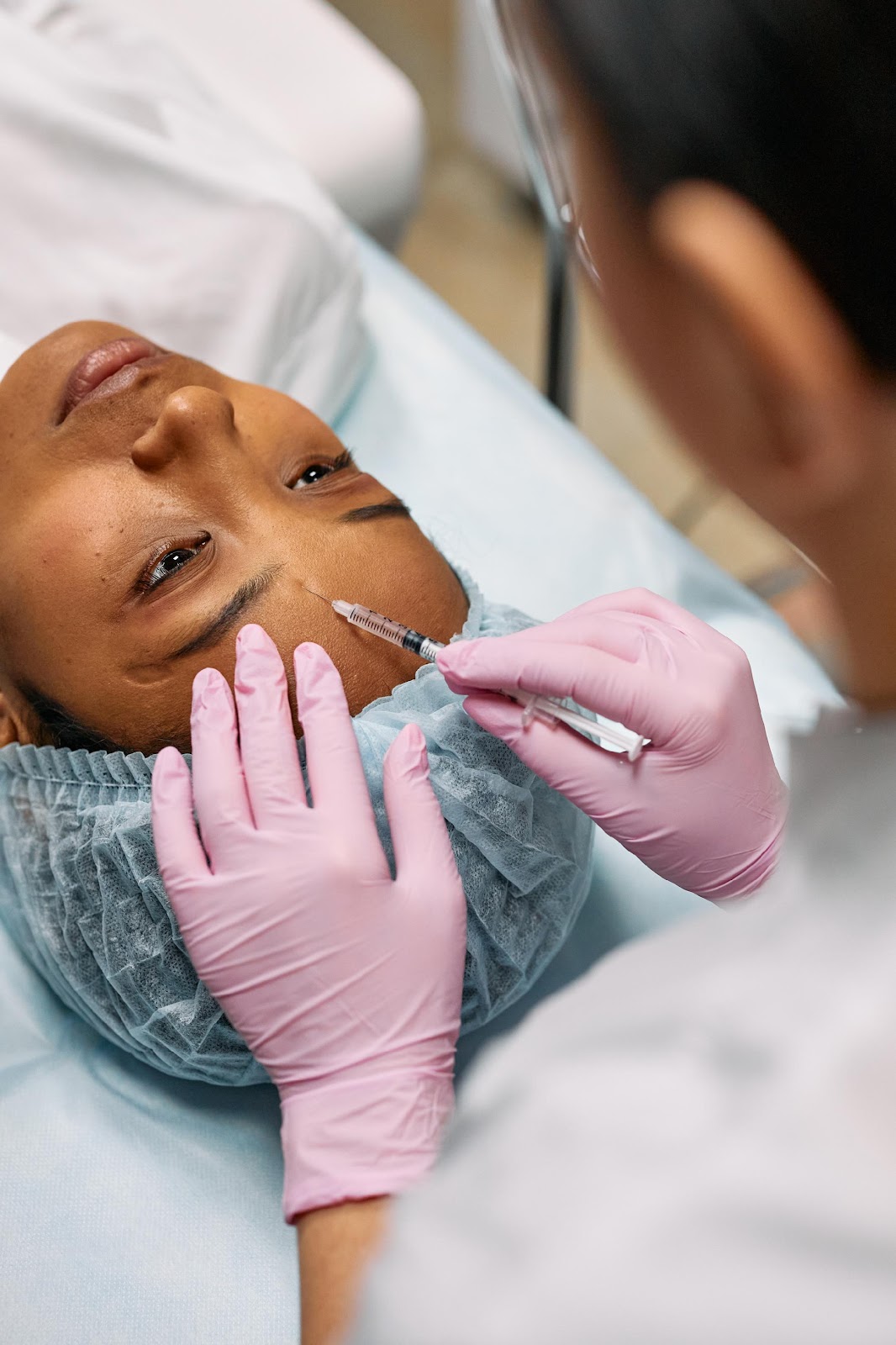
During a live model session at APT Injection Training, one of our students—let’s call her Emily—administered a forehead Botox treatment on a volunteer client. She followed the injection plan precisely, documented the lot number, location, and dose, and completed a full consultation and consent form prior to treatment.
Two weeks later, the model emailed the clinic stating that her brows felt too heavy and that she believed the treatment was “botched.” She requested a refund and threatened to leave a negative review online.
Because Emily had done everything by the book—including a detailed Botox consent form that listed potential side effects like heavy eyebrows after Botox—she was fully protected. The instructor was able to follow up, provide a clinical explanation, and offer a conservative corrective plan. The patient ultimately felt heard and supported—and the issue was resolved professionally.
Had the consent not been thorough, that situation could have escalated quickly.
All images used under license from Canva. © APT Medical Aesthetics, 2025. All rights reserved.
What Makes a Botox Consent Form Essential – Legal and Ethical Foundations
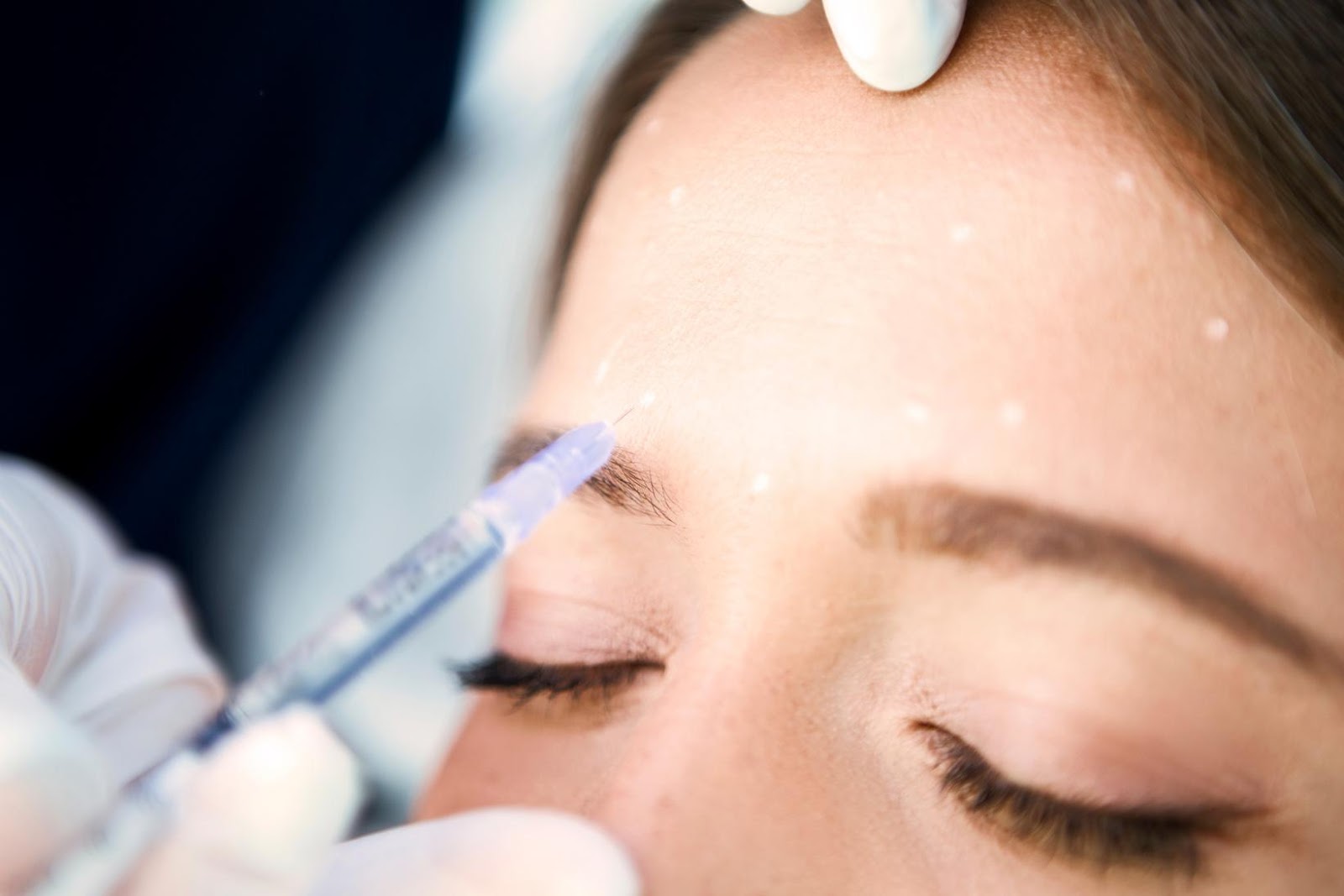
A Botox consent form does far more than capture a signature—it’s a critical part of your medical documentation that protects both you and your patient. In aesthetic medicine, where treatments are elective and results are highly visible, the consent process lays the foundation for trust, safety, and accountability. It educates the client, clarifies expectations, and documents that they understand and accept the potential risks, benefits, and alternatives—before a single unit is injected.
All images used under license from Canva. © APT Medical Aesthetics, 2025. All rights reserved.
In legal terms, a properly executed consent form can be one of your strongest defenses if a complication arises. In ethical terms, it’s a tool for transparency and patient empowerment. Clients deserve to know exactly what they’re agreeing to—especially when it comes to procedures like Botox that carry the risk of unwanted side effects or outcomes.
So, what does a comprehensive Botox consent form actually look like? Here’s what it must include the following.
- Patient information – This may seem basic, but it’s essential. Always record the patient’s full legal name, date of birth, and up-to-date contact information to ensure all documentation is tied to the correct individual.
- Treatment description – Clearly explain what Botox is (a neuromodulator derived from botulinum toxin type A), how it works (by temporarily relaxing targeted facial muscles), and what conditions or aesthetic concerns it is intended to treat. This should include common areas such as the forehead, glabella, and crow’s feet.
- Expected outcomes – Set the tone for realistic expectations. Outline how long the effects typically last (usually 3 to 4 months), how long it takes to see full results (up to 14 days), and the fact that individual responses may vary. This helps manage the patient’s perception of results and minimizes the likelihood of post-treatment dissatisfaction.
- Potential side effects – List common, temporary reactions such as swelling, bruising, redness, tenderness, and minor asymmetry. This is also where you highlight that certain side effects, while not dangerous, may be visible or uncomfortable.
- Risks of complications – This section should include more serious but rare outcomes such as drooping eyelids, brow ptosis, double vision, or Botox gone wrong due to product diffusion into unintended muscle groups. Being upfront about these risks reinforces transparency and prepares the patient for any unexpected results.
- Alternative options – Consent is only valid when the patient is given choices. This includes declining treatment, choosing a different treatment (such as dermal fillers or topical products), or simply waiting to reassess later.
- Before and after care instructions – Clearly written pre- and post-treatment instructions are vital to help clients avoid preventable complications. For example, avoid lying down or exercising for several hours post-treatment. Without proper guidance, even well-placed Botox can result in unwanted diffusion.
- Authorization and understanding – Perhaps the most important section, this is where the patient signs to confirm they’ve read the form, had the opportunity to ask questions, and understand the treatment plan, risks, and alternatives. This acknowledgment should be dated and witnessed when possible.
Including these key components ensures your Botox consent form serves its full purpose—not just as a piece of paper, but as a legal and ethical framework that supports your practice. Without them, your documentation may fall short of regulatory standards, leaving you vulnerable in the event of a dispute or negative outcome.
In today’s aesthetic landscape, especially in competitive markets like the Greater Toronto Area, injectors must do more than just deliver great results—they must demonstrate professionalism and integrity at every stage. And it all starts with how you manage the consent process.

All images used under license from Canva. © APT Medical Aesthetics, 2025. All rights reserved.
The Biggest Misconceptions About Consent in Injectables
Many new injectors believe that consent is about getting a signature. In reality, it’s about understanding. A patient can sign a form without actually grasping what they’ve agreed to—and that’s where liability risks increase.
Here are a few dangerous misconceptions.
“I explained everything verbally, so the form doesn’t matter as much.”
Wrong. Without documentation, verbal explanations are difficult to prove.
“They’ve had Botox before, so I don’t need to go over it again.”
Every treatment is a new treatment. A returning patient still deserves a new conversation and consent.
“It’s just a routine procedure—what could go wrong?”
Plenty. Even the most experienced injectors encounter unexpected complications. A thorough Botox consent form helps prepare you and your patient.

All images used under license from Canva. © APT Medical Aesthetics, 2025. All rights reserved.
How Informed Consent Helps You Prevent Bad Botox Outcomes
Let’s say a patient comes back three weeks after treatment and says their forehead feels tight or uneven. If you haven’t documented their muscle strength, asymmetries, or discussed that results can vary, you’re vulnerable.
Proper Documentation and Consent
- Clarify that perfection is not guaranteed
- Acknowledge pre-existing asymmetries
- Prepare the patient for the timeline of results
- List realistic benefits and limitations of Botox
- Detail potential risks, including ptosis or asymmetry
- Provide an opportunity to ask questions and voice concerns
When patients feel heard and informed, they’re far less likely to panic if the results take time—or if things don’t go perfectly.
FAQs About Botox Consent Forms – What New Injectors Ask Most
Q – Do I need a new consent form every time I treat a returning patient?
A – Yes. Each treatment is a new procedure. The patient’s anatomy, medical history, and expectations may have changed. Fresh consent reflects current conditions.
Q – What happens if a patient refuses to sign?
A – Never proceed without documented consent. If a patient refuses to sign, it’s a red flag that they may not fully understand or accept the risks. Do not treat them.
Q – Can a consent form really protect me from complaints or legal action?
A – While a consent form doesn’t make you immune, it significantly strengthens your legal position by demonstrating that the patient was informed of risks, benefits, and alternatives.

All images used under license from Canva. © APT Medical Aesthetics, 2025. All rights reserved.
Are You Teaching or Just Injecting – The Role of Communication in Consent
Injectables are more than technique—they’re about education. Your Botox consent form isn’t just a document; it’s a launchpad for clinical conversation.
Use it as a guide during your consultation to walk patients through the appointment.
- What to expect during the injection
- When to expect results
- How to recognize a normal reaction versus a complication
- What to do if something doesn’t feel right
This transforms a legal process into a trust-building moment that enhances your patient relationship—and protects your practice.

All images used under license from Canva. © APT Medical Aesthetics, 2025. All rights reserved.
Don’t Let a Signature Be the Only Line of Defense
Ask yourself this.
If a patient experienced swelling, asymmetry, or brow heaviness after Botox, could you confidently explain what happened, how you discussed it beforehand, and how you planned to manage it?
Could you show documentation that reflects your clinical reasoning?
Could you sleep well knowing you did everything possible to provide safe, ethical care?
If not—it’s time to reevaluate your approach to consent.
Why Training at APT Injection Training Sets You Apart
At APT Injection Training, we believe consent is more than compliance—it’s clinical excellence.
Our training programs don’t just cover injection techniques. We equip you with the tools, templates, and strategies to protect yourself legally and ethically, from consultation to follow-up.
Whether you’re just starting out in aesthetic medicine or looking to elevate your practice, our courses emphasizes the following.
- Real-world case studies
- Consent form training and documentation best practices
- Patient communication skills for managing expectations
- Adverse event planning and correction protocols
- Hands-on training with live models under expert supervision
With our team of experienced nurse educators and physicians, you’ll gain more than clinical skill—you’ll gain the confidence to run a safe, ethical, and patient-centered practice.

All images used under license from Canva. © APT Medical Aesthetics, 2025. All rights reserved.
Start Your Journey With Confidence and Clarity
In aesthetic medicine, there’s no such thing as “just a form.” Your Botox consent form is a powerful clinical tool—one that protects both your patient’s wellbeing and your professional future.
When you train with APT Injection Training, you don’t just learn how to inject. You learn how to inject safely, communicate clearly, and build trust in every treatment.
Join the next wave of confident, ethical injectors in the GTA. Connect with APT Injection Training today to start or strengthen your journey in medical aesthetics.
(289) 271-5718
✉️ info@aptinjectiontraining.com
aptinjectiontraining.com
Tips to be a
Successful Injector!
Free E-Book download