Student Log in
 1267 Cornwall Rd, Unit 300, Oakville, Ontario L6J 7T5

 (289) 271-5718
blog
Understanding the Difference Between Botox and Fillers – Essential Knowledge for New Injectors

Aug 22 2025
Reading Time: 7 Minutes
Author:
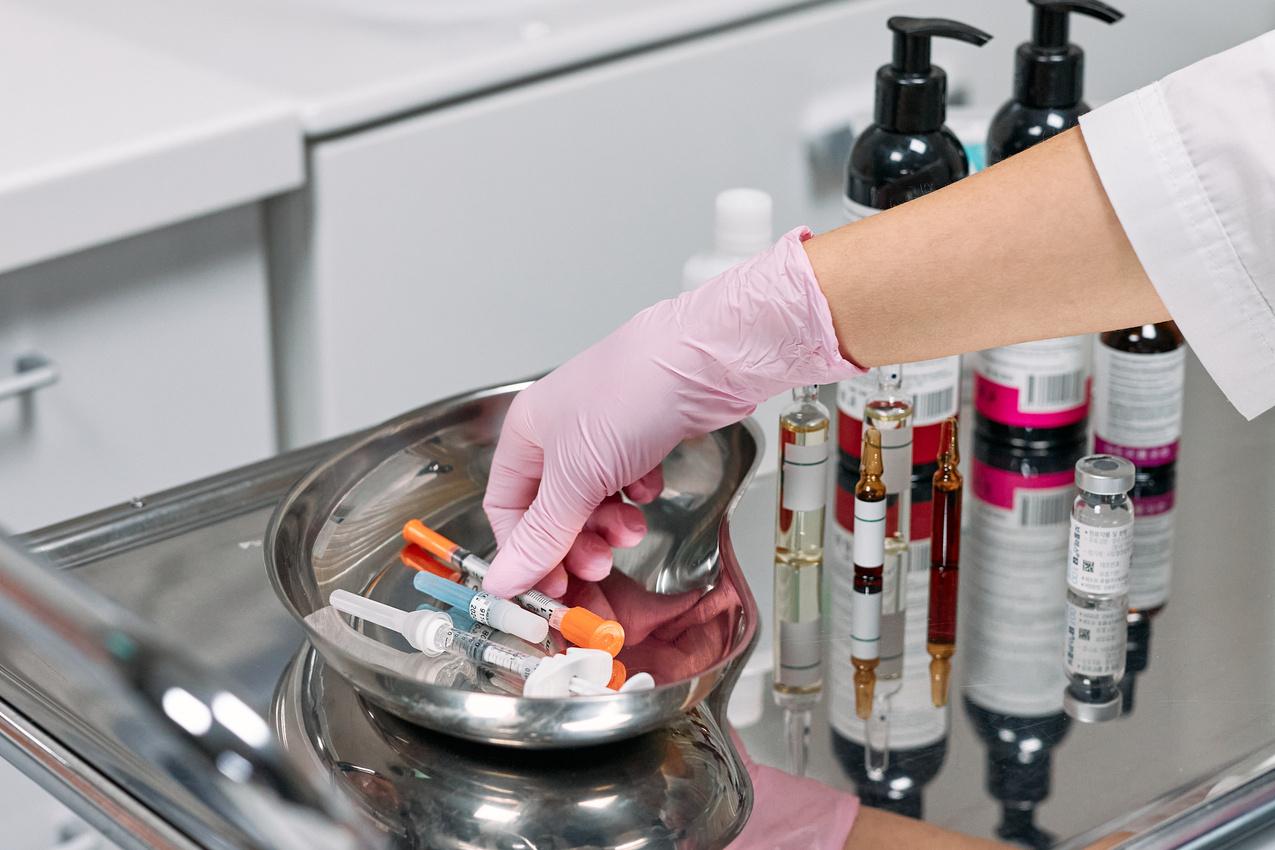
As the field of aesthetic medicine continues to expand, more nurses and healthcare professionals are exploring opportunities to incorporate cosmetic injectables into their clinical practice. With patient interest growing and demand for skilled injectors on the rise, now is an excellent time to pursue a new career path in medical aesthetics. However, before entering this specialized area, it is crucial to understand the two most widely used types of cosmetic injectables – botulinum toxin and dermal fillers.
All images used under license from Canva. © APT Medical Aesthetics, 2025. All rights reserved.
For new injectors, one of the most important foundational concepts to grasp is the difference between Botox and fillers. While both treatments involve the use of injectable substances to improve facial appearance, they serve distinct purposes, are made from different materials, and function in unique ways. In this guide, we will walk through everything aspiring injectors need to know about these two categories of aesthetic treatments and why proper education makes all the difference in achieving safe and effective results.
Whether you are already enrolled in injection courses for nurses or simply exploring training in Botox and fillers, understanding these key differences will help you become a more confident and responsible practitioner.
What Is Botox and How Does It Work
Botox is the brand name for botulinum toxin type A, a purified neurotoxin used to temporarily relax muscles. It is most often used to reduce the appearance of dynamic wrinkles—those caused by repetitive facial expressions such as frowning, squinting, or raising the eyebrows.
When injected into specific facial muscles, botulinum toxin works by blocking the communication between nerves and muscles. This temporarily weakens or paralyzes the muscle, which smooths out the skin above it and prevents the formation or deepening of lines.

All images used under license from Canva. © APT Medical Aesthetics, 2025. All rights reserved.
Botox is commonly used to treat
- Forehead lines
- Frown lines between the eyebrows (glabellar lines)
- Crow’s feet near the outer eyes
- Bunny lines on the nose
- Chin dimpling
- Downturned corners of the mouth

All images used under license from Canva. © APT Medical Aesthetics, 2025. All rights reserved.
The effects of Botox typically appear within 3 to 7 days and last anywhere from 3 to 4 months. Results vary based on the individual’s muscle activity, metabolism, and treatment plan.
What Are Dermal Fillers and How Do They Work
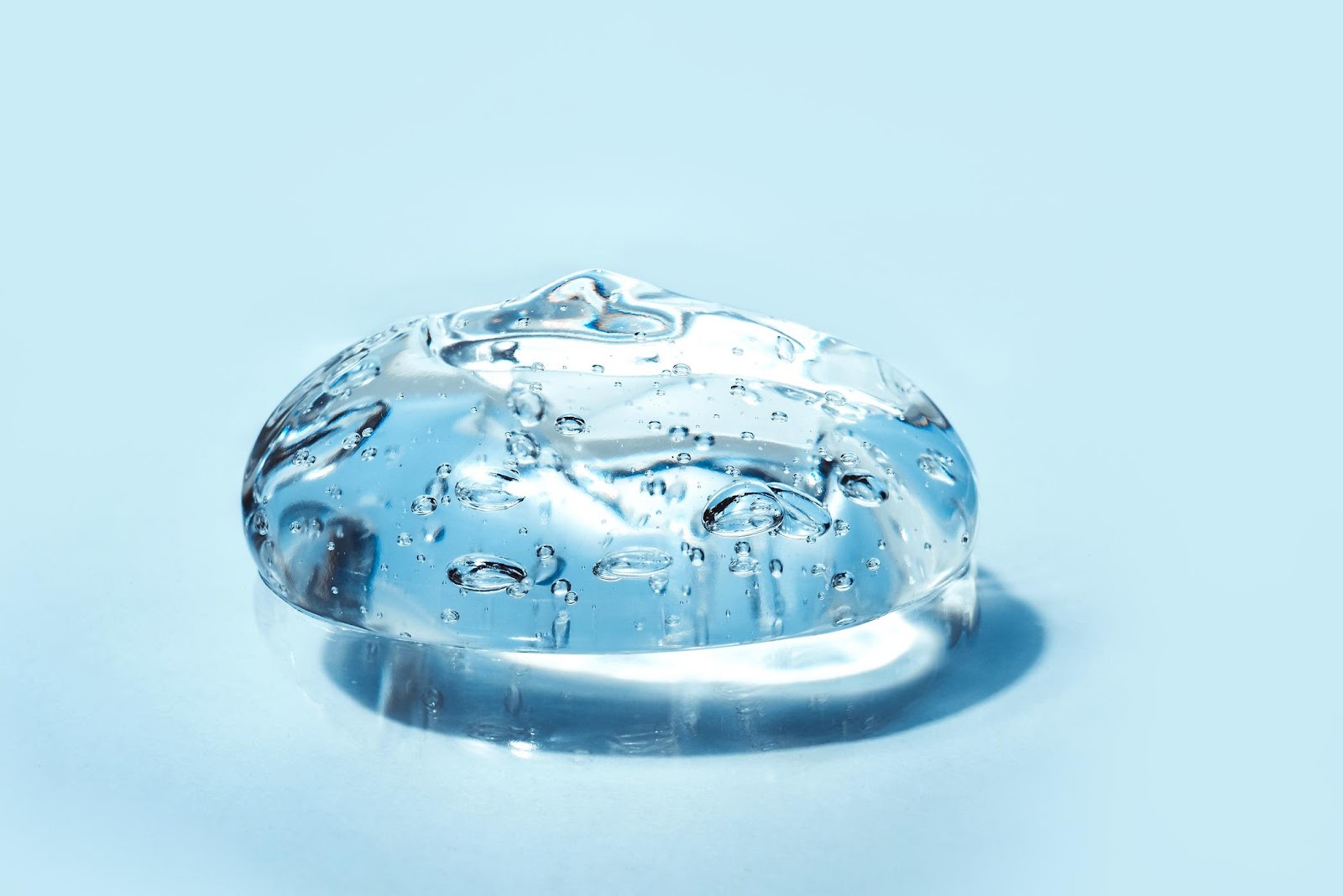
While Botox is designed to relax muscles and smooth expression lines, dermal fillers are injectable gels used to restore volume, reshape facial contours, and fill in static wrinkles—those that appear even when the face is at rest.
Most dermal fillers are made from hyaluronic acid, a naturally occurring substance in the skin that retains moisture and supports elasticity. Some fillers are also made from calcium-based compounds or poly-L-lactic acid, depending on the desired effect and area of treatment.
All images used under license from Canva. © APT Medical Aesthetics, 2025. All rights reserved.
Dermal fillers are commonly used to treat
- Nasolabial folds (smile lines)
- Marionette lines
- Cheek volume loss
- Under-eye hollows
- Lip enhancement
- Jawline contouring
- Chin augmentation
- Non-surgical rhinoplasty
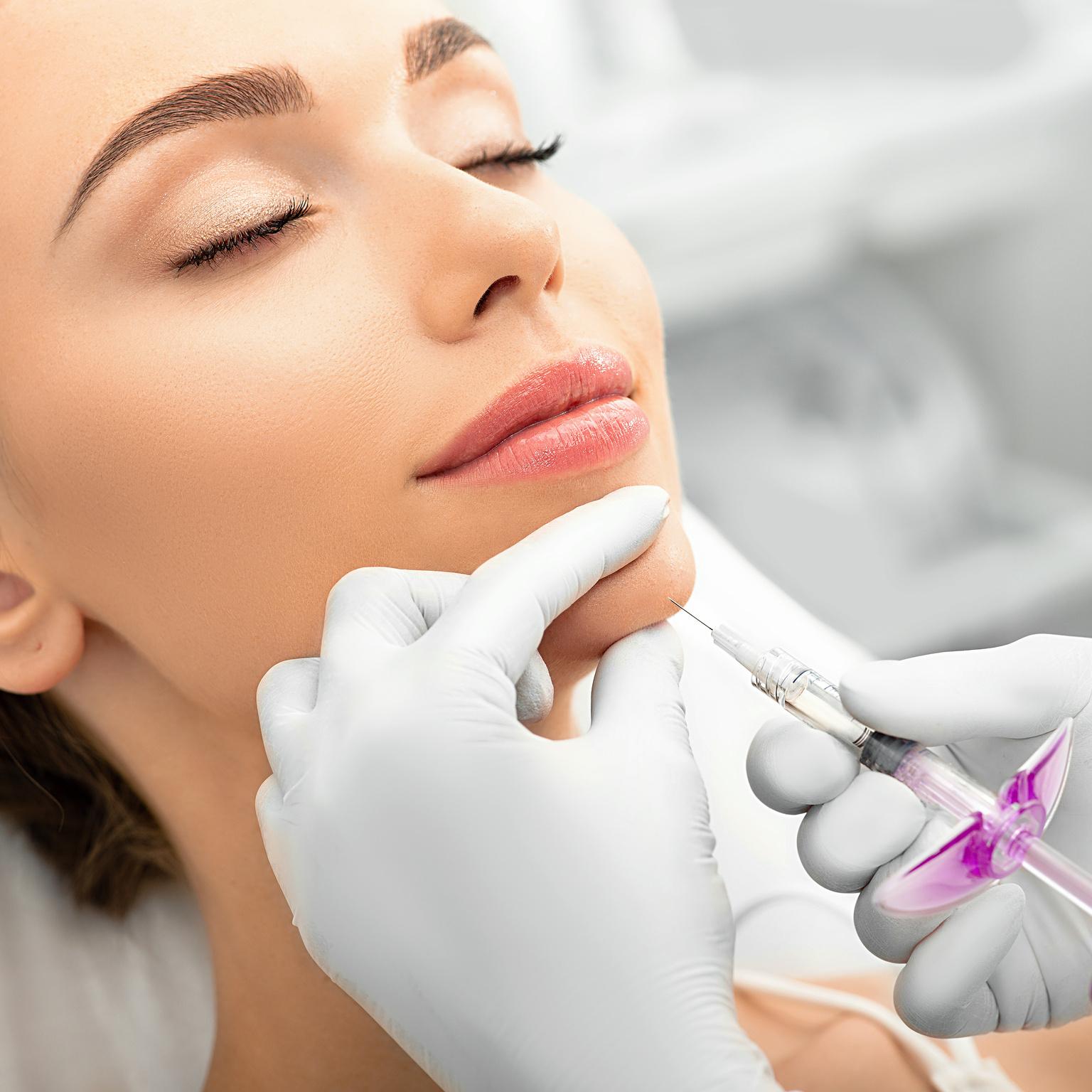
Unlike Botox, fillers provide immediate results. Depending on the type of product used and the treatment area, the results can last between 6 months and 2 years or longer.
All images used under license from Canva. © APT Medical Aesthetics, 2025. All rights reserved.
Key Differences Between Botox and Fillers
Understanding the difference between Botox and fillers is essential for any injector in training. While both involve the use of needles and require precision and expertise, their mechanisms of action, target areas, and outcomes are completely different.
Here is a side-by-side comparison to help clarify.
1. Purpose
Botox relaxes muscles to prevent and reduce the appearance of dynamic wrinkles
Fillers restore volume, reshape facial features, and fill static lines and folds
2. Active Ingredient
Botox is a neurotoxin
Fillers are made of substances like hyaluronic acid or calcium hydroxylapatite
3. Onset of Results
Botox takes several days to show results
Fillers provide immediate volume and contouring
4. Duration of Effect
Botox lasts approximately 3 to 4 months
Fillers last 6 to 24 months depending on the product
5. Areas of Use
Botox is typically used in the upper third of the face
Fillers are used in the mid and lower face, lips, and deeper folds
6. Technique and Skillset
Botox requires precision in muscle mapping and dose control
Fillers require understanding of facial structure, depth, and vascular safety
Each treatment serves a unique purpose, and in many cases, they complement one another. For example, a patient may benefit from Botox to relax frown lines while also receiving dermal filler to restore lost cheek volume or enhance their lips.
Why Proper Training in Botox and Fillers Is Essential
Because Botox and fillers are both medical procedures that carry risks, it is essential that practitioners complete formal education and hands-on training before treating patients. While some clinics offer short, fast-track programs, new injectors are strongly encouraged to seek comprehensive instruction through qualified injection courses for nurses and regulated healthcare professionals.
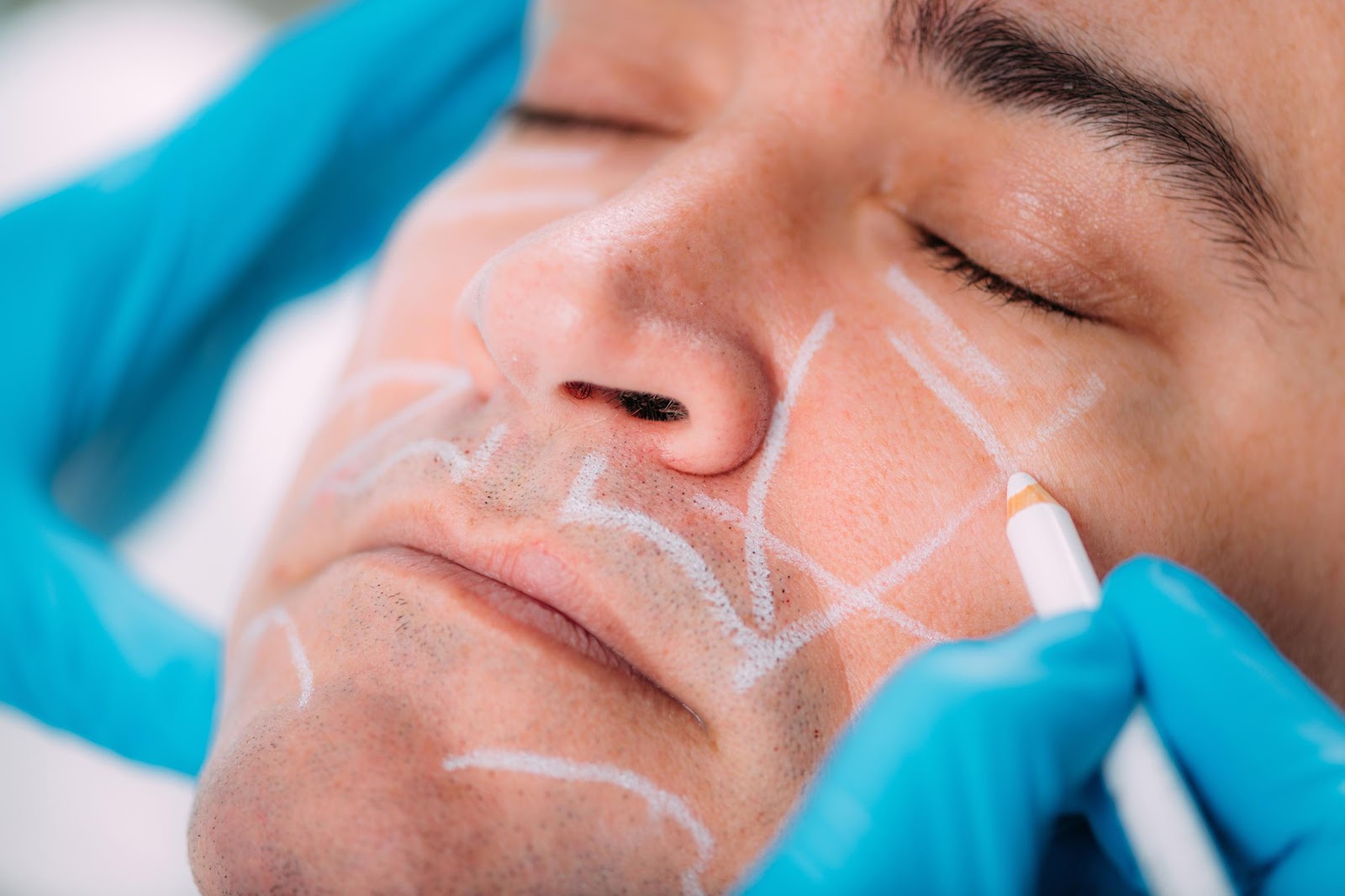
A credible training program will include
- Detailed facial anatomy and vascular mapping
- Injection techniques for various products and treatment areas
- Managing patient expectations and treatment planning
- Preventing and treating complications such as vascular occlusion or ptosis
- Safe reconstitution and product handling
- Legal and ethical considerations including documentation and consent
- Working with a medical director if you are not a prescriber
All images used under license from Canva. © APT Medical Aesthetics, 2025. All rights reserved.
When training in Botox, it is especially important to learn how to assess facial movement patterns, calculate appropriate dosages, and understand how to avoid diffusion into unintended muscles. Even slight inaccuracies in technique can lead to unwanted results like asymmetry, heavy brows, or drooping eyelids.
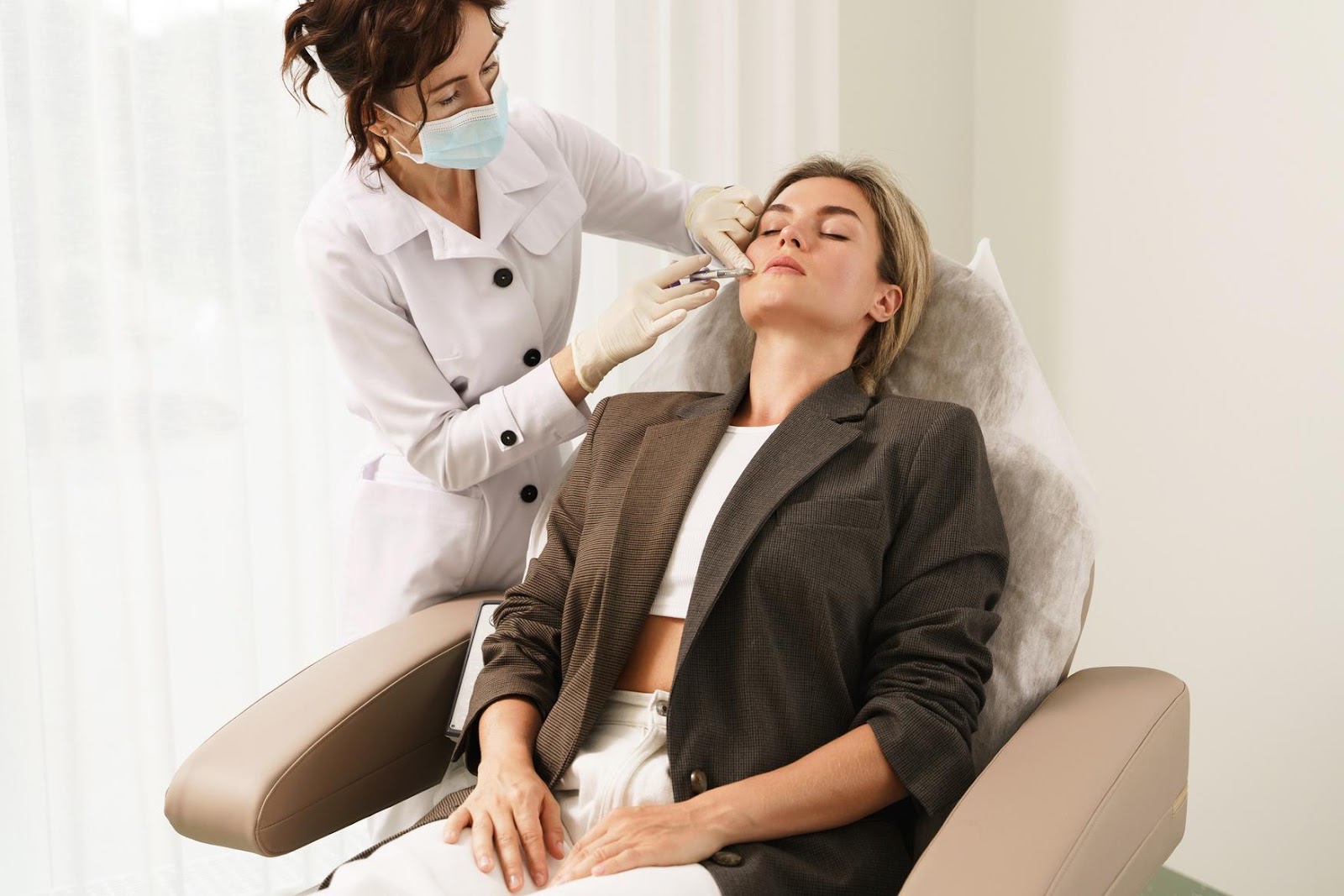
Filler training requires a strong understanding of depth, tissue planes, and safe injection zones. The face contains complex anatomy, including arteries and nerves, that must be navigated carefully. Knowing how to use a cannula or needle, choosing the correct filler type, and adjusting your approach for each patient are all skills that are refined through quality hands-on practice.
All images used under license from Canva. © APT Medical Aesthetics, 2025. All rights reserved.
The Risk of Inadequate or Unregulated Training
Because Botox and dermal fillers are so widely known, there is a perception that these treatments are simple or risk-free. This leads to many unregulated courses being offered by individuals without medical credentials, and sometimes even to non-healthcare professionals attempting to perform injections illegally.
This is dangerous and illegal in Ontario. Botox and fillers are considered controlled medical acts and must only be performed by regulated professionals such as nurses, nurse practitioners, physicians, and dentists.
Patients place their trust in healthcare providers to deliver safe, effective outcomes. When practitioners lack proper training or attempt to cut corners, it can result in serious complications including blindness, necrosis, nerve damage, and permanent disfigurement.
This is why credible injection courses for nurses emphasize patient safety, thorough clinical knowledge, and ethical practice above all else.
Why Combining Botox and Filler Knowledge Creates Stronger Injectors
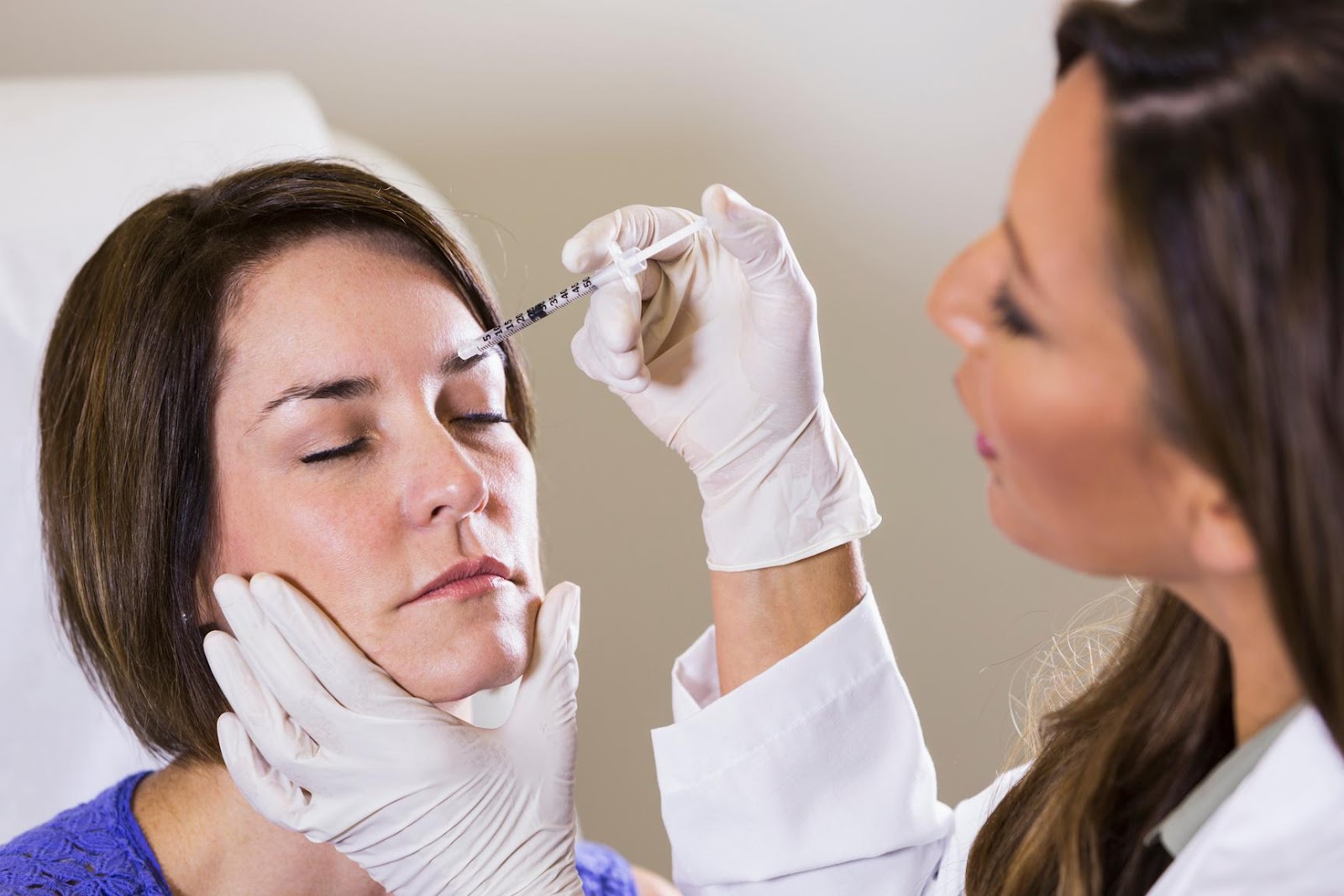
For nurses entering the world of aesthetic medicine, learning both Botox and filler techniques provides a more complete skill set. Many treatment plans involve a combination approach to restore youthful facial harmony.
Understanding how muscles contribute to facial movement allows you to soften overactive expressions with Botox. At the same time, being able to restore volume to cheeks or lips with filler can enhance the structure and contour of the face.
Aesthetic outcomes are not one-size-fits-all. Each patient has a unique facial structure, expression pattern, and personal goal. When you are trained in both types of injections, you are better equipped to offer customized treatment plans that address aging on multiple levels.
All images used under license from Canva. © APT Medical Aesthetics, 2025. All rights reserved.
Tips for New Injectors Entering the Aesthetic Field
If you are a nurse or other regulated healthcare professional considering a career in injectables, here are a few tips to help guide your next steps
1. Choose a Reputable Training Program
Look for courses taught by experienced injectors who offer small class sizes, live model practice, and comprehensive education. APT Injection Training is recognized for setting the gold standard in aesthetic education in Ontario.
2. Learn Botox and Filler as Separate but Complementary Skills
Do not assume one course will cover everything. Start with foundational training in Botox or fillers, then gradually build your skills through advanced modules and mentorship.
3. Prioritize Patient Safety and Ethical Practice
Complications can and do happen. The best way to prevent them is to be well-informed, cautious, and always prioritize the well-being of your patients.
4. Work With a Medical Director if You Are Not a Prescriber
Nurses must follow directives from a prescribing healthcare provider to perform aesthetic injections. Understanding how to work under a directive is part of being a responsible injector.
5. Continue Learning Beyond the Classroom
The field of medical aesthetics evolves constantly. Attend workshops, journal clubs, conferences, and mentorship programs to refine your knowledge and technique over time.
Final Thoughts on Understanding Botox and Fillers
Entering the world of cosmetic injectables is an exciting opportunity for nurses looking to blend clinical skill with artistic creativity. But success in this field starts with education. Understanding the difference between Botox and fillers is more than just knowing what each product does—it is about knowing how to use them safely, effectively, and ethically.
With the right training, hands-on practice, and mentorship, you can develop the confidence and capability to provide high-quality aesthetic care that enhances both beauty and self-esteem.
APT Injection Training is proud to support new injectors with expert-led courses, real clinical practice, and ongoing support. Whether you are just starting your journey or looking to expand your scope, we are here to help you grow.
Train with Ontario’s most trusted name in aesthetic education. Learn with confidence. Inject with purpose.
(289) 271-5718
✉️ info@aptinjectiontraining.com
aptinjectiontraining.com
Tips to be a
Successful Injector!
Free E-Book download