Student Log in
 1267 Cornwall Rd, Unit 300, Oakville, Ontario L6J 7T5

 (289) 271-5718
blog
Laser Education And Scope Of Practice – Staying Compliant
Mar 14 2026
Reading Time: 5 Minutes
Author:
Laser treatments are among the most in-demand services in medical aesthetics. Patients seek solutions for pigmentation, redness, acne scarring, and skin tightening. They actively search for advanced energy-based options. More healthcare professionals now explore laser courses to expand their offerings and increase revenue.
But before enrolling in any laser certification program, answer a critical question. Are you legally allowed to perform these treatments in Ontario?
Understanding laser scope of practice, laser regulations Ontario, and compliance laser standards is not optional. It is foundational. Whether you are an RN, RPN, NP, physician, dentist, or clinic owner, knowing your professional boundaries protects your license, your patients, and your business.
This guide breaks down laser education pathways, scope considerations, Ontario compliance requirements, and how laser training fits into a safe, ethical aesthetic practice.
Why Laser Courses Are In High Demand
Energy-based devices have transformed aesthetic medicine. Treatments like IPL, fractional resurfacing, RF microneedling, and skin tightening are now mainstream. Patients often research options online before stepping into a clinic. Many first-time aesthetic patients start with lasers rather than injectables.
When patients explore concerns like texture changes, sun damage, or uneven tone, they often read about solutions similar to those in Uneven Skin Texture In Winter which highlights how environmental stress impacts skin quality and how technology-based treatments can help restore balance.
For healthcare professionals, this means demand is growing. Laser courses offer the following.
- Expanded treatment offerings
- Increased clinic revenue potential
- Diversification beyond injectables
- The ability to treat a wider range of skin concerns
However, high demand does not equal unrestricted practice. Laser scope of practice must always be evaluated through a regulatory lens.
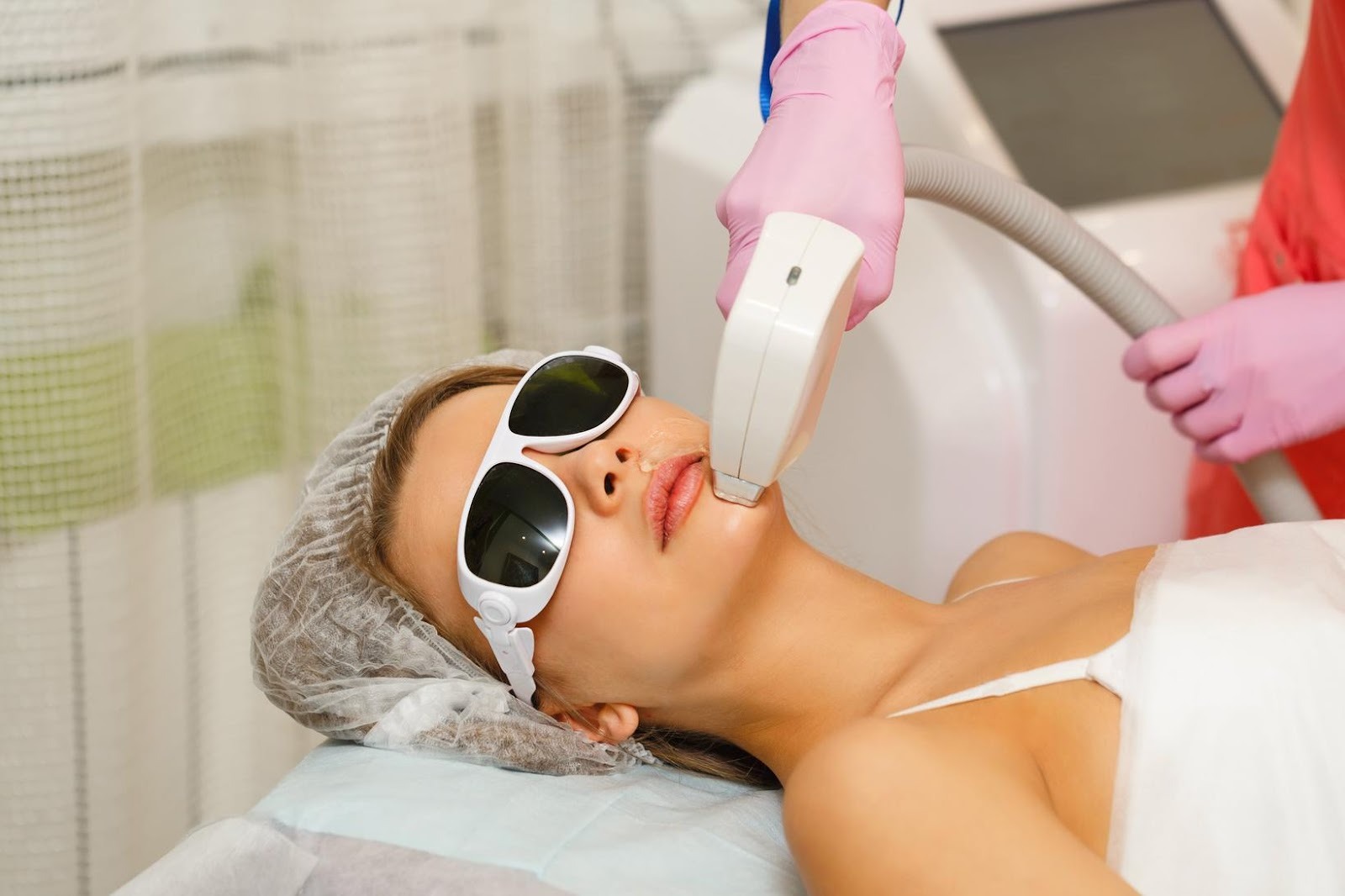
All images used under license from Canva. © APT Medical Aesthetics, 2026. All rights reserved.
Understanding Laser Regulations Ontario
One common question we receive is “what are the laser regulations Ontario healthcare professionals must follow?”
In Ontario, lasers are considered forms of energy. The application of prescribed forms of energy falls under the Regulated Health Professions Act (RHPA). Certain energy applications may be considered controlled acts depending on depth of penetration and tissue interaction.
Unlike neurotoxin and dermal filler injections — clearly restricted to regulated professionals — laser regulations can appear less straightforward.
Key considerations include the following.
- Whether the energy modality penetrates below the dermis
- Whether it disrupts living tissue
- Whether the treatment involves controlled acts
- Whether delegation or medical directives are required
This is why compliance laser education is so important. Taking a laser certification course without understanding your professional college’s position statement can place you at risk.
For example, patients researching deeper treatments like RF microneedling for laxity — often described in resources like Why Jowls Form So Early And What You Can Do About Them Before It’s Too Late — show that some energy-based devices interact with deeper structures. Providers must know whether those depths fall within their legal scope.
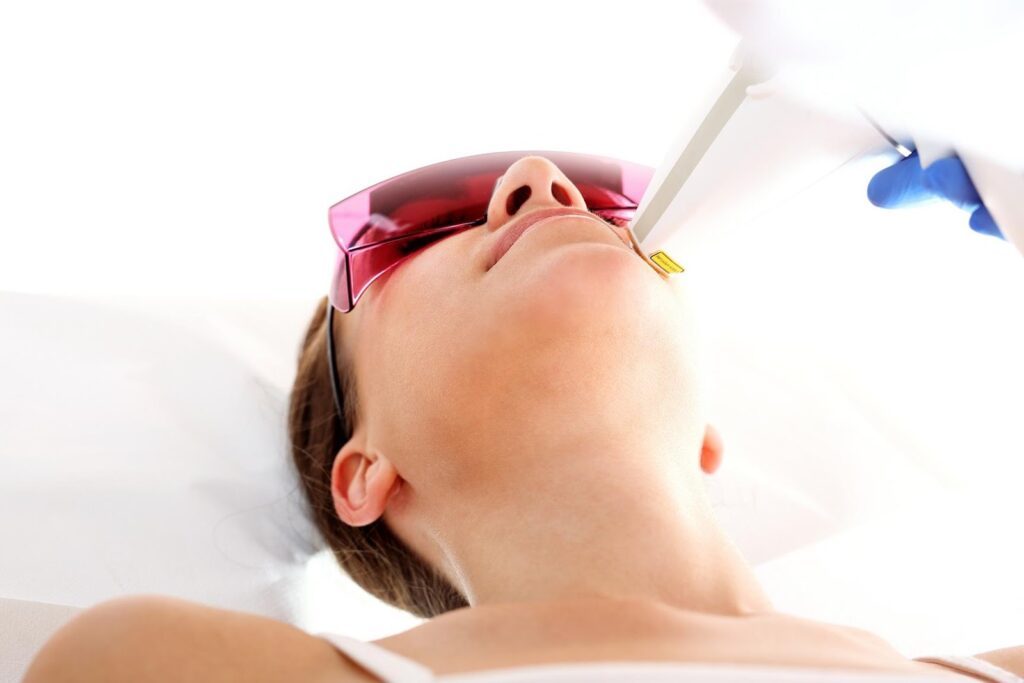
All images used under license from Canva. © APT Medical Aesthetics, 2026. All rights reserved.
Who Can Perform Laser Treatments In Ontario
The question “who can perform laser treatments” does not have a one-size-fits-all answer.
In Ontario
- Physicians generally have the broadest scope and can perform and delegate many laser procedures.
- Nurse Practitioners and Registered Nurses may perform laser treatments under appropriate medical directives.
- Registered Practical Nurses may require additional delegation depending on device and tissue depth.
- Medical aestheticians who are not regulated healthcare professionals must work under appropriate supervision and within clearly defined boundaries.
This is why taking laser courses from reputable institutions that address compliance laser standards — not just technique — is essential.
If you compare this to injectables, the difference is clearer. For instance, discussions like Can Medical Aestheticians Inject Botox® outline clearly why injections are restricted to regulated professionals. Laser education requires similar regulatory awareness, even if the boundaries differ.
Laser Certification Versus Competency
A laser certification does not automatically grant legal authority to practice. Certification demonstrates education. Scope determines permission.
Many weekend laser courses focus heavily on device settings and protocols. They often avoid deeper regulatory discussions. This leaves providers vulnerable.
True compliance laser education should cover the following topics.
- Physics of laser and light
- Skin typing and Fitzpatrick assessment
- Indications and contraindications
- Risk management and complication protocols
- Ontario regulatory framework
- Documentation standards
- Medical directives and delegation
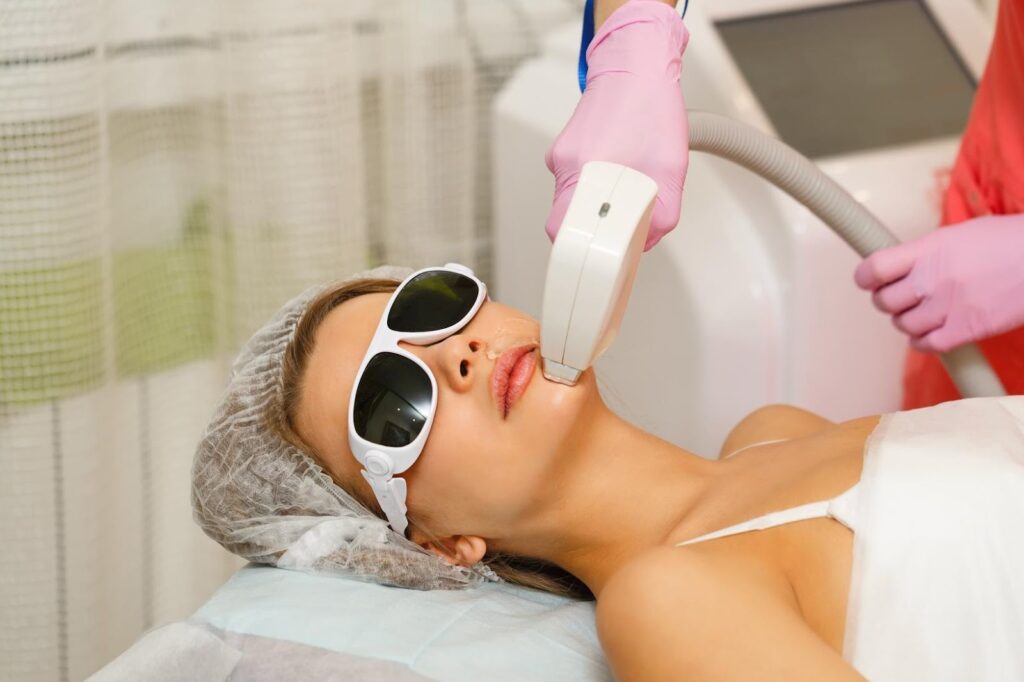
Patients researching treatments like pigmentation solutions often come across topics similar to Say Goodbye To Sun Damage – Best Treatments For Pigmentation And Dark Spots In Oakville, which emphasize device selection and skin safety. Providers must be equally informed on safety standards before offering these services.
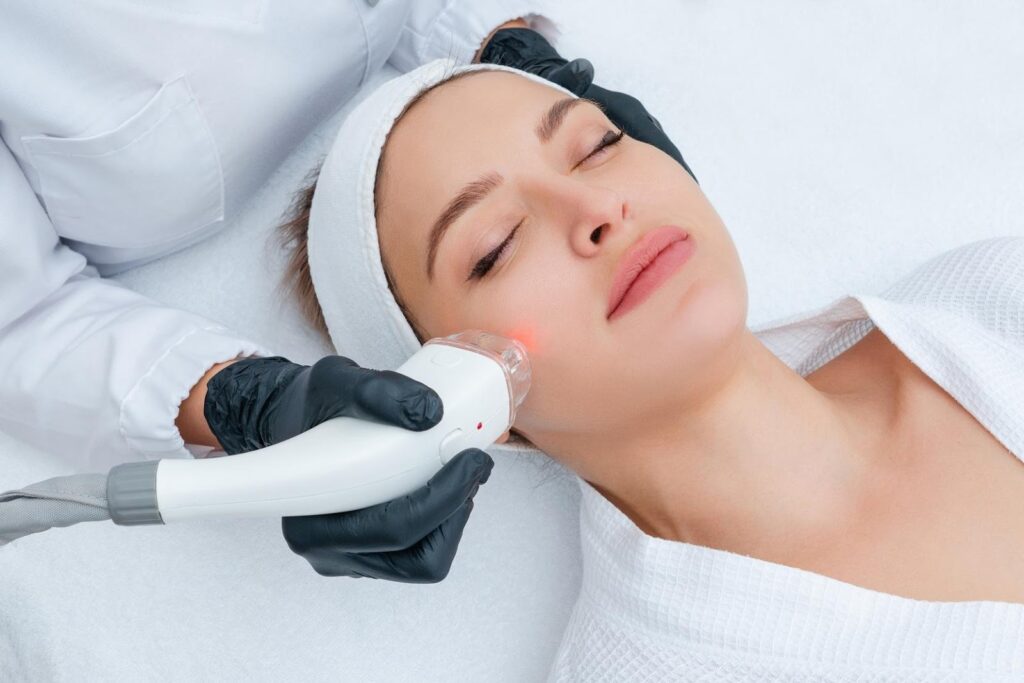
All images used under license from Canva. © APT Medical Aesthetics, 2026. All rights reserved.
The Risks Of Practicing Outside Your Laser Scope Of Practice
Operating outside your scope can result in the following.
- College investigations
- Insurance denial of claims
- Patient injury
- Reputational damage
- Financial liability
Laser devices are powerful. Burns, post-inflammatory hyperpigmentation, scarring, and ocular injuries are real risks.
Compliance laser standards exist for a reason. Proper patient consultation, informed consent, and documentation are not optional. They are legal protections.
In consultations, providers should conduct skin analyses similar in thoroughness to what is described in Understanding The Different Types Of Acne Scars And How To Treat Them In Oakville, where assessment determines appropriate modality selection.
Laser safety requires that same level of detail — every time.
Building A Compliant Laser Treatment Model In Your Clinic
If you are considering adding lasers after completing laser courses, your next step should be system development.
A compliant clinic should have the following in place.
- Clear medical director oversight (if required)
- Written medical directives
- Emergency protocols
- Laser safety officer designation
- Proper eye protection protocols
- Device maintenance logs
- Comprehensive consent forms
- Thorough pre-treatment assessments
- Post-treatment care instructions
Documentation should include the below.
- Fitzpatrick skin type
- Recent sun exposure history
- Medication review
- Hormonal considerations
- Prior treatment history
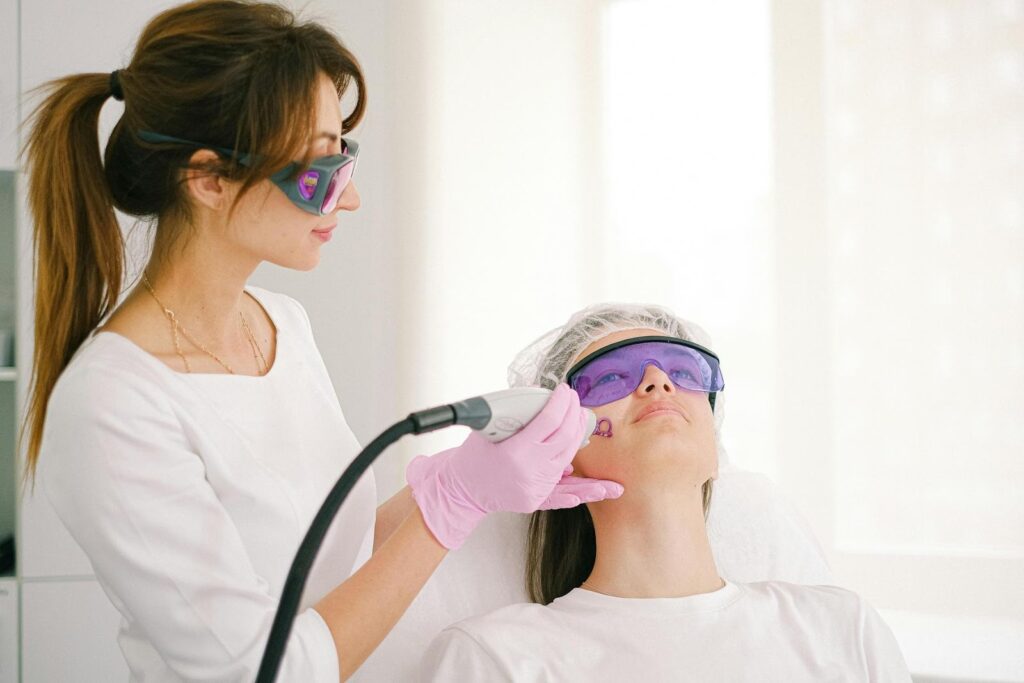
When patients compare lasers to alternatives such as injectables — often reading articles like What Causes Jowls And Why Neurotoxins Are Not The Solution For Skin Laxity — they are evaluating risk and outcome. Your consultation process must demonstrate clinical authority and safety.
All images used under license from Canva. © APT Medical Aesthetics, 2026. All rights reserved.
Laser Courses As A Career Expansion Strategy
For many nurses and healthcare professionals, laser certification is part of a broader career plan. Energy-based devices complement injectables and skincare.
A well-rounded aesthetic provider understands when to recommend the following treatments.
- Neurotoxin
- Dermal filler
- Biostimulators
- Laser resurfacing
- IPL
- RF microneedling
- Medical-grade skincare
Tips to be a
Successful Injector!
Free E-Book download