blog
Why Complication Management Should Be Mandatory In Injector Training
Mar 23 2026
Reading Time: 7 Minutes
Author:
The aesthetics industry loves to showcase beautiful before-and-afters. Perfect lips. Sculpted jawlines. Smooth tear troughs. Balanced profiles.
But behind every aesthetic transformation lies a responsibility that is far less glamorous — and far more important.
Complications happen.
Not because injectors are careless. Not because training failed. But because injectable medicine involves anatomy, vascular networks, and real biological variability. And when something goes wrong, the outcome depends entirely on one factor – preparedness.
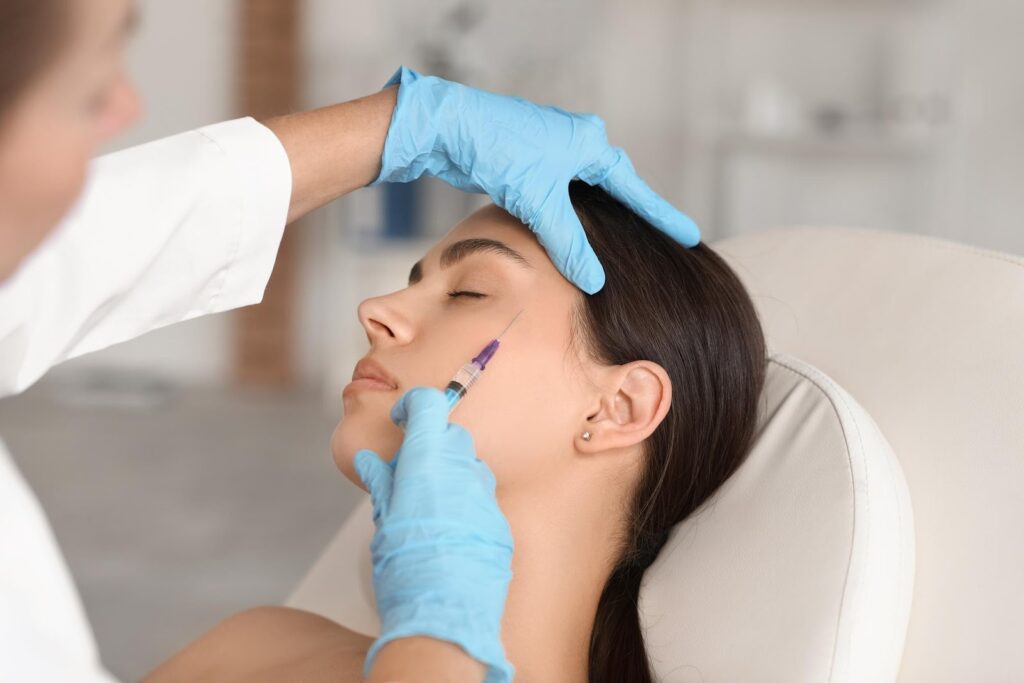
Vascular occlusion is one of the most serious risks associated with dermal fillers. While uncommon, it is not rare. And when it occurs, time-sensitive intervention determines whether tissue recovers or permanent damage develops.
Complication management injectables training should not be optional, supplemental, or offered as an “advanced” add-on.
It should be mandatory.
In this article, we’ll explore why vascular occlusion education, filler emergencies training, and true injector preparedness must form the foundation of every injector’s education — not just an afterthought.

All images used under license from Canva. © APT Medical Aesthetics, 2026. All rights reserved.
What Is A Vascular Occlusion And Why It Matters
A vascular occlusion occurs when dermal filler is injected into an artery or compresses a vessel, blocking blood flow to surrounding tissue. Without oxygenated blood supply, tissue ischemia can develop. If untreated, this may progress to necrosis. In rare cases, retrograde embolization can lead to vision loss.
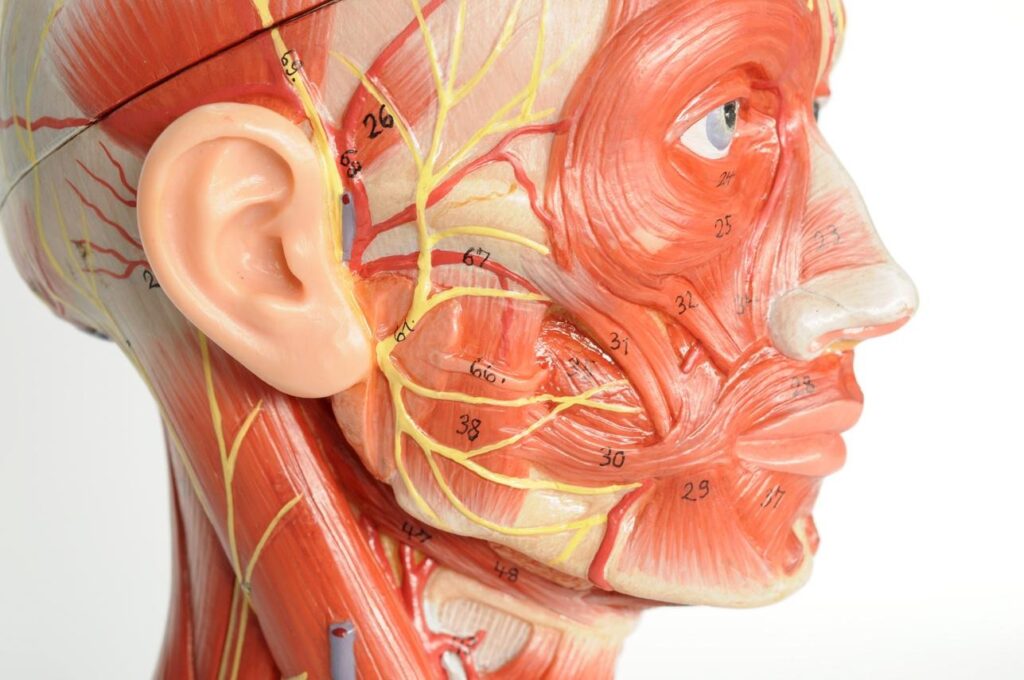
The face contains complex vascular anastomoses, particularly in high-risk areas such as the following areas.
- Glabella
- Nose
- Nasolabial folds
- Forehead
We emphasize anatomical precision when treating aesthetic concerns like acne scarring in Why Morpheus8 Is One of Oakville’s Best Options for Treating Acne Scars and Uneven Skin. The same anatomical respect must exist — even more so — when injecting filler into high-risk vascular territories.
Without mastery of anatomy, complication management becomes reactionary rather than preventative.
Injectable Complications Are Part Of Clinical Practice
There is a persistent myth in aesthetics that complications only happen to inexperienced injectors.
The reality? Injectable complications can occur at any level.
This also includes the following complications.
- Vascular occlusion
- Delayed inflammatory reactions
- Nodules
- Granulomas
- Hypersensitivity reactions
- Infection
- Filler migration
Complications do not always mean poor technique. But poor management always worsens outcomes.
When discussing barrier dysfunction and skin reactivity in Uneven Skin Texture In Winter – Why It Happens And The Best Treatments To Fix It, we explain how environmental stressors compromise skin health. Similarly, vascular networks have predictable vulnerabilities. High-risk zones require modified depth, product choice, cannula consideration, and pressure control.
Complication management injectables education ensures injectors understand not only how to inject — but when, where, and why risk increases.

All images used under license from Canva. © APT Medical Aesthetics, 2026. All rights reserved.
Why Complication Management Must Be Mandatory
Aesthetic medicine is procedural healthcare.
If complication training is optional, we create inconsistency across the profession. Some injectors receive in-depth emergency training. Others receive minimal exposure.
Mandatory complication management education ensures every injector has knowledge and competencies on the following.
- Comprehensive facial vascular anatomy knowledge
- Immediate recognition skills
- Clear emergency protocols fillers training
- Hands-on hyaluronidase reconstitution experience
- Confidence under pressure
This is not fear-based training. It is responsible training.
Just as we thoroughly assess structural aging before recommending treatments in Why Jowls Form So Early And What You Can Do About Them Before It’s Too Late, injectors must assess anatomical risk before placing product.
Technique without emergency readiness is incomplete education.

All images used under license from Canva. © APT Medical Aesthetics, 2026. All rights reserved.
Early Recognition Of Vascular Compromise
The most critical factor in vascular occlusion management is early recognition.
Below are signs and symptoms of early vascular compromise.
- Immediate blanching
- Severe, disproportionate pain
- Livedo reticularis pattern
- Coolness of the skin
- Delayed capillary refill
- Dusky or gray discoloration
Injector preparedness means recognizing these signs instinctively — not pausing to search lecture notes.
Differentiating between normal post-injection erythema and vascular compromise is crucial. This clinical discernment mirrors how we teach patients to distinguish irritation from true breakouts. Recognition requires repetition. Scenario-based learning. Case study analysis. Real-world discussion.
Not a single slide at the end of a filler lecture.

All images used under license from Canva. © APT Medical Aesthetics, 2026. All rights reserved.
Emergency Protocols Fillers – What Every Injector Must Be Able To Do
Owning hyaluronidase is different from knowing how to use it.
True emergency protocols for fillers training should include the below.
- Immediate cessation of injection
- Assessment of capillary refill time
- Aggressive, high-dose hyaluronidase reconstitution
- Warm compress application
- Gentle massage
- Aspirin administration where clinically appropriate
- Clear documentation protocols
- Urgent ophthalmology referral pathways if visual changes occur
Injector preparedness requires hands-on dosing practice. Knowing how many units to reconstitute. Knowing how to layer injections. Knowing how to reassess tissue every 30–60 minutes.
When we discuss evidence-based treatment decisions in Is Medical Grade Skincare Actually Better Than Over-The-Counter Products, we emphasize clinical guidance over guesswork. Emergency filler management requires even more structure.
There is no room for improvisation during vascular compromise.

All images used under license from Canva. © APT Medical Aesthetics, 2026. All rights reserved.
Blindness Risk And High-Risk Zones
One of the most devastating filler emergencies is vision loss.
Although rare, cases have been reported when filler enters arterial circulation and travels retrograde into the ophthalmic artery. The glabella, nose, and forehead are particularly high-risk due to vascular connections.
Understanding of the below are some of the important things that practitioners can do to help decrease the risk of vascular complications.
- Supratrochlear artery pathways
- Dorsal nasal artery connections
- Anastomotic links
…and much more.
Before recommending resurfacing treatments like those discussed in Say Goodbye To Sun Damage – Best Treatments For Pigmentation And Dark Spots In Oakville, we carefully evaluate candidacy and risk. Injectors must apply that same level of risk assessment to every high-danger injection zone.
Sometimes injector preparedness means referring out — or choosing not to inject.
Complication Management Protects The Injector Too
Complication management is not only about patient safety. It protects the injector legally, professionally, and emotionally.
Without clear emergency protocols documentation may be incomplete, delays in intervention may occur, outcomes may worsen and regulatory scrutiny increases.
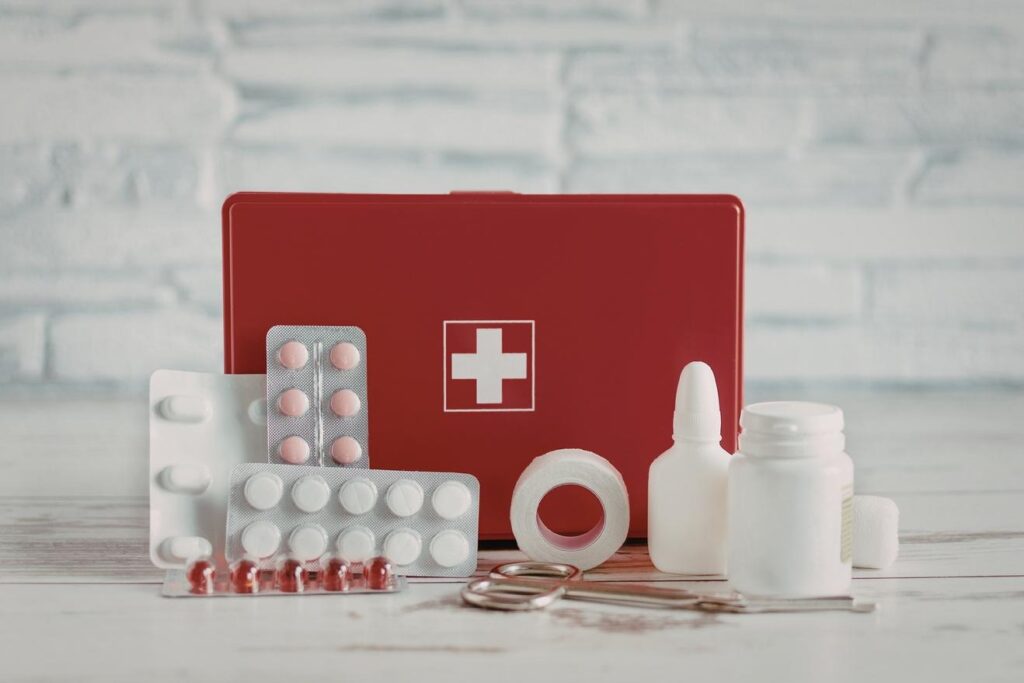
Informed consent should include discussion of vascular occlusion risk. Emergency kits should be checked regularly. Hyaluronidase should be in stock and unexpired.
Ethical practice requires transparency.
When we frame self-care as intentional and preventative, the message is empowerment through proactive decisions. Complication management is the clinical equivalent — proactive, prepared, and protective.
Foundational Courses Alone Are Not Enough
Many injectors complete an introductory filler course and begin practicing immediately.
But complication management injectables education requires ongoing reinforcement.
Advanced programs should include the following.
- Live complication case reviews
- High-risk anatomy deep dives
- Hyaluronidase dosing labs
- Simulated emergency drills
- Peer-based discussion forums
Injector preparedness grows through repetition and exposure to real case scenarios.
Mandatory complication training raises industry standards. It creates consistent safety expectations across clinics.
It protects the credibility of aesthetic medicine.
Building A Culture Of Safety In Aesthetic Clinics
Complication management must extend beyond individual injectors.
Clinics should conduct quarterly emergency drills, review complication case studies, maintain updated emergency kits, establish clear referral networks, and encourage open reporting culture.
When complications are discussed without shame, learning accelerates. Outcomes improve.
A culture of safety mirrors the structured approach we take with comprehensive treatment planning in aesthetic medicine — thoughtful, layered, and patient-centered.
FAQ – Complication Management Injectables
What Is The Most Serious Filler Emergency?
Vascular occlusion is considered one of the most serious injectable complications due to the risk of tissue necrosis and blindness.
Should Complication Management Injectables Be Taught Separately?
It should be integrated into all foundational training, with additional advanced reinforcement.
What Are Early Signs Of Vascular Occlusion?
Blanching, severe pain, delayed capillary refill, skin discoloration, and livedo patterning.
What Should Emergency Protocols Fillers Training Include?
Hands-on hyaluronidase reconstitution, anatomy mastery, dosing strategy, documentation training, and referral pathways.
How Can Injector Preparedness Be Improved?
Through advanced education, case study exposure, anatomy review, and regular emergency drills.

All images used under license from Canva. © APT Medical Aesthetics, 2026. All rights reserved.
Safety Before Aesthetics
Beautiful results do not define clinical excellence. Safety does.
In aesthetic medicine, it is easy to focus on outcomes that photograph well — balanced profiles, refined lips, smoother contours. But true professionalism is not measured by social media images. It is measured by how an injector prepares for the unexpected, how they respond under pressure, and how they protect patient wellbeing when complications arise.
Vascular occlusion may be uncommon — but it is serious enough to demand respect. It is not a distant possibility that can be dismissed simply because it does not occur every day. It is a known risk of dermal filler injections, and its potential consequences require deliberate preparation. Injectable complications are part of aesthetic medicine. Filler emergencies are real. Avoiding discussion of them does not reduce their likelihood; proper education does.
Mandatory complication management training ensures every injector entering practice has the tools to respond decisively and confidently. It means understanding facial vascular anatomy in depth. It means recognizing subtle warning signs without hesitation. It means knowing how to reconstitute and administer hyaluronidase appropriately, how to document thoroughly, and how to escalate care when necessary. Preparation transforms panic into protocol.
Injector preparedness separates technicians from clinicians. A technician may focus on placement patterns and product selection. A clinician understands physiology, risk assessment, patient selection, informed consent, and emergency response. A clinician anticipates complications before they occur and builds safeguards into every treatment plan.
Clinical excellence is not simply about achieving symmetry or volume correction. It is about protecting tissue integrity, preserving vision, maintaining patient trust, and upholding the standards of healthcare practice. It is about recognizing that aesthetic medicine is still medicine — and with that comes responsibility.
When complication management is embedded into injector training from the very beginning, we elevate the entire profession. We normalize safety conversations. We create consistent standards across clinics. Most importantly, we protect the patients who trust us with their faces and their health.
And in aesthetic medicine, we must always choose to be clinicians first.
Tips to be a
Successful Injector!
Free E-Book download
Student Log in
1267 Cornwall Rd, Unit 300, Oakville, Ontario L6J 7T5

(289) 271-5718