Student Log in
 1267 Cornwall Rd, Unit 300, Oakville, Ontario L6J 7T5

 (289) 271-5718
blog
Filler Migration – How Training Prevents Long Term Complications
Apr 03 2026
Reading Time: 6 Minutes
Author:
Dermal fillers are now one of the most popular aesthetic procedures. Millions of patients get filler treatments each year. They restore lost volume, soften lines, and enhance features like lips, cheeks, and jawline.
When done correctly, dermal fillers can create beautiful, natural results. But improper injection technique can lead to complications. One major concern is filler migration.
Filler migration happens when the product moves away from the target area. It settles in surrounding tissue instead. This can cause visible swelling, distorted contours, or unnatural fullness over time.
For healthcare professionals, understanding filler migration is vital. Proper injector training helps prevent this issue. It teaches product selection, correct placement, and treatment plans that respect facial structure.
With comprehensive education, practitioners can minimize complications and achieve natural results for patients.
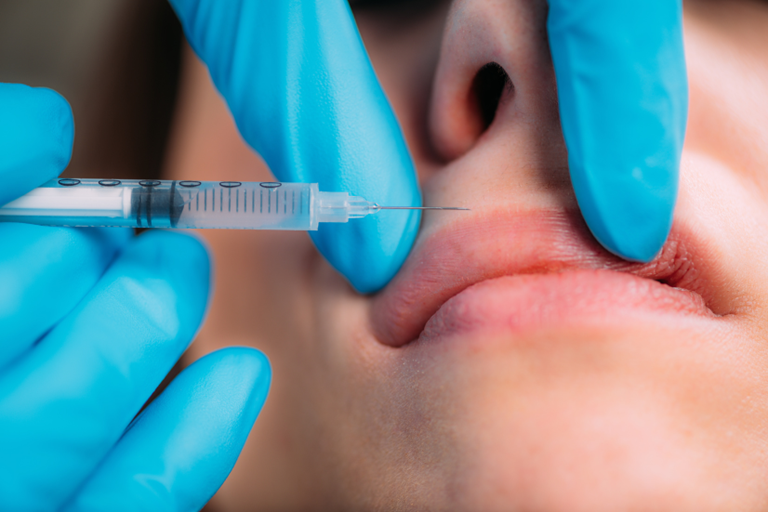
All images used under license from Canva. © APT Medical Aesthetics, 2026. All rights reserved.
Understanding What Filler Migration Is
Filler migration is the movement of dermal filler from its injection site. It travels into nearby tissue areas.
This movement can be gradual. It may not be noticeable for weeks or months. Patients might see puffiness, blurred lip borders, or fullness in unintended areas.
Lip filler migration is a common example. Incorrect placement or too much product can cause it. The filler moves beyond the vermilion border into the upper lip or surrounding tissue.
The result looks unnatural. It often appears as a shelf above the lip. Clear lip definition is lost.
Patients researching treatments often find discussions about complications. Understanding facial aging changes helps practitioners see why precise placement is key.
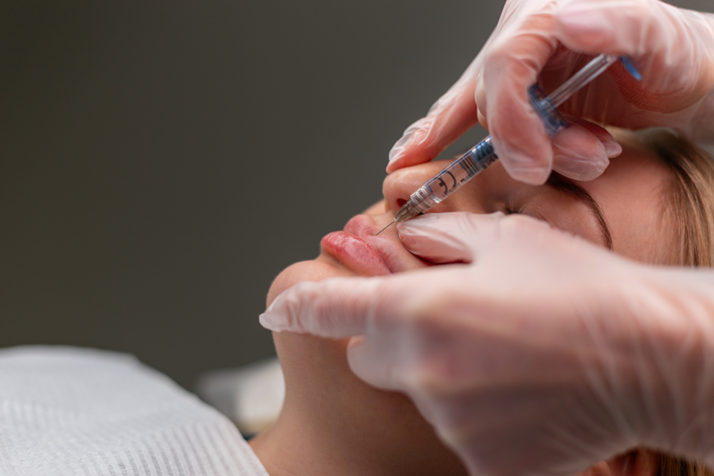
All images used under license from Canva. © APT Medical Aesthetics, 2026. All rights reserved.
Why Filler Migration Happens
Filler migration rarely happens by chance. It usually results from specific factors. These include injection technique, product choice, or treatment planning.
Common causes of migrated filler include
• injection into the wrong anatomical plane
• excessive filler volume in one session
• repeated treatments without allowing tissue integration
• improper product selection for the treatment area
• lack of anatomical knowledge
• inadequate injector training
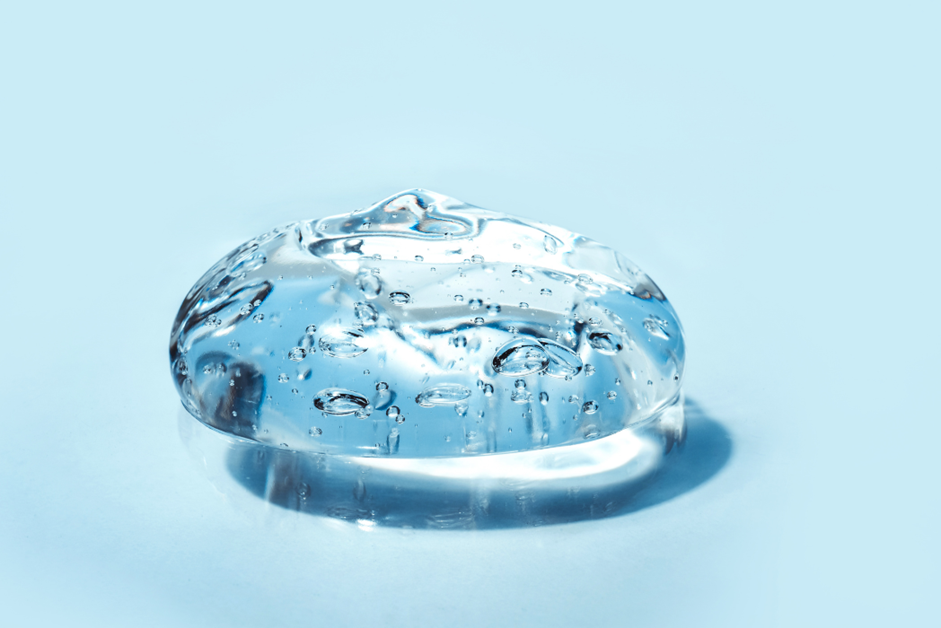
All images used under license from Canva. © APT Medical Aesthetics, 2026. All rights reserved.
For example, placing filler too superficially in the lips raises migration risk. The product lacks support from deeper tissue.
Similarly, adding filler to an already full area can cause displacement over time.
Understanding facial aging patterns is also key. Resources like Common Causes Of Eye Hollows And Sagging Jowls show how volume shifts with age. This highlights why thoughtful placement matters.
The Role Of Anatomy In Preventing Migration
Strong facial anatomy knowledge is vital for injector education. It helps prevent complications.
Dermal fillers must go into precise tissue layers. The layer depends on the area and product type. These layers may include
• superficial dermis
• deep dermis
• subcutaneous fat
• supraperiosteal plane
Injecting into the wrong plane increases the risk of product movement.
For example, lip injections need careful placement. They must support natural movement and shape.
Training programs that focus on anatomy help practitioners. They learn how facial compartments interact. They also learn how to distribute filler correctly.
Understanding facial structure helps avoid compensating for skin issues. These may need other treatments.
For instance, uneven skin tone or sun damage often requires skin based treatments rather than volumizing procedures.
How Proper Training Reduces Complication Risk
High quality injector education covers technique and complication prevention. Both are essential.
Training programs should teach practitioners how to
• perform detailed patient assessments
• identify contraindications
• design conservative treatment plans
• select appropriate filler products
• inject using proper depth and technique
• recognize early signs of complications
Understanding filler behavior in tissue helps practitioners. They can make informed choices that reduce migration risk.
Comprehensive training also stresses a conservative approach.
Building volume gradually over sessions is often safer. It beats using large volumes in one visit.
This method lets practitioners check tissue response. They can adjust treatment plans as needed.
Recognizing The Signs Of Migrated Filler
Early recognition of filler migration helps practitioners act. It stops the complication from getting worse.
Common signs of migrated filler include
• blurred lip borders
• fullness above the lip
• swelling outside the intended treatment area
• asymmetry that develops over time
• persistent puffiness or firmness
Patients may think these signs are swelling. But migration lasts longer than post-treatment inflammation.
Practitioners must be trained to evaluate these changes. They need to know if product movement occurred.
Understanding how facial features change over time helps. It lets practitioners tell migration from natural aging.
All images used under license from Canva. © APT Medical Aesthetics, 2026. All rights reserved.
Managing Migrated Filler In Clinical Practice
When filler migration occurs, management often uses hyaluronidase. This enzyme dissolves the product.
Hyaluronidase breaks down hyaluronic acid fillers. Injecting it into the affected area dissolves the migrated product gradually.
Practitioners must be trained to
• confirm the presence of migrated filler
• calculate appropriate hyaluronidase dosing
• administer dissolving treatments safely
• monitor tissue response
Some cases need several dissolving sessions. This fully corrects the migration.
After the product dissolves, practitioners reassess facial anatomy. They decide if reinjection is appropriate.
Why Complication Training Matters
Complication management is a key part of injector education. It is very important.
Many entry-level courses focus on injection techniques. They offer little training on complication recognition and management.
Comprehensive programs address both prevention and treatment. They cover all aspects.
Practitioners should be ready to manage issues like
• filler migration
• vascular occlusion
• swelling and bruising
• asymmetry
• product overcorrection
Understanding how complications happen helps prevent them. Knowledge is key.
Education focused on patient safety leads to better outcomes. It also builds stronger patient trust.
A Real Clinical Scenario
A patient came to a clinic with persistent fullness above the upper lip. This happened months after filler treatments elsewhere.
The patient thought the swelling would go away. But the fullness became more noticeable. The natural lip border looked blurred.
Upon examination, the practitioner saw classic signs of lip filler migration.
The practitioner used a series of hyaluronidase injections. This dissolved the migrated filler and restored the natural lip contour.
After correction, the patient got conservative lip enhancement. It used a more appropriate technique.
This case shows how proper training helps. Practitioners can prevent and manage complications effectively.
Frequently Asked Questions About Filler Migration
What Causes Filler Migration
Filler migration can happen with wrong plane injection, too much volume, or repeated treatments without tissue integration time.
Is Lip Filler Migration Common
Lip filler migration can occur when technique or planning does not fit the patient’s anatomy.
Can Migrated Filler Be Corrected
Yes. Hyaluronic acid fillers can be dissolved with hyaluronidase. This corrects the area and restores natural contours.
How Can Injectors Prevent Filler Migration
Proper training, anatomy knowledge, conservative planning, and good product choice all help prevent migration.
Why Advanced Training Is Essential For Injector Safety
Dermal fillers are powerful tools. They can transform results when used correctly. Precise placement and a thoughtful plan restore facial balance. They soften aging signs and enhance features while keeping harmony with the patient’s unique structure. But these treatments require high technical skill and clinical judgment.
Safe, natural outcomes need more than just injection techniques. Basic skills are a start. But successful practice needs a broader understanding. This includes facial anatomy, tissue behavior, and patient-specific planning. Practitioners must learn to evaluate facial proportions. They must understand how aging affects different layers. They must know when filler is right and when alternatives are better.
Practitioners must understand anatomy, product behavior, complication management, and patient assessment. Strong anatomy knowledge helps identify safe planes and avoid vessels. Understanding product rheology helps select the right thickness and lift for each area. Equally important is assessing patient expectations, history, and goals before planning treatment.
Training programs that focus on these elements help practitioners develop key skills. Programs with anatomy education, hands-on training, and complication management offer a better experience. Supervised practice lets students refine technique, get guidance, and adapt to individual anatomy.
Advanced training also teaches early warning signs of complications. Issues like migration, occlusion, or overcorrection need quick action. Trained practitioners can maintain safety and achieve better long-term results.
By investing in comprehensive education, professionals can minimize complications like migration. They provide safe, natural results. Continuing education keeps practitioners current with new techniques, fillers, and best practices. This ongoing learning is essential in a fast-evolving field.
APT Injection Training offers advanced education for regulated healthcare professionals. Our courses focus on scientific understanding and real-world application. Students gain the knowledge and confidence for responsible treatments. With hands-on training, safety protocols, and individual instruction, we support long-term careers in aesthetic medicine.
If you want to learn about training programs that prevent complications and teach advanced techniques, our team can help. Whether you are starting or refining skills, our programs support your growth as a safe, confident injector.
(
Tips to be a
Successful Injector!
Free E-Book download