Student Log in
 1267 Cornwall Rd, Unit 300, Oakville, Ontario L6J 7T5


 (289) 271-5718
blog
Emergency Preparedness for Injection Clinics: Anaphylaxis Protocols and Safety Training
Jul 11 2026
Reading Time: 8 Minutes
Author:
As the demand for aesthetic treatments continues to grow, the aesthetic medicine industry has seen significant advancements in techniques and products. However, every time a needle pierces the skin, there is an inherent level of risk. While most treatments are completed smoothly and patients are happy with their results, medical emergencies can and do happen.
Whether you are an experienced medical director or a newly certified practitioner, patient safety must remain your highest priority. Preparing for the unexpected is not just a regulatory requirement; it is a professional and ethical responsibility. Comprehensive patient safety protocols for aesthetic medicine help ensure that your clinic provides a safe and trustworthy environment.
This guide explores the key elements of emergency preparedness for injection clinics, including how to recognise severe adverse reactions, establish an anaphylaxis management protocol, equip your clinic with essential emergency supplies, maintain accurate documentation, and ensure your staff receives appropriate emergency response training.

All images used under license from Canva. © APT Medical Aesthetics, 2026. All rights reserved.
1. Recognising Adverse Reactions: From Mild to Life-Threatening
When administering aesthetic injections, such as Botox, dermal fillers, or local anaesthetics, practitioners must remain vigilant. Early recognition of adverse reactions is essential for an effective emergency response.
Distinguishing Between Mild and Severe Adverse Reactions
Not every adverse reaction is a medical emergency. Practitioners must understand the differences between mild and severe adverse reactions to respond appropriately and ensure that critical interventions are not delayed.
Mild reactions typically include localised redness, slight swelling, pinpoint bleeding, or mild bruising at the injection site. Patients may also experience temporary tenderness. These reactions are generally localised and self-resolving.
Severe reactions may involve systemic symptoms that develop rapidly. Signs include widespread hives (urticaria), facial swelling (angioedema) beyond the injection site, difficulty breathing, stridor, a rapid pulse, and a sudden drop in blood pressure. These symptoms require immediate medical assessment and intervention.
Anaphylaxis vs Vasovagal Syncope Symptoms
One of the most important diagnostic challenges in an aesthetic setting is distinguishing between vasovagal syncope (fainting) and a severe allergic reaction. Understanding anaphylaxis vs vasovagal syncope symptoms is a critical skill for every injector.
Vasovagal syncope (fainting): This can be triggered by anxiety, pain, or the sight of needles. The patient may become pale, cold, and clammy. Their heart rate may decrease (bradycardia), and their blood pressure may drop. If they lose consciousness, they may regain consciousness quickly when laid flat with their legs elevated.
Anaphylaxis: This is triggered by an allergen, such as a component of a dermal filler, lidocaine, or latex. The patient may become flushed, feel warm, or develop hives. Their heart rate may increase (tachycardia) as their blood pressure drops. They may report a sense of impending doom, throat tightness, or shortness of breath. Anaphylaxis is a medical emergency and does not resolve simply by laying the patient down.

All images used under license from Canva. © APT Medical Aesthetics, 2026. All rights reserved.
Recognising Immediate Signs of Systemic Toxicity
Clinics that use local anaesthetics, such as lidocaine with epinephrine, must also be prepared to recognise Local Anesthetic Systemic Toxicity (LAST).
Symptoms often appear neurologically first and may include a metallic taste in the mouth, perioral numbness (tingling around the lips), ringing in the ears (tinnitus), confusion, and, in severe cases, muscle twitching or seizures. Cardiovascular collapse can follow rapidly.
Recognising the early signs of Local Anesthetic Systemic Toxicity is essential so practitioners can stop administering the anaesthetic and initiate the appropriate emergency protocols.
2. The Standardised Anaphylaxis Management Protocol for Injectors
When anaphylaxis occurs, hesitation can be dangerous. Every injection clinic should have a clearly displayed, standardised anaphylaxis management protocol that all clinical staff understand and are trained to follow.
Immediate Steps for Treating Anaphylactic Shock
If you suspect that a patient is experiencing anaphylactic shock, follow your clinic’s emergency response protocol and take the following immediate steps:
- Stop the treatment: Immediately stop the injection and remove the needle.
- Assess the patient: Quickly assess their Airway, Breathing, and Circulation (ABCs).
- Call for emergency help: Assign a specific team member to contact emergency services (911 in the US). Clearly identify the person responsible for making the call.
- Administer epinephrine: Epinephrine is the first-line treatment for anaphylaxis. Do not delay treatment while waiting for symptoms to worsen.
- Position the patient: Position the patient according to their symptoms and the applicable emergency guidance. Appropriate positioning is important for maintaining blood flow and supporting breathing.
All images used under license from Canva. © APT Medical Aesthetics, 2026. All rights reserved.
How to Administer Epinephrine for Acute Allergic Reactions
Epinephrine is the first-line medication for anaphylaxis. Knowing how to administer epinephrine for acute allergic reactions is an essential skill for aesthetic practitioners.
According to the appropriate clinical protocol, epinephrine is administered intramuscularly (IM) into the anterolateral aspect of the thigh (the vastus lateralis muscle). This site is commonly used for rapid absorption.
Method: When using an auto-injector, such as an EpiPen, follow the specific manufacturer’s instructions for removing the safety cap, positioning the device against the outer thigh, activating the injector, and holding it in place for the recommended duration.
Repeat dosing: If symptoms do not improve, a second dose of epinephrine may be required according to the applicable emergency guidelines and clinical protocol.
Managing Airway Obstructions in Outpatient Settings
Severe angioedema can cause the throat and tongue to swell, potentially obstructing the patient’s airway. Managing airway obstructions in outpatient settings requires appropriate emergency training and access to suitable equipment.
Trained healthcare professionals may use airway-opening manoeuvres, such as a head-tilt/chin-lift or jaw-thrust manoeuvre, where appropriate. Basic airway adjuncts, including an Oropharyngeal Airway (OPA) or Nasopharyngeal Airway (NPA), may be used by appropriately trained professionals. High-flow oxygen and ventilation using a bag-valve-mask (BVM) may also be required while waiting for emergency medical services.
3. Crash Cart Basics: Equipping Your Injection Clinic
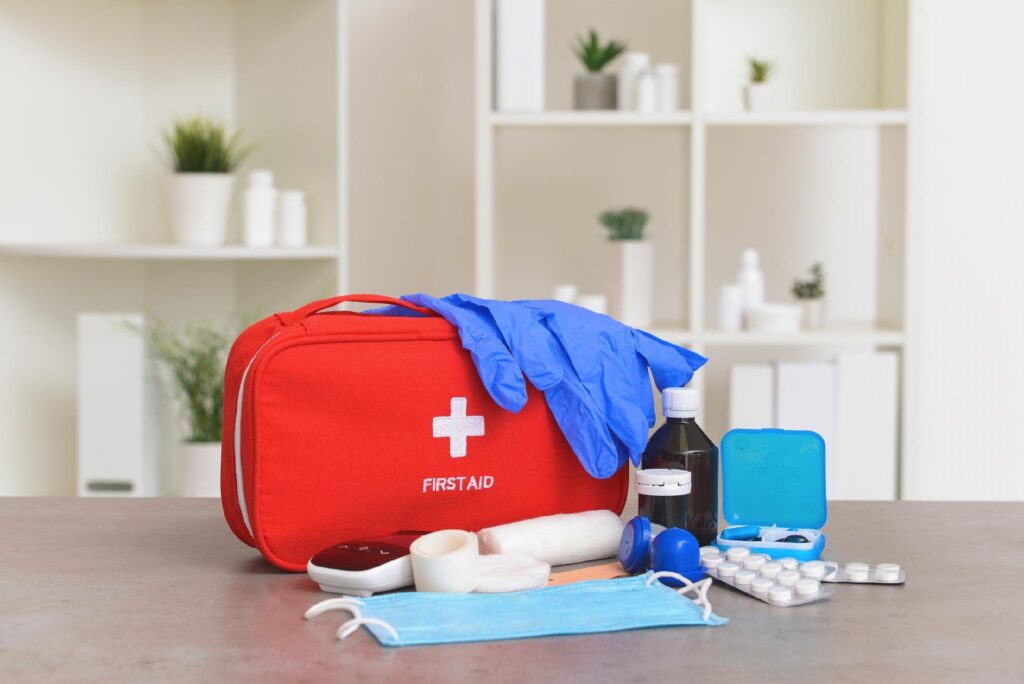
Emergency response skills are most effective when the appropriate equipment and medications are readily available. A fully stocked, accessible injection clinic emergency kit is an essential part of a clinic’s patient safety infrastructure.is the backbone of your clinic’s safety infrastructure.
All images used under license from Canva. © APT Medical Aesthetics, 2026. All rights reserved.
Essential Items for Aesthetic Clinic Crash Carts
Although hospital crash carts are highly specialised, outpatient aesthetic clinics also need appropriate emergency equipment and supplies. Essential items for aesthetic clinic crash carts may include:
- Epinephrine (1:1,000): Appropriate auto-injectors and/or ampoules, with suitable syringes and needles, in accordance with local requirements and clinical protocols.
- Antihistamines: Appropriate antihistamines for secondary symptom management after epinephrine has been administered, as directed by the relevant clinical protocol.
- Hyaluronidase (Hylenex/Vitrase): For managing vascular occlusions caused by hyaluronic acid fillers, in accordance with the applicable clinical protocol.
- Aspirin and nitroglycerin: For use in appropriate circumstances involving suspected acute myocardial infarction (heart attack), according to emergency guidance.
- Oxygen tank and delivery devices: Including nasal cannulas, non-rebreather masks, and a Bag-Valve-Mask (BVM) for ventilation.
- Vital sign monitors: An automatic blood pressure cuff, a stethoscope, and a pulse oximeter.
- Airway adjuncts: Oropharyngeal Airways (OPAs) and Nasopharyngeal Airways (NPAs) in appropriate sizes.
- Cold compresses: For managing certain mild reactions and reducing swelling.
The contents of an emergency kit should reflect the clinic’s services, the training of its staff, applicable regulations, and the relevant clinical guidelines.

All images used under license from Canva. © APT Medical Aesthetics, 2026. All rights reserved.
Maintaining Emergency Medication Expiry Logs
An emergency kit is only useful when its medications and equipment are ready for use. Maintaining emergency medication expiry logs is therefore an important administrative responsibility.
Assign a designated staff member, such as the lead nurse or clinic manager, to conduct a formal audit of the emergency kit at regular intervals, such as on the first day of every month.
Actionable tip: Create a spreadsheet or physical logbook to record the name, batch or lot number, and exact expiry date of every medication. Set calendar reminders to review and reorder medications well before they expire, helping prevent gaps in emergency preparedness.
4. The Importance of Accurate Medical Emergency Documentation
During a medical emergency, documentation may not be the first priority. However, once the patient has been stabilised and transferred to emergency medical services, accurate clinical records become essential for continuity of care, incident review, and professional accountability.
Legal Requirements for Medical Emergency Documentation
Inadequate documentation of a medical emergency can have serious professional and legal consequences. Following the applicable requirements for medical emergency documentation means creating a clear, accurate, and chronological record of the event.
Your documentation should include:
- The exact time the adverse reaction began.
- A detailed description of the patient’s symptoms and complaints.
- The patient’s vital signs and the times they were recorded.
- The time, dosage, route, and administration site of all emergency medications, especially epinephrine.
- A timeline of external communications, such as the time emergency services were called and when paramedics arrived.
- The patient’s condition at the time of transfer to emergency medical services.
Always use objective, clinical language. Your records should accurately reflect the events, assessments, and interventions. The SOAP (Subjective, Objective, Assessment, Plan) format can help ensure that relevant information is recorded systematically.
5. Improving Patient Safety Through Emergency Training
Having a stocked emergency kit and a printed protocol is only the starting point. Effective emergency preparedness depends on how confidently and appropriately the clinical team responds under pressure.
Regular, high-quality patient safety training helps clinics move beyond basic compliance and develop practical emergency response skills.
All images used under license from Canva. © APT Medical Aesthetics, 2026. All rights reserved.
Clinical Benefits of Hands-On Emergency Training
Reading about anaphylaxis is very different from practising how to respond to it. The clinical benefits of hands-on emergency training are significant.
Through practical, scenario-based learning, practitioners can develop muscle memory and become more familiar with emergency procedures and equipment. This preparation can reduce the time spent recalling individual steps during a crisis.
Practising tasks such as preparing emergency medications and using a BVM under appropriate supervision helps injectors develop the practical skills needed to respond effectively when an emergency occurs.
Best Practices for Mock Emergency Drills in Clinics
Regular simulations help clinics assess their emergency preparedness and identify areas for improvement. Following best practices for mock emergency drills in clinics also helps staff understand their responsibilities and work together effectively.
Frequency: Conduct mock emergency drills at regular intervals, for example, quarterly.
Realism: Use training auto-injectors and appropriate training equipment. Practise opening the emergency kit and locating the required supplies.
Role assignments: Clearly assign responsibilities rather than assuming everyone knows what to do. Roles may include:
- Injector: Manages the patient’s initial assessment and clinical response.
- Assistant: Retrieves the emergency kit and supports the clinical team within their training and scope of practice.
- Communicator: Contacts emergency services and records key timings.
Debriefing: After each drill, review what went well and what needs improvement. Identify any practical issues, such as a locked emergency kit, missing equipment, or a pulse oximeter with depleted batteries. Address these issues promptly.
Anaphylaxis Training for Clinics and Advanced Emergency Training
Although basic CPR/BLS training is essential for healthcare providers, it may not cover all the specific complications associated with aesthetic treatments.
Specialised anaphylaxis training for clinics helps address this gap by focusing on recognising severe allergic reactions and responding to medical emergencies.
For practitioners who want to develop their skills further, advanced emergency response training for nurse injectors can provide additional education on the specific, uncommon but potentially serious emergencies associated with cosmetic injections.
Specialised training helps aesthetic professionals strengthen their emergency preparedness, improve their understanding of clinical protocols, and support high standards of patient care.
6. Conclusion: Protect Your Patients and Your Practice
Emergency preparedness for injection clinics involves more than hoping that a medical emergency will never happen. It requires a structured approach to recognising adverse reactions, following an anaphylaxis management protocol, understanding the role of epinephrine, maintaining emergency equipment, documenting incidents accurately, and providing regular staff training.
By understanding the differences between vasovagal syncope and anaphylaxis, maintaining an appropriately equipped emergency kit, and keeping accurate clinical records, practitioners can build a clinic environment that places patient safety first.
However, effective emergency preparedness also depends on the team’s ability to apply its training and follow appropriate protocols under pressure.
Are you ready to improve your clinic’s emergency preparedness and patient safety standards?
Do not wait until an emergency occurs to find out whether your team is prepared. Enrol in the comprehensive emergency preparedness course at APT Injection Training.
APT Injection Training provides practical education designed for aesthetic professionals. From understanding emergency medications to practising emergency response procedures, our training programmes help practitioners develop the knowledge and skills needed to support patient safety and professional practice.
Tips to be a
Successful Injector!
Free E-Book download