Student Log in
 1267 Cornwall Rd, Unit 300, Oakville, Ontario L6J 7T5

 (289) 271-5718
blog
Injection Training And Patient Safety
May 06 2026
Reading Time: 6 Minutes
Author:
The growth of medical aesthetics has created exciting opportunities. Healthcare professionals and clinics can benefit. More patients seek non-surgical cosmetic treatments. These include neuromodulators and dermal fillers. Clinics must ensure practitioners have proper training. They need appropriate clinical knowledge.
For clinics hiring an injection nurse, patient safety is the highest priority. Injectable treatments may seem simple on the surface. But they involve complex facial anatomy. They also involve product behavior and potential risks. These require specialized training.
Injector training must emphasize anatomy education. It should also cover complication management and patient assessment. This is essential for safe clinical environments. Clinics that prioritize comprehensive training deliver consistent outcomes. They also minimize complication risks.
Understanding what clinics should demand from injector training programs helps ensure safety and ethics. This is vital as the aesthetic industry grows.
Why Patient Safety Must Be The Foundation Of Injector Training
Injectable treatments are medical procedures. They require high technical skill and clinical judgment. Dermal fillers and neuromodulators are widely used. They are generally safe when performed correctly. But complications can occur without adequate training.
Patient safety injectables protocols begin with proper education.
Practitioners must understand facial anatomy. They must know product rheology and vascular structures. They must also understand injection depth. This knowledge helps them administer treatments safely.
When injector training is insufficient, practitioners may lack knowledge. They might not recognize early warning signs of complications. Clinics that emphasize safety focused training are better equipped. They deliver treatments that respect facial anatomy. They also maintain natural results.
The Role Of The Injection Nurse In Aesthetic Medicine
An injection nurse plays a critical role in aesthetic clinics. These nurses combine clinical expertise with aesthetic understanding. They also use strong patient communication skills.
Their responsibilities often include
• performing patient consultations
• evaluating facial anatomy and treatment suitability
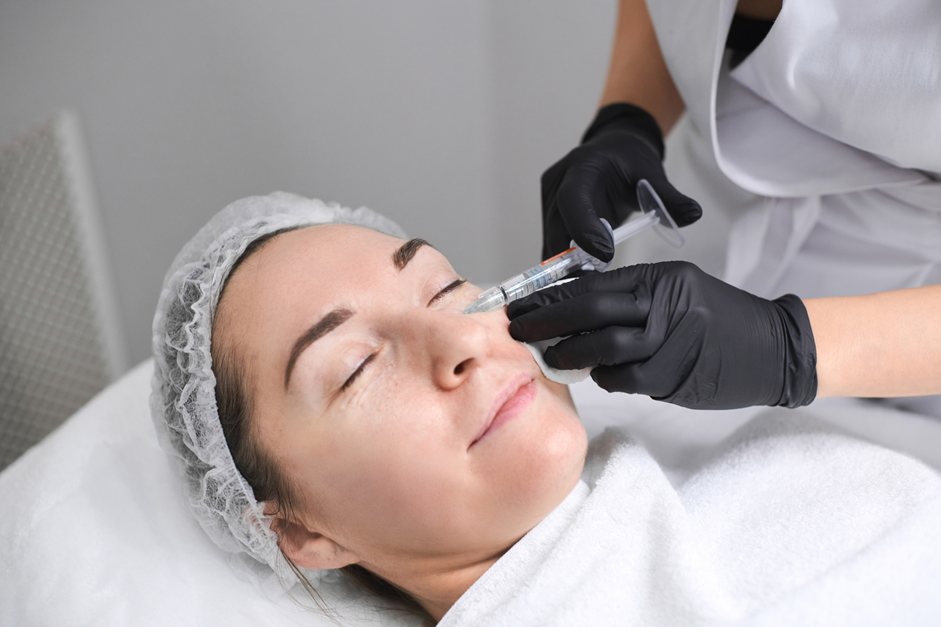
• administering neuromodulators and dermal fillers
• monitoring patients during treatment
• recognizing and managing potential complications
• documenting treatments and follow up care
Injection nurses perform medical procedures. They must receive training that meets high standards.
This training should include theoretical education. It should also include supervised clinical experience. Programs that emphasize real world application help nurses transition confidently. They move from classroom learning to clinical practice.
All images used under license from Canva. © APT Medical Aesthetics, 2026. All rights reserved.
Why Anatomy Education Is Essential For Injector Safety
One key element of injector training is facial anatomy. A strong understanding is essential.
The face has a complex network of muscles. It also has blood vessels, nerves, and fat compartments. Injecting into the wrong plane or structure can cause serious complications.
Anatomy education helps practitioners understand
• where major blood vessels are located
• how facial muscles interact during expression
• how aging affects facial structure
• which injection planes are safest for each area
Understanding facial anatomy also helps practitioners recognize concerns. A patient’s issue may relate to skin quality. It may not be about volume loss.
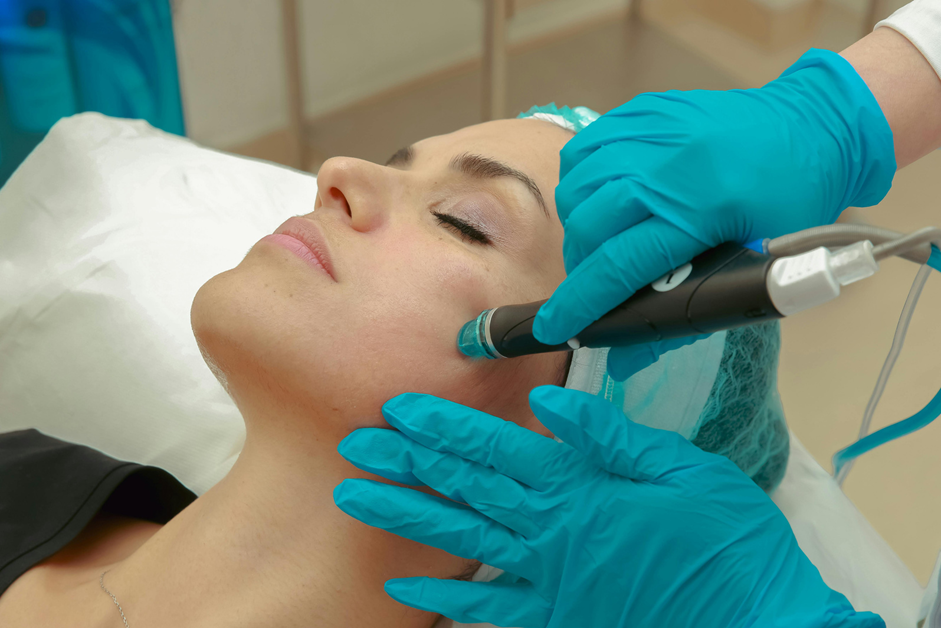
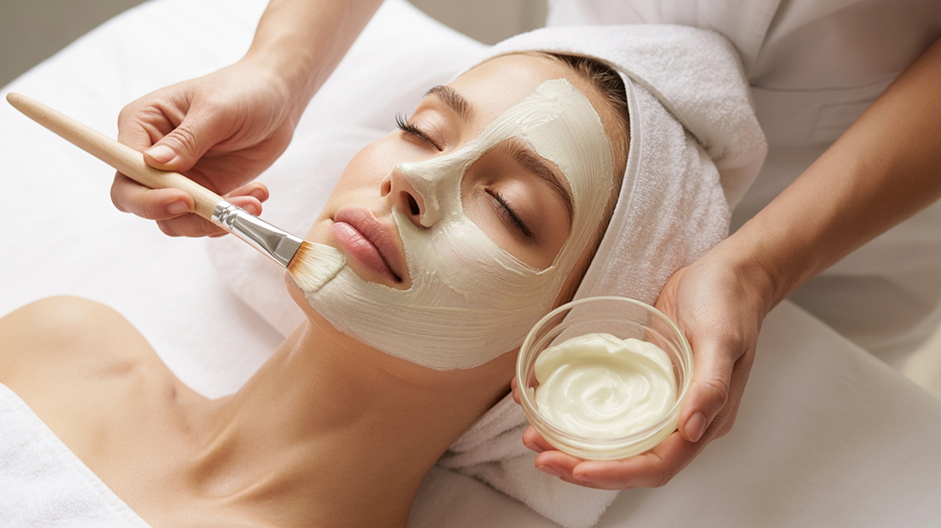
For example, patients with pigmentation or uneven tone may benefit from other treatments. These include advanced skin treatments, not just injectables.
This broader understanding allows practitioners to recommend root cause treatments.
All images used under license from Canva. © APT Medical Aesthetics, 2026. All rights reserved.
Complication Preparedness In Injector Training
Complication preparedness is a key part of aesthetic education. It is one of the most important aspects.
Even when procedures are done correctly, practitioners must be prepared. They need to recognize and manage complications.
Training standards injectables programs should include detailed instruction on
• vascular occlusion recognition
• emergency treatment protocols
• filler migration management
• infection prevention
• patient follow-up procedures
Practitioners who understand complication protocols are better prepared. They can respond quickly when unexpected situations occur.
Early recognition and intervention can reduce complication severity. This is a significant benefit.
Clinics should ensure injectors have education in prevention and treatment. This must happen before they perform procedures independently.
Hands On Training And Clinical Confidence
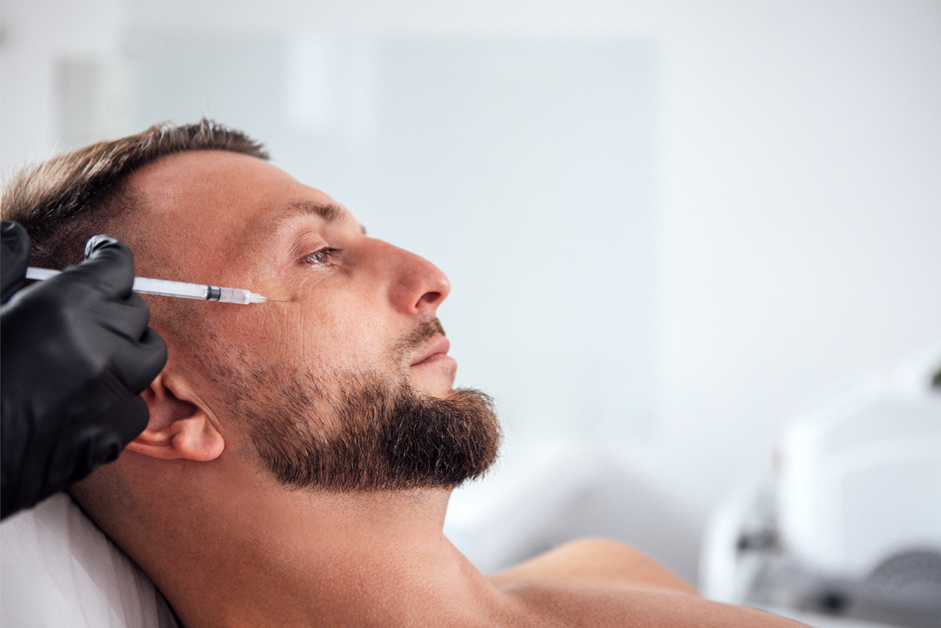
Hands-on experience is critical for effective injector training. It is a key component.
Lectures and theory provide important knowledge. But clinical confidence develops through supervised practice.
Hands-on training allows students to
• practice injection techniques under supervision
• observe how tissue responds to filler placement
• refine needle or cannula control
• learn how to adjust techniques based on patient anatomy
Programs with small student-to-instructor ratios provide better learning. They offer more meaningful experiences.
This allows instructors to give individualized feedback. They can correct technique during training sessions.
Without hands-on practice, practitioners may struggle. They might not apply theory to real patients.
All images used under license from Canva. © APT Medical Aesthetics, 2026. All rights reserved.
How Clinics Can Evaluate Injector Training Standards
Clinics hiring injection nurses should review several factors. They should also evaluate training programs carefully.
Important questions to consider include
• who teaches the training program
• what clinical experience instructors have
• how many hours of hands-on training are included
• what safety protocols are taught
• whether complication management education is included
Programs taught by experienced injectors offer valuable insight. This goes beyond textbook learning.
Clinics should prioritize programs that emphasize ethics. They should also focus on conservative approaches to injectables.
Patient safety should always take precedence. It is more important than aggressive treatment strategies.
A Clinical Scenario Demonstrating The Importance Of Training
A patient once presented to a clinic. They sought correction of uneven lip filler. The filler had been performed elsewhere.
The patient reported swelling and asymmetry. These had persisted for several months after treatment.
Upon evaluation, the injection nurse recognized filler migration. It was due to product placement in the wrong plane.
The practitioner had training in complication preparedness. She dissolved the migrated filler using hyaluronidase. She gradually restored the natural lip contour.
The patient was later treated conservatively. A more appropriate injection technique was used.
This case shows how proper training influences outcomes. Complication management education is key.
Frequently Asked Questions About Injection Training And Patient Safety
What Training Should An Injection Nurse Have
An injection nurse should complete specialized training. This includes facial anatomy, injection techniques, consultation skills, and complication management.
Why Is Patient Safety Important In Injectables
Injectable treatments involve complex facial anatomy. They carry risks if performed incorrectly. Proper training helps minimize complications. It ensures safe outcomes.
What Are Injector Safety Protocols
Injector safety protocols include patient assessment. They include sterile techniques and emergency protocols. They also include follow-up care guidelines.
How Do Clinics Ensure Injectors Are Properly Trained
Clinics should evaluate training programs carefully. They should review hands-on training hours. They must ensure education in anatomy, complication management, and safety.
All images used under license from Canva. © APT Medical Aesthetics, 2026. All rights reserved.
Why Strong Training Standards Protect Both Patients And Clinics
As the aesthetic industry grows, clinics must prioritize safety. This applies when hiring and training injectors. Injectable treatments have become very popular. More patients seek non-surgical options for wrinkles, volume loss, and aging signs. Clinics must ensure practitioners are properly trained. They must deliver treatments safely.
Injectable procedures may seem simple. But they require deep understanding of facial anatomy. They also need knowledge of product behavior and patient assessment. Without proper training, practitioners may not understand complexities. This applies to neuromodulators and dermal fillers. Clinics must take a proactive approach. They should evaluate training standards carefully.
Practitioners with comprehensive training are better prepared. They can evaluate patients and perform procedures safely. They can also respond to complications appropriately. A well trained injector understands facial structure. They evaluate muscle activity and determine patient suitability. They create individualized treatment plans. These align with patient goals and maintain natural balance.
Clinics that invest in high quality training create safer environments. They build stronger patient trust. Patients feel confident when practitioners have structured education. Strong training standards also maintain consistency. This contributes to long term satisfaction and loyalty.
All images used under license from Canva. © APT Medical Aesthetics, 2026. All rights reserved.
Education focused on anatomy, assessment, and preparedness allows nurses to deliver treatments responsibly. Anatomy education helps practitioners avoid high risk areas. Patient assessment teaches evaluation of history, skin quality, and movement. Complication preparedness ensures early recognition of issues. These include vascular compromise, swelling, or product displacement.
Strong training standards also protect clinics from legal risks. Clinics with poorly trained practitioners face increased liability. By prioritizing education, clinics show commitment to responsible practice. They demonstrate dedication to patient care.
A well trained injection nurse contributes to collaboration. Practitioners who understand injectable science communicate better. They work well with physicians and other professionals. This collaborative approach ensures thoughtful treatment plans. Patient care remains the central focus.
APT Injection Training provides advanced aesthetic education. It is designed for regulated healthcare professionals. Our programs focus on anatomy driven techniques, patient safety, and hands-on experience. We combine theory with supervised practice. This helps practitioners build confidence and precision.
Tips to be a
Successful Injector!
Free E-Book download