Student Log in
 1267 Cornwall Rd, Unit 300, Oakville, Ontario L6J 7T5

 (289) 271-5718
blog
Filler Training Courses – Beyond Basic Injection Techniques
Jun 06 2026
Reading Time: 6 Minutes
Author:
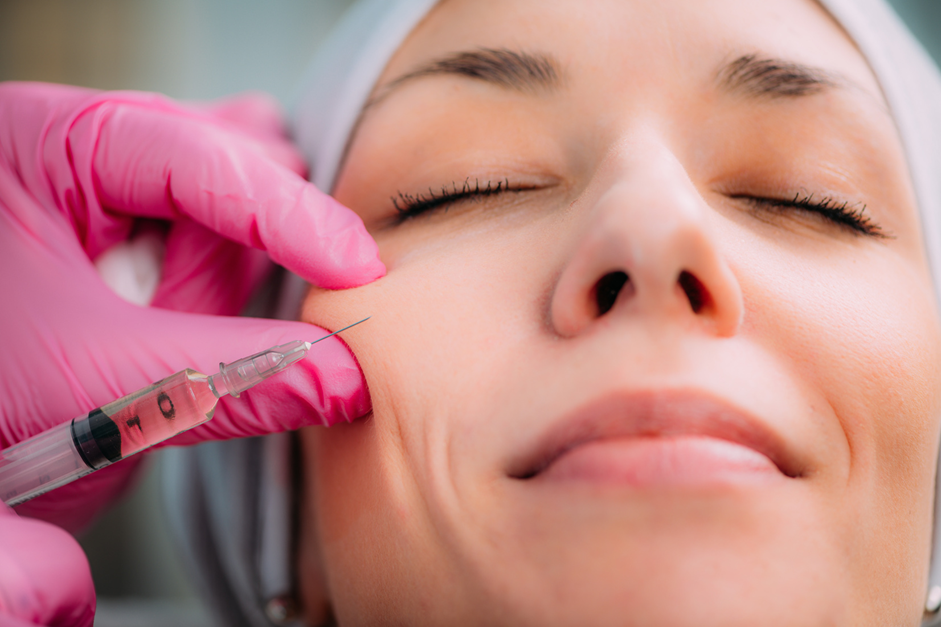
As demand for injectable treatments continues to rise, more healthcare professionals are entering aesthetic medicine through Botox and filler courses. Increased social media visibility, patient education, and greater access to treatments mean that patients are more informed and have higher expectations. They are looking for natural, balanced results tailored to their individual facial structure.
As a result, the role of the injector has evolved. Understanding where to inject and following standard techniques are no longer enough. Practitioners must combine clinical knowledge, technical precision, and aesthetic judgment to enhance the face without compromising natural expression. This requires advanced training and a deeper understanding of the science and artistry behind injectable treatments.
All images used under license from Canva. © APT Medical Aesthetics, 2026. All rights reserved.
Why Basic Injection Techniques Are Only the Starting Point
Many practitioners begin with foundational training, but learning basic injection techniques is only one part of becoming a skilled and confident injector. Beginner courses introduce essential concepts but often focus on simplified techniques and a limited number of treatment areas.
When practitioners start treating real patients, they encounter different anatomical structures, aesthetic goals, and clinical scenarios that require more advanced knowledge and decision-making.
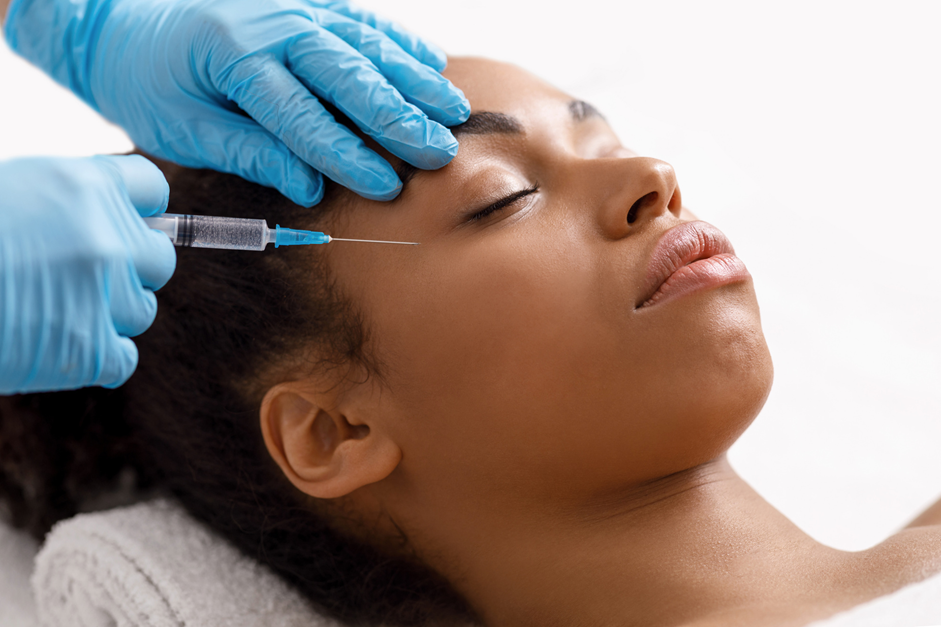
Modern dermal filler training goes beyond learning where to place a product. It includes understanding facial anatomy, patient assessment, complication management, and long-term treatment planning.
Practitioners must assess the face as a whole, understand how ageing affects different structures, and recognise how different products interact within the skin. This includes changes in bone structure, fat compartment volume, and skin quality, all of which influence treatment decisions.
All images used under license from Canva. © APT Medical Aesthetics, 2026. All rights reserved.
Strong consultation skills are equally important. Understanding patient expectations, explaining realistic outcomes, and creating personalised treatment plans help practitioners achieve results that align with patient goals.
For practitioners aiming to deliver safe, natural, and consistent results, continued education is essential. Advanced training helps refine injection techniques, deepen anatomical knowledge, and build the confidence required to manage more complex cases. Over time, this supports better patient outcomes, stronger clinical judgment, and long-term professional development in aesthetic medicine.
What Challenges Do Practitioners Face After Basic Filler Training?
A beginner Botox and filler course provides the foundation for practice, including an introduction to product types, basic injection techniques, and facial anatomy.
However, treating real patients often requires practitioners to adapt their approach to individual needs.
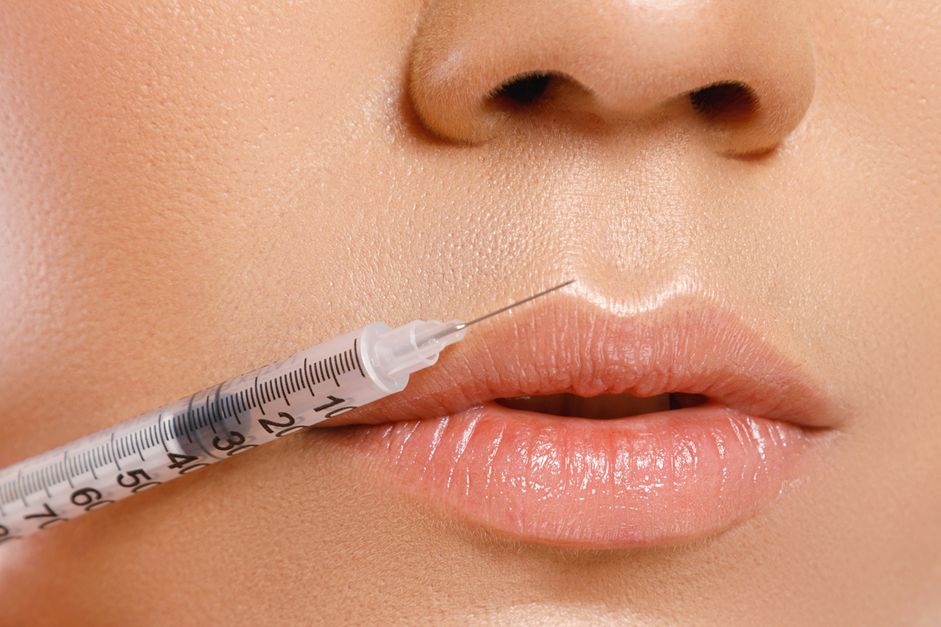
Common challenges include:
- Selecting the appropriate product for each patient.
- Adjusting injection techniques to individual anatomy.
- Managing facial asymmetry.
- Achieving natural-looking results.
- Understanding and managing patient expectations.
These challenges demonstrate why foundational knowledge alone may not be sufficient for developing advanced clinical skills.
All images used under license from Canva. © APT Medical Aesthetics, 2026. All rights reserved.
What Does Advanced Dermal Filler Training Involve?
Advanced dermal filler training builds on foundational knowledge and focuses on developing clinical expertise. Rather than concentrating on isolated injection techniques, advanced courses emphasise a comprehensive approach to patient assessment, treatment planning, and care.
Key components include:
- Detailed facial anatomy education.
- Advanced injection techniques.
- Cannula versus needle application.
- Product selection and layering strategies.
- Full face assessment and treatment planning.
- Complication recognition and management.
This broader knowledge helps practitioners approach treatments with greater precision and confidence while considering individual anatomy and treatment goals.
Why Is Filler Anatomy Education Important?
Facial anatomy is one of the most important considerations in safe and effective dermal filler injections. Treatment areas contain complex vascular networks and important anatomical structures. Without a strong understanding of these structures, the risk of complications may increase.
Filler anatomy education focuses on:
- Identifying vascular pathways.
- Understanding safe injection depths.
- Recognising high-risk areas.
- Adapting techniques to individual anatomy.
Anatomy-based education helps practitioners understand the structures involved in treatment, recognise potential risks, and make more informed clinical decisions.
How Does Full Face Treatment Planning Improve Results?
Beginner injectors may initially focus on individual treatment areas, such as the lips or smile lines. Advanced practice involves assessing the face as a whole and considering how different areas relate to one another.
Full face treatment planning includes evaluating:
- Facial proportions.
- Symmetry and balance.
- Volume distribution.
- Dynamic movement patterns.
This approach supports personalised treatment planning and helps practitioners work towards natural and harmonious results that take the patient’s overall facial structure into account.
How Can Practitioners Understand and Manage Filler Complications?
Complication management is an essential component of advanced dermal filler training. Although dermal fillers are generally safe, complications can occur and require appropriate recognition and management.
Potential complications include:
- Vascular occlusion.
- Filler migration.
- Swelling or inflammation.
- Asymmetry.
Understanding how to recognise, prevent, and manage complications is essential for patient safety. Advanced courses may include emergency protocols and clinical scenarios to help practitioners prepare for situations they may encounter in practice.

All images used under license from Canva. © APT Medical Aesthetics, 2026. All rights reserved.
What Is the Role of Hands-On Training in Injector Skill Development?
Hands-on training allows practitioners to apply theoretical knowledge, refine their techniques, and develop confidence in a supervised clinical environment.
Advanced injector courses often include:
- Supervised live model training.
- Real-time feedback from experienced instructors.
- Experience with different facial areas and techniques.
- Practice with both needle and cannula.
These practical experiences help practitioners develop their technical skills and understand how to apply their knowledge in clinical practice.
A Real Practitioner Experience: From Beginner to Advanced Injector
A nurse who had completed a beginner Botox and filler course began practising in a clinical setting but felt hesitant when treating more complex cases.
Although she was comfortable performing basic treatments, she struggled with full face assessments and advanced techniques.
After enrolling in an advanced dermal filler training course, she developed a deeper understanding of facial anatomy and treatment planning. Over time, her confidence improved, allowing her to approach treatments with greater precision and achieve more balanced, natural-looking results.
This example illustrates how continued education can support the development of clinical skills and confidence.
requently Asked Questions About Filler Training Courses
What Is Included in Advanced Filler Training?
Advanced filler training includes facial anatomy education, complex injection techniques, product selection, treatment planning, and complication management.
Do You Need Advanced Training After a Beginner Course?
Advanced training helps practitioners build on their foundational knowledge, refine their injection techniques, and develop the skills needed to manage more complex cases.
What Is Filler Anatomy Education?
Filler anatomy education focuses on understanding facial structures, including vascular pathways and anatomical features that influence injection techniques and patient safety.
How Do You Manage Filler Complications?
Filler complications require appropriate training, early recognition, and suitable intervention protocols. Practitioners must understand how to identify potential complications and respond appropriately.
How Can Advanced Filler Training Help Practitioners Progress?
Filler training courses are part of an ongoing educational journey rather than a one-time step. As practitioners gain experience, they learn that clinical expertise depends on continuous learning and the refinement of both technical and clinical skills.
Progressing from beginner to advanced injector involves more than completing additional courses. It requires a deeper understanding of anatomy, consistent clinical judgment, and the ability to adapt treatments to individual patient needs.
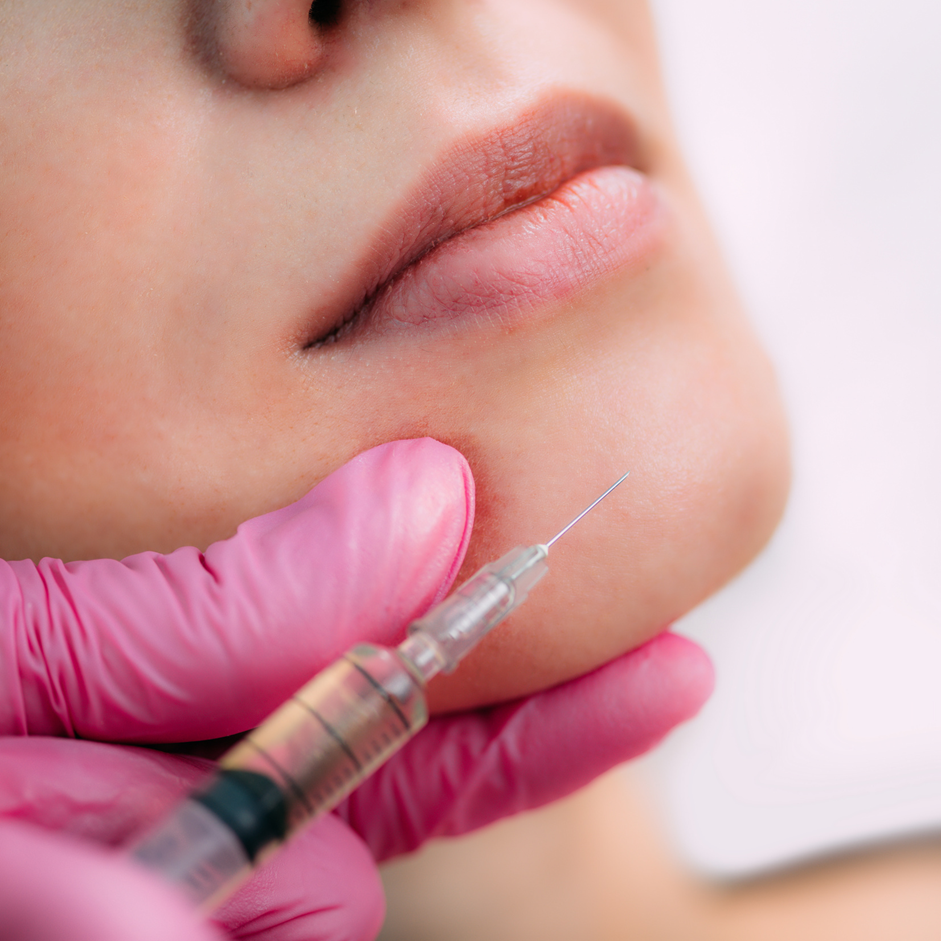
Moving beyond basic injection techniques allows practitioners to assess patients more accurately, develop personalised treatment plans, and work towards safe, natural-looking results. While foundational training may focus on individual treatment areas, advanced practice takes a more comprehensive approach to the face. This includes evaluating facial proportions, understanding ageing patterns, and recognising how different facial areas interact.
Developing these skills requires a deeper understanding of anatomy, product behaviour, and patient expectations. Practitioners must learn how different fillers perform in various tissue planes, how to select appropriate products for different indications, and how to adapt techniques to individual anatomical variations.
Strong consultation skills are also essential. Understanding patient goals and establishing realistic expectations are important parts of effective treatment planning and patient care.
By investing in advanced education, practitioners can expand their clinical capabilities, strengthen their decision-making, and work towards improved patient outcomes. Advanced training also helps practitioners build confidence in managing complex cases, recognising complications, and refining their aesthetic approach.
All images used under license from Canva. © APT Medical Aesthetics, 2026. All rights reserved.
Ongoing training helps practitioners stay informed about evolving techniques and current best practices. As new products and technologies are introduced, continued education supports their ability to evaluate developments in aesthetic medicine and maintain their professional knowledge. This commitment can also help build credibility and trust, which are important for long-term career development.
At APT Injection Training, we provide comprehensive education to support practitioners at every stage of their journey, with a strong focus on anatomy, safety, and hands-on experience. Our goal is to help practitioners move beyond basic techniques and develop the knowledge and confidence needed to deliver consistent, high-quality results in a clinical setting.
If you want to advance your skills beyond foundational training, our team can help you identify a suitable course. Whether you want to build on your existing knowledge or develop your understanding of more advanced techniques, we are here to support your continued growth in aesthetic medicine.
📞 (289) 271-5718
✉️ info@aptinjectiontraining.com
🌐 aptinjectiontraining.com
Tips to be a
Successful Injector!
Free E-Book download