Student Log in
 1267 Cornwall Rd, Unit 300, Oakville, Ontario L6J 7T5

 (289) 271-5718
blog
Top 7 Myths About Botox Certification and Training – What Nurses Really Need to Know

Aug 08 2025
Reading Time: 6 Minutes
Author:
As medical aesthetics continues to grow across Ontario, more and more nurses are exploring the exciting career path of cosmetic injectables. From neurotoxins to dermal fillers, the demand for safe, natural-looking results has never been higher. And for healthcare professionals with a strong foundation in anatomy, patient care, and ethics, this field presents a unique opportunity for career expansion.
But as interest grows, so do the misconceptions. When it comes to Botox certification and training, there is a lot of misinformation circulating online and even among peers. Nurses often ask us what is required, how to get started, and what kind of certification they actually need.
To clear things up, we are breaking down the top seven myths about Botox training and certification. Whether you are just starting to explore your options or already planning to enroll in a course, understanding the facts is the first step to entering the aesthetic industry with confidence.

All images used under license from Canva. © APT Medical Aesthetics, 2025. All rights reserved.
Myth 1 – Botox certification is an official license that allows you to inject anywhere
One of the most common misunderstandings is the idea that completing a Botox course gives you an official license or regulatory approval to inject. In Canada, there is no official regulatory body that offers an aesthetic certification for injectables. There is no national or provincial license called a Botox certification. Instead, the term simply refers to a certificate that proves you completed a training program.
This distinction matters. Botulinum toxin injections are considered a controlled act under Ontario law. That means only regulated healthcare professionals like registered nurses, nurse practitioners, doctors, and dentists are legally allowed to administer them. Completing a course gives you the knowledge and practice to perform injections safely, but it does not grant you legal authority if you are not already licensed.
So, while your training certificate is valuable and often required for insurance purposes, it is not a license. It is a credential that shows you have received proper education and hands-on experience.
All images used under license from Canva. © APT Medical Aesthetics, 2025. All rights reserved.
Myth 2 – Any nurse can take a Botox course, even without current licensure
Another myth we hear often is that anyone with a nursing background can take injection courses for nurses, regardless of their current registration status. This is not the case. Reputable training programs, including those at APT Injection Training, only accept regulated healthcare professionals with active licenses.
This is because administering botulinum toxin and dermal fillers is considered a medical procedure. You must be in good standing with your regulatory college, such as the College of Nurses of Ontario, to legally perform these treatments. Taking a course without active registration does not qualify you to inject, even if you complete the training.
Before enrolling in any program, make sure your license is up to date and your scope of practice aligns with what the course offers.
Myth 3 – Online-only training is enough to begin practicing
With the rise of digital learning, many aspiring injectors wonder whether they can complete their training in Botox entirely online. While theory-based modules can be helpful for foundational knowledge, they are not sufficient on their own.
Cosmetic injections require a detailed understanding of anatomy, technique, and patient variability. But more importantly, they require hands-on practice. Learning how to safely and effectively administer Botox cannot be done by watching videos or reviewing slides. You need in-person training under the supervision of expert instructors who can provide feedback, correct technique, and guide you through real clinical scenarios.
Injection courses for nurses should always include both theory and hands-on learning with live models. This ensures you develop not just technical skill, but clinical judgment and patient communication strategies as well.
Myth 4 – All training in Botox is the same, so you can choose the cheapest option

All images used under license from Canva. © APT Medical Aesthetics, 2025. All rights reserved.
Another dangerous misconception is that all Botox training programs are basically the same. This could not be further from the truth. Like any field of study, the quality of your education can significantly impact your confidence, safety, and career growth.
Some courses are rushed, overcrowded, or taught by instructors without clinical experience. Others do not offer hands-on practice or skip over essential topics like complication management and facial assessment. While the cost may be lower, the risk is higher — for both you and your future patients.
At APT Injection Training, we believe in setting a high standard. Our courses are designed by healthcare professionals for healthcare professionals, with a strong emphasis on anatomy, ethics, and evidence-based techniques. Our 2 to 1 trainee to trainer ratio ensures personalized instruction and ample time for hands-on experience.
Investing in a comprehensive training program means investing in your own safety, your patients, and your reputation.
All images used under license from Canva. © APT Medical Aesthetics, 2025. All rights reserved.
Myth 5 – You do not need a medical director to offer Botox
In Ontario, nurses are not permitted to prescribe botulinum toxin. This means you must work under a medical directive or obtain a patient-specific order from a physician or nurse practitioner who has prescribing authority.
This structure ensures that patients receive appropriate assessments and that treatments fall within the legal scope of practice. Offering Botox independently without medical oversight is not only unethical, it is also illegal.
A quality training program will cover this aspect of practice and help you understand how to collaborate with a medical director. Some even offer guidance on how to find or approach a supervising professional if you are new to the aesthetic field.
Myth 6 – Botox is simple to learn and only used for forehead lines
Many people assume Botox is easy to learn because it is such a popular treatment. However, injecting botulinum toxin safely requires far more than simply targeting wrinkles.
The muscles of the face are intricate and interconnected. A poorly placed injection can cause functional issues such as brow ptosis, eyelid droop, or facial asymmetry. Understanding muscle vectors, depth, dilution, and patient history is essential to delivering consistent, natural results.
Additionally, Botox is used for a wide range of indications beyond the forehead. These include treatment of crow’s feet, frown lines, masseter hypertrophy, gummy smiles, neck bands, and more. Each area requires a unique approach and advanced understanding of facial anatomy.
Training in Botox is not just about technique. It is about combining medical knowledge with aesthetic judgment. That takes time, practice, and mentorship.
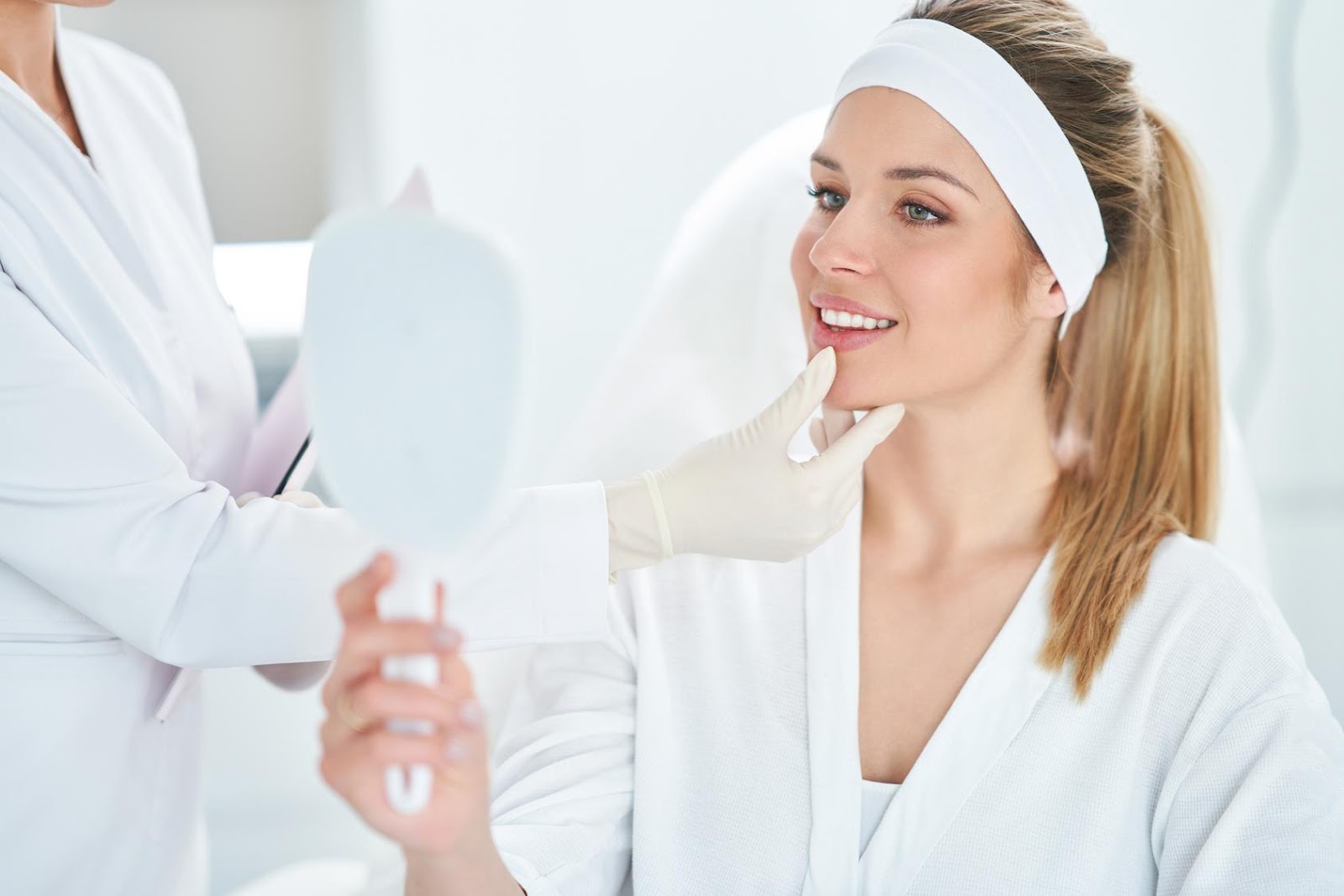
All images used under license from Canva. © APT Medical Aesthetics, 2025. All rights reserved.
Myth 7 – One Botox course is all you will ever need
While a beginner course is the essential first step in your injectables career, it should not be your last. Medical aesthetics is a fast-evolving field, with new techniques, products, and best practices emerging regularly.
Continuing education is key to staying safe and competitive. After your initial training, you should consider pursuing advanced courses in facial contouring, cannula use, combination therapies, and complication management. You might also explore related areas like dermal fillers, PRP, or laser technologies.
APT Injection Training offers a full suite of training options to support your growth at every stage. We also provide ongoing support so you never feel like you are navigating the industry alone.
What Nurses Should Look for in a Botox Training Program
When selecting injection courses for nurses, you should prioritize quality, safety, and support. Here are a few essentials to look for
- Courses specifically designed for regulated healthcare professionals
- Training that combines theory with hands-on practice using live models
- Instructors with extensive clinical and aesthetic experience
- A low trainee to trainer ratio for personalized feedback
- Curriculum that includes facial anatomy, complication management, and patient assessment
- Support with medical directive processes and ethical practice
- Access to continued learning and mentorship after the course
Choosing a well-rounded training program sets the stage for long-term success in the medical aesthetics industry. It helps you build trust with patients, stay legally compliant, and grow your career with confidence.

All images used under license from Canva. © APT Medical Aesthetics, 2025. All rights reserved.
Final Thoughts – Your Botox Journey Starts with the Right Education
There is no shortcut to becoming a safe and skilled injector. Botox certification is not about obtaining a license or flashy title — it is about building a solid foundation of education and clinical skill that aligns with your responsibilities as a regulated healthcare professional.
At APT Injection Training, we are committed to helping nurses start and grow successful careers in medical aesthetics. Our expert-led courses, small group instruction, and hands-on model training ensure you are well-prepared to meet the demands of this rewarding field.
When you are ready to invest in your future, choose a training partner that puts your growth, safety, and success first.
Train with Ontario’s most trusted name in aesthetic education. Learn with confidence. Inject with purpose.
(289) 271-5718
✉️ info@aptinjectiontraining.com
aptinjectiontraining.com
Tips to be a
Successful Injector!
Free E-Book download