Student Log in
 1267 Cornwall Rd, Unit 300, Oakville, Ontario L6J 7T5

 (289) 271-5718
blog
Medical Tourism Complications – How Injectors Are Left Managing The Fallout

May 11 2026
Reading Time: 6 Minutes
Author:
As aesthetic treatments become more accessible worldwide, medical tourism has grown significantly. Patients now travel internationally for cosmetic procedures. Lower pricing, social media marketing, and bundled packages often influence them. For many, combining travel with treatments seems appealing and cost-effective.
Many patients travel abroad for injectables. They are attracted by lower costs, package deals, or the appeal of combining treatments with travel. Some return satisfied with their results. However, an increasing number come back seeking help for complications or unsatisfactory outcomes. These cases are becoming more common in local clinics. Patients look for experienced practitioners to assess and correct concerns that developed after treatment.
For injectors in local practice, this creates a new and complex challenge. They must manage the fallout from treatments they did not perform.
Unlike standard treatment scenarios, these cases often come with limited information. Practitioners may not know what products were used. They may not know how much was injected or which techniques were applied. This lack of clarity makes assessment and correction more difficult. It requires a higher level of clinical judgment and experience.
In addition to technical challenges, these situations often involve frustrated or anxious patients. They may be disappointed with their results. This adds an emotional component to the consultation. It requires strong communication skills and a thoughtful, patient-centered approach.
Understanding the risks of injectables abroad is becoming essential. Knowing how to manage these cases is key in modern aesthetic practice. As medical tourism grows, injectors must be prepared to assess complex presentations. They need to develop safe correction strategies. They must guide patients toward restoring balance and achieving more natural results.
All images used under license from Canva. © APT Medical Aesthetics, 2026. All rights reserved.
Why Medical Tourism Is Increasing
Medical tourism continues to rise due to several factors.
• lower treatment costs in other countries
• bundled travel and treatment packages
• shorter wait times
• aggressive marketing on social media
These options may seem appealing. But they often come with trade-offs in safety, follow-up care, and continuity of treatment. Patients may not fully understand differences in training standards, product quality, or regulatory oversight between countries.
Common Complications From Injectables Abroad
Patients returning from cosmetic tourism may present with a range of concerns. These include:
• migrated lip filler
• overfilled or unnatural results
• asymmetry
• nodules or lumps
• infection or inflammation
• delayed complications
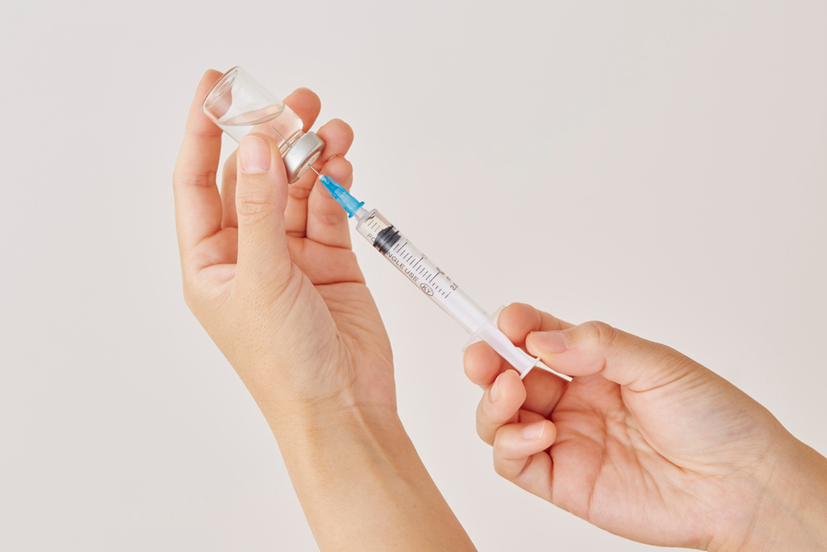
In some cases, practitioners may not know what product was used. They may not know how it was placed. This makes correction more complex.
All images used under license from Canva. © APT Medical Aesthetics, 2026. All rights reserved.
Why These Cases Are More Challenging
Correcting complications from medical tourism is often more difficult than standard correction cases. Challenges may include:
• unknown product type or quality
• lack of treatment records
• inconsistent injection techniques
• delayed presentation of complications
• patient anxiety or dissatisfaction
Without clear information, practitioners must rely heavily on clinical assessment and experience.
The Responsibility Of The Treating Injector
When a patient presents with complications, the treating injector must focus on safe and appropriate care. This includes:
• performing a thorough assessment
• identifying potential risks
• determining whether correction is appropriate
• referring to a physician when necessary
Practitioners must also be mindful of working within their scope of practice. Understanding professional responsibility is essential when managing cases that originated elsewhere.
The Role Of Advanced Training In Managing Complications
Managing complications from injectables abroad requires a higher level of training. Advanced education helps practitioners:
• assess complex cases
• identify underlying issues
• select appropriate correction techniques
• manage patient expectations
• minimize further risk
Many injectors build this skill set through topics such as why anatomy-focused training reduces injector risk. These emphasize how deeper anatomical knowledge improves safety and outcomes.

All images used under license from Canva. © APT Medical Aesthetics, 2026. All rights reserved.
Corrective Injectables And Treatment Planning
Corrective treatments often involve a staged approach. This may include:
• dissolving existing filler
• allowing tissue to settle
• reassessing facial structure
• re-treating with a conservative plan
Rushing correction can increase risk. That is why careful planning is essential.
The Importance Of Patient Communication
Patients who have undergone medical tourism procedures may feel frustrated or anxious. Many are dealing with results that did not meet their expectations. Some may be concerned about potential complications or long-term effects. This emotional context makes communication a critical part of the treatment process.
Clear communication is essential for:
• explaining the correction process
• setting realistic expectations
• discussing risks and timelines
• building trust
Practitioners must take time to listen carefully to patient concerns. They must understand their goals before proposing a treatment plan. In correction cases, it is important to explain that results may take time. They may require multiple stages rather than a single immediate solution.
Transparency plays a key role in building trust. Patients should be fully informed about what is possible. They should know what limitations exist. They should understand the overall treatment journey. This includes discussing potential risks and expected timelines. It also includes the possibility that complete reversal may not always be achievable.
Practitioners must be honest about what can be achieved. They should avoid promising immediate results. Setting realistic expectations from the beginning helps reduce patient anxiety. It increases satisfaction with the final outcome, even when the process is gradual.
A Real Clinical Perspective
A patient returned from abroad after receiving lip filler. They presented with significant asymmetry and migration. The practitioner was unable to confirm the product used. They recommended partial dissolution followed by reassessment. After a staged treatment approach, the patient achieved a more balanced and natural result. This case highlights the importance of patience, planning, and advanced training.

All images used under license from Canva. © APT Medical Aesthetics, 2026. All rights reserved.
Frequently Asked Questions About Medical Tourism Complications
What Is Medical Tourism In Aesthetics?
It refers to traveling abroad to receive cosmetic treatments. Patients may choose this option for lower costs, shorter wait times, or access to different providers. While it can be appealing, it often involves variations in standards of care, follow-up availability, and regulatory oversight.
Why Do Complications Occur With Injectables Abroad?
Differences in training standards, product quality, and follow-up care can increase risk. Practitioners may use different techniques or products not common locally. Patients may not receive adequate post-treatment monitoring. Limited continuity of care makes it harder to address early signs of complications.
Can Complications Be Corrected?
Many can be improved with proper assessment and treatment planning. Correction often requires a careful, staged approach. This may include dissolving filler, allowing tissue to settle, and reassessing before further treatment. Success depends on the type of complication and the condition of the treated area.
What Is The Injector’s Responsibility?
To assess the patient, provide safe care, and work within their scope of practice. Practitioners must prioritize patient safety. They must determine if they can manage the case. They should refer to another provider when necessary. Clear communication and realistic expectations are essential.
Navigating Complex Cases With Confidence
Medical tourism is likely to remain part of the aesthetic industry. Injectors will continue to encounter patients seeking correction. As access to treatments expands globally, practitioners must be prepared. They will manage a wider range of presentations. These often involve incomplete information, varying product quality, and unpredictable outcomes.
Managing these cases requires strong clinical knowledge. It requires advanced training and careful decision-making. Practitioners must assess what was previously done. They must identify potential risks. They must determine the safest path forward. This often involves working with altered anatomy and unknown products. Patients may already feel uncertain or dissatisfied.
Confidence in these situations does not come from experience alone. It comes from having a structured approach to assessment and treatment planning. This includes taking a detailed history. It includes performing a thorough clinical evaluation. It includes developing a step-by-step plan that prioritizes safety. In many cases, a conservative and staged approach is necessary for the best outcome.
By investing in education and developing a structured approach, practitioners can provide safe and effective care. This protects both their patients and their practice. Ongoing training allows injectors to refine their skills. It helps them stay current with best practices. It builds the confidence needed to manage complex and unpredictable cases.

All images used under license from Canva. © APT Medical Aesthetics, 2026. All rights reserved.
At APT Injection Training, we provide advanced education focused on complication management, anatomy, and hands-on experience. Our programs prepare practitioners for real-world scenarios. They help practitioners transition from foundational knowledge to advanced clinical application. This ensures they are equipped to handle a wide range of patient presentations.
If you want to strengthen your skills and confidently manage complex cases, our team would be happy to guide you. Whether you are expanding your expertise or refining your approach, we are here to support your growth in aesthetic medicine.
(289) 271-5718
✉️ info@aptinjectiontraining.com
aptinjectiontraining.com
Tips to be a
Successful Injector!
Free E-Book download