Student Log in
 1267 Cornwall Rd, Unit 300, Oakville, Ontario L6J 7T5

 (289) 271-5718
blog
When Lip Filler Goes Rogue – What Every Injector Needs to Know About Migration

Jun 30 2025
Reading Time: 7 Minutes
Author:
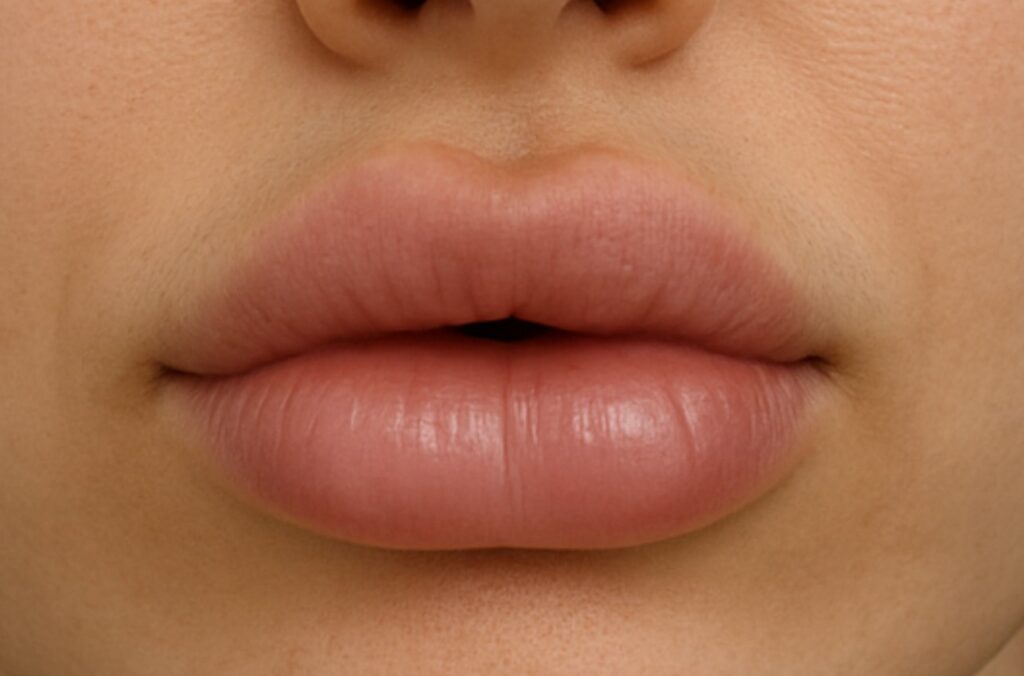
You’ve likely seen it before — lips that appear unnaturally puffy above the vermillion border, stretched beyond their natural proportions, or shaped in a way that looks off-balance and overdone. Some people refer to this as “filler fatigue,” while others point the finger at poor injection technique. Regardless of what you call it, one thing is clear – lip filler migration is one of the most talked-about, debated, and often misunderstood complications in the world of medical aesthetics.
As the demand for lip enhancement continues to rise, so does the importance of understanding how and why things can go wrong. Migration doesn’t just compromise the aesthetic outcome — it can also lead to dissatisfaction, distrust, and in some cases, long-term tissue distortion. It’s an issue that affects both patients and practitioners alike.
Whether you’re just beginning your journey into cosmetic injection or you’re an experienced medical aesthetic provider aiming to refine your lip technique, developing a strong grasp of lip filler migration is a must. Knowing how to identify early signs of filler movement, understanding the anatomical factors at play, and learning how to both prevent and treat complications is a cornerstone of delivering safe, natural-looking results that stand the test of time.
All images used under license from Canva. © APT Medical Aesthetics, 2025. All rights reserved.
In this blog, we’ll walk you through everything you need to know — from the science of why lip filler migrates to the key strategies for prevention and correction. You’ll learn real-world tips from experienced injectors, hear stories from clinical practice, and get answers to the most common questions trainees and patients ask about this complex topic.
Let’s dive into the science, skill, and solutions behind lip filler migration — and why mastering this area can elevate your career and confidence as an injector.
Why Does Lip Filler Migrate – And What Exactly Is It?
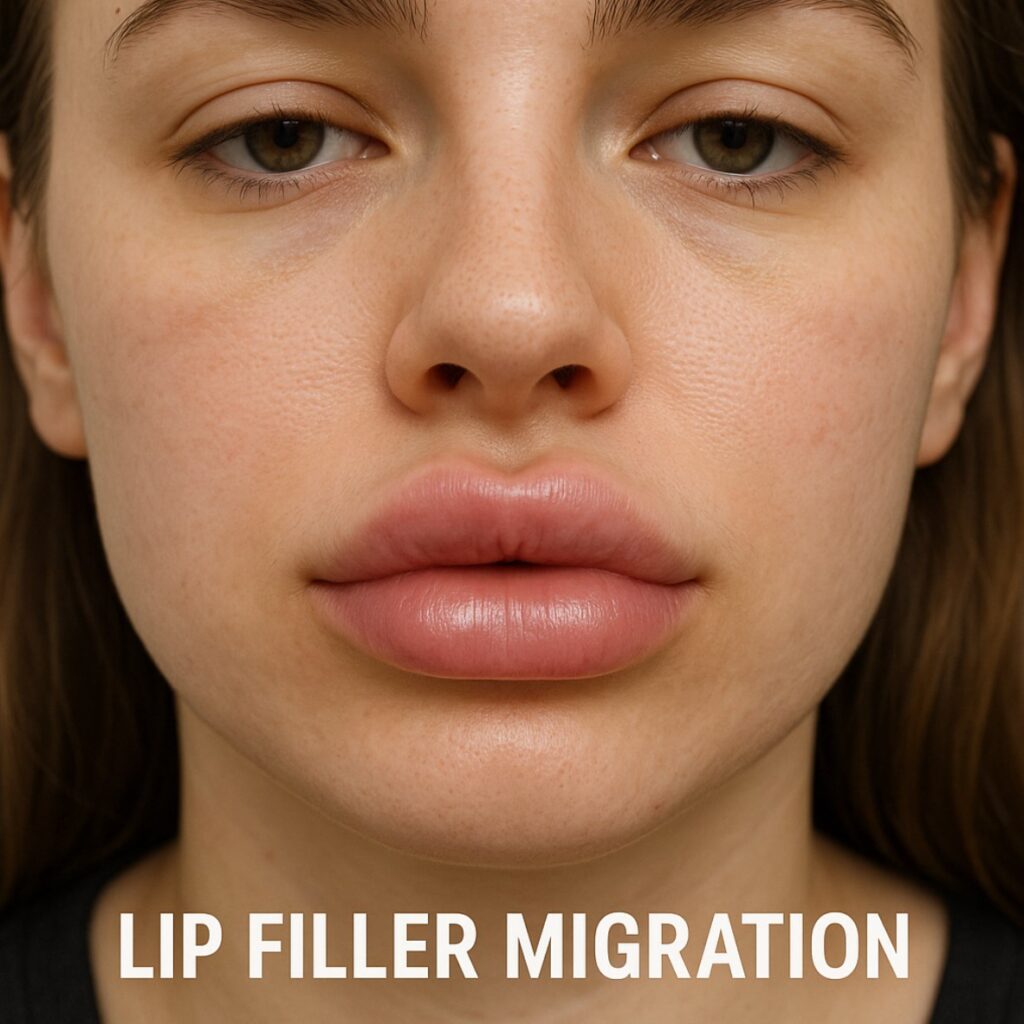
Lip filler migration refers to the unintended movement of dermal filler from the intended injection site into adjacent areas. In the case of lip augmentation, it often means filler creeping above the vermillion border into the surrounding tissue, creating an unnatural or “duck lip” appearance.
Migration doesn’t always happen overnight — it can be subtle, developing over weeks or even months. While some patients might not notice it at first, trained aesthetic injectors can spot the telltale signs – blurred borders, upper lip heaviness, or an exaggerated protrusion above the cupid’s bow.
But why does lip filler migrate in the first place? Here are a few key culprits.
- Too much filler injected too frequently
- Incorrect product selection based on filler viscosity and cohesivity
- Poor injection technique including superficial or misplaced placement
- Lack of anatomical understanding of lip structure and surrounding tissues
- Muscle movement and pressure that gradually pushes filler out of place
All images used under license from Canva. © APT Medical Aesthetics, 2025. All rights reserved.
The Real Story – When Overfilling Backfires
Consider the story of Michelle, a 28-year-old client who visited an APT-trained injector after noticing a strange fullness above her upper lip. She had been getting lip filler for years at another clinic, often requesting top-ups every three to four months.
Her previous injector hadn’t fully assessed her lips or volume retention, and over time, the filler began to migrate. What started as subtle plumping turned into upper lip distortion and frequent bruising. After a thorough assessment and dissolving session, Michelle’s lips were restored to their natural shape — and re-treated later using proper volume, placement, and technique.
Stories like Michelle’s are more common than you think — and they underscore the importance of proper training, patient education, and restraint.
Signs of Too Much Lip Filler Migration – How to Spot It Early
Migrated filler doesn’t always scream “overdone.” Sometimes, it whispers. Here are a few red flags to look for during a consultation or follow-up appointment.
- Loss of definition in the vermillion border
- Upper lip that appears swollen or projects forward unnaturally
- Filler that feels firm or lumpy under the skin
- Uneven lip texture when the mouth is at rest
- Shadows or puffiness above the lip line
Being able to identify these signs is critical during the assessment of skin and facial features — something we emphasize in every APT Injection Training course.
All images used under license from Canva. © APT Medical Aesthetics, 2025. All rights reserved.
How to Prevent Lip Filler Migration – Clinical Tips for Safer Results
Avoiding lip filler migration isn’t just about using less product — it’s about injecting smarter. Here’s how to reduce the risk and enhance your outcomes.
- Start small – Avoid overfilling during initial treatments. Build volume gradually over multiple sessions.
- Respect anatomy – Understand the differences in lip zones and avoid injecting superficially or too close to the border.
- Use appropriate product – Choose fillers with the right thickness and elasticity for the lips. Not all dermal fillers are designed for this area.
- Time your top-ups – Avoid repeated injections too soon after initial treatments. Give the product time to settle.
- Educate your clients – Help them understand that more is not always better — and that subtlety lasts longer and looks better.
At APT Injection Training, our Lip Filler Training course is designed to give injectors both the technical and artistic training required to master safe lip augmentation — including the use of cannulas, layering techniques, and full-face assessments.
FAQ – Lip Filler Migration Questions Answered
How long does lip filler migration take to happen?
Migration can begin within weeks of the procedure, but may not become visually obvious until months later — especially in patients receiving frequent top-ups.
Can migrated filler be reversed?
Yes. Hyaluronic acid-based fillers can be dissolved with hyaluronidase, a safe and effective enzyme that breaks down filler particles.
Does lip filler migration mean the injector did something wrong?
Not necessarily. Even skilled injectors can see migration in long-term patients or those with active muscle movement. But poor technique, excessive volume, and lack of planning are common contributors.
How do I know if my lips have migrated filler?
The best way is to have a consultation with an experienced aesthetic nurse or cosmetic injector. Trained eyes can spot subtle signs of migration that patients may not recognize.
Can I get filler again after migration is dissolved?
Yes — but timing is key. Once migration has been corrected, allow tissue to heal fully before re-treating, and always reassess the treatment plan.
Ready to Elevate Your Confidence as a Lip Injector?
Here’s a question for you — are you confident in your ability to assess, inject, and manage lip fillers with precision, safety, and consistency?
If your answer is “not quite yet,” you’re in good company. Even the most passionate and knowledgeable healthcare professionals can feel uncertain when it comes to lip augmentation. Why? Because lip injections are one of the most frequently requested procedures in medical aesthetics — and also one of the most technically demanding.
The lips are a dynamic, high-risk treatment area that require more than just injection skills. Patients don’t just want volume — they want balance, symmetry, natural movement, and shape that enhances their features without looking overdone. And as an injector, you’re responsible for understanding how to deliver all of that while minimizing the risk of complications like bruising, lumps, or lip filler migration.
That means learning how to blend artistic intuition with anatomical expertise. It also means mastering how to conduct a proper consultation, set realistic expectations, and manage complications with confidence. This level of skill doesn’t come from watching videos or reading textbooks — it comes from structured training, real-time feedback, and hands-on experience with guidance from experts.
All images used under license from Canva. © APT Medical Aesthetics, 2025. All rights reserved.
That’s where APT Injection Training comes in.
We offer beginner and intermediate aesthetic courses tailored specifically for regulated healthcare professionals — including nurses, physicians, and dentists — who are ready to develop their expertise in cosmetic injections. Whether you’re taking your very first lip filler class or you’re looking to refine your technique and reduce the risk of migration, our programs are designed to support you every step of the way.
Our industry-recognized courses are taught inside a fully equipped, state-of-the-art training facility in Oakville, Ontario. We’ve created an educational experience that is practical, immersive, and grounded in clinical excellence. Every course is structured to give you the tools, knowledge, and confidence you need to deliver safe, effective, and beautiful outcomes for your patients.
What you can expect from our injectables training programs.
- A 2 to 1 trainee-to-trainer ratio for maximum hands-on experience and personal guidance
- Pre-booked live models so you can focus entirely on technique and treatment planning
- Direct access to expert clinical trainers with over 20 years of experience in the aesthetic industry
- A curriculum that covers the full treatment journey — from anatomy, assessment, and patient consultation to advanced injection techniques, product selection, and complication management
We’re not just here to teach injections — we’re here to help you build a lasting, high-standard practice that prioritizes safety, artistry, and trust.

All images used under license from Canva. © APT Medical Aesthetics, 2025. All rights reserved.
So whether your goal is to master the art of lip enhancement, prevent common issues like filler migration, or offer your patients outcomes that look good in real life (not just on Instagram), APT Injection Training is here to help you succeed.
Let’s take your skills — and your confidence — to the next level.
(289) 271-5718
✉️ info@aptinjectiontraining.com
aptinjectiontraining.com
Tips to be a
Successful Injector!
Free E-Book download