Student Log in
 1267 Cornwall Rd, Unit 300, Oakville, Ontario L6J 7T5

 (289) 271-5718
blog
Why Non-Medics Should Not Become Injection Specialists
Mar 18 2021
Reading Time: 4 Minutes
Author: Tony Pezzano
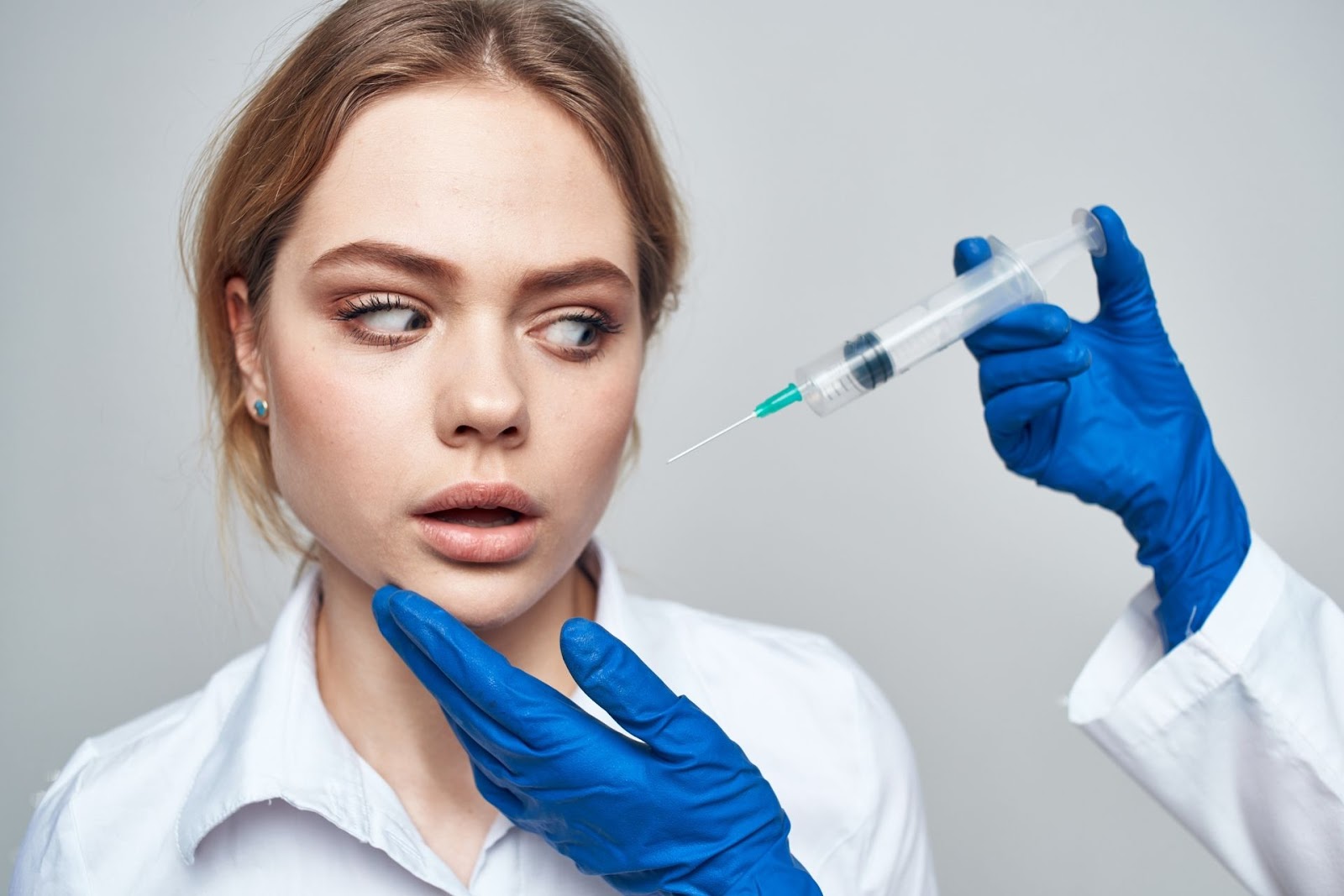
In some parts of the world, Botox training for non-medical personnel is allowed. This practice harms the medical aesthetics industry. It is a risky proceeding that leads to side effects. It can also endanger clients involved.
Botox and dermal filler injections are medical procedures. They use medications and medical devices. An extensive medical background is needed for safe administration. This helps avoid serious complications.
In most cases, only physicians, nurse practitioners, registered nurses, registered practical nurses, and dentists should give these procedures. Without this background in anatomy and aseptic technique, non-medics risk endangering patients.
Here are more reasons why non-medics should not become injection specialists.
Reasons Why Botox Training for Non-Medical Personnel Should Not be Allowed
The Botox industry is at a record high. It was valued at $4.83 billion in 2019. It is expected to reach $7.1 billion in 2027. Demand for minimally invasive procedures keeps growing.
This attracts more people to careers in medical aesthetics. However, these numbers also attract non-licensed professionals. They get Botox training to perform injectables and profit from it.
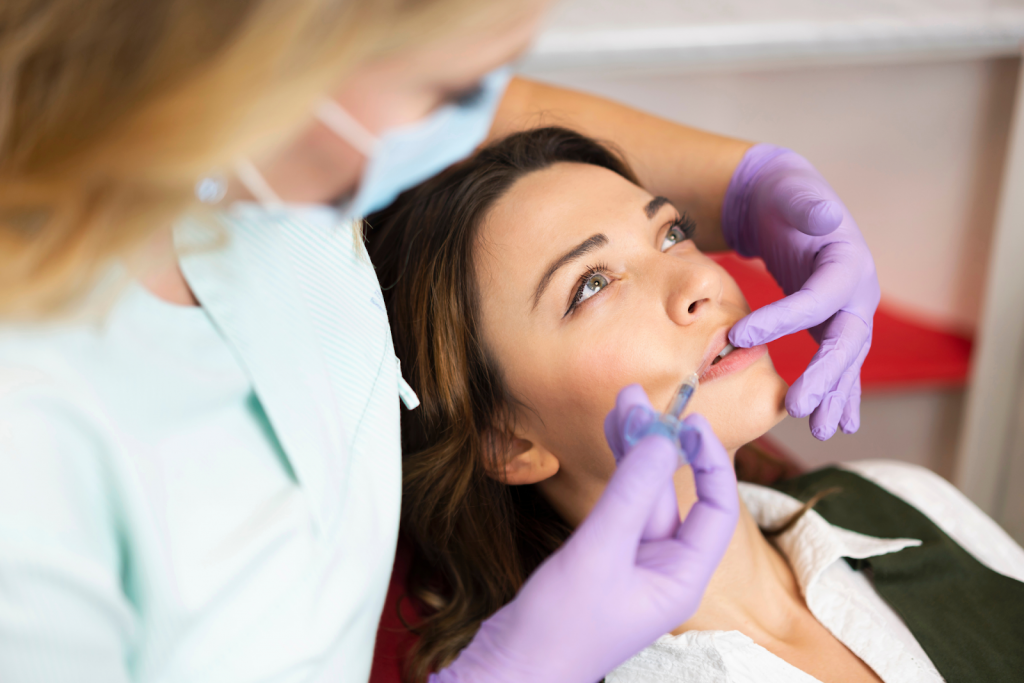
Here are reasons why Botox training for non-medical personnel should not be allowed:
Non-Medical Personnel Can Pass Misleading Information
In the United Kingdom, medical experts know this alarming trend. There was a petition to ban Botox training for non-medical professionals in 2013. NHS director Bruce Keogh said non-medical personnel are inadequately qualified. They can pass on less-than-accurate information before treatment.
This could endanger patients. It increases their risk of negative side effects from Botox and dermal filler injections.
Non-Medical Personnel Are Not Adequately Trained
Licensed medical professionals must pass rigorous third-party exams. This takes years of theoretical and hands-on training. These skills adapt to administering filler injections safely. They ensure client satisfaction and safety.
When Botox training for non-medical personnel happens, they lack medical knowledge. This increases the risk of faulty procedures. Outcomes can be odd-looking or more serious. Issues include tissue death, granulomas, and blindness.
Non-Medical Personnel Have Limited Knowledge of Industry-Standard Safety Procedures
Individuals in Botox training for non-medical personnel lack aseptic technique understanding. This is taught in medical and nursing programs. It ensures proper sterilization and minimizes infection risks. They also lack knowledge to handle complications.
These complications, if not treated quickly, can cause serious, permanent damage to patients.
Non-Medical Personnel Don’t Have Access to Reliable Supply Chains
Botox and dermal filler training for non-medical personnel is dangerous. It also promotes the black market for these products. Non-medics may struggle to access Health Canada approved toxins. Trusted supply routes are only for licensed professionals.
Because of this, non-medics may buy cheap fillers online. These can come from counterfeit suppliers. This gives harmful effects to unknowing clients.
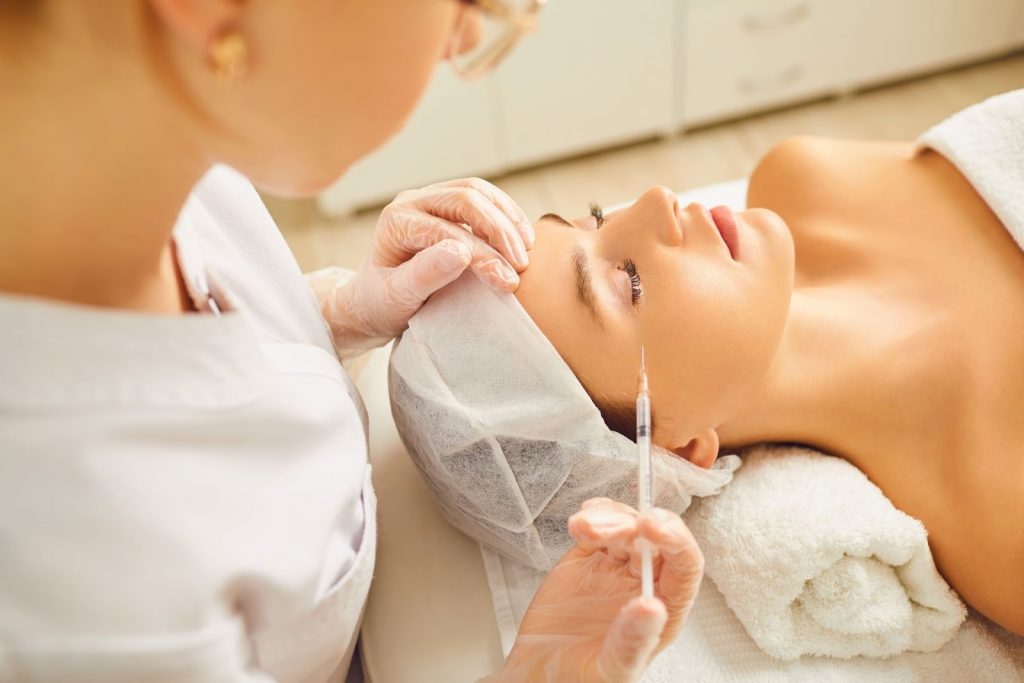
Non-Medical Personnel Are Not Bound by Professional Standards
Remarks like “you will look nicer” are misleading and unprofessional. Medical professionals present both benefits and risks. They obtain informed consent before the procedure. They can also recognize and treat adverse events.
This is impossible for many non-medical individuals. They lack basic medical knowledge from years of schooling.
Non-medics are also unaware of contraindications. These mean a patient is not suitable for Botox or fillers. Clients then undergo procedures without knowing what could go wrong.
Non-Medical Personnel Cannot Treat Complications Following a Procedure
Botox and dermal fillers are safe when done by trained professionals. But a non-medic can inject incorrectly. This leads to complications or infections. Non-medics lack resources to prescribe medications for side effects.
These side effects include granulomas, skin infections, migration, necrosis, and blindness.
Non-Medical Administered Injections May Result In Permanent Damage
Aligning with Keogh’s work, there are several documented cases of severe side effects. These include blindness and eye infections from dermal fillers. A medical professional has the knowledge to decrease these risks. They ensure severe side effects don’t happen after injections.
Injections into the nose and frown lines are concerning. They can lead to serious, non-reversible adverse events. Resources to treat side effects are not available to non-medical personnel.
The lack of regulation for Botox training for non-medical personnel is a threat. It needs to be addressed in the medical aesthetics industry. Many would feel uncomfortable driving a car without insurance. Similarly, individuals should seek professionalism when getting Botox injections.
Gain International Botox Certification for Medical Professionals
APT Injection Training is a top-tier training facility. We offer intensive Botox filler courses for licensed medical professionals in North America. We are the only training centre in Canada with an internationally recognized certification for toxin and dermal filler injections.
Our personalized courses and hands-on training benefit our trainees. Our decades of success stories prove it. We have trained hundreds of doctors, physicians, registered nurses, and dentists. They master basic and advanced injection techniques for thousands of satisfied patients.
For more information on our Botox and dermal filler certification courses, please contact us today! A member of the APT Team will get in touch with you immediately.
Tips to be a
Successful Injector!
Free E-Book download