Student Log in
 1267 Cornwall Rd, Unit 300, Oakville, Ontario L6J 7T5

 (289) 271-5718
blog
Filler Migration Correction Training Beyond Aesthetics

Jul 04 2026
Reading Time: 8 Minutes
Author:
You may have seen it online before. A patient who loved their lips a few years ago suddenly notices puffiness above the lip border. Another patient starts complaining that their undereyes look heavier instead of refreshed. Someone else swears their cheeks feel “puffy” no matter how much filler dissolving they have already tried.
This is where aesthetic medicine begins to separate hobby injectors from highly trained medical professionals.
Filler migration is one of the most talked about complications in modern aesthetic medicine right now. Patients are becoming more educated, social media is increasing awareness, and clinics are seeing a growing number of individuals seeking filler correction instead of simply asking for more volume.
However, here is the reality many new injectors do not realize early enough: learning how to inject filler is only one part of becoming a skilled medical aesthetic practitioner.
Knowing how to recognize, assess, manage, and correct migrated filler is what elevates an injector from simply performing treatments to truly practicing aesthetic medicine responsibly.
At APT Injection Training, we strongly believe that corrective injectables training and filler dissolution education should be part of every injector’s long-term learning journey. Because in today’s industry, patients are not just looking for enhancement anymore. They are looking for expertise, safety, honesty, and complication management skills.
What Is Filler Migration
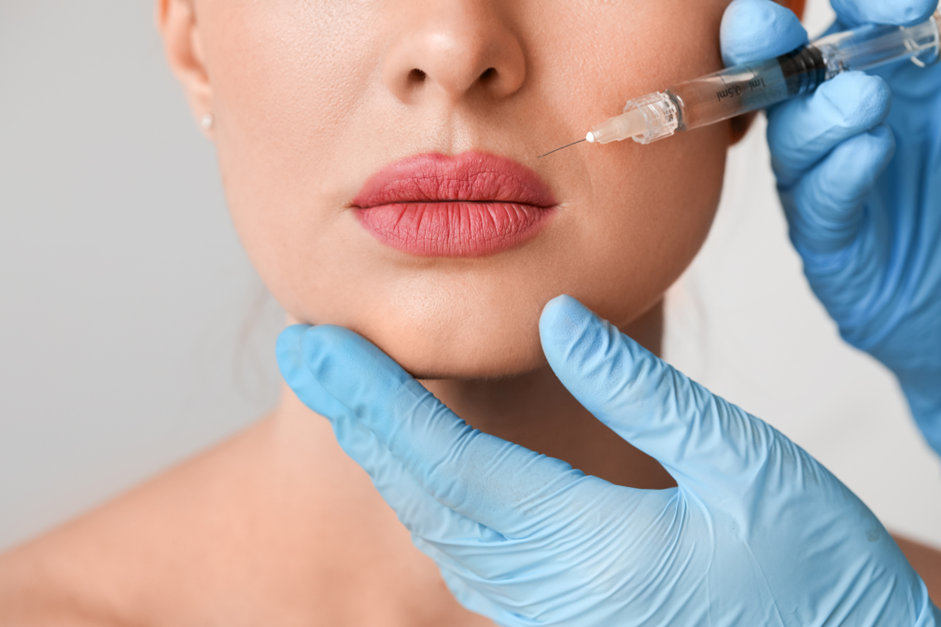
Filler migration refers to dermal filler moving outside of the intended treatment area after injection. Instead of remaining precisely where it was placed, the product shifts into surrounding tissues over time.
This can happen gradually or become noticeable months or even years later. As a result, migrated filler can create a swollen, distorted, puffy, or unnatural appearance depending on the area affected.
Common Areas Affected by Filler Migration
- Lips
- Tear troughs
- Nasolabial folds
- Cheeks
- Jawline
- Chin
How Patients Describe Migrated Filler
- Looking “overfilled”
- Feeling lumpy
- Seeing product above the lip border
- Puffiness that never goes away
- Facial heaviness
- Distorted facial proportions
- Swelling that worsens over time
One of the biggest misconceptions among the public is the belief that filler completely dissolves within a few months. However, imaging studies and clinical experience continue to show that certain fillers can persist much longer than patients expect. This is why managing migrated filler has become such an important skill in aesthetic medicine today.
All images used under license from Canva. © APT Medical Aesthetics, 2026. All rights reserved.
Why Filler Migration Happens
There is rarely one single cause of filler migration. Instead, it is often a combination of injection technique, anatomy, product selection, patient factors, and treatment frequency.
Some contributing factors may include:
- Overfilling an area repeatedly
- Poor injection placement
- Injecting into incorrect tissue planes
- Using too much product in one session
- Choosing inappropriate filler types for certain areas
- Excessive pressure or movement in high mobility areas
- Weak tissue support
- Lack of anatomical understanding
- Treating patients too frequently without reassessment
This is why comprehensive training matters so much. Corrective injectables training is not simply about learning how to dissolve filler. It requires injectors to critically think through anatomy, tissue dynamics, aging patterns, product rheology, and long-term treatment planning.
Therefore, an injector who only knows how to add filler may struggle when faced with a patient requiring correction instead of enhancement.
A Story Many Injectors Will Eventually Encounter
A patient walks into clinic asking for “just a little more lip filler.”
At first glance, the lips appear large but flattened. The upper lip border looks blurred, and there is visible fullness extending above the vermillion border. The patient insists they have not had filler in over two years and believes their lips have “shrunk.”
A newer injector might immediately proceed with adding more product. An experienced injector pauses instead.
They recognize the signs of migrated filler. Instead of adding volume, they begin educating the patient about filler migration correction. They explain how old filler can remain in tissue longer than expected and how additional injections may worsen the issue.
The patient is surprised — no one had ever explained this before. After a proper consultation, treatment planning, and dissolution process, the patient eventually rebuilds their lips conservatively with better structure, support, and proportion.
This scenario is becoming increasingly common across the GTA and beyond. Patients are actively searching for providers who understand migrated filler and filler correction because they want natural results again. That demand is changing the future of injector education.
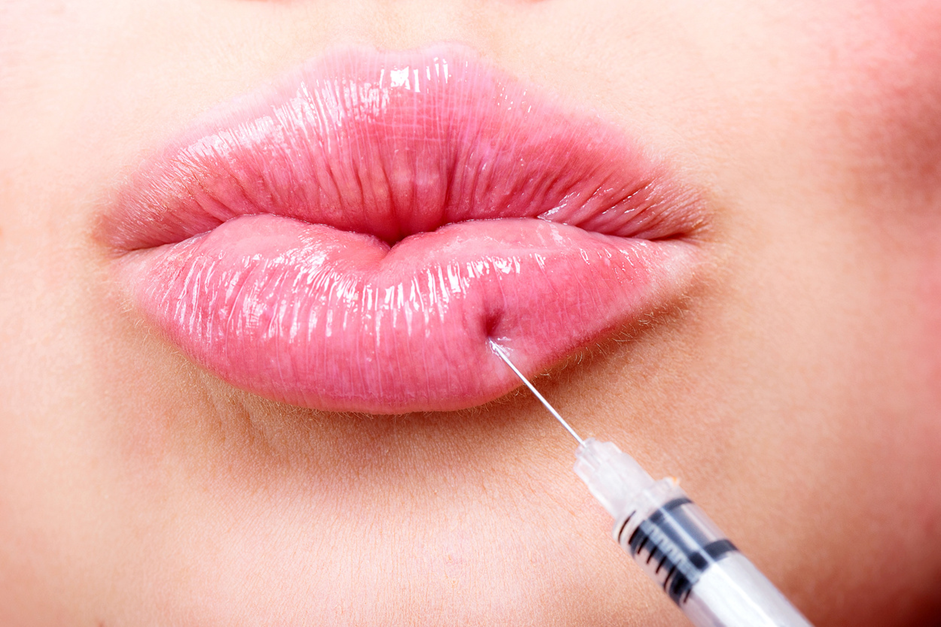
All images used under license from Canva. © APT Medical Aesthetics, 2026. All rights reserved.
The Shift Toward Corrective Aesthetics
The aesthetic industry is evolving quickly. Years ago, social media often rewarded exaggerated treatments and overfilled appearances. Today, many patients are moving toward balanced, natural looking outcomes.
This shift has created a growing demand for injectors who understand:
- Facial harmony
- Conservative treatment planning
- Reversal techniques
- Complication management
- Corrective injectables training
- Advanced anatomy
- Patient education
The ability to correct migrated filler safely is becoming one of the most valuable skills an injector can develop. Why? Because correction requires a deeper level of clinical reasoning than augmentation alone.
It requires the injector to assess:
- Where the filler was likely placed
- Whether product has migrated superficially or deeply
- The type of filler used
- The patient’s previous treatment history
- Risks associated with dissolving
- Tissue quality
- Facial balance after correction
- Future treatment planning
This is true aesthetic medicine.

All images used under license from Canva. © APT Medical Aesthetics, 2026. All rights reserved.
Why Filler Dissolution Education Matters
One of the most important components of managing migrated filler is understanding hyaluronidase. Hyaluronidase is an enzyme commonly used to dissolve hyaluronic acid filler. While it can be an incredibly valuable tool, it should never be treated casually.
Proper filler dissolution education is critical because dissolving filler involves much more than simply injecting hyaluronidase into an area.
Injectors must understand:
- Anatomy
- Dosing strategies
- Risk management
- Tissue response
- Allergy considerations
- Patient expectations
- Emergency preparedness
- Treatment sequencing
Improper dissolution can create uneven correction, excessive volume loss, swelling, tissue irritation, or dissatisfaction. That’s why regulated healthcare professionals pursuing corrective injectables training benefit from hands-on education, mentorship, and strong patient safety protocols.
At APT Injection Training, complication management and patient assessment are heavily emphasized because aesthetic medicine extends far beyond social media trends or before and after photos.
Have You Ever Wondered This
Would you know how to recognize filler migration before making it worse with additional injections? This is one of the most important questions injectors should ask themselves throughout their career.
Many complications in aesthetics are not caused by malicious intent or lack of care. They happen because practitioners were never fully trained to recognize subtle warning signs early enough. That is why continuing education matters so much in aesthetic medicine.
Signs That May Suggest Migrated Filler
Recognizing migrated filler can sometimes be straightforward, but in other cases it can be surprisingly subtle. Potential signs include:
- Blurred lip borders
- Persistent puffiness
- Sausage shaped lips
- Under eye swelling that worsens over time
- Facial asymmetry
- Palpable product outside intended treatment areas
- Distorted smile movement
- Fullness that does not match natural anatomy
- Product visibility in superficial tissue
Experienced injectors learn how to differentiate between:
- Swelling
- Edema
- Normal aging changes
- Product accumulation
- Migration
- Poor placement
- Fibrosis
This level of assessment takes education, repetition, and mentorship.
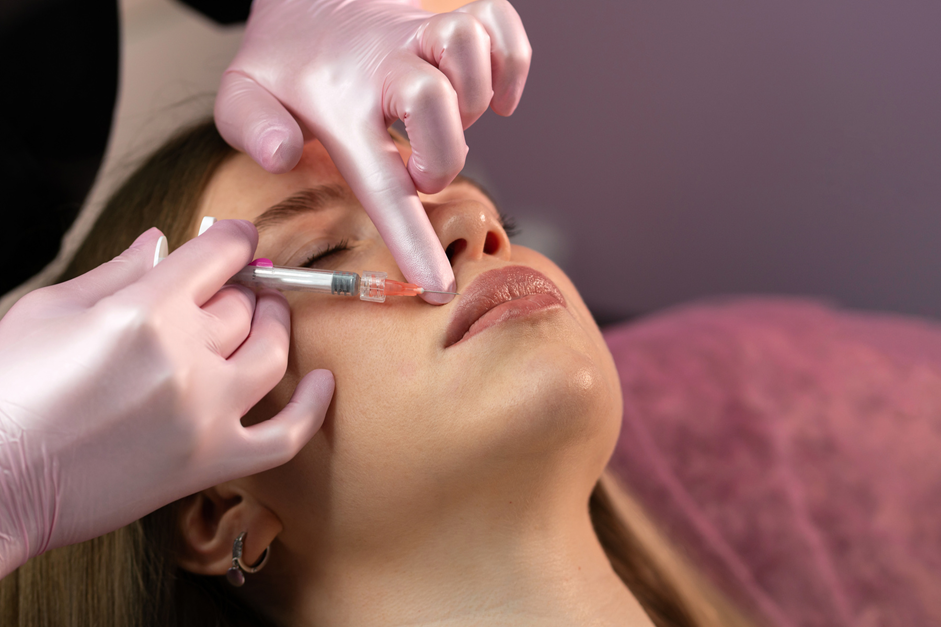
All images used under license from Canva. © APT Medical Aesthetics, 2026. All rights reserved.
The Emotional Side of Filler Correction
One thing many injectors underestimate is the emotional component involved in filler correction. Patients seeking migrated filler correction are often anxious, embarrassed, frustrated, or fearful.
Some have spent years trying to “fix” the issue by adding more filler. Others feel self-conscious after seeing themselves in photos or videos. Many are worried that dissolving filler means they will look older or “lose everything.”
A skilled injector must balance technical knowledge with communication skills and patient trust. That’s why corrective injectables training should include more than injection technique alone. It should also include consultation strategies, expectation management, and ethical treatment planning.
Ultimately, the ability to say “no” to more filler can sometimes be one of the most important decisions an injector makes.
Why Advanced Anatomy Knowledge Is Essential
Correcting migrated filler safely requires a strong understanding of anatomy. Injectors must understand:
- Vascular pathways
- Tissue compartments
- Ligament structures
- Fat pad movement
- High risk danger zones
- Product behavior within different planes
Without anatomical knowledge, correction becomes unpredictable and potentially unsafe. This is especially important because many migrated filler cases involve areas already altered from previous injections, so tissue planes may no longer behave predictably.
That’s why advanced injectors continue investing in education long after beginner training is completed.
FAQ About Filler Migration Correction
Can filler migration happen years later?
Yes. Some patients notice migrated filler long after their original treatment. Certain fillers may persist longer than expected, especially after repeated treatments over time.
Does filler migration always need to be dissolved?
Not always. Treatment depends on the severity, location, patient goals, tissue quality, and overall facial assessment. Some cases benefit from dissolution, while others may require strategic correction or conservative monitoring.
Is filler migration common in the lips?
Lip filler migration is one of the most commonly discussed forms of migrated filler due to the high mobility of the area and the popularity of lip augmentation treatments.
Why is filler correction becoming more popular?
Patients are increasingly seeking natural looking results and are becoming more aware of overfilled appearances through social media, imaging studies, and aesthetic consultations.
Should beginner injectors learn complication management?
Absolutely. Even beginner injectors should understand the fundamentals of vascular occlusion recognition, filler dissolution education, anatomy, emergency preparedness, and managing migrated filler safely.
All images used under license from Canva. © APT Medical Aesthetics, 2026. All rights reserved.
The Future Of Aesthetic Medicine Is Smarter Injecting
The future of aesthetics is not about adding more product. Instead, it is about thoughtful assessment, individualized treatment planning, patient safety, anatomy, and long-term outcomes.
Patients today are more informed than ever before. They are researching clinics carefully, and they are asking questions about migration, complication management, and corrective options.
As a result, injectors who invest in advanced education will continue standing out in an increasingly competitive market. Learning how to perform filler correction responsibly demonstrates a deeper commitment to patient care and clinical excellence.
Training Beyond Aesthetics
At APT Injection Training, we believe the strongest injectors are the ones who never stop learning.
Whether you are new to aesthetic medicine or already practicing injectables, continuing education in complication management, filler dissolution education, advanced anatomy, and corrective injectables training is essential for long-term growth in this industry.
Our training programs are designed for regulated healthcare professionals seeking comprehensive education that prioritizes safety, hands-on learning, patient assessment, and real world clinical application.
What makes our training experience unique:
- Small 2 to 1 trainee to trainer ratios
- Extensive hands on injecting opportunities
- Expert trainers with over 20 years of industry experience
- Pre booked live models
- Ongoing mentorship and support
- Focus on anatomy and complication management
- State of the art training facility in Oakville
As the aesthetic industry continues evolving across the GTA, injectors who understand how to manage migrated filler and perform thoughtful filler correction will become increasingly valuable to both patients and clinics alike.
Because true expertise in aesthetics is not measured by how much filler you can inject. It is measured by knowing when not to inject at all.
Ready to continue your injectables education with a stronger focus on safety, anatomy, and advanced clinical reasoning?
Connect with APT Injection Training today to learn more about our beginner and advanced training opportunities for regulated healthcare professionals across Oakville and the GTA.
📞 (289) 271-5718
✉️ info@aptinjectiontraining.com
🌐 aptinjectiontraining.com
Tips to be a
Successful Injector!
Free E-Book download