Student Log in
 1267 Cornwall Rd, Unit 300, Oakville, Ontario L6J 7T5

 (289) 271-5718
blog
Bruising or Vascular Occlusion – How Injectors Can Clinically Tell the Difference
Feb 12 2026
Reading Time: 5 Minutes
Author:
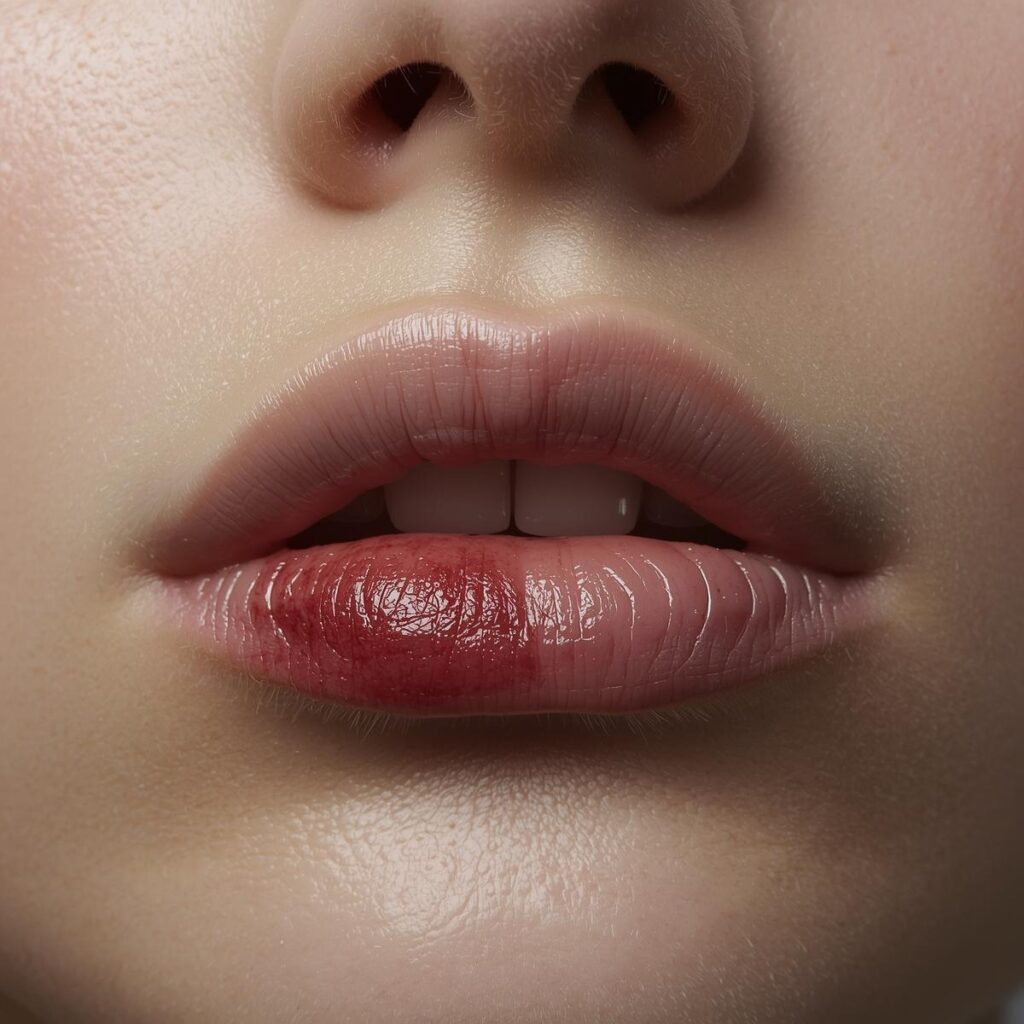
One of the most challenging moments an injector can face occurs not during the injection itself, but in the minutes or hours that follow.
A patient looks in the mirror and notices discoloration.
The injector pauses and asks a critical internal question.
Is this bruising, or is this vascular occlusion?
The ability to confidently differentiate bruising from vascular occlusion is one of the most important clinical skills in medical aesthetics.
Both conditions can present with color changes, tenderness, and patient anxiety.
However, their implications are vastly different.
Bruising is a common and expected side effect.
Vascular occlusion is a time-sensitive medical emergency.
For injectors, hesitation or misinterpretation can have serious consequences.
This is why understanding the subtle yet crucial differences between bruising or vascular occlusion is essential for safe practice, patient protection, and professional confidence.
This blog walks through how injectors can clinically distinguish between these two presentations by assessing color changes, pain patterns, capillary refill, and progression over time.
It also highlights why advanced training and preparedness are critical in making these decisions under pressure.
All images used under license from Canva. © APT Medical Aesthetics, 2026. All rights reserved.
Why Bruising and Vascular Occlusion Are Often Confused
Bruising and vascular occlusion share several overlapping features, especially in the early stages.
Both may involve discoloration, swelling, and patient discomfort.
In high-risk areas such as the lips, these similarities are amplified due to the natural vascularity of the tissue.
New injectors may assume that discoloration equals bruising, particularly if they are accustomed to seeing post-injection ecchymosis.
However, vascular occlusion does not always present dramatically at first.
Early signs can be subtle, making misinterpretation more likely without proper training.
The key difference lies not in the presence of discoloration alone, but in how that discoloration behaves, how it feels, and how it changes over time.
Understanding What Bruising Really Is
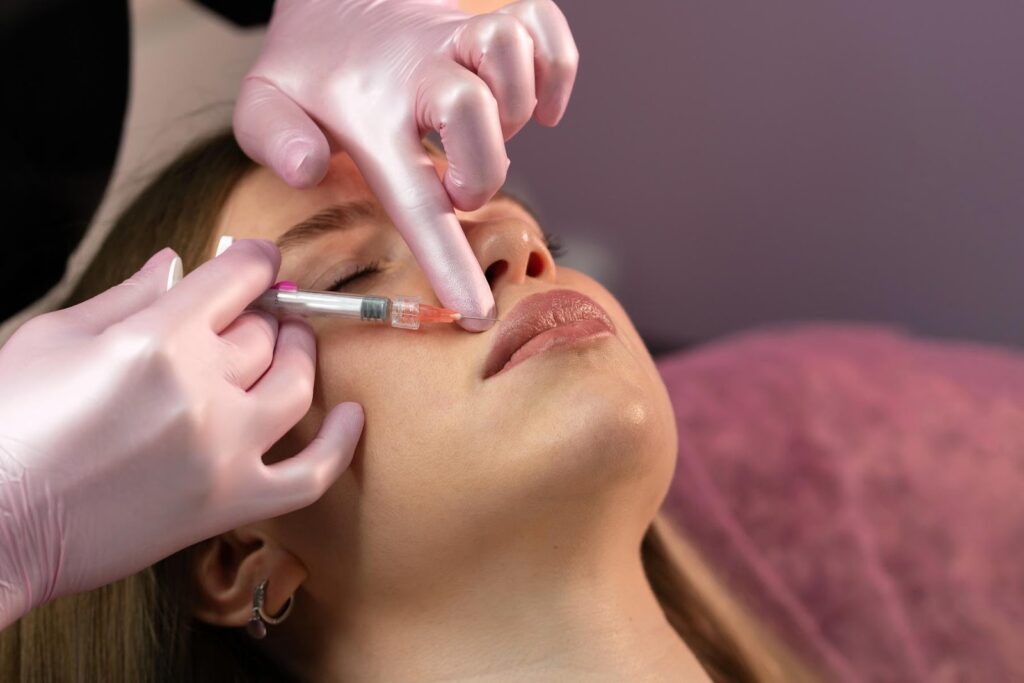
Bruising occurs when small blood vessels are damaged during injection, allowing blood to leak into surrounding tissue.
This is a mechanical injury rather than a circulatory failure.
Bruising typically follows a predictable pattern.
The color evolves gradually, starting as red or purple and darkening before fading through green and yellow hues.
Tenderness may be present, but it usually improves rather than worsens.
Importantly, bruising does not compromise blood flow to the tissue.
Oxygenated blood continues to circulate, allowing healing to occur naturally.
This predictable behavior is one of the most important clues injectors can use to differentiate bruising from vascular occlusion.
All images used under license from Canva. © APT Medical Aesthetics, 2026. All rights reserved.
Understanding What Vascular Occlusion Is
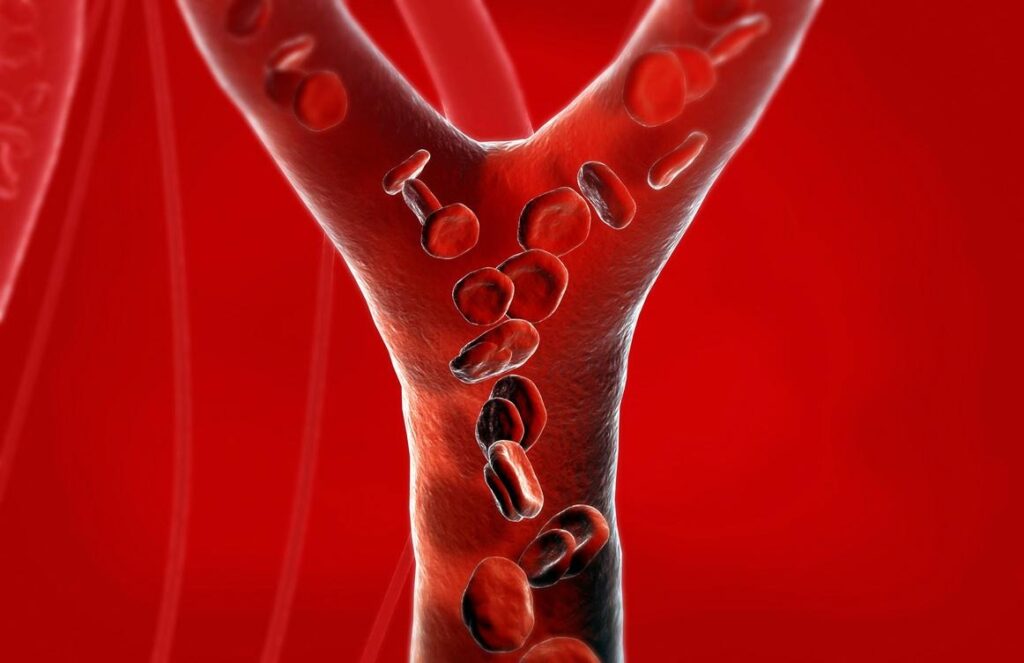
Vascular occlusion occurs when blood flow is obstructed.
This obstruction may be caused by filler entering a vessel or by external compression severe enough to impair circulation.
Unlike bruising, vascular occlusion deprives tissue of oxygen.
Without oxygen, tissue injury progresses quickly.
The goal of early recognition is to restore circulation before irreversible damage occurs.
When injectors mistake vascular occlusion for bruising, the delay in treatment increases the risk of necrosis, scarring, and permanent aesthetic damage.
All images used under license from Canva. © APT Medical Aesthetics, 2026. All rights reserved.
Colour Changes and What They Reveal
Colour is often the first thing both patients and injectors notice.
However, not all color changes carry the same meaning.
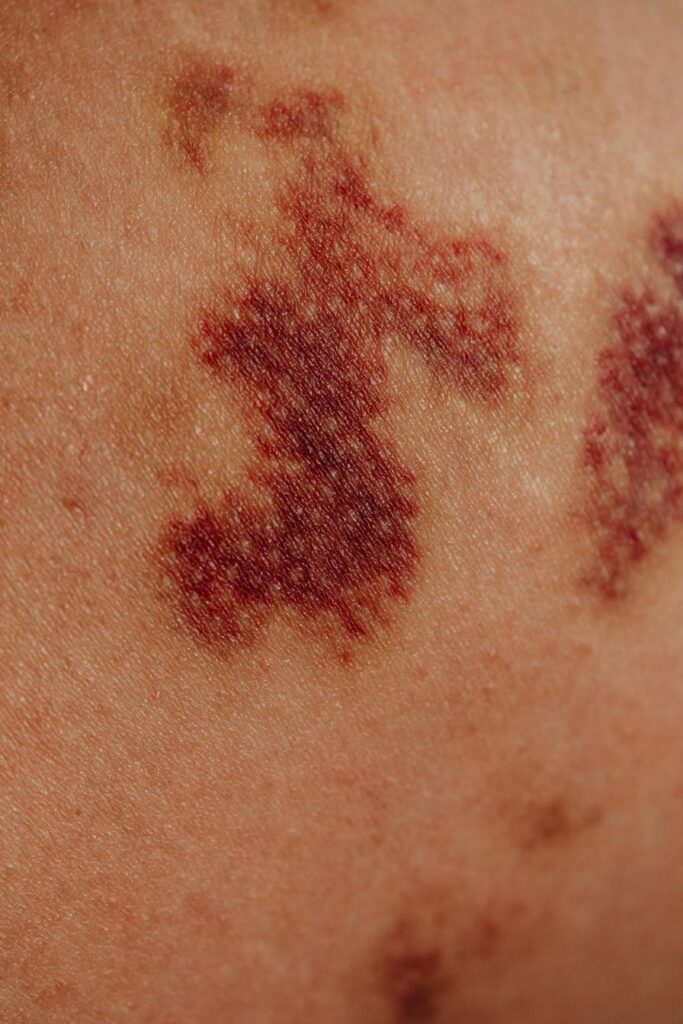
Bruising tends to appear as red, purple, or blue discoloration that deepens gradually.
It often has soft, diffuse borders and may spread slowly over time.
The surrounding skin typically remains warm and well perfused.
Vascular occlusion, on the other hand, often presents with blanching or pallor early on.
The skin may appear white, pale, or gray compared to surrounding tissue.
As ischemia progresses, color may shift to dusky, mottled, or violaceous tones.
Another critical distinction is pattern.
Bruising tends to spread irregularly, while vascular compromise often follows a vascular distribution.
Linear, segmental, or sharply demarcated color changes should raise concern.
All images used under license from Canva. © APT Medical Aesthetics, 2026. All rights reserved.
Pain Patterns That Matter
Pain is a powerful diagnostic clue when differentiating bruising or vascular occlusion.
Bruising-related pain is usually mild to moderate.
It may feel tender or sore, similar to a muscle bruise.
This discomfort typically improves over time and does not escalate.
Pain associated with vascular occlusion behaves differently.
It is often described as severe, burning, pressure-like, or out of proportion to the injection performed.
Instead of improving, it worsens.
Patients may become increasingly uncomfortable, restless, or distressed.
Escalating pain should never be dismissed, especially when combined with concerning color changes.
Capillary Refill as a Critical Assessment Tool
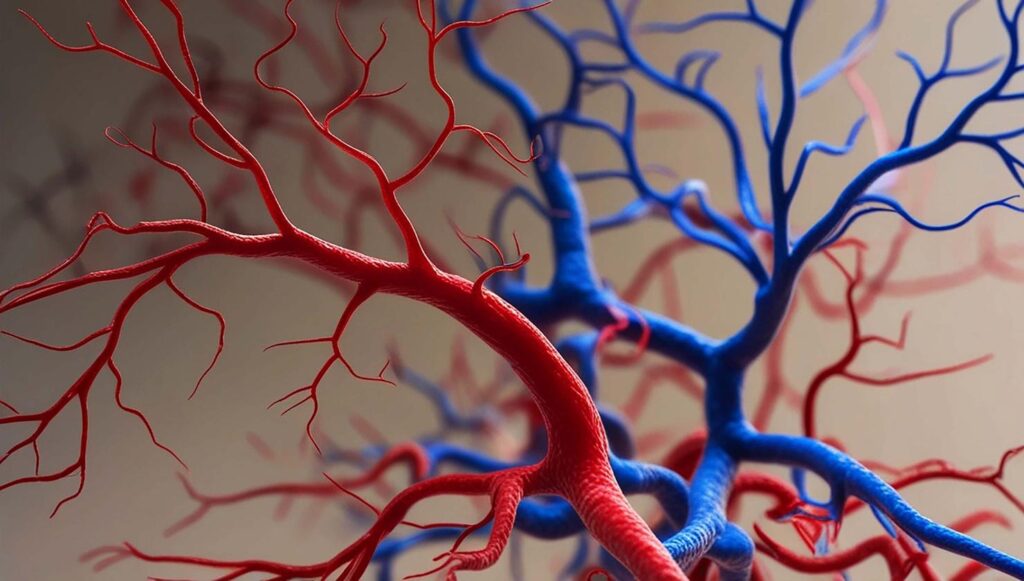
Capillary refill is one of the most valuable and underutilized assessment techniques in aesthetic medicine.
It provides direct information about tissue perfusion.
To assess capillary refill, gentle pressure is applied to the skin until it blanches, then released.
Normal tissue regains color within two seconds.
In bruising, capillary refill remains normal.
Blood flow is intact, even though blood has leaked into surrounding tissue.
In vascular occlusion, refill may be delayed, patchy, or absent.
This indicates compromised circulation and should prompt immediate concern.
Capillary refill should always be assessed when discoloration raises suspicion.
It provides objective data that supports clinical decision-making.
All images used under license from Canva. © APT Medical Aesthetics, 2026. All rights reserved.
Temperature Differences as an Additional Clue
Temperature is another subtle but important differentiator.
Bruised tissue typically feels warm or normal due to inflammation and increased blood flow during healing.
Ischemic tissue affected by vascular occlusion may feel cooler compared to surrounding areas.
This temperature difference reflects reduced blood supply.
While temperature alone is not diagnostic, it adds valuable context when combined with color, pain, and refill findings.
Progression Over Time Tells the Story
One of the most reliable ways to distinguish bruising or vascular occlusion is by observing how symptoms evolve.
Bruising improves gradually.
Pain lessens, swelling stabilizes, and color changes progress predictably toward resolution.
Vascular occlusion worsens without intervention.
Pain increases, color changes intensify, capillary refill remains impaired, and tissue integrity deteriorates.
Injectors must remember that time is not neutral in vascular occlusion.
Waiting does not help.
It harms.
Why Lips Complicate the Picture
The lips make differentiation more difficult because they are naturally vascular, prone to swelling, and sensitive.
Bruising may appear dramatic, and blanching may be subtle.
However, this is precisely why injectors must apply heightened scrutiny when assessing lip treatments.
Assuming that discoloration is benign simply because the lips bruise easily can lead to missed occlusions.
High-risk areas require high-level assessment skills.
A Clinical Scenario That Highlights the Difference
An injector performs lip filler and notices discoloration developing shortly afterward.
The area appears pale with a bluish edge.
The patient reports increasing discomfort rather than relief.
A quick assessment reveals delayed capillary refill and escalating pain.
This is not bruising.
Because the injector has received complication management training, intervention begins immediately.
Blood flow is restored, and tissue injury is avoided.
In contrast, if this presentation were dismissed as bruising, the outcome could have been catastrophic.
Why Clinical Confidence Comes From
Tips to be a
Successful Injector!
Free E-Book download