Student Log in
 1267 Cornwall Rd, Unit 300, Oakville, Ontario L6J 7T5

 (289) 271-5718
blog
Lip Filler Aftercare That Protects Patients – Teaching Clients to Spot Complications Early

Feb 16 2026
Reading Time: 7 Minutes
Author:
In medical aesthetics, the success of a dermal filler treatment does not end when the syringe is set down. For injectors, one of the most critical phases of care begins after the patient leaves the treatment room. This phase is often underestimated, yet it plays a powerful role in patient safety, satisfaction, and complication prevention.
Lip filler aftercare is not simply a list of do’s and don’ts handed to a patient at checkout. It is an extension of clinical care that relies on clear communication, education, and shared responsibility between injector and patient. When aftercare is handled thoughtfully and thoroughly, patients become active participants in their own safety. When it is rushed or unclear, early warning signs can be missed.
Among the most serious risks associated with dermal fillers is vascular occlusion. While rare, vascular compromise requires immediate recognition and action. Patients who understand what to look for and when to reach out play a crucial role in early detection. Teaching patients how to identify signs of vascular occlusion after filler is not optional. It is a fundamental part of ethical practice.
This blog explores why aftercare matters, how injectors can educate patients effectively, and how strong aftercare protocols protect both patients and providers.

All images used under license from Canva. © APT Medical Aesthetics, 2026. All rights reserved.
Why Aftercare Is a Clinical Responsibility
Many injectors view aftercare as an administrative step rather than a clinical one. In reality, aftercare education is an extension of medical decision making. Patients are not clinicians. They rely entirely on the information they are given to interpret what they are experiencing after treatment.
Without proper guidance, patients may assume that symptoms are normal or wait too long before seeking help. Conversely, some patients may panic over benign post-treatment changes if expectations were not clearly set.
Effective lip filler aftercare bridges this gap. It prepares patients to distinguish expected side effects from warning signs and empowers them to contact the clinic promptly when something does not feel right.
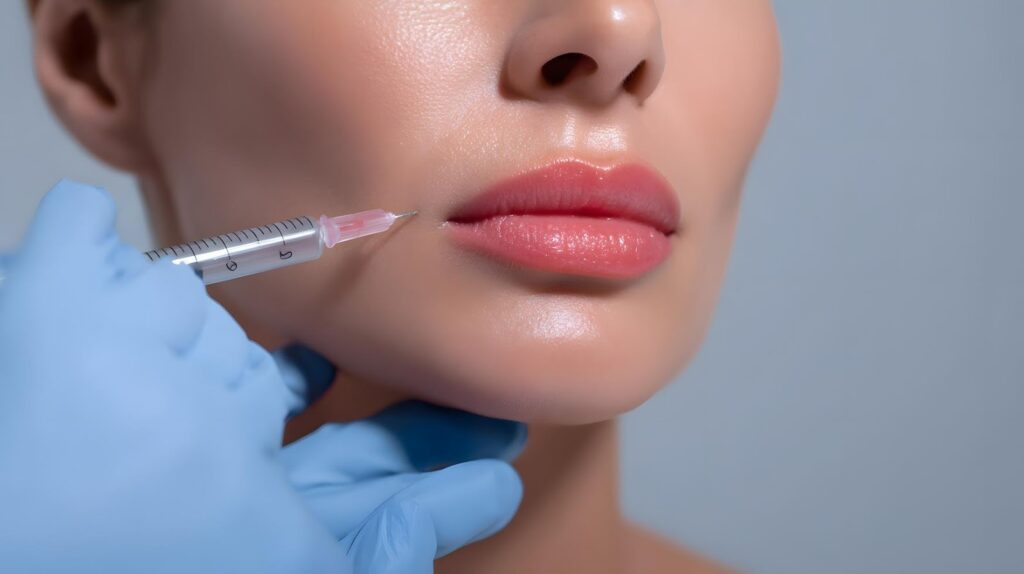
All images used under license from Canva. © APT Medical Aesthetics, 2026. All rights reserved.
The Unique Importance of Aftercare in Lip Filler Treatments
Lip filler carries a higher risk profile than many other dermal filler treatments due to the anatomy of the lips. The lips are highly vascular, supplied by small arterial branches, and have limited tolerance for compromised blood flow. They are also sensitive, mobile, and prone to swelling.
Because of these factors, complications can evolve quickly. While many signs of vascular occlusion may appear during treatment, others may develop hours later as swelling increases or tissue pressure changes.
This makes patient education especially important for lip filler procedures. Injectors cannot rely solely on in-clinic observation. Patients must know what to watch for once they leave.
What Patients Expect Versus What They Need to Know
Most patients expect lip filler aftercare to include advice such as avoiding makeup, skipping workouts, or managing swelling. While these instructions are important, they do not address the most critical safety concerns.
What patients truly need is an understanding of how their lips should feel and look as they heal, and how that healing should progress over time. They need to know what is normal, what is not, and when time becomes a factor.
Clear education reduces fear, builds trust, and dramatically improves outcomes if complications arise.

All images used under license from Canva. © APT Medical Aesthetics, 2026. All rights reserved.
Setting Expectations Before Treatment Begins
Effective aftercare starts before the first injection. Patients are more likely to retain information when it is introduced during consultation rather than delivered hurriedly after treatment.
During pre-treatment discussions, injectors should explain that swelling, tenderness, and mild bruising are common. At the same time, they should introduce the concept that certain symptoms require immediate attention.
By framing aftercare as a partnership, injectors help patients feel involved rather than overwhelmed.
What Normal Lip Filler Healing Looks Like
Patients need a baseline understanding of what normal healing entails so they can identify deviations.
Normal post-treatment responses often include swelling that peaks within the first forty-eight hours, mild tenderness when touching the lips, firmness at injection sites, and possible bruising that darkens over several days before fading.
These changes should gradually improve rather than worsen. Pain should lessen, swelling should stabilize, and color should remain consistent with healthy tissue. When symptoms follow this pattern, reassurance is appropriate.

All images used under license from Canva. © APT Medical Aesthetics, 2026. All rights reserved.
Teaching Patients the Signs That Require Immediate Attention
The most important aspect of dermal filler aftercare is teaching patients how to recognize signs of vascular occlusion after filler. Patients do not need medical terminology, but they do need clear descriptions.
Injectors should explain that concerning signs may include increasing pain that does not improve, color changes such as whitening or gray discoloration, skin that feels cold or numb, mottled or patchy appearance, or areas that look different from the surrounding tissue.
Patients should be told that these signs are not expected and should be reported immediately, regardless of the time of day.
Language Matters in Aftercare Education
How information is delivered matters just as much as what is said. Overly technical explanations may confuse patients, while vague reassurances may lead to missed warning signs.
Clear, calm language builds understanding. For example, instead of saying vascular occlusion, injectors might explain that any sudden change in color or pain could mean the tissue is not getting enough blood and needs to be checked right away.
Patients who understand the reasoning behind aftercare instructions are more likely to follow them.
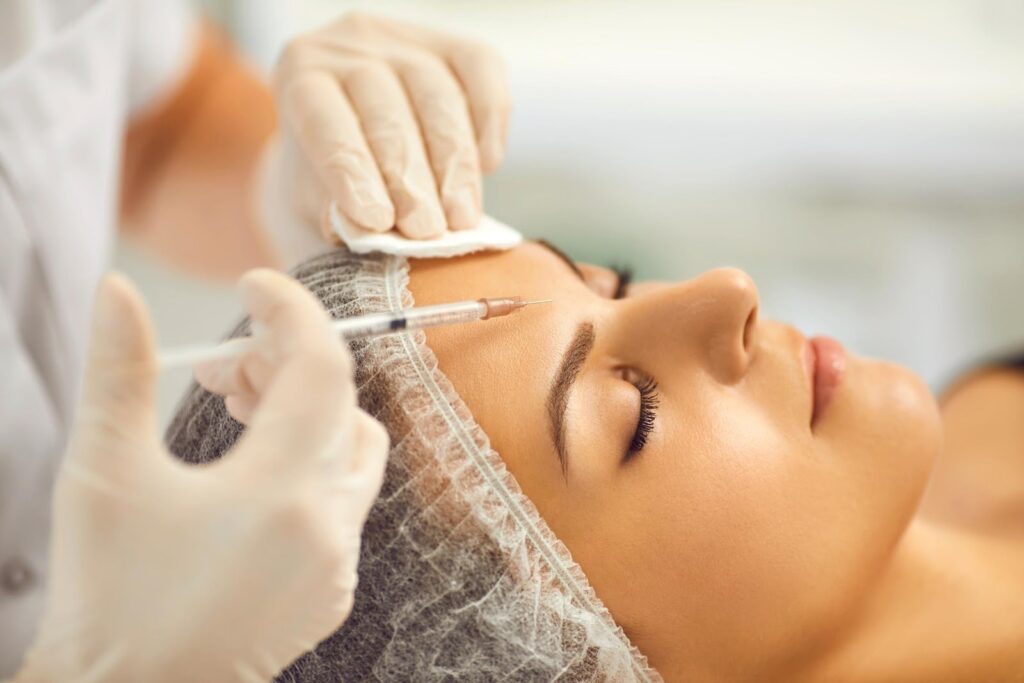
All images used under license from Canva. © APT Medical Aesthetics, 2026. All rights reserved.
Written Instructions Reinforce Verbal Education
Verbal aftercare education should always be supported by written instructions. Patients may forget details once they leave the clinic, especially if they are nervous or distracted.
Written aftercare materials should clearly outline what is normal, what is not, and how to contact the clinic in an urgent situation. These materials should be simple, direct, and easy to read.
Consistency between verbal and written instructions reduces confusion and liability.
Encouraging Patients to Reach Out Without Hesitation
One of the biggest barriers to early complication management is patient hesitation. Some patients worry about bothering the clinic, while others fear they are overreacting.
Injectors must explicitly tell patients that they would rather be contacted unnecessarily than too late. This reassurance removes the emotional barrier that often delays care.
Patients who feel supported are more likely to report symptoms early, when intervention is most effective.
The Role of Follow-Up in Aftercare
Proactive follow-up is an underutilized but powerful aftercare tool. A brief check-in message or call within the first day after treatment allows injectors to assess healing and reinforce education.
Follow-up communication also gives patients an opportunity to ask questions they may not have thought of initially. This strengthens the provider-patient relationship and demonstrates a high standard of care.

All images used under license from Canva. © APT Medical Aesthetics, 2026. All rights reserved.
When Patients Misinterpret Bruising or Swelling
Some patients may confuse bruising or swelling with more serious issues. This is why aftercare education must explain not just what to look for, but how symptoms behave.
Bruising typically darkens over time and is not associated with escalating pain. Swelling may feel tight but should gradually improve.
By explaining these patterns, injectors help patients distinguish between normal healing and signs that require attention.
A Clinical Scenario That Highlights the Value of Aftercare Education
A patient receives lip filler and leaves the clinic feeling well informed. That evening, she notices increasing pain and whitening along one side of her upper lip. Because her injector explained what to watch for and emphasized reaching out immediately, she contacted the clinic without delay.
The injector assesses the situation promptly, initiates appropriate protocols, and restores circulation before tissue damage occurs.
Without proper aftercare education, the patient might have waited until the next day, believing the symptoms were part of normal swelling. The outcome would have been very different.
How Aftercare Protects the Injector as Well
Strong aftercare protocols protect not only patients but also injectors. Clear documentation of aftercare education demonstrates professionalism and adherence to standards of care.
When patients are properly educated, complications are more likely to be reported early and managed successfully. This reduces the risk of adverse outcomes, complaints, and reputational harm.
Aftercare is a form of risk management that benefits everyone involved.
Why Aftercare Training Should Be Part of Injector Education
Many injector courses focus heavily on technique while spending little time on patient education and communication. This creates a gap between technical skill and real-world practice.
APT Injection Training recognizes that aftercare education is a clinical skill. Trainees learn how to communicate effectively, set expectations, and teach patients to recognize signs of vascular occlusion after filler.
This approach prepares injectors for the realities of practice rather than just the procedure itself.
Building Patient Trust Through Education
Patients who feel informed feel safe. When injectors take time to explain aftercare thoroughly, patients are more likely to trust recommendations, follow instructions, and return for future treatments.
Education transforms a transactional procedure into a professional relationship. It also reinforces the injector’s role as a healthcare provider rather than a cosmetic technician.
Why Lip Filler Aftercare Should Never Be Rushed
Time spent on aftercare education is an investment, not a delay. Rushed instructions increase the likelihood of misunderstandings and missed warning signs.
Injectors who prioritize aftercare demonstrate commitment to patient well-being. This sets a higher standard of care and differentiates skilled providers from those focused solely on volume.

All images used under license from Canva. © APT Medical Aesthetics, 2026. All rights reserved.
Final Thoughts
Lip filler aftercare is a critical component of safe aesthetic practice. Teaching patients how to recognize signs of vascular occlusion after filler empowers them to participate actively in their own care and dramatically improves outcomes when complications arise.
Clear communication, thoughtful education, and proactive follow-up protect patients, support early intervention, and strengthen trust. Injectors who treat aftercare as a clinical responsibility rather than an afterthought elevate both their practice and the standard of care within the industry.
APT Injection Training is committed to preparing healthcare professionals not only to inject safely, but to educate confidently and manage complications effectively. Our hands-on programs emphasize anatomy, risk recognition, and patient communication so injectors can practice with confidence and integrity.
Train with Ontario’s most trusted name in aesthetic education. Learn with confidence. Inject with purpose.
(289) 271-5718
✉️ info@aptinjectiontraining.com
aptinjectiontraining.com
Tips to be a
Successful Injector!
Free E-Book download