Student Log in
 1267 Cornwall Rd, Unit 300, Oakville, Ontario L6J 7T5

 (289) 271-5718
blog
Understanding Eyelid and Brow Ptosis – How to Prevent and Correct Botox Complications

Jan 05 2026
Reading Time: 7 Minutes
Author:
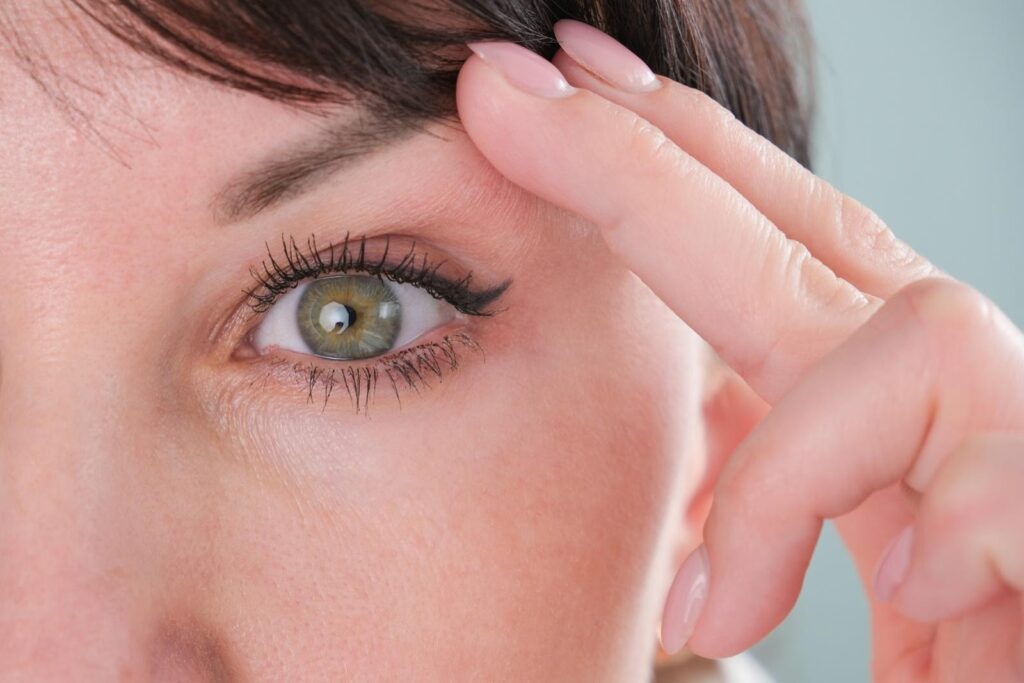
There is nothing more alarming for a patient than looking in the mirror a few days after their Botox treatment and realizing that one eyelid feels heavier, one brow seems to droop, or their expression looks slightly “off.” In the world of medical aesthetics, this is known as ptosis – and while it is temporary, it can be one of the most distressing side effects for both patients and injectors.
Ptosis happens when Botox spreads to unintended muscles that are responsible for lifting the eyelid or eyebrow. For patients, it can lead to a tired, uneven, or heavy appearance. For injectors, it serves as a reminder that neurotoxin injections are never a “simple” procedure – they are a precise medical treatment requiring deep anatomical knowledge, skilled technique, and excellent communication.
At APT Injection Training in Oakville, Ontario, we prepare healthcare professionals to prevent, identify, and manage complications like eyelid and brow ptosis with confidence. This blog will explore what ptosis is, why it occurs, how it can be corrected, and most importantly – how to prevent it through anatomy-based injector training.
All images used under license from Canva. © APT Medical Aesthetics, 2025. All rights reserved.
What Is Botox Ptosis – Understanding the Basics
The term ptosis refers to drooping, and when it comes to Botox, it most commonly affects either the upper eyelid or the eyebrow. While rare, these complications are important for every injector to understand.
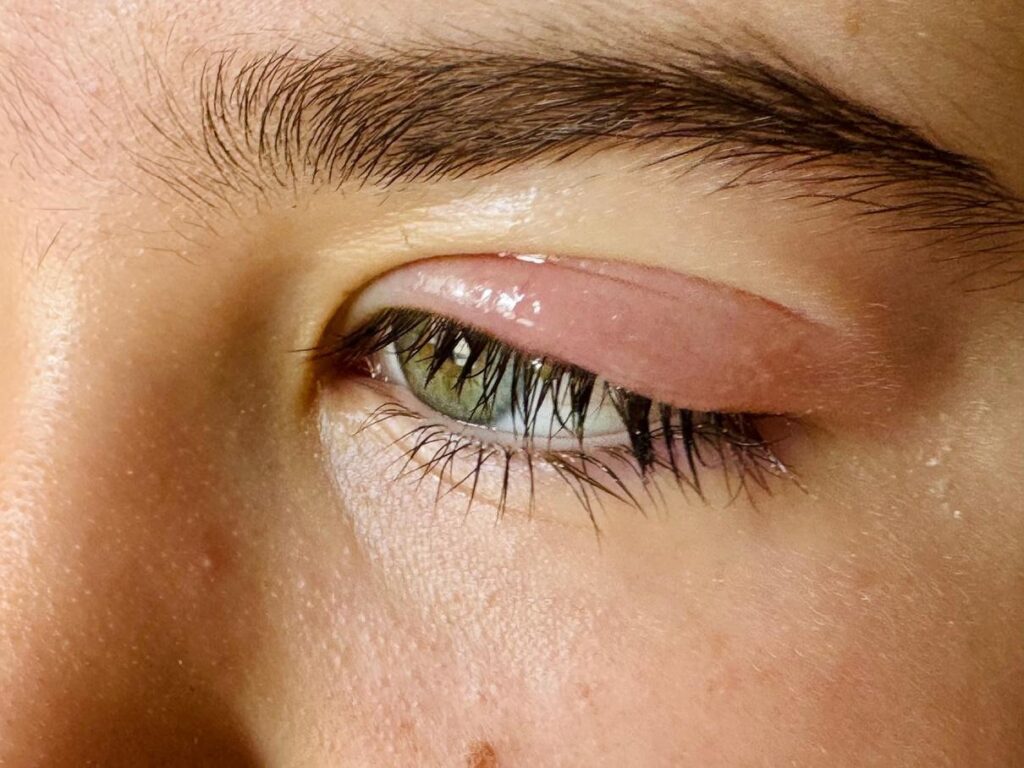
Eyelid ptosis occurs when Botox diffuses into the levator palpebrae superioris muscle, which is responsible for lifting the upper eyelid. When this muscle becomes weakened, one eyelid may appear lower than the other.
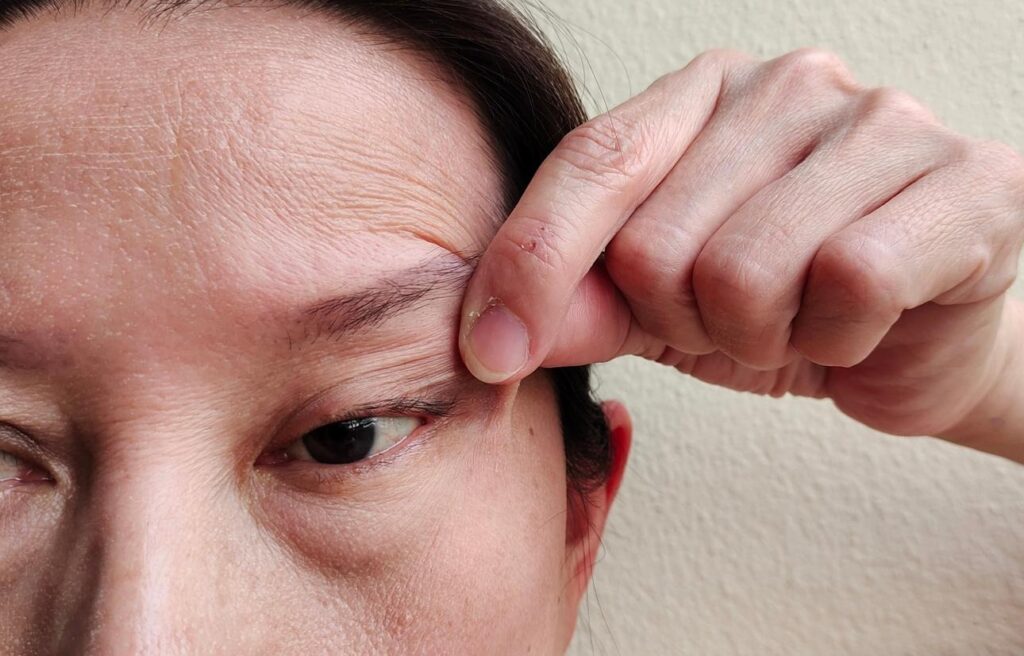
Brow ptosis occurs when Botox affects the frontalis muscle – the only elevator of the eyebrows. If this muscle is over-treated or injected too low, the brows can drop, creating a heavy or tired appearance.
Both types of ptosis can usually be prevented with the right technique, but when they do occur, they are temporary and will resolve as the Botox wears off.
Why Ptosis Happens – The Anatomy Behind It
The face is a complex network of muscles that work together to create expression. Understanding how these muscles interact is the foundation of every successful injection.
The frontalis muscle runs vertically across the forehead and lifts the eyebrows. When this muscle is weakened too much, especially in its lower region, the brows lose their lift – resulting in brow ptosis.
The corrugator and procerus muscles, located between the eyebrows, are responsible for frown lines. If Botox spreads too far upward from these areas, it can inadvertently affect the frontalis and cause heaviness.
The levator palpebrae superioris sits beneath the orbital septum and is responsible for elevating the upper eyelid. If Botox diffuses into this area (usually from injections placed too low near the orbital rim), eyelid ptosis may occur.
This is why precision, proper depth, and controlled dosing are critical. Even one millimeter of misplacement can change a patient’s result dramatically.
All images used under license from Canva. © APT Medical Aesthetics, 2025. All rights reserved.
The Difference Between Brow Ptosis and Eyelid Ptosis
While both are forms of drooping, they affect different areas and appear differently.
- Brow ptosis – The eyebrows sit lower than usual, creating heaviness over the upper lids. Patients may complain that their eyes look smaller or that applying eye makeup feels different.
- Eyelid ptosis – One or both upper eyelids physically droop. The patient may feel their vision is partially blocked or that one eye looks uneven compared to the other.
Recognizing which type of ptosis a patient is experiencing is essential for appropriate management and reassurance.
All images used under license from Canva. © APT Medical Aesthetics, 2025. All rights reserved.
How to Prevent Ptosis – Key Lessons from Injector Training
At APT Injection Training, we teach that prevention begins with three pillars – anatomy, assessment, and accuracy.
1. Deep Understanding of Anatomy
You must know exactly where each muscle begins, ends, and interacts with its neighbors. The frontalis, corrugator, procerus, and orbicularis oculi all overlap in subtle but important ways. Training helps injectors visualize these relationships before injecting.
2. Proper Injection Placement
For forehead lines, injections should stay within the safe zones of the frontalis, avoiding overly low placement that could impact brow elevation. Similarly, injections around the glabella must be controlled to prevent spread near the levator muscles.
3. Controlled Dosing and Dilution
Over-dilution or excessive dosing increases the risk of diffusion. Less is often more, especially in smaller muscles or patients with lower muscle mass.
4. Patient Positioning and Technique
Keeping patients upright during injection, using small aliquots, and avoiding excessive manipulation of the area afterward all help reduce the chance of migration.
A Real-Life Lesson – The Importance of Precision
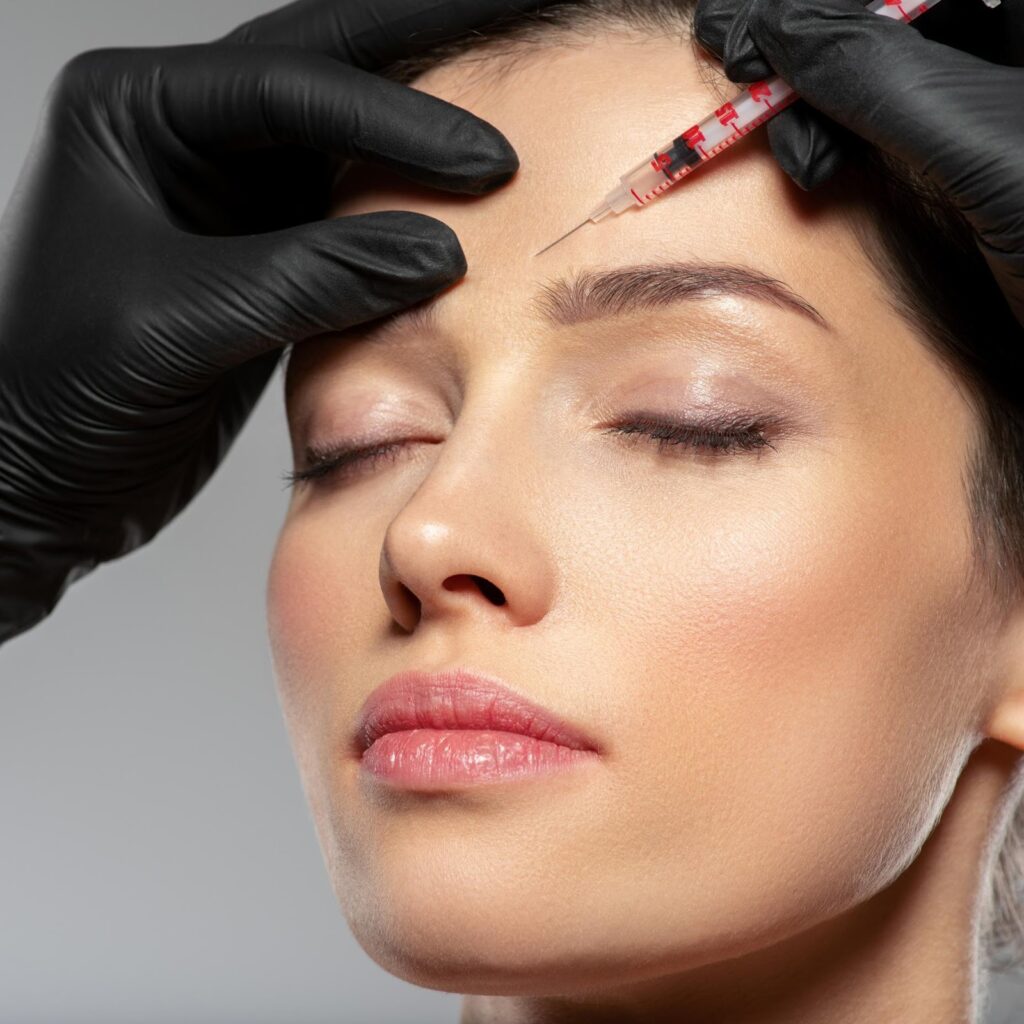
One of our instructors recalls an early experience with a patient who wanted smoother forehead lines and lifted brows. The injector, eager to achieve an impressive lift, placed injections too low on the frontalis and used slightly too much product.
Two weeks later, the patient returned feeling that her eyes looked heavy and her brows had dropped. While the situation was temporary and resolved after a few weeks, it left a lasting impression on the injector – every millimeter matters.
All images used under license from Canva. © APT Medical Aesthetics, 2025. All rights reserved.
This story is a powerful reminder that precision and restraint are as important as technical skill. The injector learned to map muscle movement carefully and tailor dosing conservatively for each face, a principle now central to all APT training.
How to Manage Ptosis When It Happens
Despite the best prevention efforts, ptosis can still occur occasionally. Knowing how to handle it with professionalism and care is key.
For eyelid ptosis
- Reassure the patient that the condition is temporary and will resolve as the toxin wears off.
- Prescribe apraclonidine or oxymetazoline eye drops, which can temporarily lift the eyelid by stimulating the Müller’s muscle.
- Avoid re-injecting the area until the effect has completely worn off.
For brow ptosis
- Do not attempt to fix with additional forehead Botox – this will worsen the issue.
- Consider using small doses in the lateral orbicularis oculi to lift the tail of the brow.
- Reassure the patient that the effect will fade within weeks to months.
The most important factor in managing ptosis is communication. Patients who understand that Botox is temporary and reversible are far more likely to remain calm and trusting.
How Injector Training Builds Confidence in Managing Complications
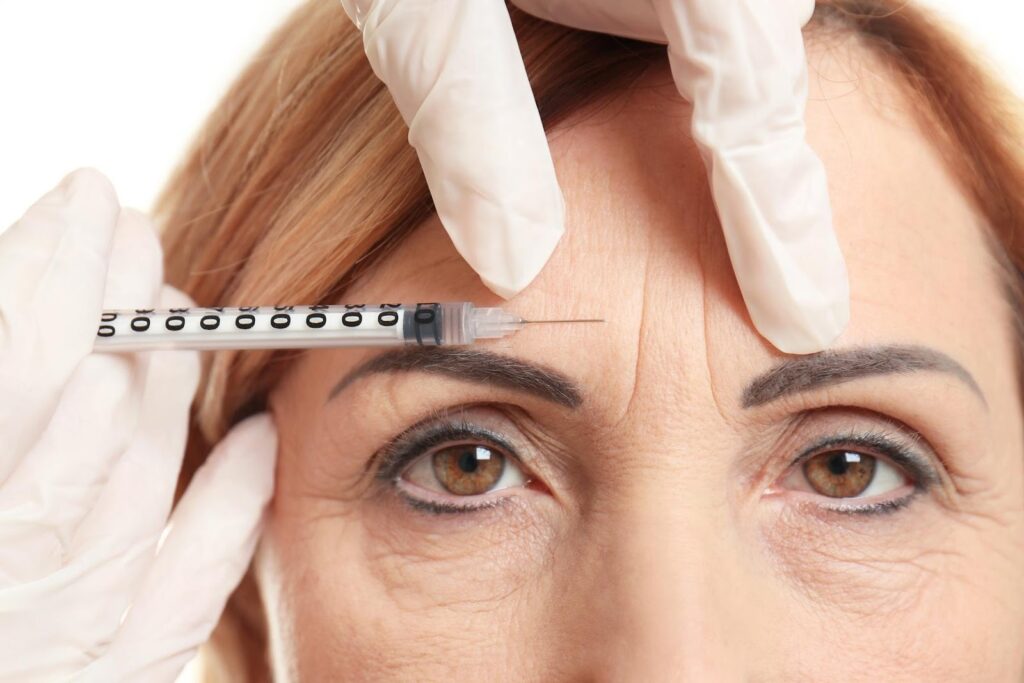
APT Injection Training’s programs are designed not just to teach how to perform injections but to prepare healthcare professionals for real-world practice. Our Botox and filler courses combine classroom learning with hands-on sessions that focus on anatomy, technique, and complication management.
Trainees learn how to:
- Identify high-risk areas for ptosis and avoid them
- Tailor injection techniques for different facial structures
- Use appropriate dilution and dosing strategies
- Recognize early signs of complications and address them safely
The goal is to ensure every graduate can not only deliver beautiful results but also manage any complication calmly and effectively.
All images used under license from Canva. © APT Medical Aesthetics, 2025. All rights reserved.
FAQ – Common Questions About Botox Ptosis
How common is ptosis after Botox
It is relatively rare, occurring in less than 2 percent of treatments when performed by trained professionals.
How long does Botox ptosis last
Most cases resolve within 3 to 6 weeks as the effects of Botox wear off.
Can ptosis be prevented
Yes. Proper anatomy-based training, conservative dosing, and precise injection technique greatly reduce the risk.
Can I still perform injections if a patient has had ptosis in the past
Yes, but always take extra care with placement and dose. Document past complications and adjust accordingly.
All images used under license from Canva. © APT Medical Aesthetics, 2025. All rights reserved.
A Question for You
If a patient developed brow ptosis after treatment, would you know exactly which muscle caused it – and how to correct it without making things worse?
That question highlights the difference between injectors who practice by rote and those who practice with mastery.
Final Thoughts
Ptosis may be a temporary complication, but its impact often extends beyond the physical. For patients, even a small droop in the eyelid or brow can affect how they feel about their appearance, their confidence, and their trust in aesthetic treatments. For injectors, it serves as a powerful reminder that every injection carries responsibility. One moment of inattention or a lack of anatomical awareness can lead to an unwanted outcome, while one well-placed, carefully considered injection can completely transform how a patient sees themselves.
The best way to prevent and manage complications such as ptosis lies in mastering three core principles – a strong understanding of facial anatomy, the consistent application of careful technique, and open, transparent communication with patients. A confident injector not only knows where to inject but also understands why they are injecting a specific point, how muscles interact, and what subtle adjustments can make the difference between a good and an exceptional result. Communication is equally vital. When patients feel educated and supported, even minor side effects are easier to navigate together with trust and professionalism.
At APT Injection Training in Oakville, we believe that education is empowerment. Every healthcare professional entering the field of medical aesthetics deserves to feel fully prepared before performing injections on patients. Our comprehensive Botox and dermal filler training courses are designed for nurses, physicians, and other regulated healthcare professionals who want to combine artistry with safety. Led by industry leaders with over two decades of experience, our hands-on courses teach more than just injection techniques – they teach confidence, precision, and ethical practice.
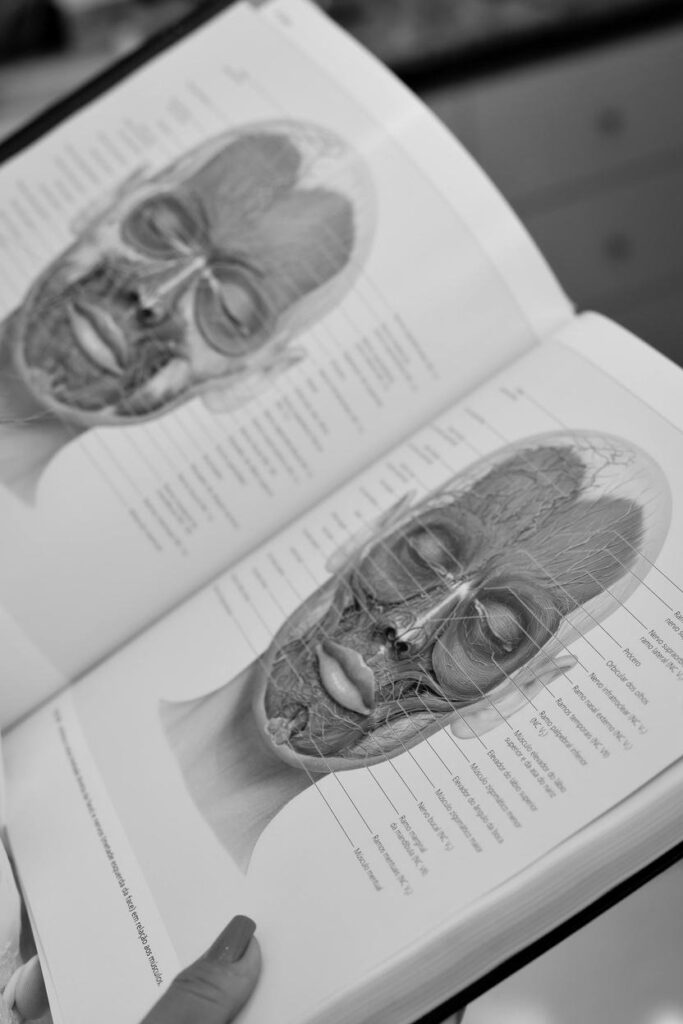
APT’s approach ensures that every trainee learns how to perform aesthetic treatments with the highest standards of care. From understanding facial mapping and muscle balance to developing strategies for complication management, our curriculum builds the foundation for a successful and sustainable career in aesthetics.
All images used under license from Canva. © APT Medical Aesthetics, 2025. All rights reserved.
Whether you are just beginning your journey or expanding your existing skills, APT Injection Training offers the mentorship, clinical experience, and real-world insight needed to excel. Train with Ontario’s most trusted name in aesthetic education – Learn with confidence – Inject with purpose.
(289) 271-5718
✉️ info@aptinjectiontraining.com
aptinjectiontraining.com
Tips to be a
Successful Injector!
Free E-Book download