Student Log in
 1267 Cornwall Rd, Unit 300, Oakville, Ontario L6J 7T5

 (289) 271-5718
blog
Vascular Occlusion and Lip Filler – Why the Lips Are the Highest-Risk Injection Area
Feb 16 2026
Reading Time: 5 Minutes
Author:
- Recognizing early signs of ischemia
- Differentiating normal post-injection changes from emergencies
- Highly vascular
- Supplied by multiple arterial branches
- Superficial in structure
- Constantly mobile
- Confined to a small treatment area
- Often treated with high patient expectations
- Significant anatomical variation between patients
- Arteries that may run superficial, deep, or intramuscular
- Frequent anastomoses
- Proximity to common injection points
- Small vessel diameter with limited collateral flow
- Tissue ischemia
- Skin necrosis
- Scarring
- Infection
- Functional impairment
- Permanent cosmetic damage
- Small vessel caliber
- Limited collateral circulation
- High tissue metabolic demand
- Constant movement that increases tissue stress
- Thin skin and mucosa
- Minimal subcutaneous fat for cushioning
- The vermilion border
- The wet-dry junction
- The philtrum columns
- The oral commissures
- The central upper lip
- Understanding tissue layers
- Knowing which planes are safer for different lip zones
- Adjusting technique based on patient anatomy
- Avoiding blind injections
- Compress vessels externally
- Enter vascular structures through force
- Displace filler into dangerous planes
- Cause ischemia in confined spaces
- Previous filler treatments
- Scar tissue or fibrosis
- Vascular fragility
- Thin tissue planes
- High vascular variability
- Aggressive treatment goals
- Recognizing early signs of ischemia
- Differentiating normal post-injection changes from emergencies
Lip filler remains one of the most requested aesthetic treatments worldwide. Patients seek enhanced shape, improved symmetry, and youthful volume. Many view the lips as a simple starting point for cosmetic injectables. Yet for injectors, the lips represent the most complex and high-risk area of the face to treat with dermal filler.
Among all filler complications, vascular occlusion associated with lip filler is one of the most serious emergencies an injector can face. Understanding why the lips carry such high risk requires more than surface-level anatomy. It demands a deep appreciation of arterial supply, tissue planes, injection depth, and the consequences of intravascular compromise.
This blog explores why vascular occlusion lip filler cases occur more frequently in the lips. It also covers how lip anatomy contributes to this risk. Finally, it explains why advanced anatomical training is essential for anyone performing lip injections.

All images used under license from Canva. © APT Medical Aesthetics, 2026. All rights reserved.
Why Lip Filler Carries a Higher Risk Than Other Facial Areas
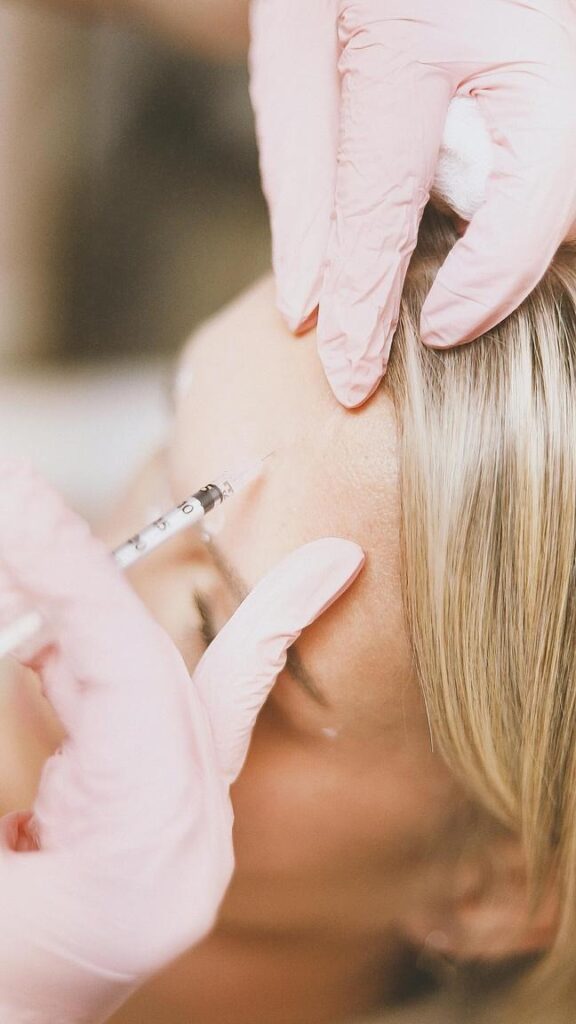
Not all filler injection sites carry the same level of risk. Regions such as the cheeks or jawline often allow for safer planes. The lips, however, present a unique combination of challenges. These challenges increase the likelihood of vascular compromise.
The lips are:
These factors create a narrow margin for error. Even small deviations in technique, depth, or product placement can result in vascular occlusion lip filler events. Such events can have potentially devastating outcomes.
All images used under license from Canva. © APT Medical Aesthetics, 2026. All rights reserved.
The Arterial Supply of the Lips – A High-Stakes Landscape
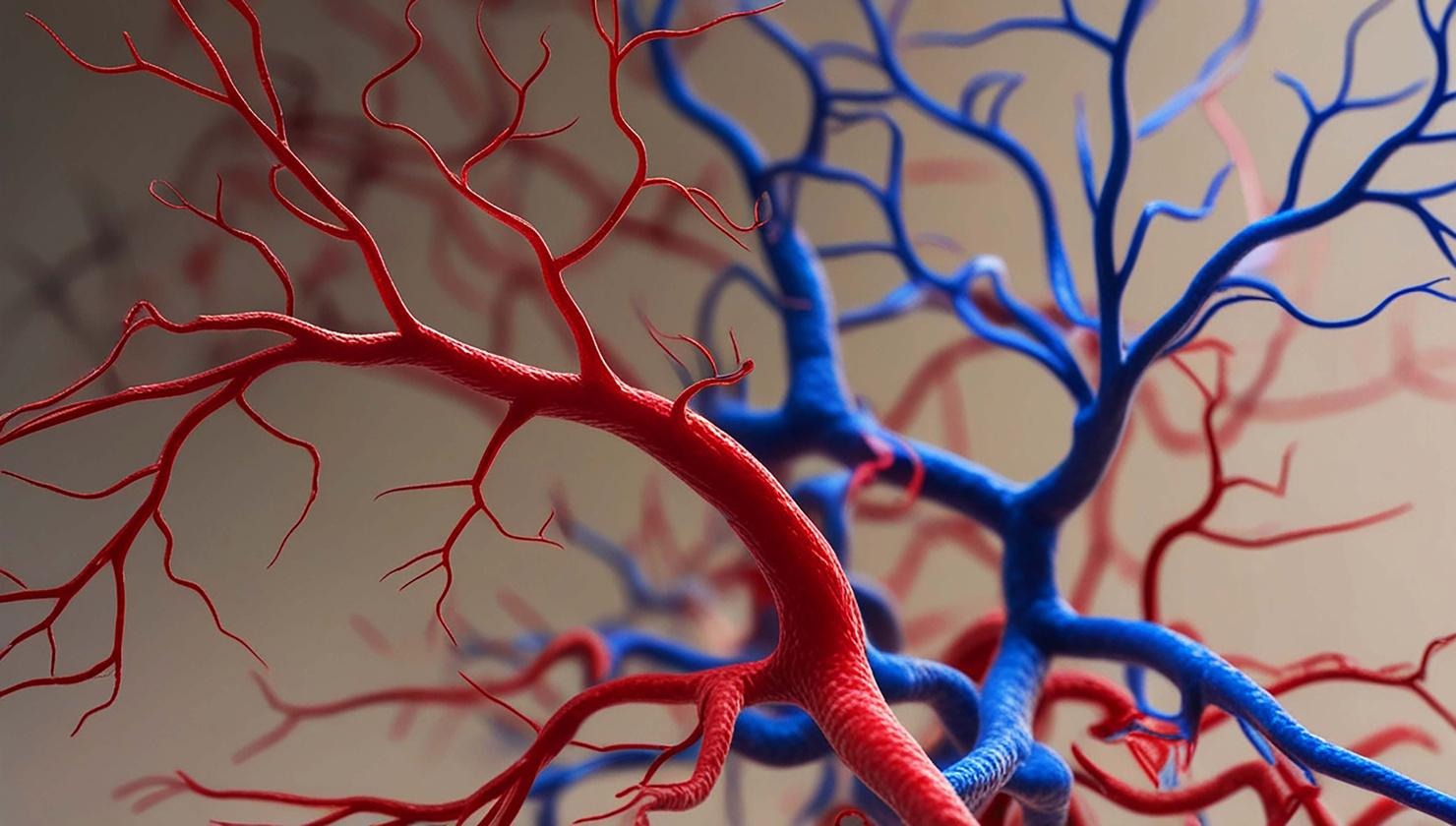
The primary reason the lips are high risk lies in their arterial anatomy. The superior and inferior labial arteries branch from the facial artery. They course through the lips in a highly variable pattern.
Key features of labial arterial anatomy include the following.
Unlike deeper facial arteries, the labial arteries are often located within the same planes injectors target for filler placement. This overlap increases the chance of intravascular injection or external compression.
In many patients, the superior labial artery may course closer to the vermilion border. In others, it may sit deeper near the orbicularis oris muscle. Without advanced anatomical training, injectors may falsely assume a consistent arterial location that does not exist.
All images used under license from Canva. © APT Medical Aesthetics, 2026. All rights reserved.
Why Vascular Occlusion Lip Filler Is So Dangerous
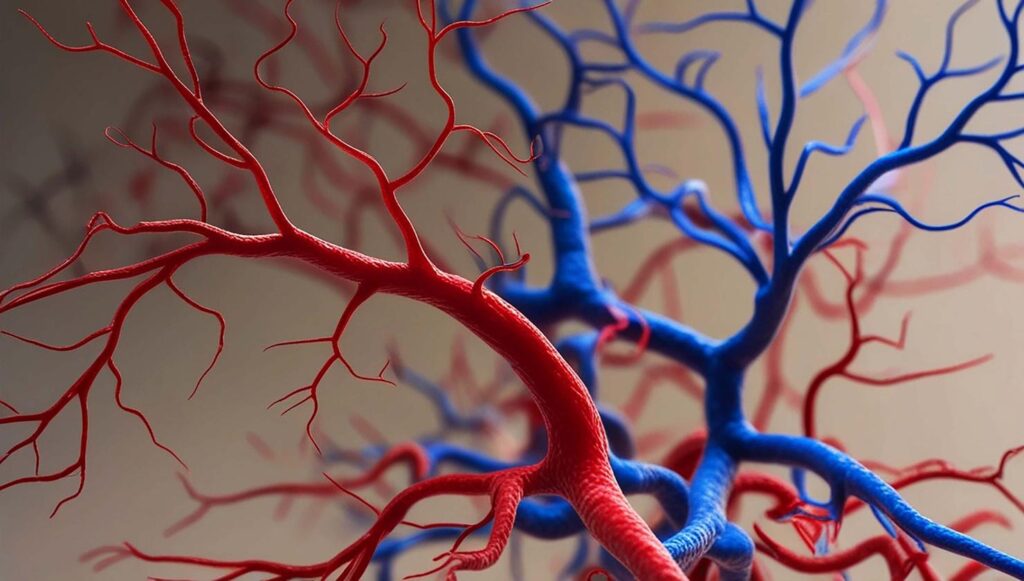
Vascular occlusion occurs when filler obstructs blood flow. This can happen by direct intravascular injection or by compressing a vessel externally. In the lips, both mechanisms are possible due to the confined space and dense vascular network.
When blood flow is compromised, tissues are deprived of oxygen. If untreated, this can lead to the following complications.
The lips have limited tolerance for ischemia. The tissue is thin and highly metabolic, so damage can occur rapidly. This makes early recognition and immediate management critical.
Why the Lips Are Less Forgiving Than Other Areas
Other regions of the face may have more robust collateral circulation. This allows alternative blood flow routes to compensate temporarily. The lips do not always have this luxury.
Several factors reduce the lips’ ability to tolerate vascular compromise, including the following.
As a result, even partial occlusions can produce visible and painful symptoms quickly.
Common Injection Zones That Increase Risk
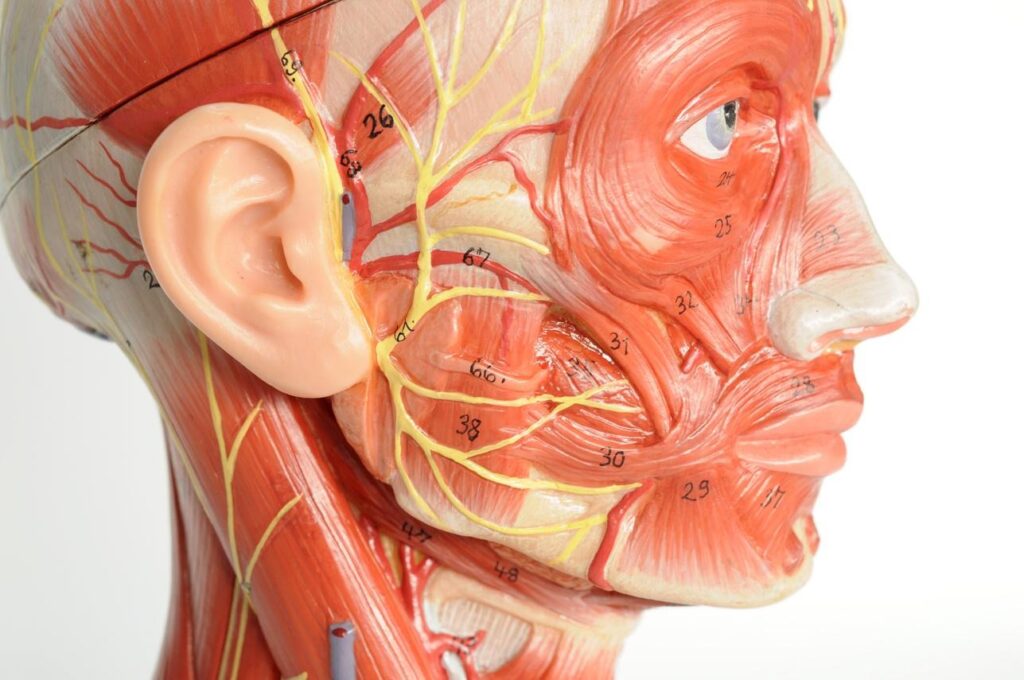
Certain lip injection areas carry higher risk due to arterial proximity, including the below.
Many aesthetic goals require precision in exactly these zones. Examples include defining the cupid’s bow or enhancing lip borders. Without anatomical mastery, injectors may unintentionally place filler too close to labial arteries.
This is why training that focuses solely on technique is insufficient. Deep anatomical education is essential for safe lip filler practice.
All images used under license from Canva. © APT Medical Aesthetics, 2026. All rights reserved.
Depth Matters More Than Volume
One common misconception among new injectors is that small volumes equal low risk. In reality, depth is often more important than volume for vascular occlusion lip filler complications.
Injecting a small amount of filler intravascularly can be just as dangerous as injecting a large amount. Likewise, superficial injections may compress vessels against rigid structures. This compromises blood flow even without direct vessel entry.
Safe practice requires the below.
This level of skill cannot be developed through observation alone. It requires structured, hands-on education.

All images used under license from Canva. © APT Medical Aesthetics, 2026. All rights reserved.
Why Cannula Use Does Not Eliminate Risk
Some injectors assume that using a cannula automatically reduces the risk of vascular occlusion. While cannulas may reduce the likelihood of penetrating a vessel, they do not eliminate risk entirely.
Cannulas can still:
In the lips, vessels are small and superficial. Cannula technique requires just as much anatomical understanding as needle use. Training must focus on appropriate device selection rather than false reassurance.
Patient Factors That Increase Risk
Not all patients present the same level of risk for vascular occlusion lip filler events. Certain factors may increase susceptibility, including
Patients requesting dramatic lip enhancement may unknowingly push injectors toward higher-risk techniques. Ethical practice means understanding when to say no. It also means modifying treatment plans for safety.
The Psychological Pressure of Lip Filler
Lip filler carries emotional and aesthetic weight. Patients are often highly focused on symmetry, shape, and fullness. This pressure can lead injectors to overcorrect or work in unsafe planes to meet expectations.
Experienced injectors understand that safety must override trend-driven aesthetics. Natural results achieved gradually are far safer than aggressive single-session treatments.
Why Formal Complication Training Is Essential
Understanding anatomy alone is not enough. Injectors must be trained to recognize and respond to vascular occlusion immediately.
Complication readiness includes
Tips to be a
Successful Injector!
Free E-Book download