Student Log in
 1267 Cornwall Rd, Unit 300, Oakville, Ontario L6J 7T5

 (289) 271-5718
blog
Hooded Eyes After Botox – Understanding Anatomy and Technique to Prevent It

Dec 12 2025
Reading Time: 7 Minutes
Author:
For most patients, Botox is synonymous with smooth foreheads, refreshed eyes, and a youthful, rested appearance. But for a small percentage of individuals, the opposite can occur – instead of lifted brows and bright eyes, they notice their upper eyelids looking heavier, the eyes appearing smaller, or makeup suddenly harder to apply. This condition is known as an eyelid ptosis after Botox.
While it is temporary, it can be unsettling for patients and stressful for injectors. The good news is that with the right training, understanding of anatomy, and careful technique, this side effect is entirely preventable. For injectors, mastering the art of balance in the upper face is one of the most important skills in aesthetics.
At APT Injection Training in Oakville, Ontario, we teach healthcare professionals to go beyond the basics of injection mapping. Our training emphasizes anatomy, assessment, and technique refinement to help injectors perform Botox safely and confidently. In this blog, we will explain what causes hooded eyes after Botox, how to prevent it, and what to do if it happens.

All images used under license from Canva. © APT Medical Aesthetics, 2025. All rights reserved.
What Does “Hooded Eyes After Botox” Mean
Hooded eyes occur when the upper eyelid appears heavier or less open than usual. Some patients describe feeling as though their eyes look more tired or that their eyelids “dropped” after treatment.
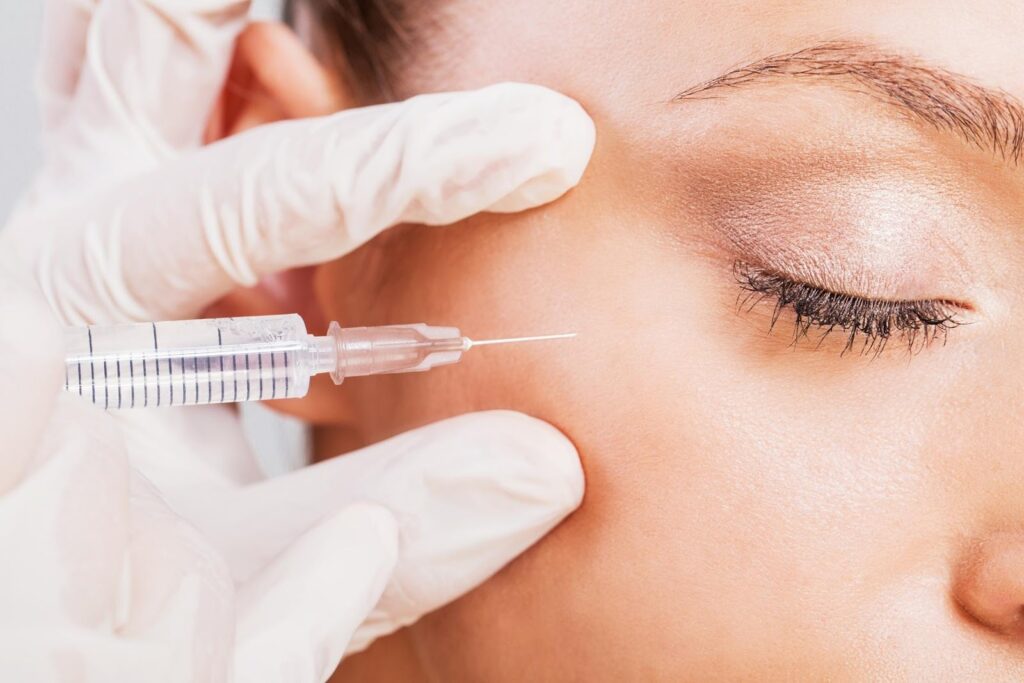
In many cases, this happens because the frontalis muscle – the only muscle that lifts the eyebrows – has been overtreated or injected too low. When this muscle is weakened too much, it cannot lift the brows effectively. As a result, the skin above the eyes drapes downward, creating the appearance of heaviness or “hooded” eyelids.
For some patients, the effect is mild and resolves quickly. For others, especially those who already have naturally low brows or excess eyelid skin, the change can feel more noticeable.
All images used under license from Canva. © APT Medical Aesthetics, 2025. All rights reserved.
Why Hooded Eyes Happen – The Anatomy Behind It
Understanding why this happens begins with understanding how the upper face muscles work together.
- The frontalis – Elevates the eyebrows and forehead skin.
- The corrugator and procerus – Pull the brows inward and downward when frowning.
- The orbicularis oculi – Closes the eyelids and contributes to squinting.
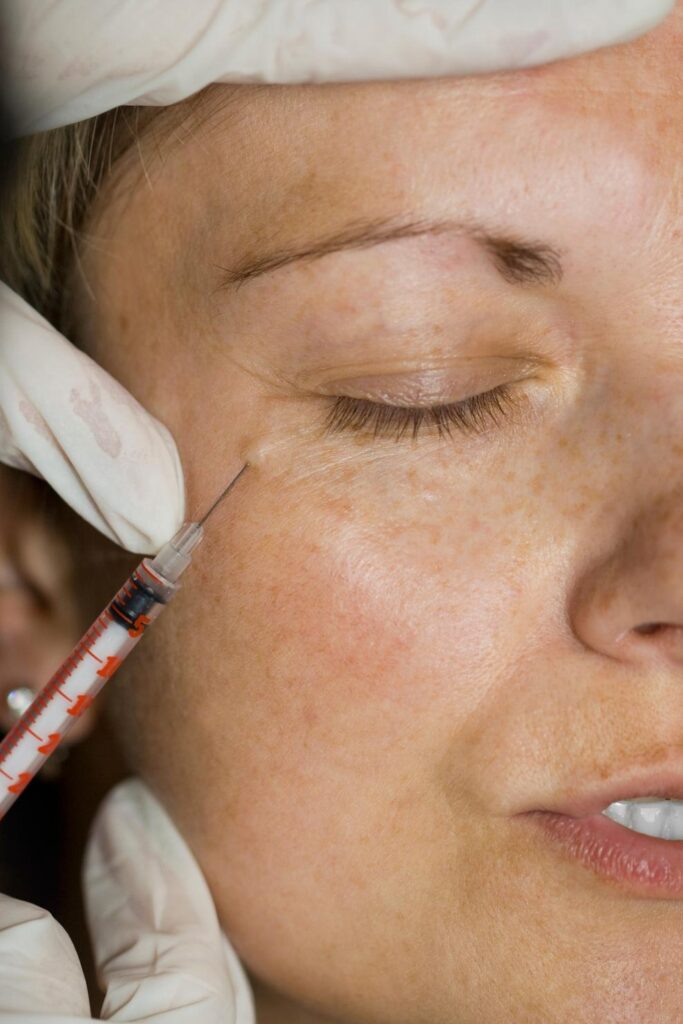
When treating the forehead, injectors often target the frontalis to soften horizontal lines. However, the frontalis is also responsible for lifting the eyebrows. If too much product is placed too low on this muscle, or if the injector does not balance the opposing muscles correctly, the brows can drop – leading to hooding.
This effect can be amplified in patients with pre-existing brow ptosis, heavier eyelids, or weaker frontalis strength.
All images used under license from Canva. © APT Medical Aesthetics, 2025. All rights reserved.
How to Prevent Hooded Eyes After Botox
Preventing this complication requires a combination of anatomical knowledge, patient assessment, and refined technique. In APT’s hands-on training programs, we teach injectors how to apply these principles in real-world scenarios.
1. Understand the Patient’s Anatomy
Every patient’s brow and eyelid structure is different. Assess brow position, eyelid skin, and forehead height before treatment. Patients with naturally low brows or heavy lids require conservative dosing in the frontalis.
2. Avoid Overtreating the Frontalis
Remember that the frontalis is the only elevator muscle for the brows. Weakening it too much or injecting too low removes the lifting support. Focus on the upper third of the forehead for safe placement.
3. Balance Opposing Muscles
When treating glabellar lines, balance the corrugator and procerus without over-inhibiting the frontalis. This ensures that downward pull does not overpower the upward lift.
4. Use Conservative Dosing
Start with lower units and adjust in follow-ups if needed. Over-correction is more difficult to manage than under-treatment.
5. Assess Movement Before and After
Have patients raise their eyebrows during assessment to map active zones. Observing natural muscle movement helps guide safe injection points.
6. Proper Patient Positioning
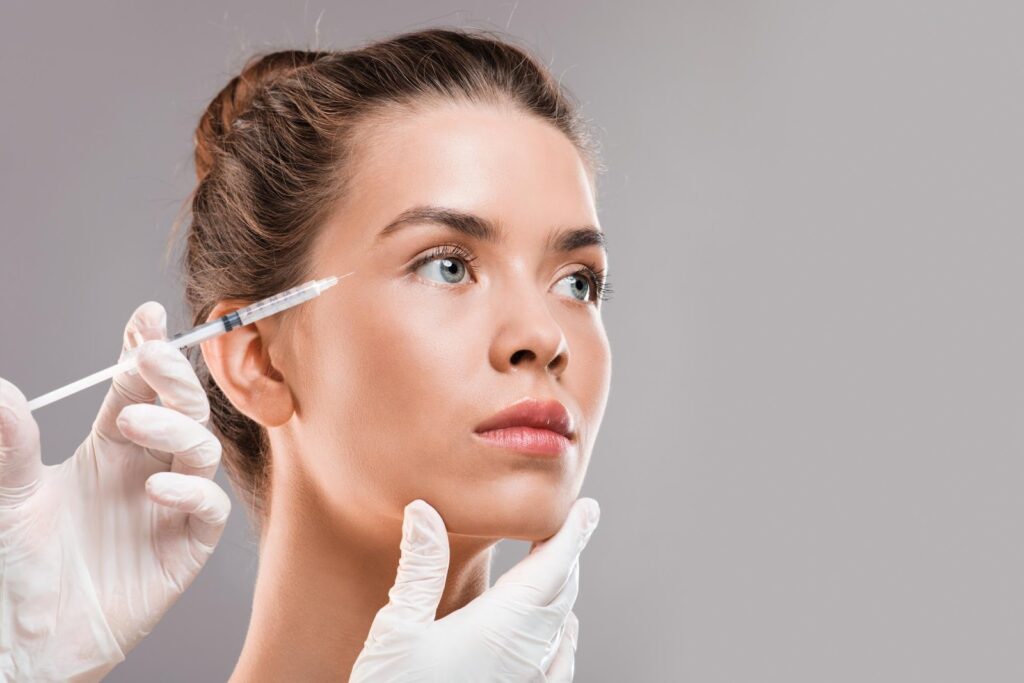
Inject with the patient in an upright position whenever possible. This allows the injector to see natural brow movement and avoid misjudging placement.
All images used under license from Canva. © APT Medical Aesthetics, 2025. All rights reserved.
A Real-Life Example – When Technique Teaches a Lesson
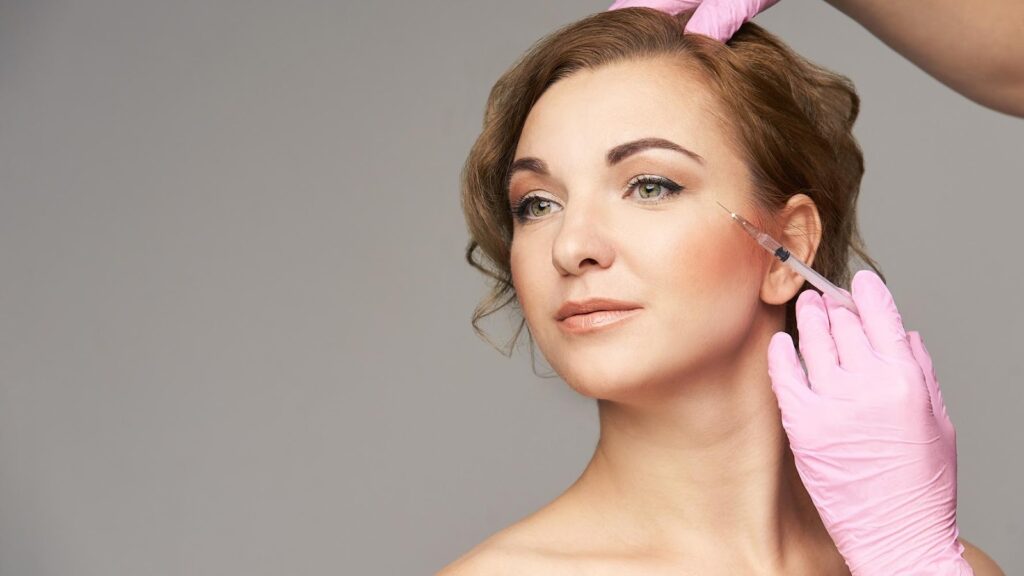
One of our instructors recalls a patient who wanted to smooth her forehead lines but requested that her brows stay lifted. The injector, eager to help, placed too many units across the lower frontalis, unknowingly suppressing her natural lift. Two weeks later, the patient returned, feeling that her eyes looked “heavier” and that applying eye shadow was more difficult.
The injector immediately recognized what had happened – too much product in the lower frontalis. Thankfully, the effect was temporary, and within a few weeks, her expression returned to normal. That experience became an invaluable teaching moment, reinforcing the importance of conservative dosing and understanding how even a few millimeters in placement can change a patient’s appearance.
This is the kind of insight that only comes with experience and proper training – and it is exactly what APT emphasizes in its courses.
All images used under license from Canva. © APT Medical Aesthetics, 2025. All rights reserved.
How to Correct Hooded Eyes After Botox
Once hooding occurs, there is no instant fix because Botox must naturally wear off over time. However, there are strategies to help patients manage the appearance while waiting for the effects to fade.
1. Reassure the Patient
Explain that this is a temporary side effect that will resolve as muscle activity returns – typically within 8 to 12 weeks.
2. Use Targeted Eye Drops
Prescription drops such as apraclonidine or oxymetazoline can temporarily lift the eyelid by stimulating Müller’s muscle, creating a more open appearance.
3. Avoid Adding More Botox
Adding more product in an attempt to correct the issue will likely make it worse. Instead, allow the area to recover naturally.
4. Supportive Treatments
Patients can use gentle facial exercises or skincare products designed to lift and tighten the upper eye area while waiting for improvement.
5. Follow-Up and Documentation
Document the event thoroughly and use it as a learning tool for future patient assessments. Tracking patterns helps identify who may be at higher risk for recurrence.
Why Training Prevents Complications Like Hooded Eyes
Many cases of heavy eyebrows or hooded eyes after Botox stem from a lack of anatomical understanding rather than poor product performance. This is why proper injector training is essential for all healthcare professionals entering the field.
At APT Injection Training, we focus on helping trainees master facial anatomy through
- Comprehensive education – Understanding how muscles interact dynamically.
- Hands-on experience – Practicing on live models under expert supervision.
- Patient assessment – Learning to evaluate brow position, skin laxity, and muscle strength.
- Complication management – Knowing what to do when things don’t go as planned.
By building confidence through education and practice, injectors can prevent complications before they happen and manage them effectively if they arise.
Common Mistakes to Avoid
Even skilled injectors can make errors without careful planning. Some of the most frequent mistakes include
- Injecting too low in the forehead and over-relaxing the frontalis.
- Using identical dosing for every patient instead of customizing treatment.
- Ignoring pre-existing asymmetry or brow heaviness.
- Over-treating the glabella without balancing the forehead.
These mistakes highlight why individualized treatment planning is essential. No two faces are the same, and no single injection map works for everyone.
FAQ – Common Questions About Hooded Eyes After Botox
Can hooded eyes after Botox be fixed immediately
No. The condition improves naturally as the Botox wears off, usually within two to three months. Eye drops can offer temporary relief.
How can injectors avoid this complication
By learning facial anatomy in depth and using conservative, strategic dosing in the forehead. Proper injector training significantly reduces the risk.
Will this happen again with future treatments
Not necessarily. Once the injector understands the patient’s anatomy and adjusts technique, future treatments can produce ideal results.
Can Botox make eyelids permanently droopy
No. Botox is temporary, and its effects always wear off completely.
All images used under license from Canva. © APT Medical Aesthetics, 2025. All rights reserved.
A Question for You
If a patient came to you worried that their eyelids looked heavier after treatment, would you be able to identify exactly which muscle caused it – and how to adjust your next treatment plan to prevent it from happening again?
That knowledge is what separates a good injector from a great one.
Final Thoughts
Hooded eyes after Botox may be temporary, but for patients, it can be unsettling. For injectors, it is a reminder that every face is unique and that even a small adjustment in technique can change everything. Understanding the anatomy of the upper face, respecting muscle balance, and using conservative doses are the foundations of safe, natural results.
At APT Injection Training in Oakville, we believe that the best injectors are those who never stop learning. Our hands-on Botox and filler training courses for nurses, physicians, and other regulated healthcare professionals focus on anatomy, safety, and real-world application. We teach you not only how to deliver beautiful results but how to prevent and manage complications with skill and confidence.
Train with Ontario’s most trusted name in aesthetic education – Learn with confidence – Inject with purpose.
(289) 271-5718
✉️ info@aptinjectiontraining.com
aptinjectiontraining.com
Tips to be a
Successful Injector!
Free E-Book download