Student Log in
 1267 Cornwall Rd, Unit 300, Oakville, Ontario L6J 7T5

 (289) 271-5718
blog
How to Reverse a Droopy Eyelid from Botox – What Every Injector Should Know About Complication Management

Dec 12 2025
Reading Time: 7 Minutes
Author:
Few things make a patient more anxious than looking in the mirror after a Botox treatment and realizing that one of their eyelids is drooping. The medical term for this is ptosis, and while it is temporary, it can be distressing for both patients and injectors. A droopy eyelid after Botox can alter facial balance, make the eyes appear smaller, and affect a patient’s confidence – especially if they were expecting a refreshed, lifted look.
For injectors, understanding how to prevent, identify, and manage this complication is a crucial part of safe practice. Botox, though highly effective, demands precision, anatomical awareness, and patience. When injectors know how to respond appropriately, they can turn a stressful situation into a moment that strengthens patient trust.
At APT Injection Training in Oakville, Ontario, we teach healthcare professionals how to handle complications such as droopy eyelids with confidence and professionalism. This blog will explore what causes Botox-related ptosis, how to recognize and manage it, and how proper complication management training ensures the highest standard of patient care.
All images used under license from Canva. © APT Medical Aesthetics, 2025. All rights reserved.
Understanding Droopy Eyelids After Botox
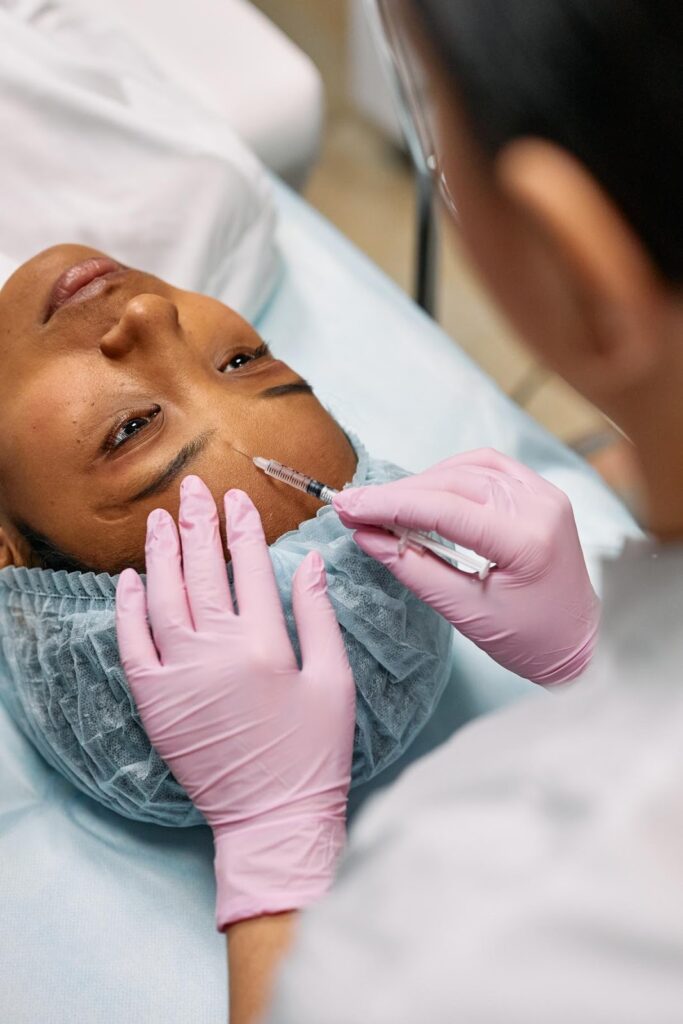
A droopy eyelid, or eyelid ptosis, happens when the upper eyelid sits lower than normal after treatment. Patients might describe it as their eye feeling “heavy” or looking more closed than the other. In most cases, this occurs because Botox has spread beyond the intended area, temporarily affecting the levator palpebrae superioris muscle – the muscle responsible for lifting the upper eyelid.
When this muscle becomes weakened, it cannot fully raise the eyelid, leading to asymmetry. Although it can look dramatic, the condition is temporary and resolves as the effects of Botox wear off. The key for injectors is knowing how to handle the situation calmly and effectively to reassure the patient and restore confidence.
All images used under license from Canva. © APT Medical Aesthetics, 2025. All rights reserved.
Why Droopy Eyelids Happen – The Anatomy Behind Botox Ptosis
The upper face is a complex network of small, overlapping muscles. To prevent complications, injectors must understand not just where to inject, but how those muscles interact.
- The frontalis lifts the brows and forehead.
- The corrugator and procerus create frown lines by pulling downward and inward.
- The levator palpebrae superioris lifts the eyelid.
If Botox spreads too low into the orbital area while treating the glabella or forehead, it can affect the levator palpebrae superioris. This diffusion weakens the lifting function, resulting in eyelid droop.
Factors that increase risk include
- Injecting too close to the orbital rim
- Overdosing or over-diluting the product
- Massaging the area immediately after treatment
- Patient anatomy variations or pre-existing asymmetry
Through advanced training, injectors learn to adjust their technique to minimize these risks for every unique face they treat.
All images used under license from Canva. © APT Medical Aesthetics, 2025. All rights reserved.
Recognizing Early Signs of Botox-Induced Ptosis
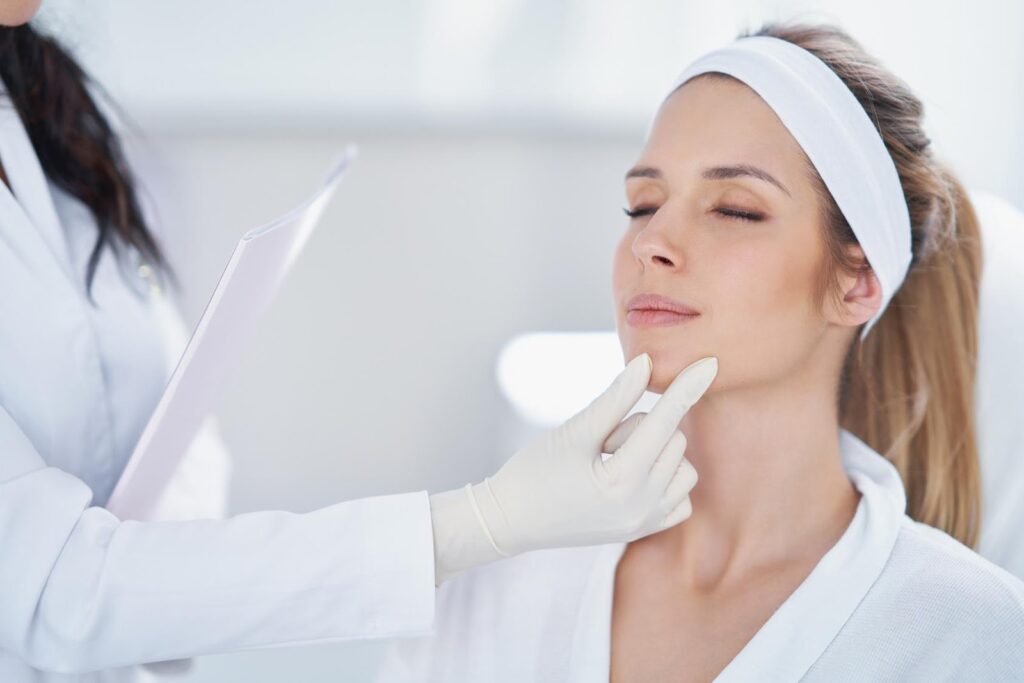
Botox ptosis usually becomes noticeable within 3 to 7 days after treatment, once the toxin begins to take effect. Patients may report
- A heavy sensation in one or both eyelids
- Difficulty keeping one eye fully open
- Uneven or tired appearance
- Subtle changes in eyebrow height
Early recognition is important. When injectors understand these signs, they can provide timely reassurance and supportive care. Patients who are educated about what to expect before treatment are also less likely to panic if this happens.
All images used under license from Canva. © APT Medical Aesthetics, 2025. All rights reserved.
How to Manage a Droopy Eyelid After Botox
While true reversal of Botox is not possible (as the toxin must naturally wear off), there are several effective ways to manage and improve the appearance of ptosis until normal muscle activity returns.
1. Reassure the Patient
The first and most important step is communication. Explain that the condition is temporary and will gradually resolve within 6 to 8 weeks as the Botox wears off. Most patients feel immediate relief knowing it is not permanent.
2. Prescribe Eye Drops to Stimulate Lift
Medications such as apraclonidine 0.5% eye drops can provide temporary lift. These drops stimulate the Müller’s muscle, a small auxiliary muscle in the eyelid that can raise the eyelid by 1 to 2 millimeters. While not a full correction, this subtle lift makes the asymmetry less noticeable.
3. Avoid Additional Botox
Adding more Botox to other areas will not fix the issue – in fact, it can worsen the problem by affecting surrounding muscles. Allow the existing treatment to wear off naturally.
4. Schedule Follow-Up Visits
Check on the patient every few weeks to monitor improvement. These follow-ups help maintain trust and demonstrate professionalism.
5. Educate for Future Treatments
Once the effects have fully worn off, adjust the patient’s next treatment plan. Modify injection placement and dosage to prevent recurrence.

All images used under license from Canva. © APT Medical Aesthetics, 2025. All rights reserved.
A Real-World Lesson – When Knowledge Builds Confidence
One of our APT instructors recalls working with a nurse injector who encountered her first case of eyelid ptosis during a training session. The patient experienced mild drooping a week after treatment. The new injector panicked, worried she had made a major mistake.
Under supervision, she was taught to assess calmly, confirm the muscle involvement, and explain the situation to the patient clearly. With supportive care and apraclonidine drops, the issue improved quickly. The patient’s trust never wavered because she felt informed and cared for throughout the process.
That experience became a turning point. The injector learned that knowledge, communication, and composure are the true hallmarks of a professional. Today, she confidently manages patient expectations and understands exactly how to prevent this issue.
Preventing Botox Ptosis – The Role of Training and Technique
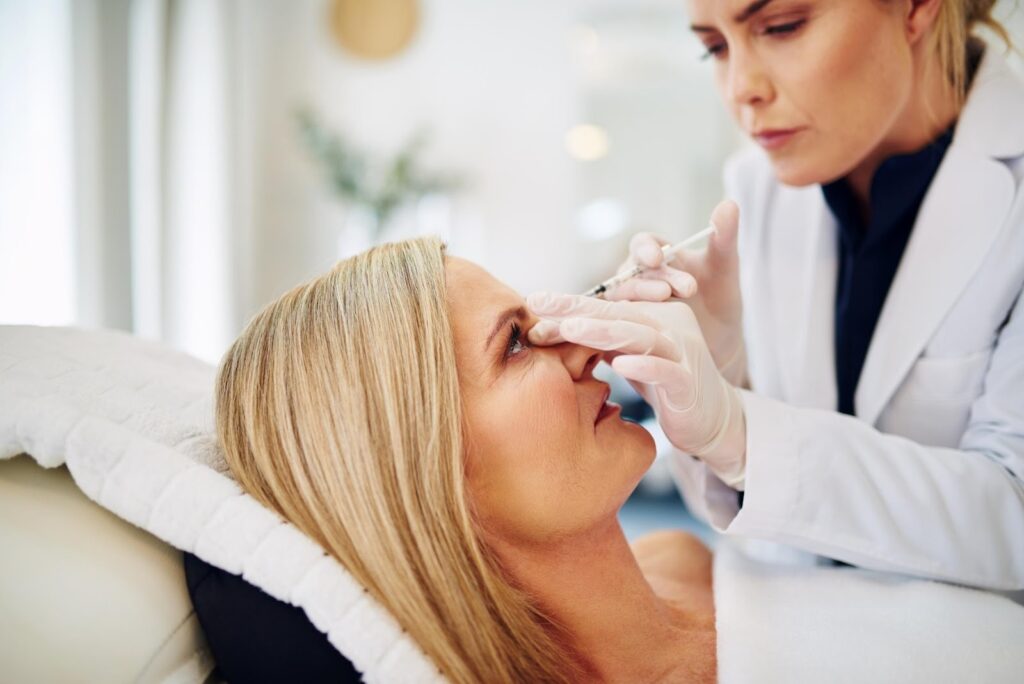
The best way to manage complications is to prevent them in the first place. Prevention begins with education and experience.
At APT Injection Training, our courses teach trainees how to prevent droopy eyelids and other complications through a structured, evidence-based approach. This includes
- Detailed study of facial anatomy with emphasis on high-risk zones
- Hands-on training for precise injection placement
- Understanding of appropriate dosing and dilution
- Techniques for minimizing diffusion and spread
- Patient assessment skills to identify risk factors before treatment
Injectors also learn the importance of proper aftercare instructions – such as advising patients not to massage the area, exercise, or lie down for several hours post-treatment.
When injectors practice prevention, they reduce the likelihood of bad Botox outcomes and gain the confidence to handle any complication professionally.
All images used under license from Canva. © APT Medical Aesthetics, 2025. All rights reserved.
The Importance of Complication Management Training
Every injector, regardless of experience, must be prepared for the unexpected. Complications like droopy eyelids are rare but can happen even in skilled hands. What separates excellent injectors from the rest is how they respond.
APT Injection Training courses are designed to teach healthcare professionals how to recognize, document, and address aesthetic complications safely. Trainees learn protocols for managing both mild and serious issues, from bruising and asymmetry to vascular occlusions and toxin diffusion.
By practicing these protocols in a controlled, educational environment, injectors develop the skills needed to respond confidently in real clinical situations.
Common Mistakes to Avoid
Even well-intentioned injectors can make preventable errors that increase the risk of Botox ptosis. Some of the most frequent mistakes include
- Injecting too close to the orbital rim or lower forehead
- Over-diluting Botox, increasing the chance of spread
- Over-treating small muscle areas
- Failing to assess pre-existing eyelid asymmetry
- Neglecting patient education about post-treatment care
Avoiding these mistakes requires ongoing training, mentorship, and a commitment to excellence.
FAQ – Managing a Droopy Eyelid After Botox
Can you reverse Botox immediately if there is a droopy eyelid
No. Botox cannot be reversed, but the effects will fade naturally over time. Eye drops can provide temporary improvement.
How long does Botox ptosis last
Most cases resolve within 6 to 8 weeks, though some may take up to 12 weeks depending on individual metabolism and dosing.
Can patients prevent it by doing exercises
Facial exercises have minimal impact. It is best to allow the muscle to recover naturally.
Does droopy eyelid mean the injector made a mistake
Not always. Even experienced injectors can encounter this issue due to individual anatomical differences or diffusion. What matters most is how the injector manages it.
Should patients still get Botox after ptosis
Yes, but with adjusted technique and injection placement. A well-trained injector can safely continue treatments while avoiding recurrence.
A Question for You
If a patient called you in distress saying their eyelid had started to droop after treatment, would you know exactly what to do – what to say, what to prescribe, and how to guide them through recovery?
That kind of preparedness comes only from proper complication management training.
Final Thoughts
A droopy eyelid after Botox may be temporary, but it can feel devastating to patients who trusted you with their face. For injectors, it is a defining moment – one that tests skill, knowledge, and professionalism. Knowing how to prevent, identify, and manage this complication is not just good practice, it is essential for maintaining patient safety and trust.
At APT Injection Training in Oakville, we believe that being an injector means more than performing aesthetic treatments. It means being a healthcare professional who understands anatomy, anticipates risks, and handles every situation with confidence and compassion. Our Botox training programs and complication management courses are designed to help healthcare professionals master both the artistry and the responsibility of aesthetic medicine.
Train with Ontario’s most trusted name in aesthetic education – Learn with confidence – Inject with purpose.
(289) 271-5718
✉️ info@aptinjectiontraining.com
aptinjectiontraining.com
Tips to be a
Successful Injector!
Free E-Book download